
The Centers for Disease Control and Prevention (CDC) has noted an increase in Hantavirus cases, with at least 10 confirmed infections in the past year alone, resulting in several hospitalizations. This uptick has prompted discussions among health experts about the need for improved surveillance and response mechanisms, which have been hindered by budget cuts implemented during the Trump administration. For more insights, you can read about understanding hantavirus and its transmission.
Critics argue that these cuts have weakened the public health infrastructure necessary for effective disease monitoring and response. For instance, funding for the CDC’s infectious disease programs has seen significant reductions, which has limited resources for education and prevention efforts related to Hantavirus and other vector-borne diseases.
Furthermore, the ongoing challenges of the COVID-19 pandemic have drawn attention away from other public health threats, making it imperative to reassess the allocation of resources. As the nation grapples with these issues, experts stress the need for a comprehensive strategy that addresses both immediate and long-term public health priorities to mitigate the risks posed by Hantavirus and similar pathogens.
Background on U.S. health preparedness and funding cuts
The United States has a long history of responding to infectious disease outbreaks, but recent years have seen significant challenges to its health preparedness systems. In the aftermath of events like the 9/11 attacks and the H1N1 pandemic, federal agencies made strides in enhancing public health infrastructure. However, the political landscape shifted dramatically with the election of Donald Trump in 2016, leading to a series of budget cuts that have left health agencies vulnerable.
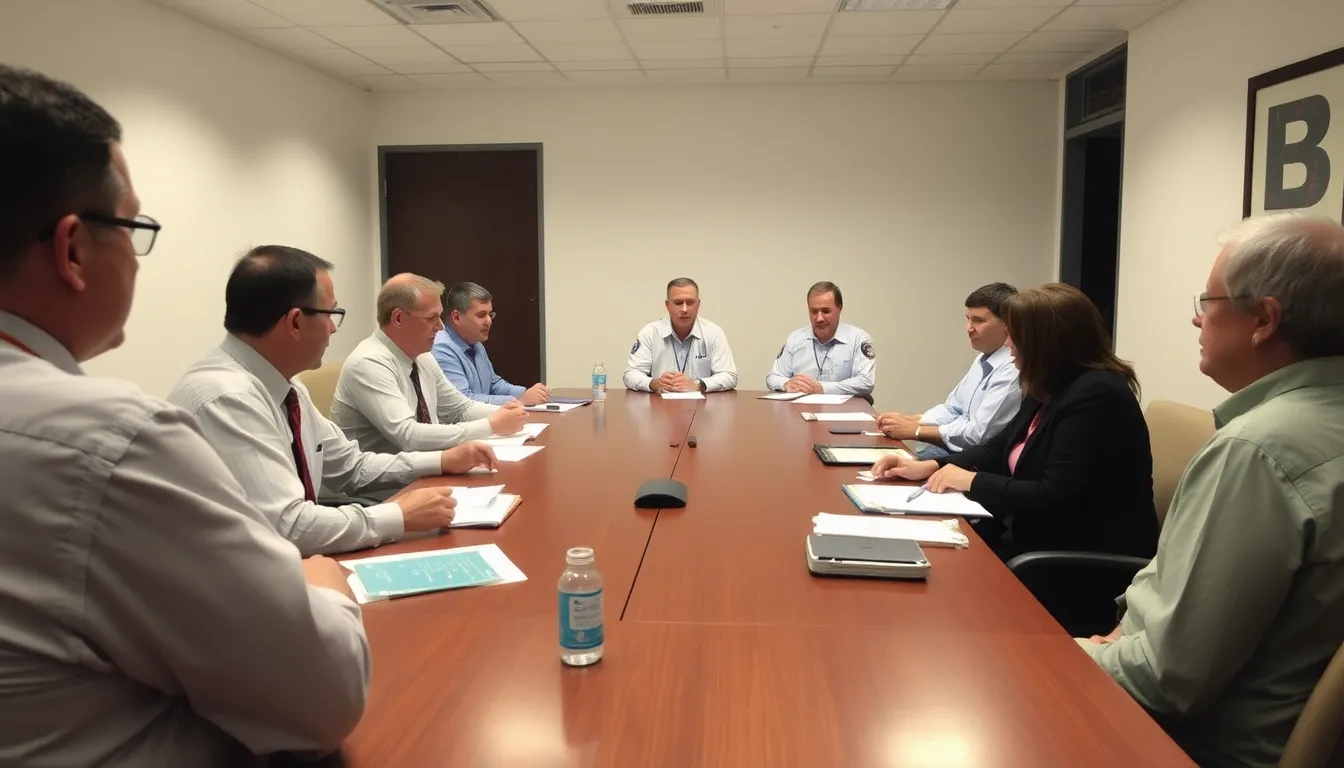
One of the most critical moments in this decline was the 2018 budget proposal, which sought to cut funding for the Centers for Disease Control and Prevention (CDC) by nearly 20%. Although Congress ultimately restored some funding, the cuts reflected a broader trend of deprioritizing public health initiatives. This environment of reduced resources and support has made it increasingly difficult for health officials to prepare for and respond to emerging infectious diseases.
The Impact of Budget Cuts
Budget cuts have had tangible effects on various public health programs, including those focused on surveillance and response to zoonotic diseases, such as hantavirus. The CDC’s ability to monitor and address these diseases has been compromised, leading to concerns that the U.S. is less prepared for outbreaks that could arise from rodent populations or other wildlife. The lack of investment in research and development has also stunted innovation in treatment and prevention methods. This situation highlights the urgent need for action in public health funding.
Additionally, the Trump administration’s approach to public health was characterized by a focus on deregulation and a reduction in federal oversight. This shift not only affected funding but also the overall strategy for managing health crises. As a result, local health departments have struggled to maintain their operations, often relying on emergency funds that are not sustainable long-term.
The culmination of these factors has created a precarious situation for U.S. health preparedness. As seen with the recent hantavirus cases, the consequences of these funding cuts are becoming more apparent, highlighting the urgent need for a reevaluation of public health priorities in the face of emerging health threats.
Key stakeholders and the impact of budget cuts on health agencies
The response to the hantavirus outbreak highlights the critical roles played by various stakeholders, including federal and state health agencies, non-profit organizations, and the general public. Each of these actors has distinct interests and responsibilities that shape their approach to public health crises.

Federal agencies such as the Centers for Disease Control and Prevention (CDC) and the National Institutes of Health (NIH) are tasked with disease surveillance, research, and response coordination. However, budget cuts enacted during the Trump administration have significantly reduced their capacity to effectively manage emerging health threats. This has raised concerns about the adequacy of resources available for research and response efforts, which are crucial for preventing and mitigating outbreaks.
State and local health departments are also vital players in the response to infectious diseases. These agencies often rely on federal funding to support their operations. Reduced federal support can lead to staffing shortages, limited outreach programs, and insufficient public education campaigns, all of which can hinder effective disease management at the community level.
- Impact on research funding: Budget cuts have led to decreased funding for vital research on hantavirus and other emerging pathogens.
- Public health infrastructure: Many local health departments are left under-resourced, impacting their ability to respond to outbreaks effectively.
- Community outreach: Reduced funding limits the capacity for public awareness campaigns that are essential for educating the public on prevention measures.
Non-profit organizations and advocacy groups also play a crucial role in public health, often filling gaps left by government agencies. These organizations can mobilize resources, provide education, and advocate for policy changes. However, their effectiveness can be compromised when government funding is cut, as they may have to compete for limited resources to address pressing health issues. Understanding the dynamics of public health can be essential for improving community health outcomes.
Effects on public health and community response
The impact of Hantavirus outbreaks extends across various groups, including rural communities, healthcare workers, and public health officials. Regions with higher rodent populations, particularly in the western United States, face increased risks. Vulnerable populations, such as those with pre-existing health conditions, are at a greater risk of severe outcomes from the virus.
In the short term, businesses in affected areas may experience disruptions due to health advisories and potential quarantines. Local economies that rely on tourism, agriculture, and outdoor activities may suffer as people avoid areas where the virus is present. Public health policies may shift rapidly, focusing on immediate containment measures, which can strain resources and lead to increased healthcare costs.

Mid-term impacts could include a reevaluation of funding for public health initiatives. As awareness of the Hantavirus threat grows, communities may push for enhanced surveillance and prevention programs. This could lead to potential opportunities for industries focused on health technology, pest control, and environmental management as they develop solutions to mitigate risks.
- Short-term risks: Increased healthcare costs and economic disruption.
- Mid-term opportunities: Growth in health technology and environmental management sectors.
- Community response: Enhanced public health initiatives and awareness campaigns.
Overall, the ramifications of the Hantavirus response highlight the interconnectedness of public health, economic stability, and community resilience, urging a comprehensive approach to future preparedness efforts.
A: Hantavirus is a viral infection spread primarily through contact with rodent droppings, urine, or saliva. It can lead to severe respiratory issues in humans. A: Budget cuts have reduced the capacity of health agencies to respond to outbreaks, limiting resources for surveillance, research, and public health initiatives. A: The Hantavirus response underscores the need for robust funding and preparedness plans to effectively manage emerging health threats. A: Currently, there is no vaccine available for Hantavirus, making prevention through rodent control and public awareness critical. A: Communities can prepare by increasing awareness, improving sanitation, and ensuring that local health departments are adequately funded and equipped.
Frequently asked questions about Hantavirus and preparedness
Insights on future preparedness and necessary actions
The recent Hantavirus response highlights significant gaps in the United States’ preparedness for emerging infectious diseases, exacerbated by budget cuts and policy shifts. As the nation navigates the complexities of public health crises, it becomes crucial to reassess resource allocation and strategic planning to enhance resilience against future outbreaks.
Moving forward, a multipronged approach that includes strengthening public health infrastructure, fostering inter-agency collaboration, and prioritizing research and development will be essential. By addressing these areas, the U.S. can better position itself to respond effectively to health threats, ensuring that lessons learned from past experiences translate into actionable strategies.
- Enhance funding for public health initiatives to ensure robust surveillance and rapid response capabilities.
- Promote collaboration between federal, state, and local health agencies to streamline communication and resource sharing during outbreaks.
- Invest in research for emerging pathogens to stay ahead of potential threats and develop effective vaccines and treatments.
- Implement training programs for healthcare professionals to recognize and manage rare diseases effectively.
- Engage communities in preparedness efforts to foster awareness and proactive health measures among the public.