
Recently, the show has highlighted significant issues such as the impact of artificial intelligence on various sectors, including healthcare and education. For more insights on AI’s implications, you can check out Exploring the Future of Tech Life. With the rapid advancements in AI technologies, experts featured on the program provide insights into both the opportunities and challenges these developments present. This timely discussion is essential for understanding the implications of AI in everyday life.
In addition to AI, the program has addressed pressing environmental concerns, particularly in relation to climate science. Episodes focusing on the latest research in renewable energy and sustainability practices aim to inform viewers about actionable steps they can take. The inclusion of diverse scientific voices enhances the credibility and relevance of the information shared.
The program also emphasizes the importance of public engagement in science, encouraging viewers to participate in discussions and share their perspectives. By fostering a community around scientific inquiry, BBC Inside Science aims to bridge the gap between complex scientific concepts and public understanding. This approach is particularly relevant as society faces numerous challenges that require informed decision-making.
The Historical Context of Science Communication at the BBC
Since its inception in 1922, the British Broadcasting Corporation (BBC) has played a pivotal role in the dissemination of information and knowledge across various domains, including science. The early days of the BBC were marked by a commitment to public service broadcasting, which aimed to educate and inform the public about scientific advancements and their implications for society. This commitment laid the groundwork for programs specifically dedicated to science communication, culminating in the establishment of ‘BBC Inside Science’ in 2010.

The evolution of science communication at the BBC can be traced back to key milestones, such as the launch of the BBC Television Service in 1936, which introduced audiences to scientific documentaries and educational programs. To understand how these developments impact current programming, you might want to explore Exploring the World of BBC Inside Science. Throughout the decades, the BBC has adapted its approach to science communication, responding to the changing political and social landscapes.
Political and Economic Influences
Political and economic factors have significantly influenced the BBC’s science programming. The Cold War era, for example, heightened the focus on scientific achievements, particularly in fields like space exploration and nuclear technology. The BBC responded by producing content that highlighted scientific progress while also addressing public concerns about safety and ethics. This period also saw the emergence of science as a crucial element in economic competitiveness, prompting the BBC to engage audiences with stories that connected science to everyday life.
In recent years, the rise of digital media and the proliferation of information sources have transformed the landscape of science communication. The BBC has had to navigate these changes by enhancing its online presence and utilizing social media to reach broader audiences. ‘BBC Inside Science’ exemplifies this adaptation, offering a platform for in-depth discussions on contemporary scientific issues while maintaining the BBC’s tradition of rigorous journalism and factual integrity.
As the BBC continues to evolve, the historical context of its science communication efforts remains vital in understanding the challenges and opportunities faced in engaging the public with science. The legacy of programs like ‘BBC Inside Science’ reflects a long-standing commitment and you can learn more about this by visiting Exploring the World of BBC Inside Science, ensuring that science remains accessible and relevant in an ever-changing world.
Key Stakeholders and Issues Surrounding BBC Inside Science
BBC Inside Science serves as a platform for disseminating scientific knowledge to a broad audience, making it essential to identify the key stakeholders involved in its production and dissemination. The primary actors include the BBC as the broadcaster, scientists and researchers who contribute their expertise, and the audience that consumes the content. Each of these groups has distinct interests that shape the program’s direction and impact.
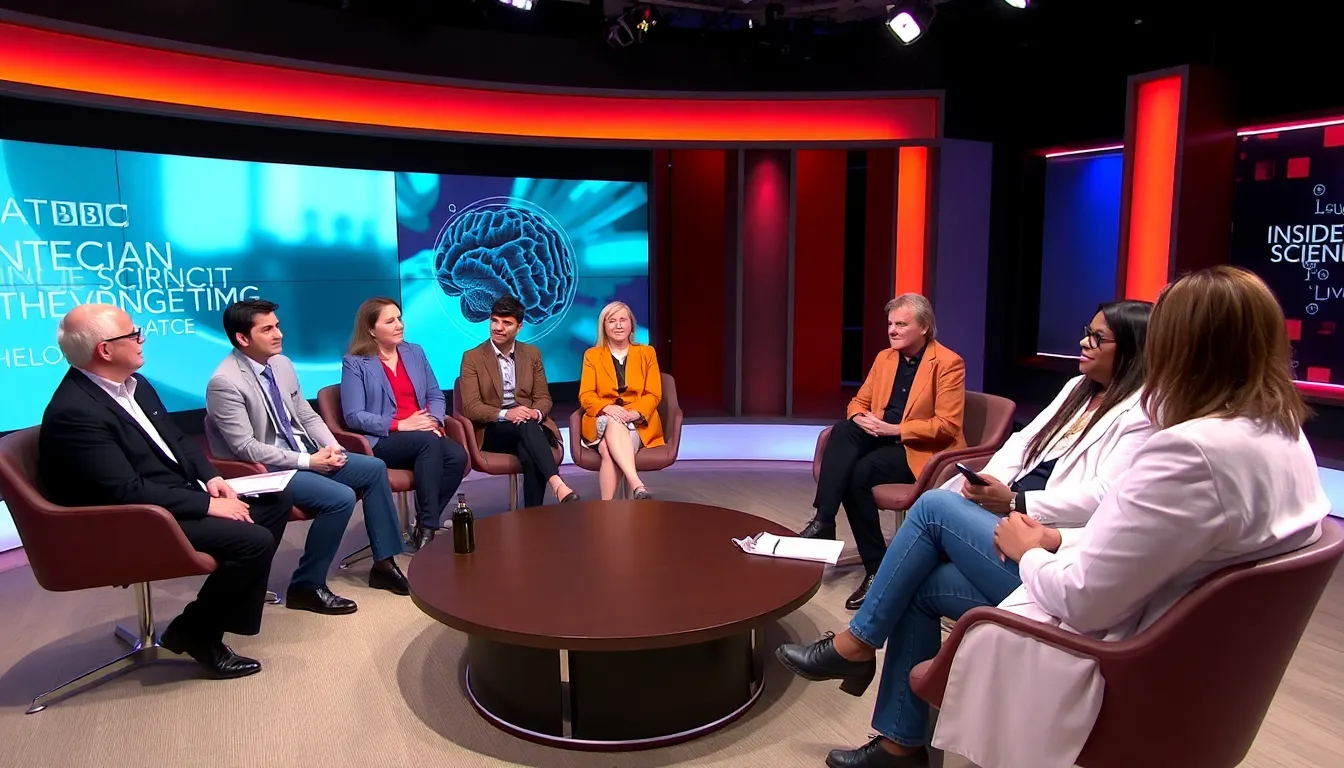
The BBC, as a public service broadcaster, aims to educate and inform the public while maintaining impartiality and credibility. This involves balancing the interests of various stakeholders, including government bodies that fund the BBC and scientific institutions seeking to promote their research. Scientists, on the other hand, are interested in public engagement and the dissemination of their work, but they may also face pressures to simplify complex information for a general audience, potentially leading to conflicts over how their research is represented.
Moreover, economic considerations play a significant role in the operation of BBC Inside Science. Funding from the license fee and government grants necessitates a focus on content that appeals to a wide audience, which can sometimes result in trade-offs between depth of coverage and accessibility. This can create tension between the desire to present nuanced scientific discussions and the need to attract viewership.
- Conflicts between scientific accuracy and audience engagement.
- Pressure on scientists to conform to media-friendly narratives.
- Economic constraints affecting the breadth of topics covered.
- Regulatory oversight by government bodies influencing content direction.
- Public perception of science and its impact on funding and policy decisions.
In addition to these factors, the legal landscape surrounding broadcasting and intellectual property rights can pose challenges for BBC Inside Science. Issues such as copyright for scientific content and the ethical implications of reporting on ongoing research can complicate the program’s operations. Overall, the interplay of these stakeholders and issues highlights the complexity of producing a science-focused program within the framework of public broadcasting.
The Impact of BBC Inside Science on Public Understanding of Science
BBC Inside Science serves as a vital resource for various groups, including students, educators, policymakers, and the general public. Its focus on current scientific developments impacts not only those directly involved in scientific fields but also industries such as healthcare, technology, and education. By bridging the gap between complex scientific concepts and everyday understanding, the program fosters a more informed society.
In the short term, audiences benefit from timely insights into scientific advancements that can influence public opinion and policy decisions. For instance, discussions surrounding climate change or public health can lead to immediate changes in local policies or community initiatives aimed at addressing these issues. This heightened awareness can encourage individuals to engage more actively with scientific topics, leading to a more scientifically literate populace.
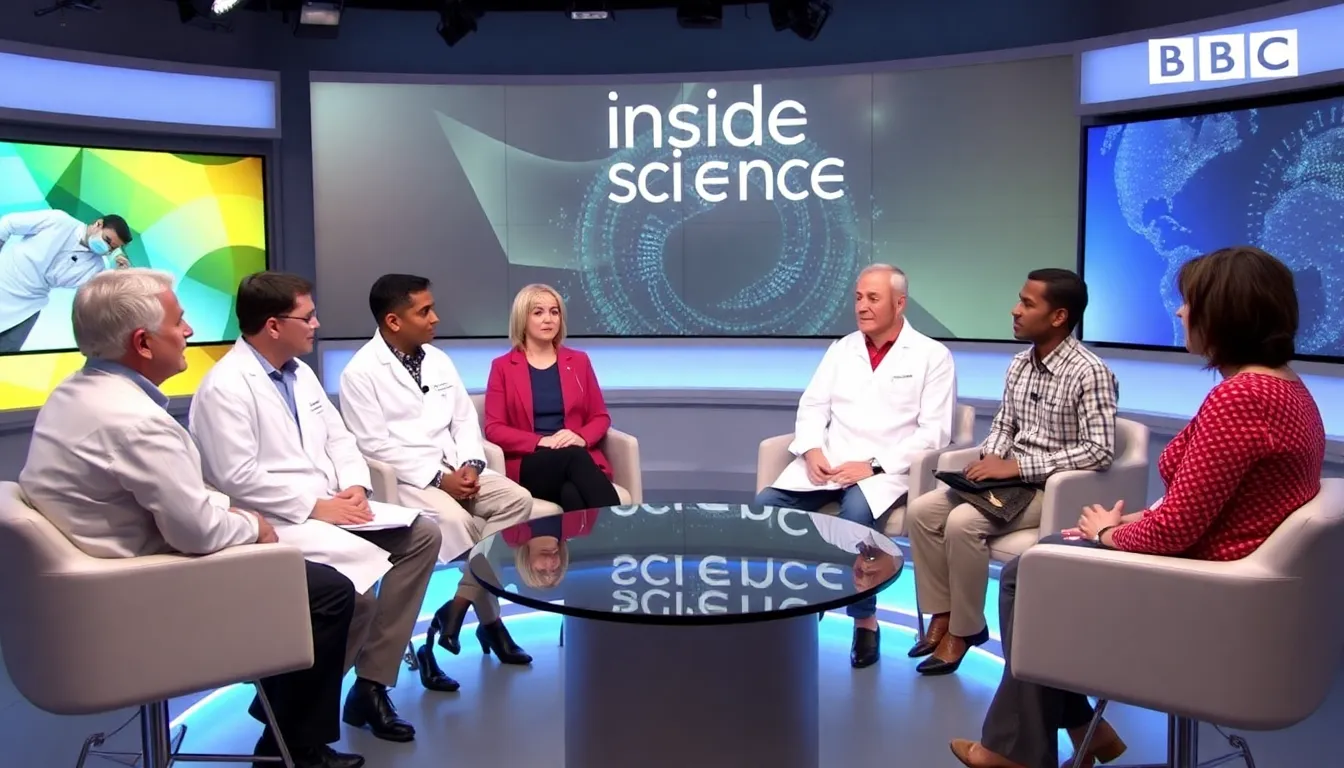
Mid-term impacts may manifest in educational reforms and increased investment in STEM (Science, Technology, Engineering, and Mathematics) programs. As more people become interested in science, demand for educational resources and programs rises. This could lead to the development of new curricula that emphasize critical thinking and scientific inquiry, ultimately benefiting future generations.
- Risks: Misinformation can spread quickly if scientific findings are misinterpreted or sensationalized, leading to public confusion.
- Opportunities: Enhanced collaboration between scientists and communicators can create innovative outreach programs that engage diverse communities.
Regions with limited access to scientific education or resources may experience greater disparities if they do not engage with content like BBC Inside Science. Conversely, areas that actively participate in these discussions may see economic growth through the promotion of science-based industries and initiatives.
A: BBC Inside Science is a program that explores scientific topics and their implications for society. It aims to make complex scientific ideas accessible to the general public. A: The program typically airs weekly, providing regular insights into various scientific developments and research. A: The program features various hosts and expert contributors, including scientists and science communicators, who share their knowledge and insights. A: Yes, past episodes are available on the BBC website and various podcast platforms, allowing listeners to catch up on previous discussions. A: The program covers a wide range of topics, including recent scientific discoveries, technological advancements, and discussions on ethical implications in science.
Frequently Asked Questions about BBC Inside Science
Key Insights and Future Directions for BBC Inside Science
The exploration of scientific topics by BBC Inside Science highlights the importance of effective communication in bridging the gap between complex research and public understanding. As scientific advancements continue to shape our world, the program serves as a vital resource for engaging audiences with the latest developments in various fields. The focus on diverse scientific disciplines fosters a broader appreciation for the interconnectedness of science and society.
Looking ahead, the program’s commitment to presenting evidence-based insights will be crucial as it navigates emerging challenges and opportunities in science communication. By adapting to the evolving media landscape and audience needs, BBC Inside Science can enhance its impact and relevance in an increasingly information-driven society.
- Monitor the integration of new technologies in science communication to enhance audience engagement.
- Watch for collaborations with academic institutions to bring cutting-edge research to the forefront.
- Observe the program’s response to public interest in climate change and sustainability topics.
- Consider the implications of interdisciplinary approaches in addressing complex scientific questions.
- Stay informed about audience feedback and its influence on future programming decisions.