
Notably, solar and wind energy have emerged as frontrunners in this transition. In 2022 alone, solar power capacity increased by over 200 gigawatts, while wind energy added approximately 90 gigawatts worldwide. Countries like China, the United States, and Germany are leading the charge, investing heavily in renewable infrastructure and setting ambitious targets for carbon neutrality.
The urgency of this transition is underscored by the ongoing climate crisis, which has prompted nations to reconsider their reliance on fossil fuels. The recent IRENA report emphasizes that to meet global climate goals, renewable energy capacity must triple by 2030.
Despite the promising growth in renewables, fossil fuels still dominate the energy mix, accounting for about 70% of global energy consumption. The IRENA report warns that without accelerated investment in renewable technologies, the world risks falling short of its climate commitments. As the energy landscape evolves, the balance between renewables and fossil fuels remains a key issue for policymakers and industry leaders.
Understanding the background of the energy transition
The global energy landscape has undergone significant transformation over the past few decades, driven by a combination of environmental concerns, technological advancements, and shifting economic incentives. Historically, fossil fuels such as coal, oil, and natural gas have dominated the energy sector, providing the backbone for industrial growth and economic development. However, increasing awareness of climate change and its detrimental effects has prompted a reevaluation of energy sources, leading to a gradual but noticeable shift towards renewable energy.

One of the key milestones in this transition was the adoption of the Paris Agreement in 2015, which aimed to limit global warming to well below 2 degrees Celsius.
Economically, the cost of renewable energy technologies has plummeted in recent years. The International Renewable Energy Agency (IRENA) reported that the cost of solar photovoltaic (PV) systems fell by 89% between 2009 and 2020, while onshore wind costs dropped by 70%. These declining costs have made renewables more competitive with traditional fossil fuels, leading to increased deployment and integration into national energy grids.
The Role of Policy and Innovation
Government policies and incentives have also played a crucial role in accelerating the adoption of renewable energy. Many countries have implemented feed-in tariffs, tax credits, and renewable portfolio standards to encourage investments in clean energy. Innovation in energy storage technologies has further enhanced the viability of renewables, addressing the intermittent nature of solar and wind power. As a result, the energy transition is not only reshaping the market dynamics but also fostering a new era of energy independence and security.
Key stakeholders and issues in the renewable energy sector
The transition from fossil fuels to renewable energy sources has garnered significant attention from various stakeholders, each with distinct interests and concerns. Key actors in this sector include governments, private companies, non-governmental organizations (NGOs), and the general public. Their collective actions and policies shape the landscape of renewable energy development and deployment.
Governments play a crucial role as regulators and facilitators of renewable energy projects. They are often motivated by the need to reduce carbon emissions, achieve energy independence, and meet international climate commitments. However, conflicting interests can arise, especially when fossil fuel industries lobby against renewable initiatives. This tension can lead to trade-offs in policy-making, where economic benefits from traditional energy sources may overshadow environmental considerations.

Private companies, ranging from large energy corporations to innovative startups, are pivotal in driving technological advancements and investment in renewables. Their interests typically revolve around profitability and market share. However, the transition to renewable energy can create economic disruptions, particularly in regions dependent on fossil fuel industries. This raises concerns about job losses and the need for workforce retraining programs.
- Economic incentives: Governments may offer subsidies or tax breaks to encourage renewable energy investments, which can lead to conflicts with fossil fuel interests.
- Public opinion: The general public’s increasing awareness of climate change can pressure governments to adopt more aggressive renewable policies, potentially clashing with established fossil fuel interests.
- Technological advancements: Innovations in storage and efficiency can shift the competitive landscape, benefiting early adopters of renewable technologies.
- Legal frameworks: Regulations concerning land use, environmental impact assessments, and energy markets can either facilitate or hinder renewable energy projects.
- International agreements: Global commitments to reduce greenhouse gas emissions can influence national policies and create a unified approach toward renewable energy adoption.
Non-governmental organizations also play a significant role by advocating for sustainable practices and holding both governments and corporations accountable. They often highlight the social and environmental impacts of energy choices, which can lead to public pressure for more sustainable policies. However, the diverse interests among stakeholders can complicate consensus-building, resulting in a fragmented approach to renewable energy adoption.
Who is affected by the shift towards renewable energy?
The transition from fossil fuels to renewable energy sources is impacting various groups, industries, and regions globally. Key stakeholders include energy producers, consumers, policymakers, and environmental organizations. As the demand for cleaner energy rises, traditional fossil fuel industries face significant challenges, while renewable energy sectors experience growth and innovation.
In the short term, regions heavily reliant on fossil fuel extraction, such as coal and oil-producing areas, may experience economic disruptions. Job losses in these sectors could lead to increased unemployment rates and economic instability. Conversely, regions investing in renewable energy technologies, such as solar and wind, are likely to see job creation and economic revitalization.
Mid-term impacts will be felt as businesses begin to adapt to new energy policies and regulations aimed at reducing carbon emissions. Industries such as transportation, manufacturing, and construction will need to innovate and invest in sustainable practices. This shift presents both risks and opportunities, as companies that fail to adapt may fall behind, while those that embrace renewable technologies could gain a competitive edge.
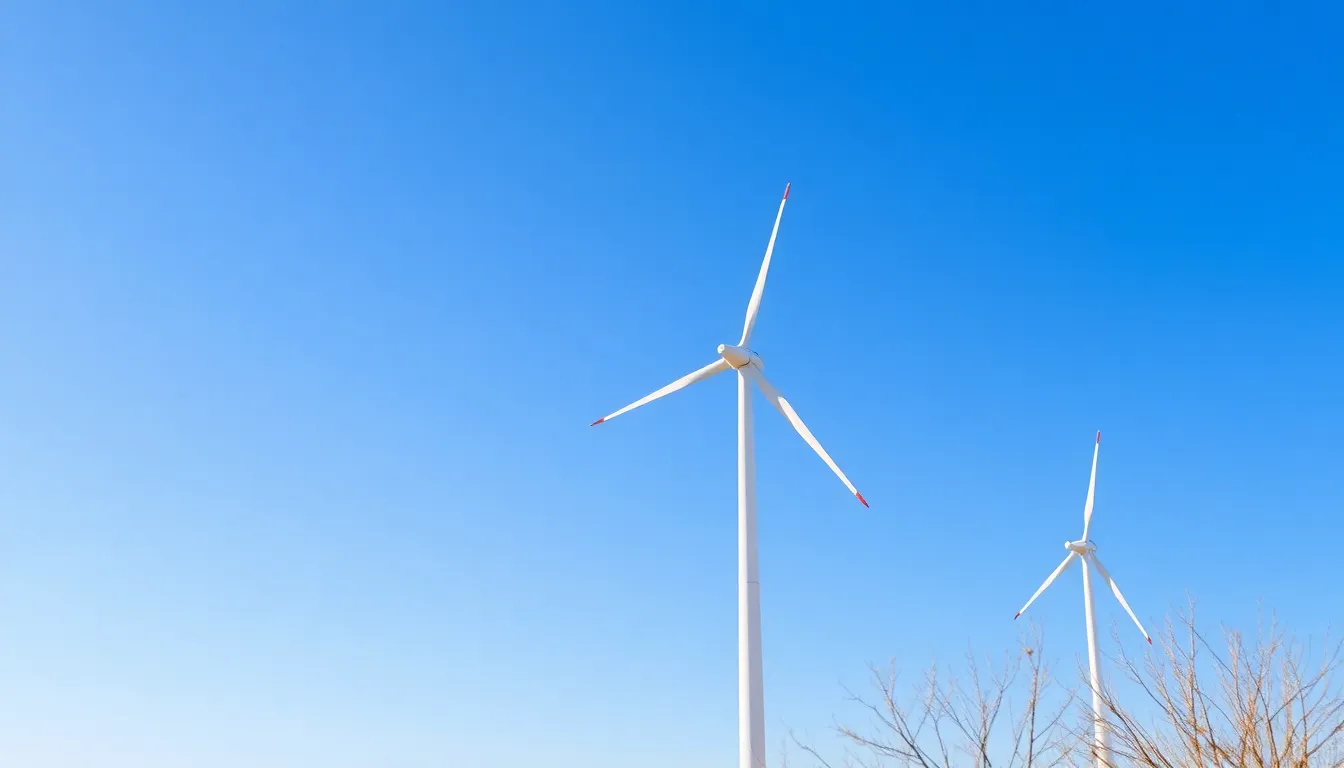
- Risks: Economic instability in fossil fuel-dependent regions, job losses in traditional energy sectors, and potential regulatory challenges for businesses.
- Opportunities: Job creation in renewable energy sectors, advancements in technology, and new markets for sustainable products and services.
Overall, the shift towards renewable energy is reshaping the landscape of energy production and consumption, with far-reaching effects on daily life, business operations, and environmental policies.
A: The IRENA report indicates that renewable energy sources are rapidly increasing their share in the global energy mix, closing the gap with fossil fuels. A: Transitioning to renewable energy is crucial for reducing greenhouse gas emissions, combating climate change, and ensuring energy security. A: Key challenges include infrastructure development, regulatory hurdles, and the need for investment in technology and innovation. A: The growth of renewable energy can stimulate job creation, drive economic growth, and reduce dependence on imported fuels. A: Governments can facilitate renewable energy growth through policies, incentives, and investments that support clean energy technologies.
Frequently asked questions about renewable energy growth
Key takeaways and future outlook for renewable energy
The latest IRENA report highlights a significant shift in the energy landscape, where renewables are increasingly closing the gap with fossil fuels. This transition is not only driven by environmental concerns but also by economic factors, as the cost of renewable technologies continues to decline. The implications of this shift are profound, indicating a potential restructuring of global energy markets and investment patterns.
As countries strive to meet climate goals, the momentum behind renewable energy is expected to accelerate. Stakeholders should remain vigilant to the evolving dynamics, as the competition between renewable sources and fossil fuels will shape energy policies and investment strategies in the coming years.
- Investment Trends: Watch for increased investments in renewable technologies as governments and private sectors prioritize sustainability.
- Policy Developments: Keep an eye on regulatory changes that may favor renewable energy, potentially phasing out fossil fuel subsidies.
- Technological Advancements: Monitor innovations in energy storage and grid management that will enhance the reliability of renewable sources.
- Market Dynamics: Anticipate shifts in energy prices as renewables become more competitive, impacting both consumers and producers.
- Global Collaborations: Observe international partnerships focused on renewable energy projects, which may lead to more robust and resilient energy systems.