
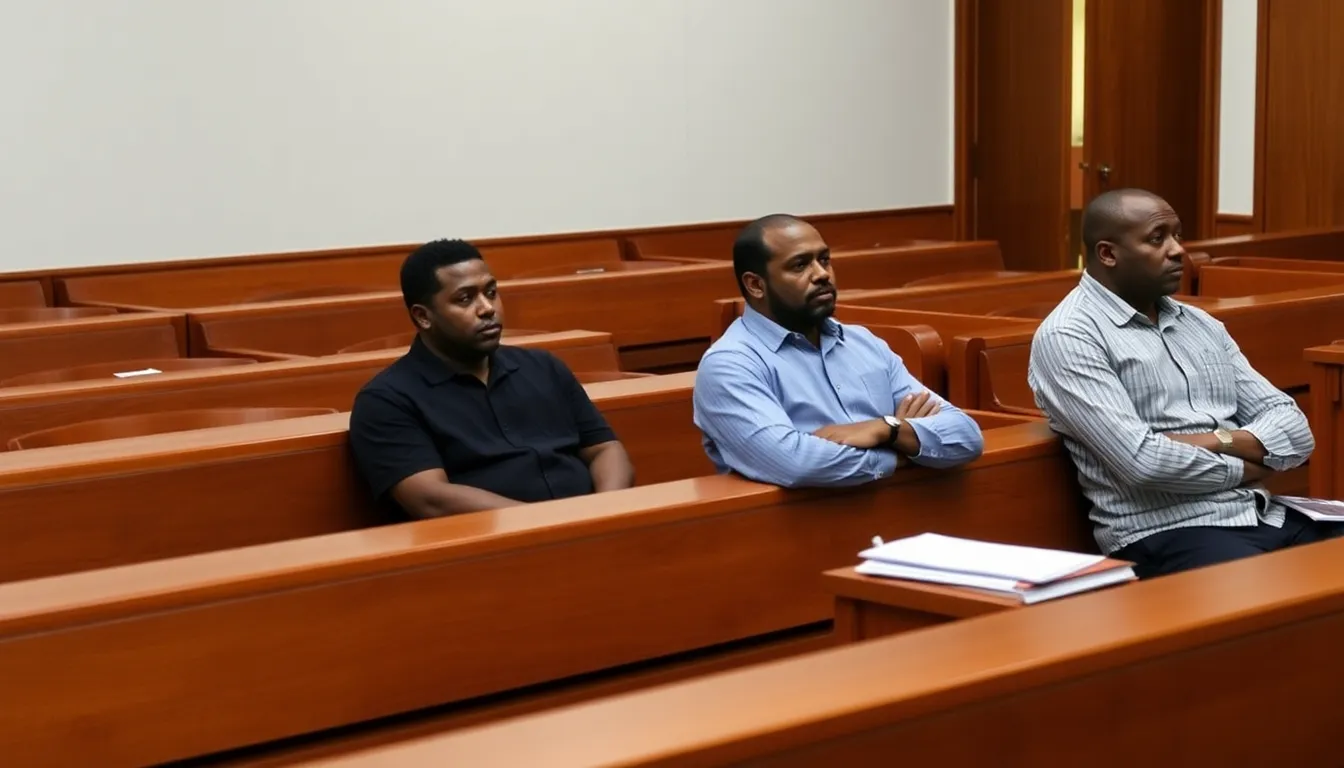
The defendants, identified as Antonio Emmanuel, Christian Emmanuel Sanon, and two others, were found guilty of conspiracy to commit murder and other related charges. Prosecutors presented evidence linking the men to a plot that aimed to destabilize Haiti, a nation already grappling with political turmoil and economic challenges. This case has been widely discussed in relation to international political dynamics.
This case has drawn attention not only for its implications for Haitian politics but also for the broader international community’s response to the ongoing crisis in Haiti. The assassination of Moïse has exacerbated issues of governance and security, with various factions vying for power in the wake of his death.
The trial underscored the challenges faced by Haitian authorities in seeking justice, as the country continues to struggle with violence and lawlessness. As the situation unfolds, the convictions may serve as a pivotal moment in the pursuit of accountability for political violence in Haiti, drawing parallels to other cases of international law, such as those faced by international actors..
Understanding the political climate in Haiti leading to the assassination
The assassination of Haitian President Jovenel Moïse in July 2021 marked a significant turning point in Haiti’s tumultuous political history. Over the years, the country has been plagued by instability, marked by a series of coups, political violence, and a lack of effective governance. The roots of this instability can be traced back to the fall of the Duvalier dictatorship in the late 1980s, which led to a power vacuum and ongoing struggles for control among various political factions.
Moïse’s presidency began in 2017 amid widespread protests and discontent regarding corruption and economic mismanagement. His tenure was characterized by accusations of authoritarianism, with many claiming that he attempted to consolidate power and undermine democratic institutions. The political landscape was further complicated by the absence of a functioning parliament, as elections were repeatedly postponed, leading to a crisis of legitimacy for his government.
The role of foreign influence
Foreign interventions have also played a significant role in shaping Haiti’s political environment. Over the decades, various international actors, including the United States and the United Nations, have intervened in Haitian affairs, often with mixed results. These interventions have sometimes exacerbated existing tensions rather than providing lasting solutions, leaving the nation vulnerable to internal strife and external manipulation.
In the lead-up to Moïse’s assassination, the country faced increasing violence from gangs, which were perceived to be operating with impunity. This surge in gang activity contributed to a climate of fear and instability, ultimately culminating in the tragic event that shocked the nation and the world. The conviction of the four South Florida men involved in the assassination reflects the complex web of local and international dynamics that continue to influence Haiti’s political trajectory.
Key stakeholders involved in the assassination case
The assassination of Haitian President Jovenel Moïse has drawn attention from various stakeholders, each with distinct interests and implications. The main actors include the convicted men, the Haitian government, the United States, and international organizations. Understanding their roles is crucial for grasping the broader context of this complex situation.
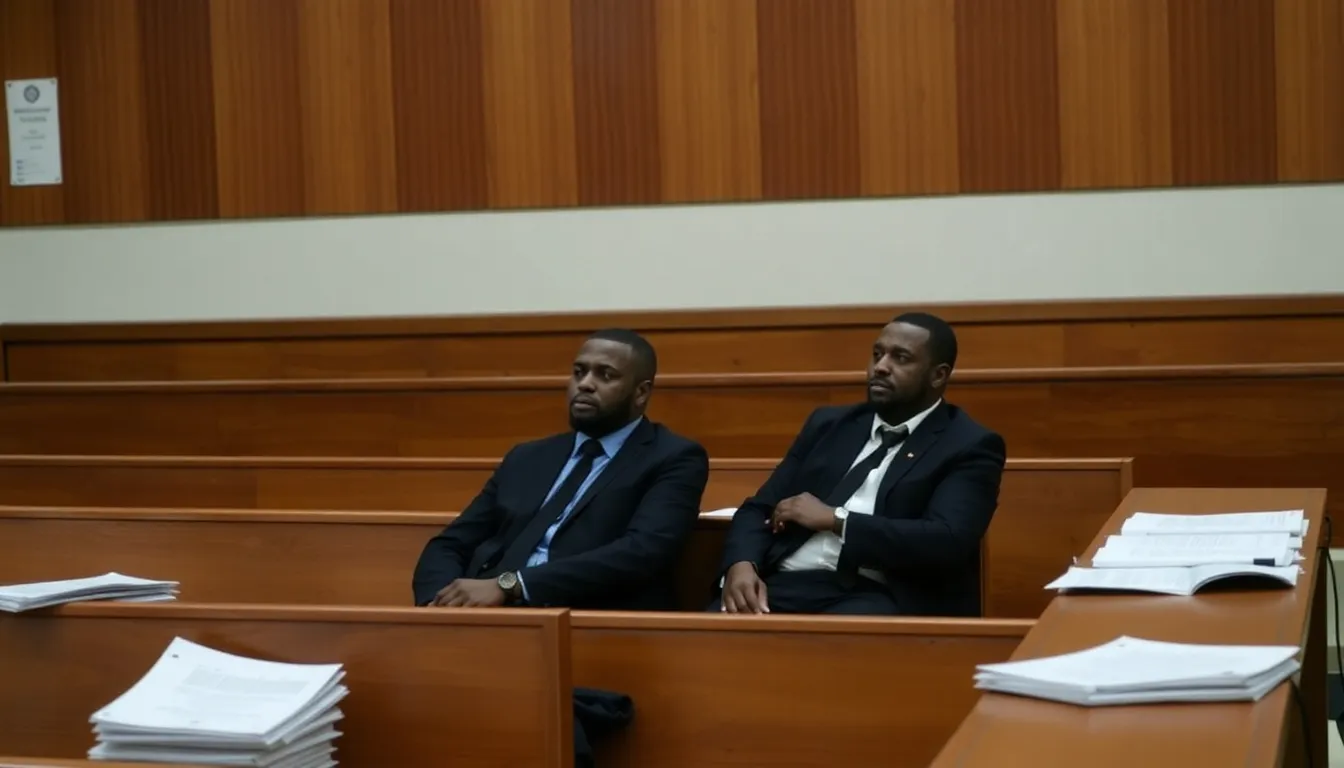
The four South Florida men convicted in this case, who were found guilty of participating in the assassination plot, represent a significant element of the investigation. Their motivations appear to be intertwined with political and financial incentives, as well as potential connections to various factions within Haiti. The legal ramifications for these individuals could set precedents for future cases involving political violence.
The Haitian government, struggling with political instability and governance challenges, has a vested interest in resolving this case to restore order and legitimacy. The assassination has exacerbated existing tensions and raised questions about the country’s security apparatus. The government’s ability to navigate this crisis will impact its international standing and relations with foreign aid donors.
The United States, as a key ally of Haiti, has a dual interest in both promoting stability in the region and addressing the legal proceedings surrounding the assassination. U.S. involvement may include diplomatic pressure and support for investigations, but it also raises concerns about sovereignty and the influence of foreign powers in Haitian affairs.
- Political instability: The assassination has intensified Haiti’s ongoing political turmoil, complicating governance.
- Legal implications: The convictions of the South Florida men could influence future cases of political violence.
- International relations: The case may affect Haiti’s relationships with foreign governments and organizations, particularly the U.S.
- Security concerns: The incident highlights weaknesses in Haiti’s security forces and the need for reform.
- Economic impact: Ongoing instability may deter foreign investment and hinder economic recovery efforts.
The implications of the convictions on U.S.-Haiti relations
The recent convictions of four South Florida men in connection with the assassination of Haitian President Jovenel Moïse have significant implications for various groups and industries, particularly in the context of U.S.-Haiti relations. The outcome of this high-profile case could influence diplomatic ties, economic partnerships, and the broader socio-political landscape in Haiti.
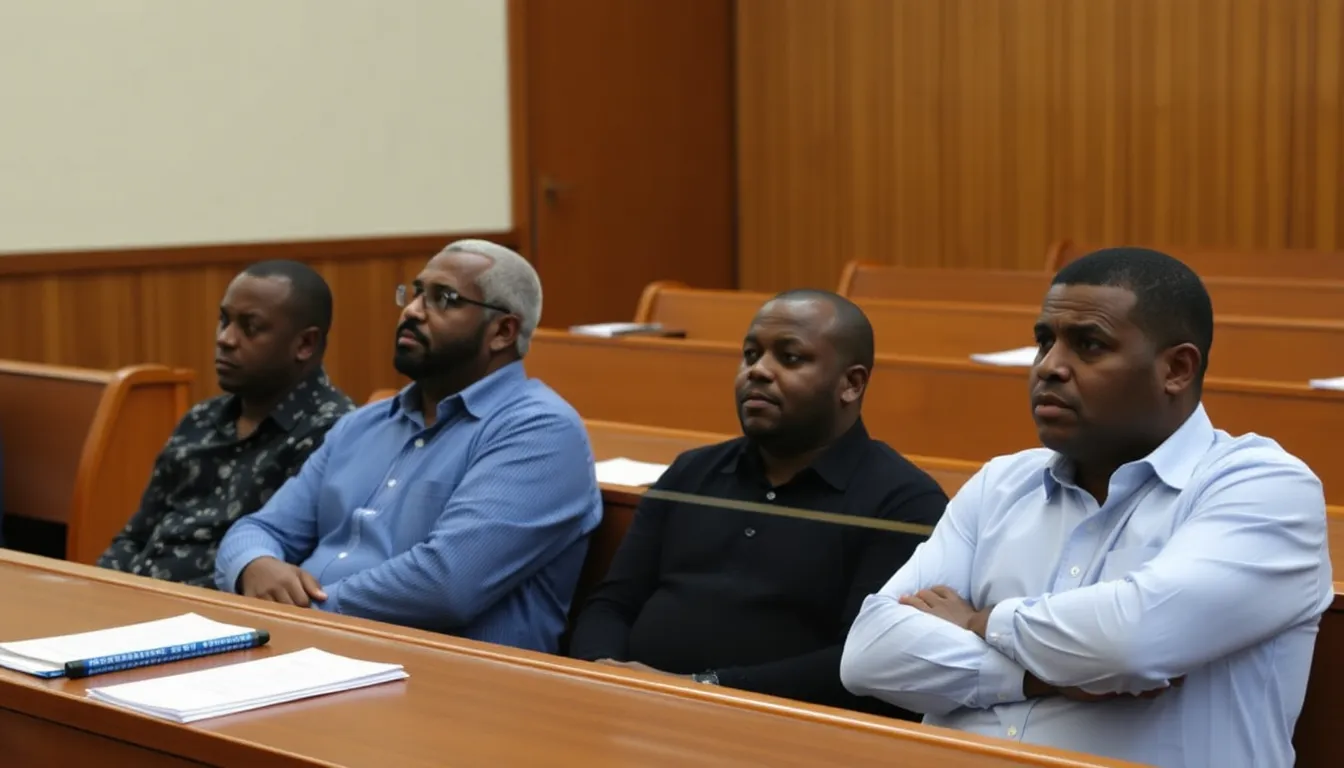
In the short term, the families of the convicted individuals and their communities in South Florida may experience emotional and economic distress. This could lead to heightened tensions within immigrant communities, as well as increased scrutiny from law enforcement and public sentiment. Moreover, the Haitian diaspora may find itself grappling with a complex identity crisis, as the actions of a few individuals cast a shadow over their community.
On a broader scale, the political climate in Haiti is likely to be affected. The convictions may lead to a temporary increase in instability, as factions within Haiti react to the legal outcomes. This could disrupt daily life for ordinary citizens, impacting everything from security to access to basic services. Businesses operating in Haiti may also face challenges, particularly in sectors like tourism and agriculture, which rely on a stable environment.
However, there are potential opportunities that could arise from this situation. The U.S. government may take this moment to reassess its foreign policy towards Haiti, potentially increasing aid or support for democratic processes. Additionally, NGOs and humanitarian organizations may find new avenues for engagement in Haiti, focusing on rebuilding and supporting local governance.
- Short-term impacts: Emotional distress in communities, increased scrutiny on immigrant populations, potential rise in political instability.
- Mid-term impacts: Shifts in U.S. foreign policy, potential economic aid to Haiti, opportunities for NGOs to engage in rebuilding efforts.
- Risks: Disruption to daily life, challenges for businesses, increased tensions within the Haitian diaspora.
- Opportunities: Enhanced diplomatic support for Haiti, potential for new economic partnerships, focus on democratic governance.
A: The four men were charged with conspiracy to commit murder and other related offenses in connection with the assassination of Haiti’s president. A: The assassination led to increased political instability and unrest in Haiti, exacerbating existing issues within the country. A: This conviction highlights the involvement of foreign nationals in Haitian politics and raises questions about international crime networks. A: The convicted men will face sentencing, which could result in significant prison time depending on the severity of their roles in the conspiracy. A: The U.S. government has expressed its commitment to supporting justice in Haiti and addressing the underlying issues that contributed to the assassination.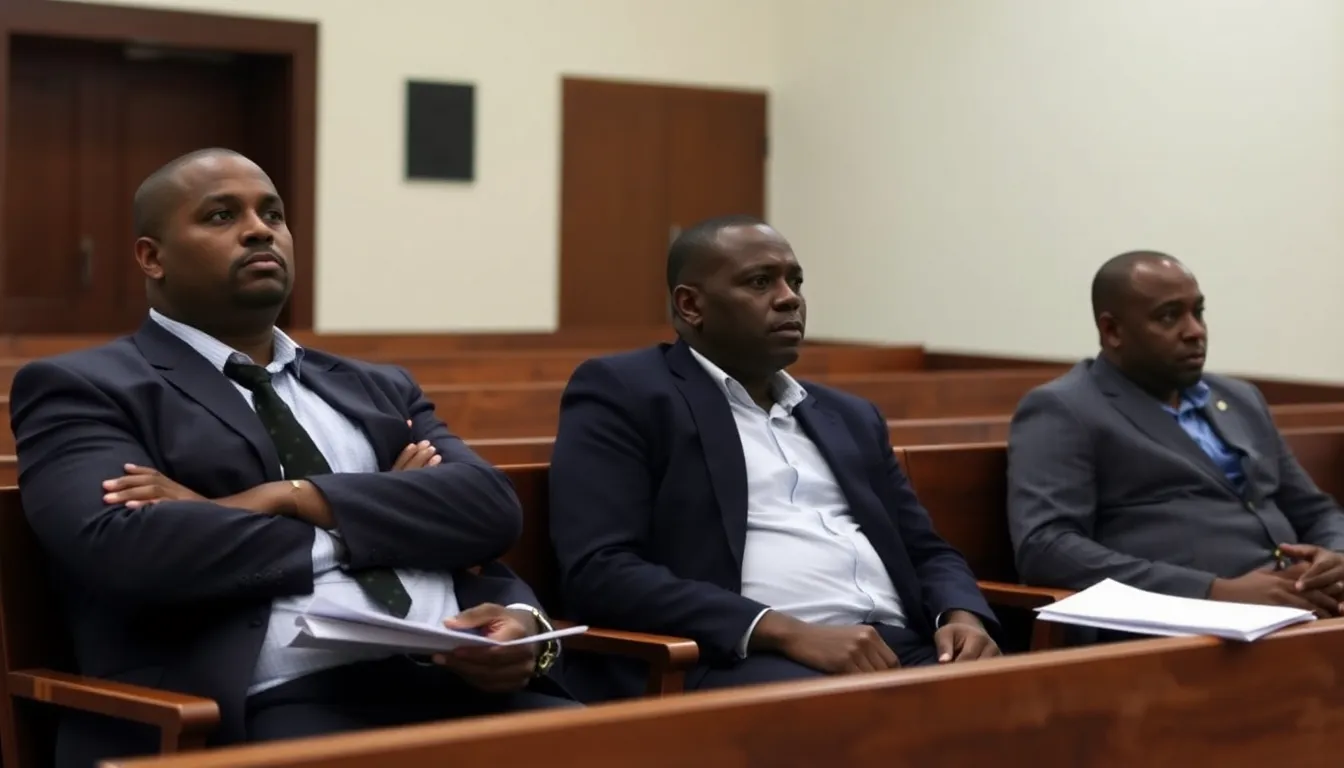
Frequently asked questions about the case
Key takeaways and future outlook on the situation
The conviction of four South Florida men in the assassination of Haitian President Jovenel Moïse marks a significant moment in the ongoing quest for justice in Haiti. This case not only highlights the complexities of international involvement in Haitian politics but also raises questions about the broader implications for security and governance in the region. As the legal proceedings continue, the focus will inevitably shift to the potential ripple effects on Haiti’s political landscape and its relations with foreign nations.
Moving forward, it will be crucial to monitor how these convictions influence both domestic stability in Haiti and the international community’s response to the ongoing crises. The outcomes may lead to increased scrutiny of foreign nationals involved in Haitian affairs and could reshape international policies regarding intervention and support in the region.
- The convictions may prompt a reassessment of foreign involvement in Haitian politics and governance.
- Increased security measures could be expected in Haiti as the government seeks to stabilize the political environment.
- The case could lead to greater international cooperation in addressing the root causes of political violence in Haiti.
- Watch for potential shifts in diplomatic relations between Haiti and countries involved in the investigation.
- The legal repercussions for the convicted individuals may set a precedent for future cases involving political assassinations in the region.