
In July 2023, Wardley captured the British heavyweight title, solidifying his status as a formidable opponent in the boxing world. This victory not only marked a personal achievement for him but also highlighted his rapid ascent in a competitive sport, drawing attention from fans and analysts alike. For those interested in the evolution of boxers, Wardley’s journey is a testament to dedication and hard work.
Currently, Wardley is preparing for a title defense scheduled for December 2023, where he aims to further establish his legacy. His training regimen has intensified, reflecting his commitment to maintaining his championship status and improving his skills against increasingly challenging opponents.
The significance of Wardley’s journey goes beyond personal accolades; it serves as an inspiration for aspiring boxers and highlights the evolving landscape of heavyweight boxing. His story underscores the potential for success through dedication and hard work, resonating with a broader audience beyond just sports enthusiasts.
The background of white-collar boxing and its significance
White-collar boxing emerged in the late 1980s as a unique fusion of sport and social engagement, primarily aimed at professionals looking to engage in physical fitness and camaraderie. Unlike traditional boxing, which often involves athletes from lower socioeconomic backgrounds, white-collar boxing allows executives, lawyers, and other professionals to step into the ring, often for charity events. This trend has gained momentum over the years, providing a platform for individuals to challenge themselves physically while also supporting meaningful causes.
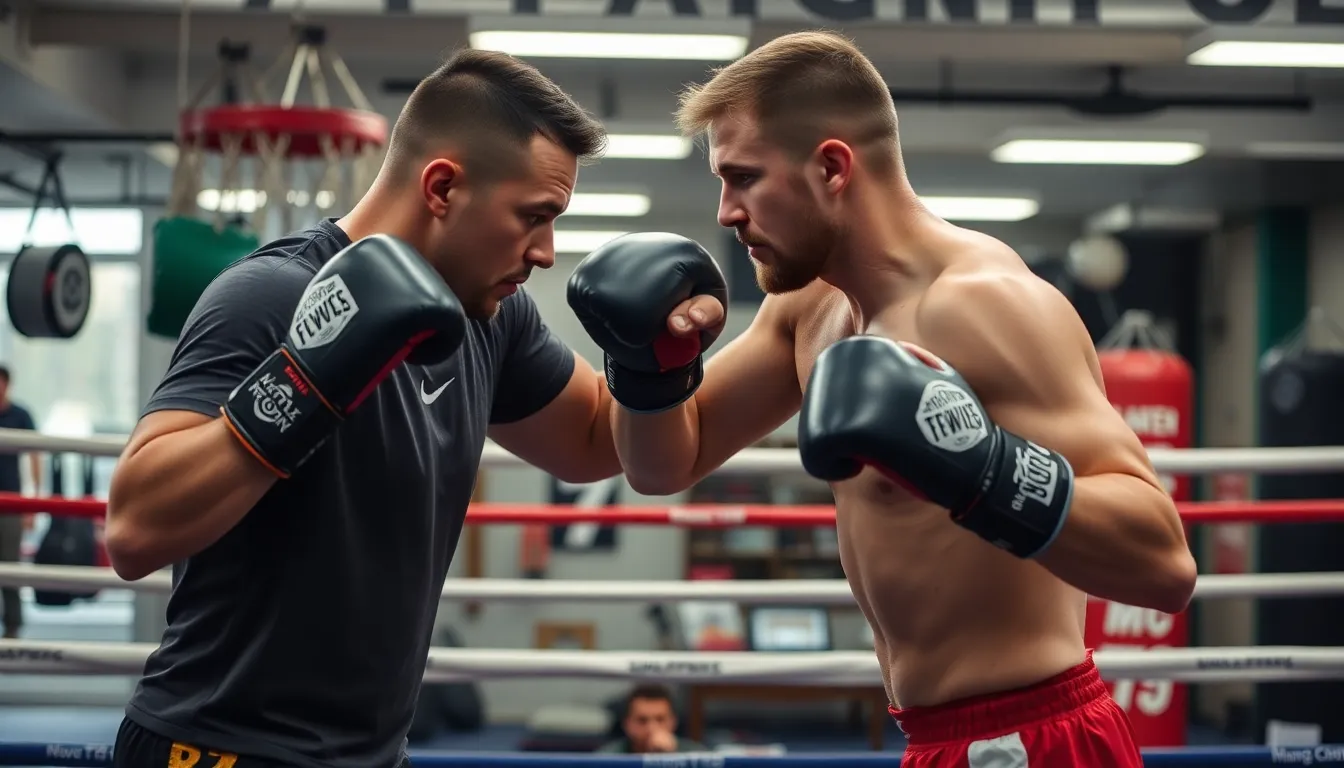
The rise of white-collar boxing can be attributed to several cultural shifts, including a growing emphasis on fitness and wellness in the corporate world. As more professionals sought ways to relieve stress and foster teamwork, boxing gyms began offering tailored programs that emphasized skill development and safety. This shift not only democratized the sport but also redefined its image, making it accessible to a broader audience.
Key milestones in white-collar boxing
Several milestones have marked the evolution of white-collar boxing, including the establishment of organizations dedicated to promoting the sport. Events like the inaugural White Collar Boxing World Championship in 2000 set a precedent, attracting participants from various professional backgrounds and showcasing their journeys from novices to competitors. These events often highlight the transformative power of boxing, illustrating how individuals can overcome personal challenges and achieve remarkable feats through dedication and training.
Furthermore, the increasing media coverage of white-collar boxing events has played a significant role in its popularity. Documentaries and reality shows have spotlighted participants’ stories, emphasizing the emotional and physical transformations experienced by those who take part. As a result, the sport has not only gained legitimacy but has also inspired many to pursue their own boxing aspirations, including the journey of Wardley, who transitioned from a white-collar participant to a world champion.
Key stakeholders and challenges faced by Wardley
In the journey of Wardley from a white-collar boxing participant to a world champion, several key stakeholders play significant roles. These include Wardley himself, his trainers, sponsors, and the boxing organizations that govern the sport. Each of these actors has distinct interests that influence the dynamics of his career and the sport at large.
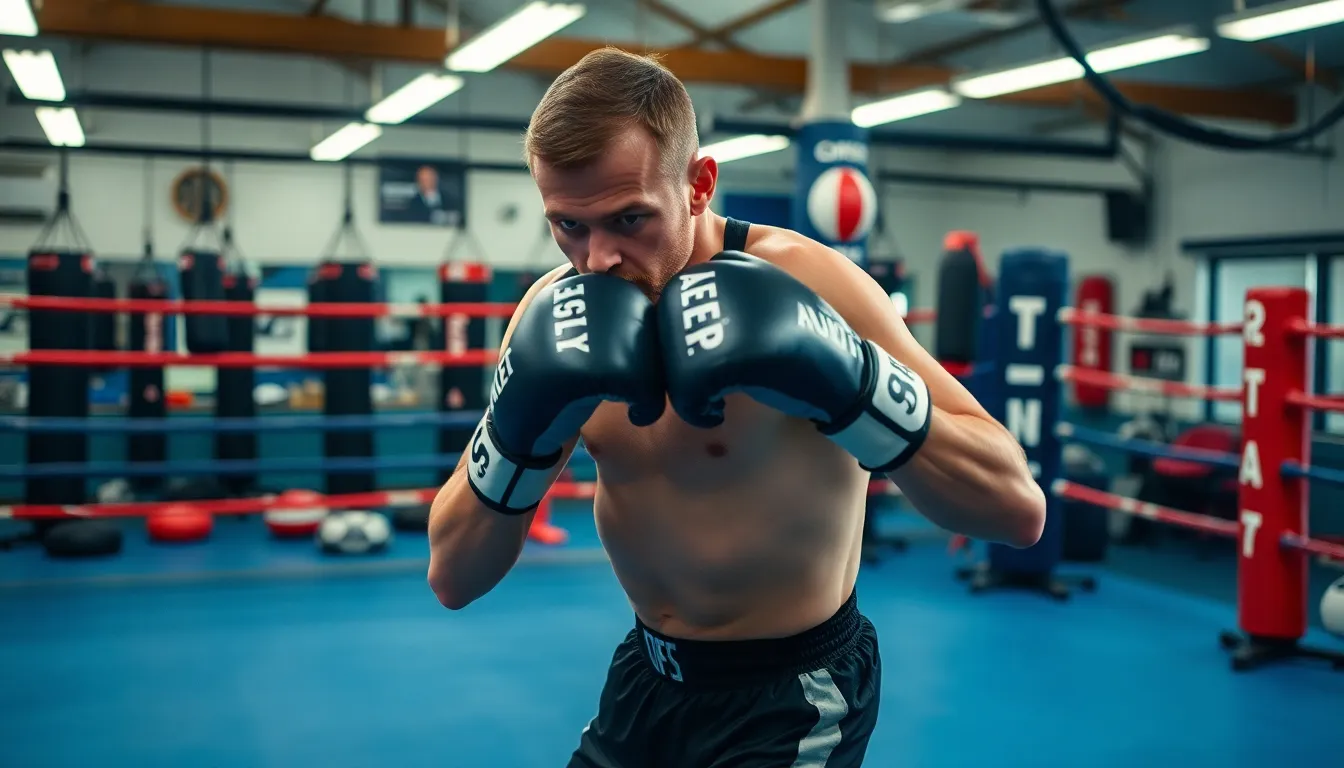
Wardley, as the main protagonist, is focused on achieving personal success and gaining recognition in the boxing world. His ambition drives him to train rigorously and seek opportunities that will elevate his status. Trainers and coaches, such as those who guide Wardley, have a vested interest in his success as it reflects their expertise and can lead to further opportunities within the sport.
Sponsors are another critical stakeholder group, as they provide financial support in exchange for marketing visibility. Their interests lie in associating with a successful athlete to enhance their brand image. However, this can lead to conflicts if the athlete’s performance does not meet expectations or if controversies arise that could tarnish the sponsor’s reputation.
Moreover, boxing organizations, which oversee regulations and rankings, face the challenge of maintaining integrity within the sport. They must balance the interests of emerging talents like Wardley with the established boxers, often leading to trade-offs in terms of matchmaking and promotional opportunities. Legal issues can arise if there are disputes over contracts or if athletes feel they are not being treated fairly.
- Wardley’s personal ambition and career growth.
- Trainers’ reputations tied to their athletes’ performances.
- Sponsors’ need for positive brand association.
- Boxing organizations’ regulatory challenges and integrity issues.
- Potential legal conflicts over contracts and athlete rights.
The impact of Wardley’s success on the boxing community
Wardley’s rise from white-collar boxing to world champion has sent ripples throughout the boxing community, affecting aspiring fighters, trainers, and promoters alike. His journey serves as an inspiration for many individuals who see boxing as a viable path to success, especially those from non-traditional backgrounds. This shift could lead to an influx of new talent entering the sport, potentially elevating the overall level of competition, much like how new approaches in sports can redefine norms.
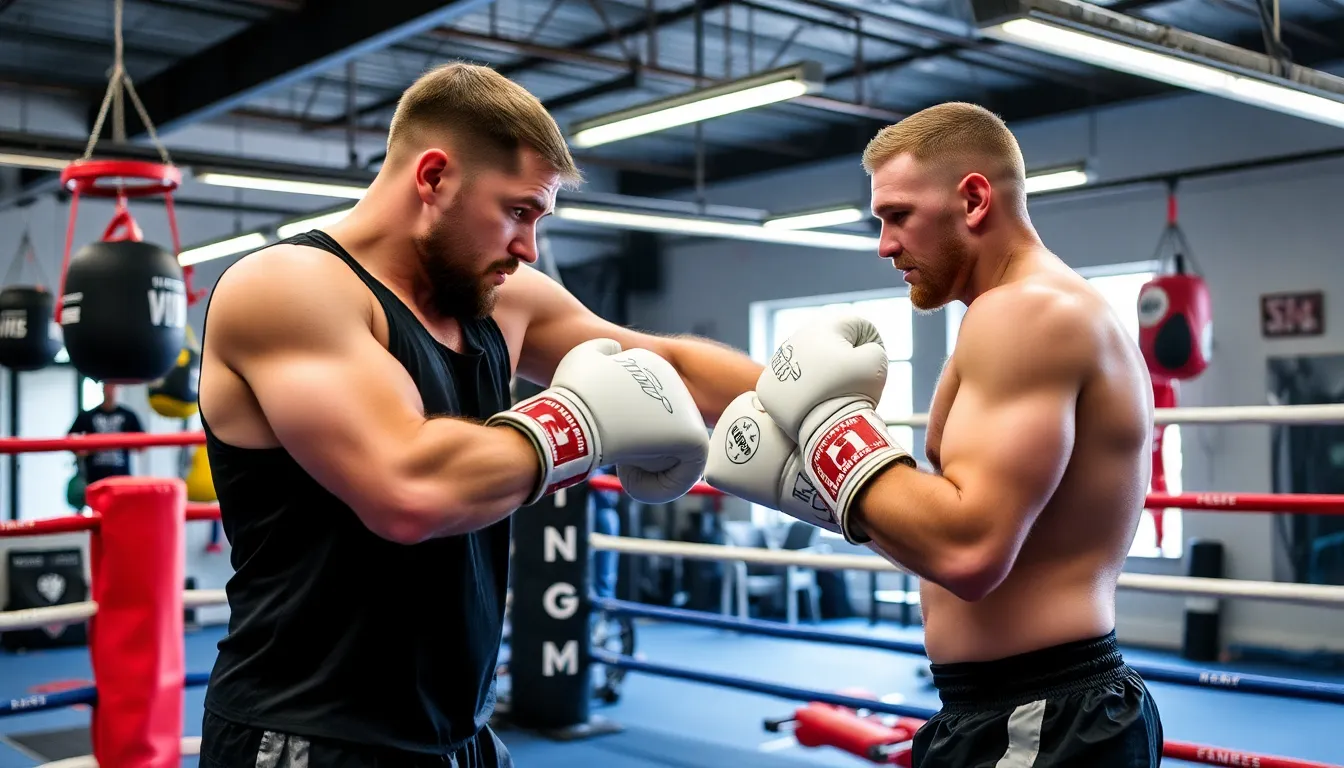
In the short term, gyms and training facilities may experience increased enrollment as people seek to emulate Wardley’s success. This surge in interest can lead to a boost in local economies, particularly in regions where boxing is a popular sport. Moreover, trainers may find new opportunities to develop programs targeting beginners and those transitioning from other sports.
Mid-term impacts could include changes in how boxing is marketed and perceived. With more attention on the sport, promoters may invest in high-profile events that showcase emerging talent. This could lead to higher revenues for the boxing industry, but it also presents risks, such as the potential for increased competition among fighters and the pressure to perform at high levels consistently.
- Increased participation: More individuals may join boxing gyms, leading to greater community engagement.
- Economic growth: Local businesses could benefit from increased foot traffic and spending related to boxing events.
- Media attention: Enhanced visibility for the sport may attract sponsorships and partnerships.
- Pressure on athletes: Rising expectations could lead to stress and burnout among fighters.
Ultimately, while Wardley’s success presents numerous opportunities for growth and development within the boxing community, it also underscores the need for sustainable practices that support both the athletes and the sport’s integrity.
A: Wardley began his boxing journey in the white-collar boxing scene, where he honed his skills and gained valuable experience before turning professional. A: Wardley faced numerous challenges including intense competition, injuries, and the pressure of transitioning from amateur to professional boxing. A: White-collar boxing is a form of boxing where individuals from non-professional backgrounds participate in matches, often for charity or personal development. A: Wardley aims to defend his title and continue to elevate his status in the boxing world, aspiring to unify titles and inspire others. A: Wardley’s journey from a non-professional background to a world champion serves as motivation for many aspiring boxers, showing that dedication can lead to success.
Frequently Asked Questions about Wardley’s journey
Key takeaways and future outlook for Wardley
Wardley’s journey from white-collar boxing to world champion exemplifies the power of determination and strategic planning in achieving personal goals. His ability to adapt and learn from each experience has not only propelled him to the top of the boxing world but also serves as a model for others seeking to excel in their respective fields. As he continues to build on his success, the implications of his journey extend beyond the ring, offering valuable lessons for aspiring athletes and professionals alike.
Looking ahead, Wardley’s evolution will be closely watched as he navigates the challenges of maintaining his champion status. The landscape of boxing is ever-changing, and his approach to training, competition, and personal branding will be critical in determining his future success. Observers should pay attention to how he leverages his platform to inspire others and whether he can continue to innovate within the sport.
- Resilience is key: Wardley’s ability to bounce back from setbacks highlights the importance of resilience in any competitive field.
- Continuous learning: His commitment to learning from each fight underscores the value of ongoing education and adaptation.
- Brand building: Wardley’s rise illustrates how personal branding can enhance visibility and opportunities in sports.
- Community engagement: His involvement in outreach initiatives shows the potential impact of athletes giving back to their communities.
- Future challenges: Observers should monitor how Wardley manages the pressures of maintaining championship status and public expectations.