
According to the new regulations, fees for park reservations have nearly doubled, prompting concern among local organizations that rely on affordable access to these venues for gatherings and performances. The choir leader, who has been organizing events in the park for several years, stated that such increases could discourage community engagement and limit opportunities for social interaction. For more information on similar community issues, visit this article.
In a recent meeting with city officials, the choir leader highlighted that many local groups operate on tight budgets and that the new fee structure could hinder their ability to host events. She emphasized the importance of public parks as vital community spaces, particularly for families looking to connect and participate in group activities.
As discussions continue, community members are calling for a review of the fee policy to ensure that it supports rather than restricts local initiatives. The choir leader’s concerns reflect a broader sentiment among residents who value accessible public spaces for recreation and community bonding. This is particularly relevant in understanding the role of public engagement in policy decisions.
Understanding the background of park fee changes
The recent confusion surrounding the park fee structure has its roots in a combination of historical policies and evolving community needs. Parks have traditionally been seen as public spaces, accessible to all, but over the years, funding for their maintenance has shifted increasingly to local governments and, subsequently, to user fees. This transition has sparked debates about the fairness and accessibility of public amenities, particularly for community groups like the Mums’ choir.
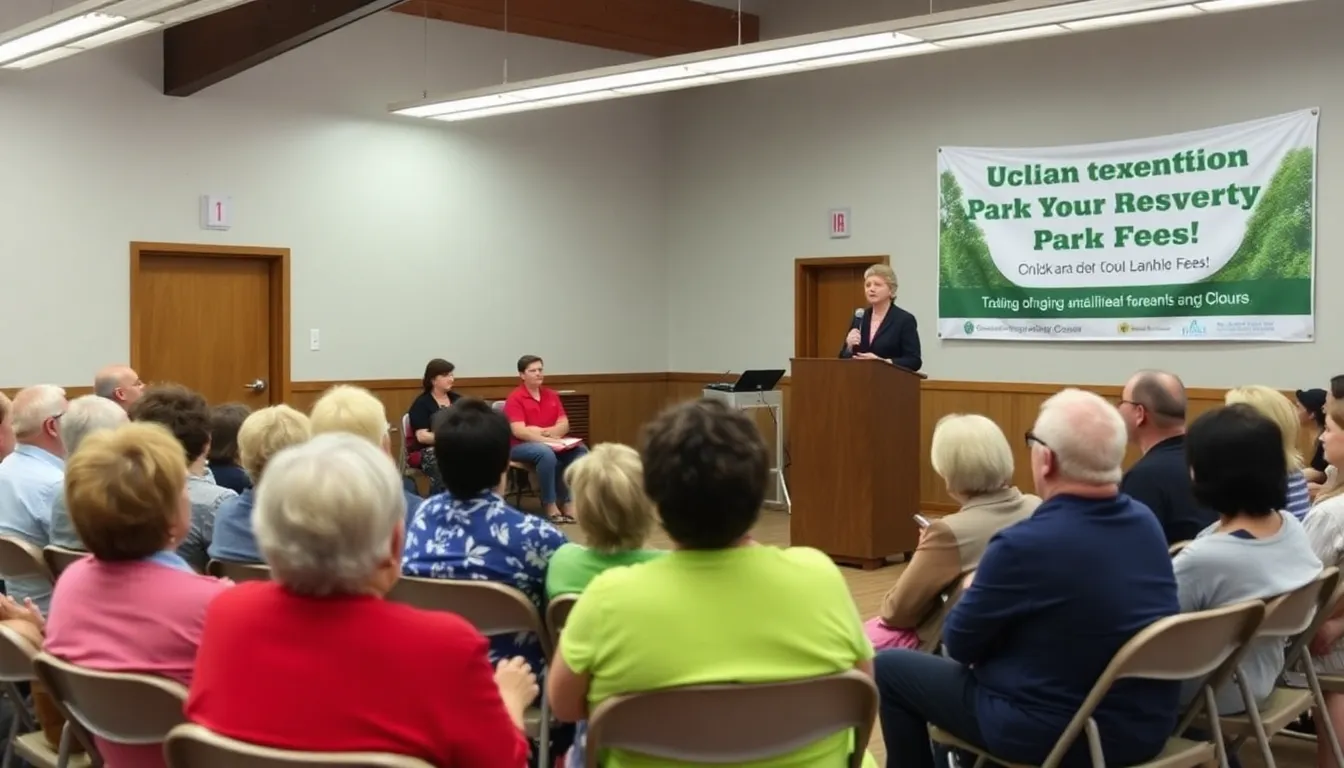
Historically, many parks were funded through taxation, allowing them to remain free to the public. However, as municipalities faced budget cuts and increased financial pressures, the reliance on user fees became more pronounced. This shift began in the late 20th century, when cities started to implement fees for park usage to cover maintenance costs. The introduction of these fees often lacked transparency, leading to confusion among users about what they were paying for and why.
The impact of community engagement
Community engagement has played a crucial role in shaping park policies. In recent years, various advocacy groups have emerged to challenge fee structures that they believe disproportionately affect low-income families and community organizations. The Mums’ choir, for instance, represents a segment of the community that relies on accessible public spaces for rehearsals and performances. Their leader’s bafflement at the current fee structure highlights a growing concern that such changes may alienate community groups and reduce participation in local cultural activities. For a look at how these dynamics play out in other community contexts, check out this piece.
Key milestones in this ongoing debate include public forums and council meetings where residents have voiced their concerns. These gatherings have often resulted in temporary suspensions of fee increases or revisions to fee structures, but the underlying issues remain unresolved. As local governments continue to grapple with budget constraints, the challenge of balancing financial sustainability with community accessibility persists, leaving many groups, including the Mums’ choir, in a state of uncertainty.
Exploring the implications of the fee structure on community groups
The recent controversy surrounding the park fee structure has raised significant concerns among local community groups, particularly the Mums’ choir, which relies on public spaces for rehearsals and performances. The choir leader’s bafflement highlights the disconnect between community needs and local government policies. Understanding the stakeholders involved is crucial for navigating the complexities of this issue.
Key actors in this situation include the local government, which is responsible for setting and enforcing park fees, and community organizations like the Mums’ choir, which serve to foster social cohesion and cultural expression. The interests of these groups often clash; while the government seeks to generate revenue and maintain park facilities, community groups strive for affordable access to public spaces that support their activities.
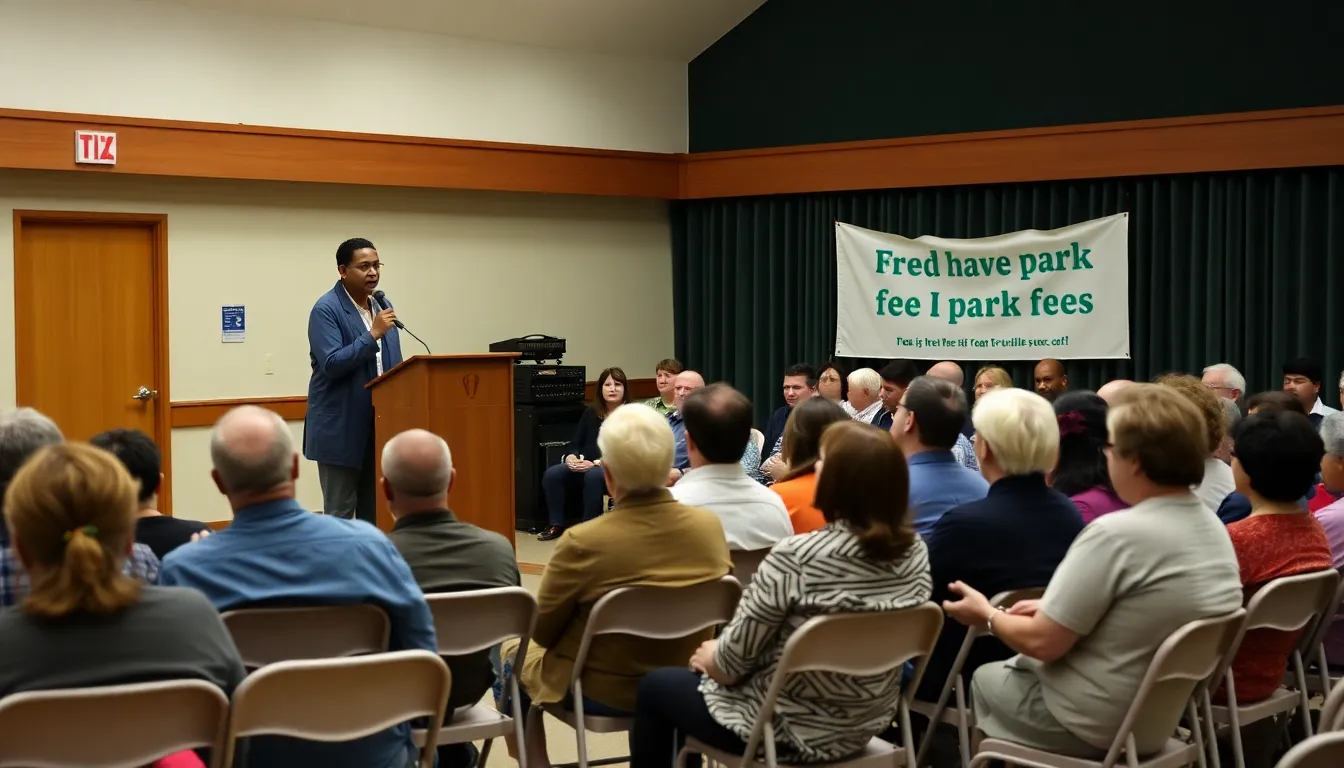
Several key issues have emerged from this situation:
- Financial Burden: Increased fees can strain the budgets of community groups, leading to reduced participation and potential disbandment.
- Access to Public Spaces: The fee structure may limit access for lower-income families, undermining the inclusive spirit of community initiatives.
- Policy Transparency: A lack of clarity regarding how fees are determined can lead to frustration among community members and a sense of alienation.
- Negotiation Opportunities: There may be potential for dialogue between the government and community groups to establish a more equitable fee structure.
Ultimately, the resolution of these conflicts will require a careful balancing act between the financial realities faced by local governments and the cultural and social values upheld by community organizations. Engaging in open discussions may pave the way for solutions that benefit all parties involved, fostering a stronger sense of community in the process.
How the fee changes affect local choirs and community engagement
The recent adjustments to park fee structures have raised concerns among various groups, particularly local choirs and community organizations. Choir leaders, like the one from the Mums’ choir, find themselves grappling with unexpected financial burdens that could hinder their ability to practice and perform in public spaces. This situation not only impacts the choirs themselves but also the broader community that benefits from their cultural contributions.
In the short term, choirs may face increased operational costs, leading to potential reductions in membership or even the cancellation of performances. This could diminish community engagement as fewer public events are held, which in turn affects local businesses that rely on foot traffic generated by these events. The ripple effect could be felt across various sectors, including hospitality, retail, and tourism.
In the mid-term, there may be a shift in policy as community leaders and local governments reassess the fee structures to balance revenue generation with community needs. This could present an opportunity for advocacy groups to push for more supportive measures that foster artistic expression and community cohesion. Engaging with policymakers could lead to the establishment of more favorable terms for non-profit organizations, allowing them to thrive in public spaces.
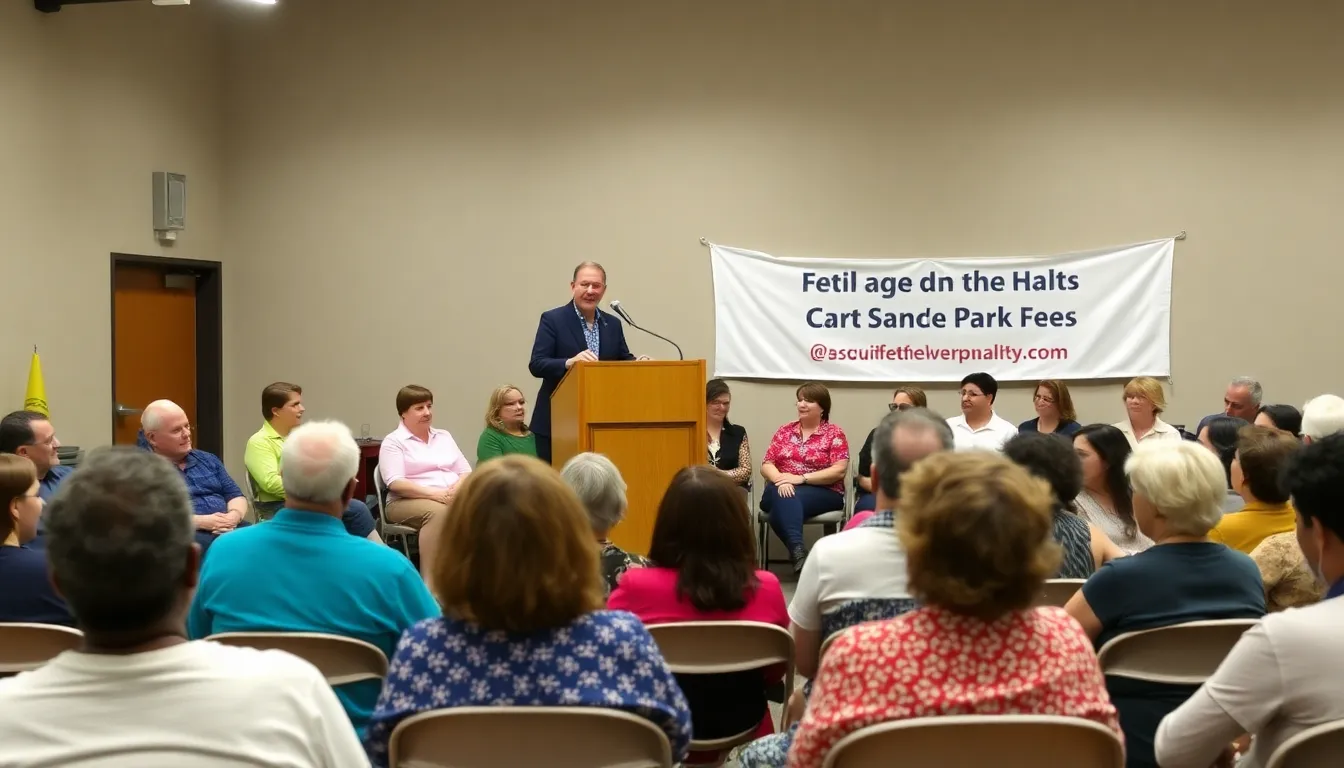
- Increased operational costs for local choirs.
- Reduced community engagement due to fewer public performances.
- Potential policy shifts that could benefit non-profit organizations.
- Opportunities for advocacy to create supportive measures for arts and culture.
While the immediate impacts may seem daunting, there is potential for community members to rally together, fostering a renewed sense of solidarity and creativity. This could lead to innovative fundraising efforts and collaborations that bolster the arts sector, ultimately enriching local culture and strengthening community ties.
A: The new park fees include increased charges for using public spaces, which have raised concerns among local community groups. A: The changes are part of a broader initiative by the local council to manage park maintenance costs and improve facilities. A: The increased fees may limit access for community groups, potentially reducing participation in local events and activities. A: Yes, community groups can submit feedback to the council during public consultations to voice their concerns. A: The choir can organize discussions with local authorities and seek support from other community groups to advocate for fair fees.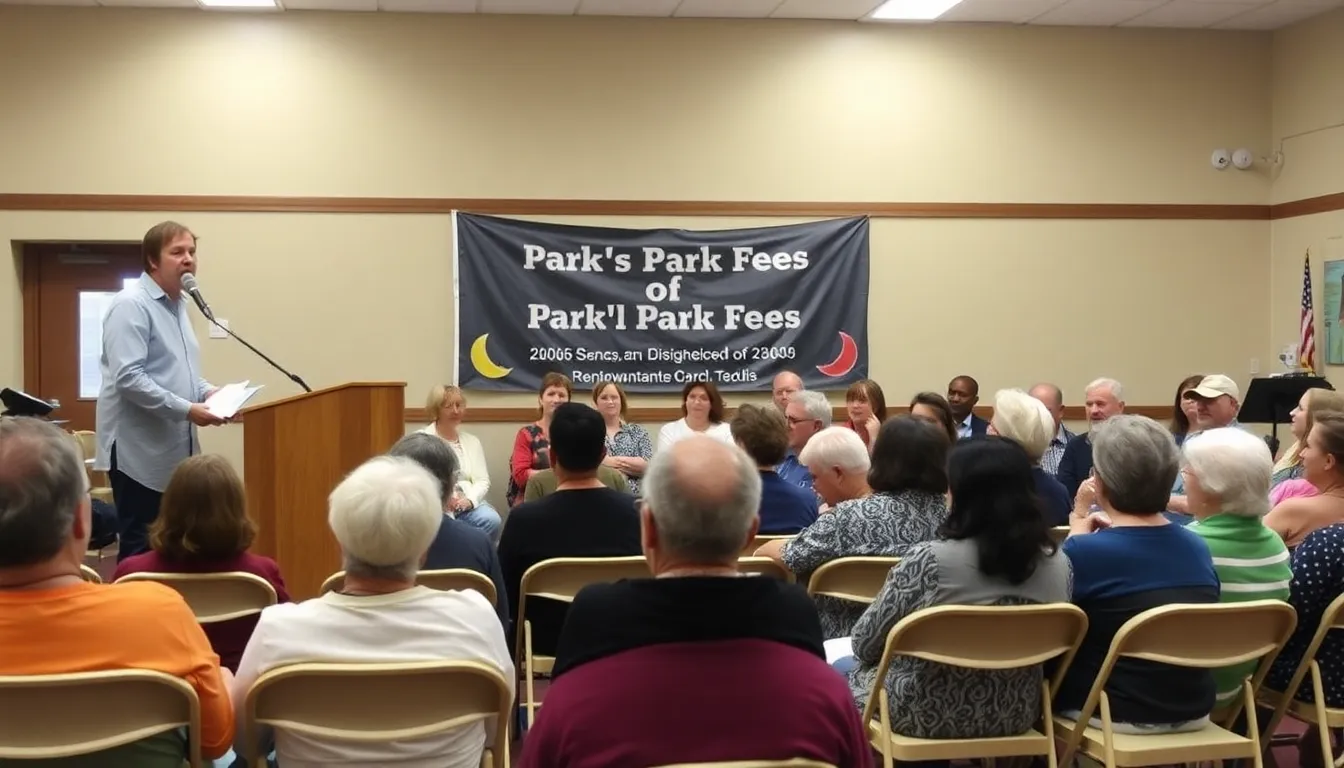
Frequently asked questions about park fees and community use
Key takeaways and future outlook on park fees
The recent concerns raised by the choir leader regarding the park fee structure highlight the complexities and challenges faced by community organizations in managing public spaces. As local councils navigate budget constraints and community needs, transparency and clarity in fee arrangements become increasingly vital. This situation not only affects the choir’s ability to perform but also raises broader questions about accessibility and support for local arts initiatives.
Moving forward, stakeholders must consider how fee structures can be adjusted to foster community engagement while ensuring financial sustainability. The dialogue initiated by this incident could pave the way for more inclusive policies that benefit both local organizations and the communities they serve.
- Communities should advocate for clearer communication from local councils regarding fee structures for public spaces.
- Regular reviews of park fees may help ensure they align with community needs and support local initiatives.
- Engagement with community organizations can provide valuable insights into the impact of fees on accessibility and participation.
- Exploring alternative funding sources or sponsorships could alleviate financial pressures on local arts groups.
- Encouraging dialogue between local government and community leaders may lead to more equitable solutions in public space usage.