
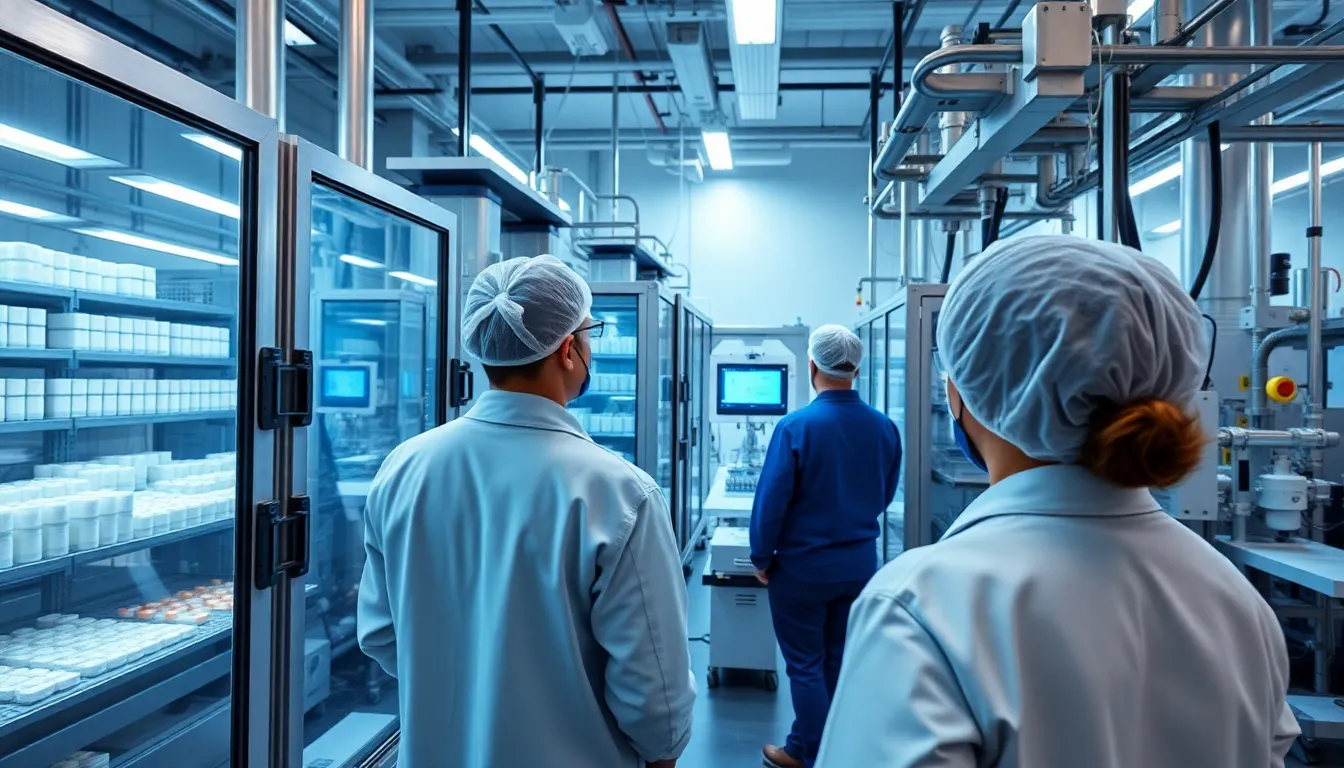
One notable exception in this trend is a prominent American drugmaker that has successfully implemented AI technologies in its production processes. This company has leveraged AI to streamline operations, improve quality control, and accelerate drug development timelines, making it a standout case study for how AI can be effectively utilized in the manufacturing sector, showcasing tangible results that could encourage other factories to follow suit.
Industry experts emphasize the importance of adopting AI to keep pace with global competitors. They argue that failing to embrace these technologies could hinder productivity and innovation in the long run. As the manufacturing sector grapples with labor shortages and rising costs, the integration of AI, such as seen in certain leading companies, is seen as a critical step toward sustaining growth and maintaining a competitive edge.
Furthermore, the current landscape presents an opportunity for companies willing to invest in AI solutions. With advancements in machine learning and automation, firms can enhance their operational capabilities, ultimately leading to improved profitability. The ongoing dialogue about AI in manufacturing highlights the need for a strategic approach to technology adoption, particularly as the industry faces evolving challenges.
Understanding the landscape of A.I. in manufacturing
The integration of artificial intelligence (A.I.) into manufacturing processes has been gradual, influenced by a multitude of historical, political, and economic factors. The American manufacturing sector has long been a cornerstone of the economy, but it has faced significant challenges in adapting to new technologies. While industries in other countries, particularly in Asia and Europe, have rapidly embraced automation and A.I., American factories have lagged behind, often due to a combination of regulatory hurdles and a reluctance to invest in new technologies.
Historically, the manufacturing industry in the United States has been characterized by a strong emphasis on traditional methods and practices. The post-World War II era saw significant growth in manufacturing jobs, but the 1980s and 1990s marked a decline as companies began outsourcing production to countries with lower labor costs. This shift not only affected the workforce but also slowed the adoption of advanced technologies, as many American manufacturers prioritized cost-cutting over innovation.
In recent years, the political landscape has also played a role in shaping the adoption of A.I. in manufacturing. Policies aimed at protecting American jobs often focus on preserving traditional manufacturing roles rather than investing in technological advancement. This has created a paradox where the very industries that could benefit from A.I. are hesitant to embrace it, fearing job losses and negative public perception.
The rise of A.I. in global manufacturing
Globally, countries like China and Germany have made significant strides in implementing A.I. within their manufacturing sectors. China, in particular, has positioned itself as a leader in A.I. technology, with government initiatives aimed at transforming its manufacturing capabilities. In contrast, American companies have often struggled to keep pace, leading to a growing concern about competitiveness in the global market. However, some companies, like the featured drugmaker, have recognized the potential of A.I. to enhance efficiency and productivity, setting a precedent for others to follow, much like the recent advancements noted in other industries embracing technology.
This lag in adoption highlights the need for a cultural shift within the American manufacturing sector, where embracing innovation and technology is essential for survival in an increasingly competitive global landscape. As companies begin to see the benefits of A.I., it may pave the way for a new era in manufacturing, one where efficiency and technological advancement take precedence over traditional practices.
Key stakeholders and challenges in A.I. implementation
The landscape of A.I. adoption in American factories is shaped by various stakeholders, including manufacturers, technology companies, labor unions, and government entities. Each of these actors has distinct interests that influence their approach to A.I. integration. For instance, manufacturers seek to enhance productivity and reduce costs, while technology companies aim to expand their market share and demonstrate the efficacy of their innovations.
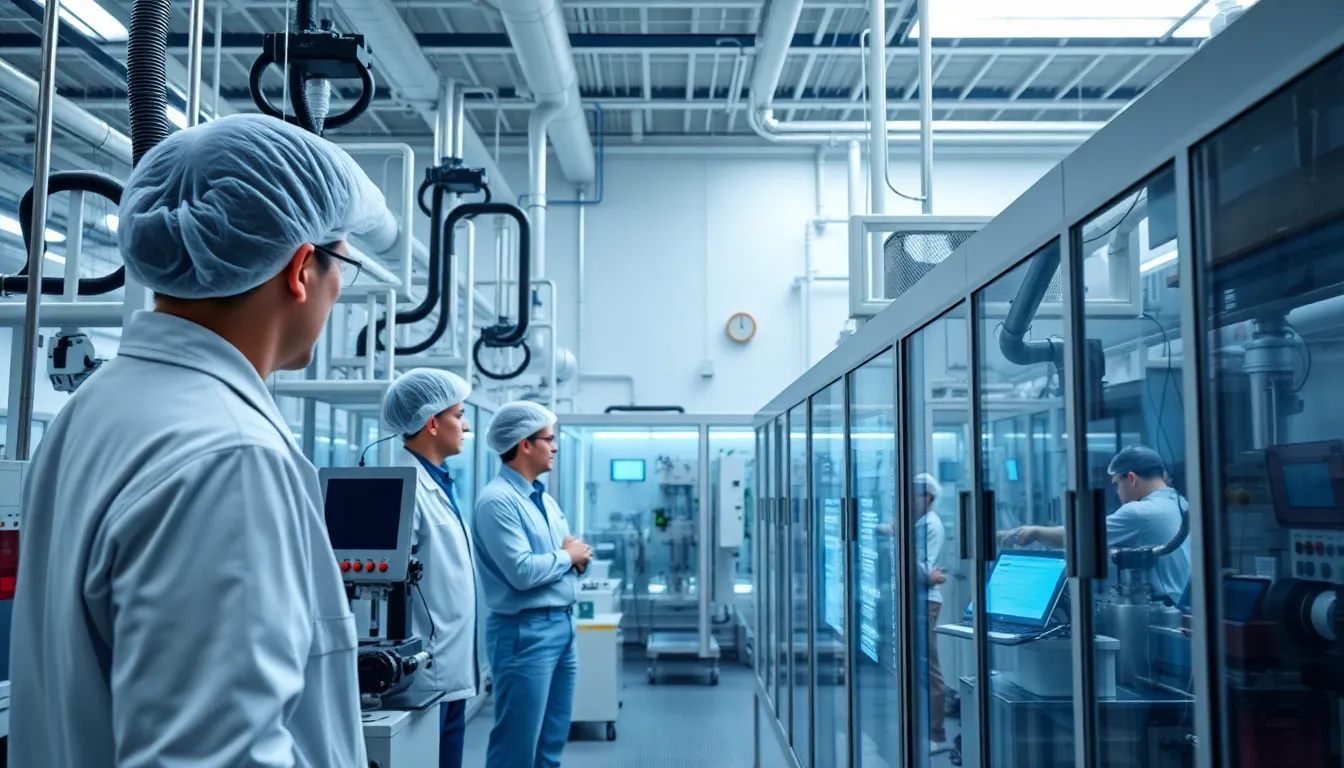
Labor unions represent the workforce’s interests, advocating for job security and fair labor practices in the face of automation. Their concerns often revolve around the potential displacement of workers due to A.I. technologies. Government entities, on the other hand, focus on creating policies that encourage innovation while safeguarding employment and ensuring ethical standards in A.I. deployment.
Key issues arise from the differing priorities of these stakeholders, leading to potential conflicts and trade-offs. For example, while manufacturers may prioritize rapid A.I. integration for competitive advantage, labor unions may resist such changes without adequate protections for workers. This tension can hinder the overall progress of A.I. adoption in the manufacturing sector.
- Economic impact: The shift towards A.I. may lead to increased productivity but also raises concerns about job losses.
- Legal considerations: There are ongoing debates about regulations that govern the use of A.I. in the workplace and the implications for employee rights.
- Technological disparities: Not all manufacturers have the same access to A.I. technologies, creating a divide between those who can innovate and those who cannot.
- Training and education: The need for upskilling the workforce to adapt to new technologies is critical to mitigate the risks associated with A.I. adoption.
- Ethical concerns: The use of A.I. raises questions about privacy, decision-making transparency, and accountability in manufacturing processes.
As A.I. continues to evolve, the interplay between these stakeholders will be crucial in shaping the future of American manufacturing. Understanding their motivations and the challenges they face is essential for navigating the complexities of A.I. implementation in this sector.
How A.I. adoption affects the manufacturing sector
The adoption of artificial intelligence (A.I.) in the manufacturing sector is a pivotal development that impacts various groups, industries, and regions. Traditional manufacturing companies, particularly in the United States, are facing challenges in integrating A.I. technologies, which can lead to a competitive disadvantage. In contrast, companies like the highlighted drugmaker are setting a precedent by embracing A.I., thus reshaping the landscape of the industry.
Regions with a strong manufacturing presence, such as the Midwest, may experience significant shifts in employment dynamics. As A.I. technologies are adopted, there may be a short-term reduction in jobs that involve repetitive tasks, while mid-term opportunities could arise in fields requiring advanced technical skills. This transition can lead to workforce displacement, necessitating retraining programs to equip workers with the necessary skills for emerging roles.
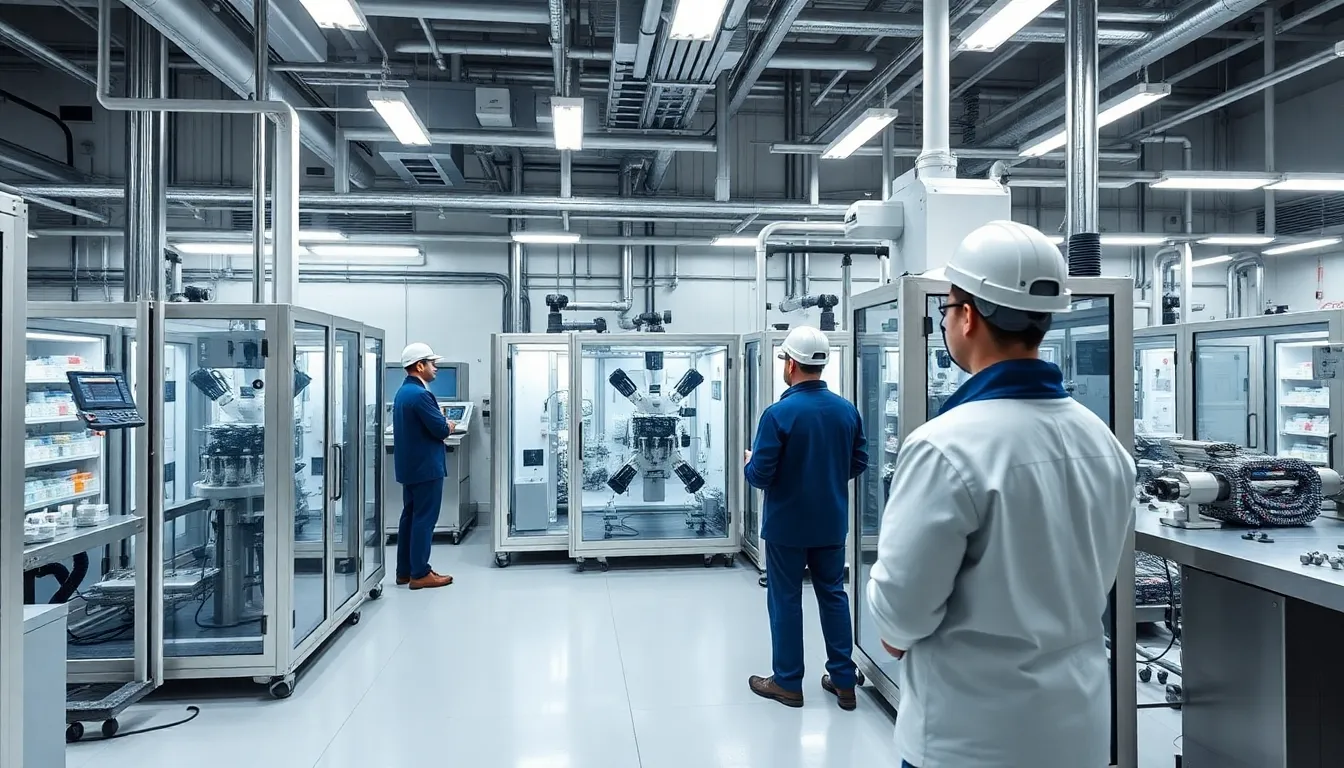
In the broader context, the impact of A.I. adoption extends to various stakeholders, including suppliers, customers, and policymakers. Businesses that successfully integrate A.I. can enhance productivity and efficiency, leading to cost reductions and potentially lower prices for consumers. However, there are risks associated with this shift, including cybersecurity threats and the ethical implications of A.I. decision-making.
- Short-term impacts: Job displacement in repetitive roles, increased operational efficiency.
- Mid-term impacts: Creation of new job opportunities, demand for skilled labor, potential shifts in regional economic power.
- Risks: Cybersecurity vulnerabilities, ethical concerns regarding A.I. usage.
- Opportunities: Enhanced productivity, competitive advantage for early adopters, lower consumer prices.
As A.I. continues to evolve, the manufacturing sector must navigate these challenges and opportunities, shaping the future of work and industry standards. The drugmaker’s success in A.I. adoption serves as a case study for others, illustrating both the potential benefits and the need for a strategic approach to technology integration.
A: Several factors contribute to this lag, including high costs, lack of skilled workforce, and resistance to change within established companies. A: A.I. can enhance efficiency, reduce operational costs, and improve product quality by enabling predictive maintenance and automation. A: The article highlights a specific drugmaker that has effectively integrated A.I. technologies into their operations, setting a benchmark for others. A: Companies often encounter challenges such as integration with existing systems, data privacy concerns, and the need for employee training. A: While A.I. can lead to job displacement in some areas, it also creates new roles that require advanced skills, necessitating workforce retraining.
Frequently asked questions about A.I. in manufacturing
Looking ahead: The future of A.I. in American manufacturing
The slow adoption of A.I. technologies in American factories presents both challenges and opportunities. While many manufacturers hesitate to integrate advanced technologies, the example set by innovative companies like the highlighted drugmaker demonstrates the potential benefits of embracing A.I. From improved efficiency to enhanced product quality, the implications of A.I. adoption are significant. As the landscape evolves, it will be crucial for other manufacturers to assess their strategies and consider how they can leverage technology to stay competitive.
Monitoring the progress of A.I. implementation in manufacturing will provide valuable insights into the broader economic landscape. Companies that successfully adopt these technologies may not only improve their operations but also influence industry standards and practices. Observing the outcomes of early adopters will offer lessons for those still on the fence about A.I. integration.
- Increased Efficiency: Companies that adopt A.I. may see significant improvements in operational efficiency, reducing costs and production times.
- Enhanced Quality Control: A.I. can lead to better quality assurance processes, minimizing defects and improving overall product reliability.
- Workforce Transformation: The integration of A.I. may require reskilling of the workforce, creating new job opportunities while phasing out certain roles.
- Competitive Advantage: Early adopters of A.I. technologies could gain a significant edge in the market, influencing competitors to follow suit.
- Industry Standards: Successful implementation of A.I. in one sector could set new benchmarks for others, pushing the entire industry towards modernization.