
Manufacturers are struggling to keep up with the increasing orders, exacerbated by ongoing supply chain disruptions. The global semiconductor shortage, which has affected various industries, is particularly detrimental to the production of air-conditioning units. As a result, many retailers are facing delays and stock shortages, leaving customers frustrated and seeking alternatives. For a deeper understanding of economic fluctuations, check out Ford Reports Higher Profit Amid Tariff Refunds.
The situation is further complicated by rising energy costs and environmental concerns. Governments across the region are urging citizens to limit their energy consumption during peak hours, while also promoting energy-efficient technologies. However, the immediate need for cooling solutions is driving many to purchase air-conditioning units despite these warnings.
Industry experts predict that the shortage may persist for several months, as manufacturers work to ramp up production. With the summer season still underway, the combination of high demand and limited supply raises concerns about public health and safety, particularly for vulnerable populations. The current crisis highlights the urgent need for sustainable solutions to cope with extreme weather conditions in the future.
Understanding the factors contributing to the air-conditioning crisis in Asia
As temperatures in Asia reach unprecedented highs, the demand for air-conditioning units has surged dramatically. This situation is not merely a result of the rising mercury; rather, it is a culmination of various historical, economic, and social factors that have shaped the region’s reliance on cooling systems.
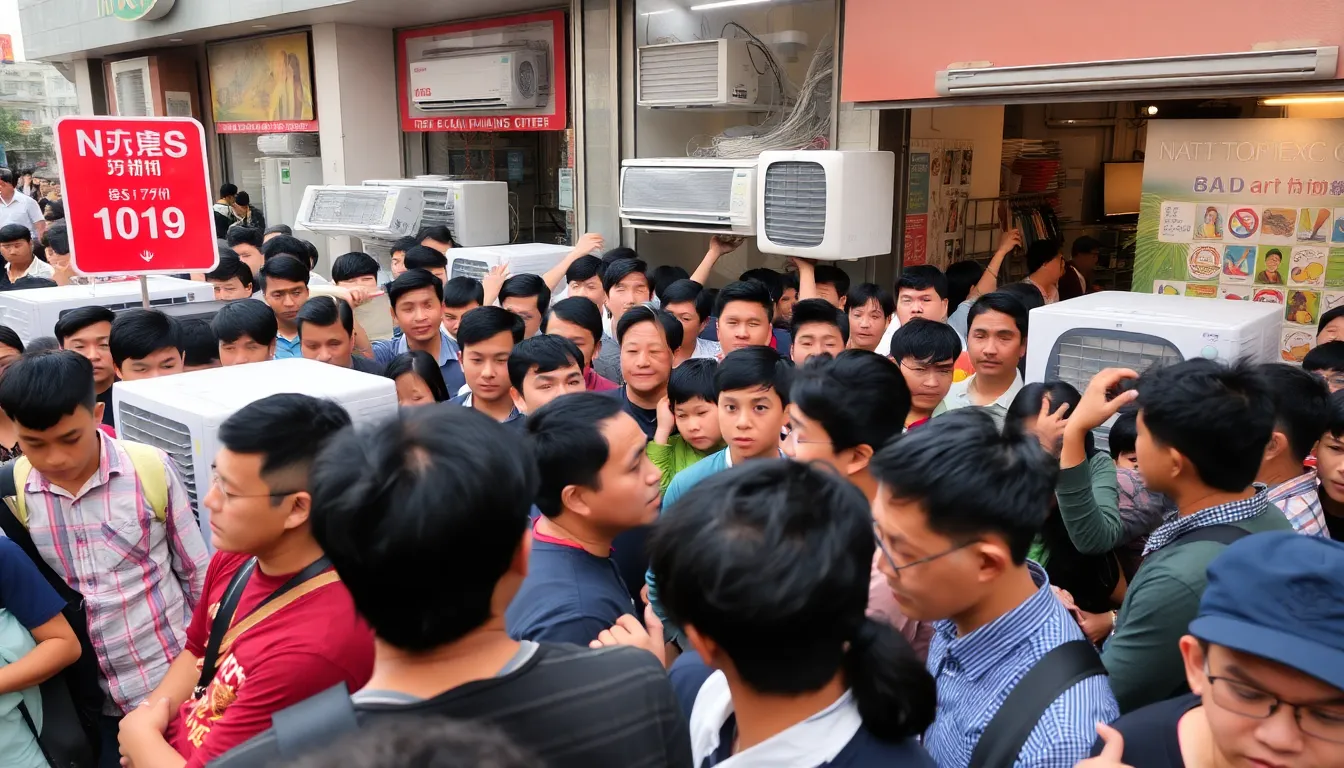
Historically, many Asian countries have experienced rapid urbanization and industrialization over the past few decades. As cities expanded and populations grew, the need for efficient cooling solutions became essential for both residential and commercial spaces. The rapid increase in disposable income among the middle class has further fueled this demand, making air-conditioning units a common household item. This trend is part of a broader shift that can also be seen in global markets, as highlighted by OPEC Plus to Increase Oil Production in a Symbolic Gesture.
Economic Factors and Supply Chain Disruptions
The COVID-19 pandemic brought significant disruptions to global supply chains, affecting the production and distribution of air-conditioning units. Factories faced shutdowns, and shipping delays became commonplace, leading to a shortage of essential components. As countries began to recover and demand surged, manufacturers struggled to keep up, resulting in a backlog that has yet to be resolved.
Furthermore, the rising costs of raw materials, exacerbated by geopolitical tensions and trade disputes, have made it increasingly challenging for manufacturers to produce air-conditioning units at affordable prices. This economic strain has led to higher prices for consumers, creating a situation where many are unable to invest in cooling solutions despite the urgent need.
Socially, the increasing awareness of climate change and its impacts has prompted governments to promote energy-efficient technologies. However, the transition to greener alternatives has been slow, and the existing infrastructure often fails to support the growing demand for air-conditioning. As a result, many regions are caught in a cycle of high demand and limited supply, further intensifying the crisis.
Key stakeholders and issues surrounding the air-conditioning supply chain
The current shortage of air-conditioning units in Asia highlights a complex network of stakeholders, each with distinct interests and concerns. Key players include manufacturers, suppliers, government agencies, and consumers. As temperatures rise, the demand for cooling solutions intensifies, placing pressure on the supply chain and revealing underlying vulnerabilities.
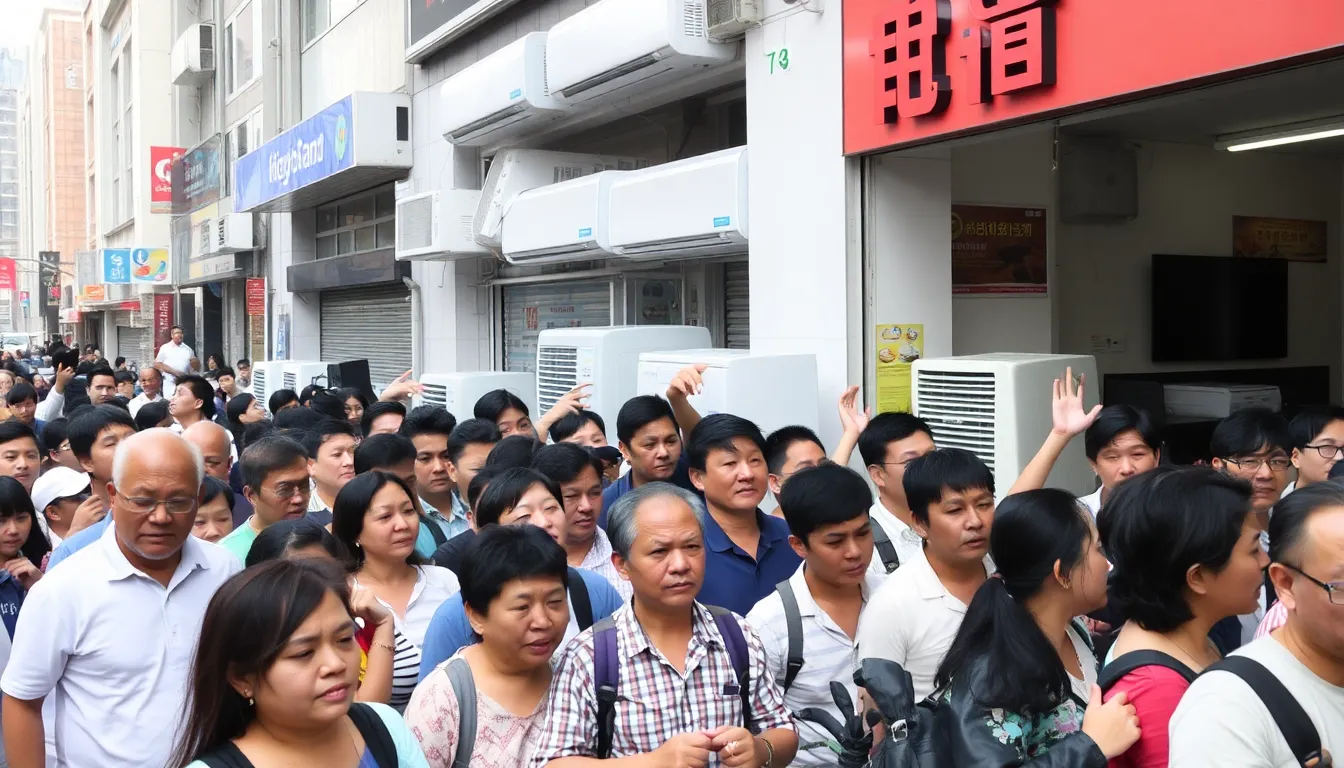
Manufacturers, such as major air-conditioning brands, are grappling with increased production costs due to rising raw material prices and supply chain disruptions. Their primary interest lies in maintaining profitability while meeting consumer demand. However, many are facing challenges in sourcing components, leading to delays and reduced output.
Governments across Asia are also significant stakeholders, as they must balance public health concerns with economic stability. With soaring temperatures, the need for air-conditioning becomes a public safety issue, prompting some governments to implement policies aimed at increasing production and distribution. However, these measures can conflict with environmental regulations and sustainability goals. This balancing act parallels challenges faced in other sectors, as discussed in Deadly Russian Strikes Hit Ukrainian Cities.
- Trade-offs between supply and demand: The surge in demand for air-conditioning units may lead to prioritizing certain markets or regions, potentially leaving others underserved.
- Economic implications: Rising prices for air-conditioning units could disproportionately affect lower-income households, exacerbating existing inequalities.
- Environmental concerns: The increased production of air-conditioning units raises questions about energy consumption and carbon emissions, leading to potential regulatory conflicts.
- Consumer behavior: As awareness of climate change grows, consumers may seek more sustainable options, impacting traditional manufacturers.
In summary, the air-conditioning supply chain in Asia is influenced by a web of stakeholders whose interests often conflict. The resolution of these issues will require careful negotiation and strategic planning to ensure that the needs of all parties are addressed while also considering broader environmental impacts.
The impact of air-conditioning shortages on consumers and businesses
The ongoing shortage of air-conditioning units in Asia has far-reaching implications for various groups, particularly consumers and businesses. With temperatures soaring in many regions, households are struggling to keep cool, while businesses face disruptions that could impact their operations and profitability.
Households in urban areas are among the hardest hit, as families are forced to endure uncomfortable living conditions. The lack of available units has led to increased prices, making it difficult for lower-income families to afford cooling solutions. In addition, the health risks associated with extreme heat, such as heat exhaustion and heat stroke, are becoming more prevalent.
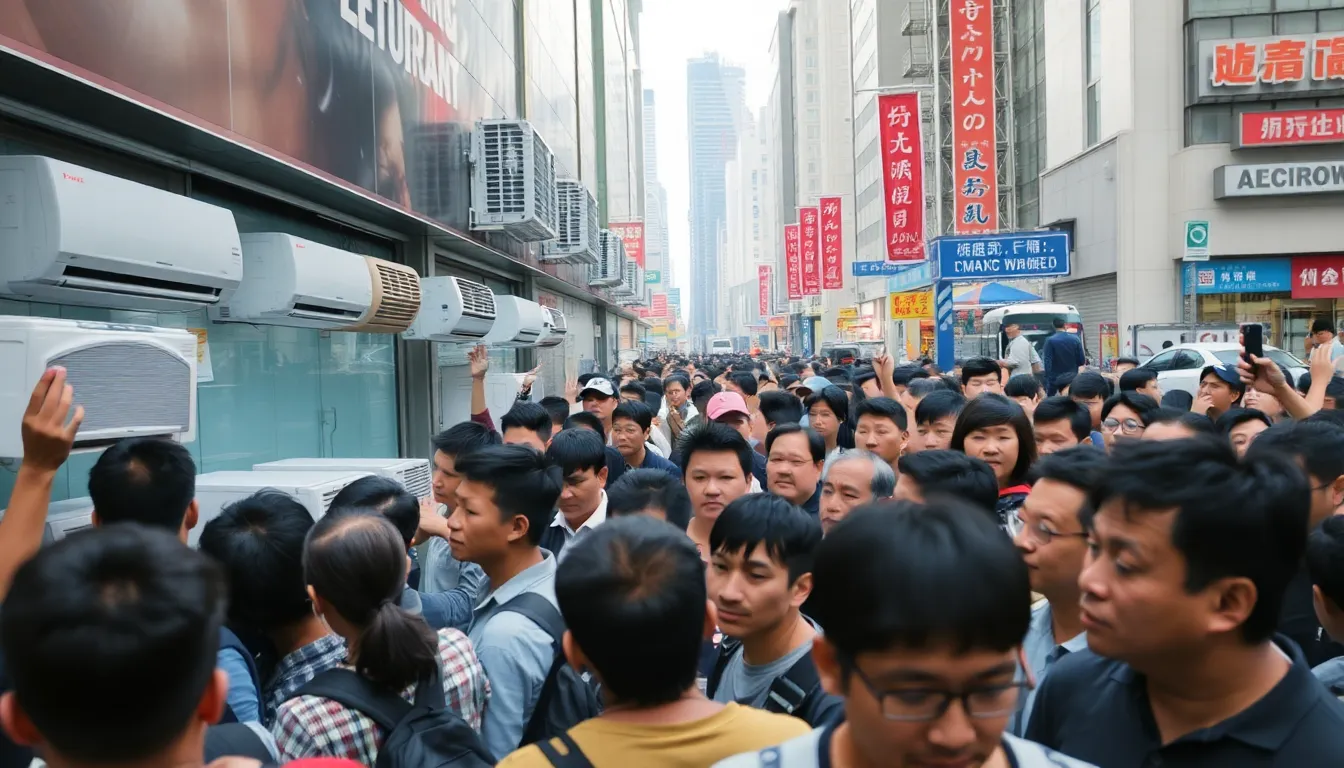
Industries reliant on air-conditioning, such as hospitality, retail, and manufacturing, are also feeling the strain. Hotels and restaurants are experiencing reduced customer satisfaction due to inadequate cooling, which can lead to declining revenues. Furthermore, manufacturing plants that require temperature control for machinery are facing operational challenges, potentially leading to delays and increased costs.
- Short-term impacts: Increased prices for air-conditioning units and rising health risks.
- Mid-term impacts: Potential decline in business revenues and operational challenges for affected industries.
- Risks: Heightened health issues and economic strain on vulnerable populations.
- Opportunities: Growth in alternative cooling technologies and increased awareness of energy-efficient solutions.
As the situation evolves, policymakers may need to consider regulatory measures to address supply chain issues and ensure equitable access to cooling solutions. This could involve incentivizing local production of air-conditioning units or promoting energy-efficient alternatives that can help mitigate future shortages.
A: The shortage is primarily due to increased demand driven by extreme heat waves, supply chain disruptions, and manufacturing delays. A: Consumers are facing higher prices and limited availability of air-conditioning units, making it difficult to cope with rising temperatures. A: Manufacturers are ramping up production and exploring alternative supply sources, but it may take time to meet the overwhelming demand. A: Some governments are considering subsidies or incentives for manufacturers to increase production and alleviate shortages. A: Consumers can explore options such as portable air coolers, fans, and other cooling methods to manage heat until air-conditioning units become available.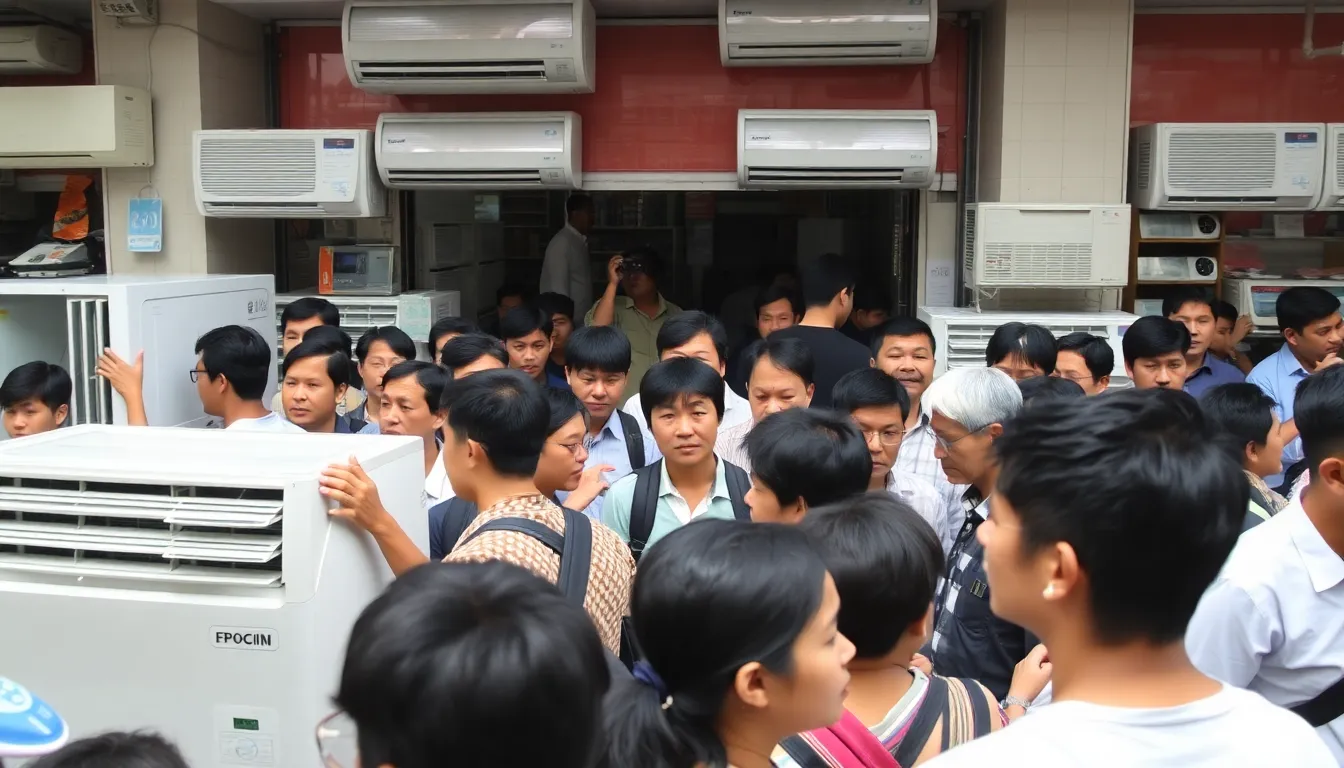
Frequently asked questions about air-conditioning shortages in Asia
Future outlook on air-conditioning supply and demand in Asia
The ongoing heatwave across Asia has intensified the demand for air-conditioning units, leading to significant supply shortages. As temperatures rise, consumers and businesses alike are increasingly reliant on cooling solutions, which has created a strain on manufacturers and distributors. This situation highlights the need for adaptive strategies in both production and distribution to meet the growing demand in the region.
Looking ahead, stakeholders in the air-conditioning industry must navigate a complex landscape of supply chain challenges and fluctuating consumer needs. Innovations in energy-efficient technologies and alternative cooling methods may offer pathways to alleviate some of the pressure on traditional air-conditioning systems. Additionally, understanding regional climate patterns will be crucial for anticipating future demand spikes.
- Monitor supply chain disruptions that may impact air-conditioning availability.
- Watch for innovations in energy-efficient and alternative cooling technologies.
- Consider the implications of climate change on regional temperature trends and air-conditioning demand.
- Stay informed about government policies and incentives aimed at promoting sustainable cooling solutions.
- Evaluate the potential for increased competition among manufacturers to drive innovation and improve supply resilience.