
Sim, whose real name was José García Ramos, was active in the anarchist movement and used his art to advocate for social justice and workers’ rights. His illustrations depicted not only the brutality of combat but also the everyday lives of soldiers and civilians affected by the war. By portraying the human cost of the conflict, Sim’s art served as a poignant reminder of the personal stories behind the broader historical events, similar to the way Eric Walrond captured his narratives in his stories.
Currently, there is a renewed interest in Sim’s work as historians and art enthusiasts seek to understand the impact of visual art on public perception during times of conflict. Exhibitions showcasing his illustrations and discussions about their historical context are becoming more prevalent. This resurgence highlights the importance of artistic expression in documenting and interpreting historical events, particularly those as significant as the Spanish Civil War.
The significance of Sim’s illustrations extends beyond their historical context; they resonate with contemporary issues of war and conflict. As societies grapple with the consequences of violence and the plight of displaced individuals, Sim’s work serves as a reminder of the enduring power of art to communicate complex emotions and truths. His legacy continues to inspire new generations to engage with history through creative means.
The historical backdrop of the Spanish Civil War and its impact on art
The Spanish Civil War (1936-1939) was a pivotal conflict that arose from deep-seated political, social, and economic tensions in Spain. The war was fought between the Republicans, who were a coalition of leftist groups including anarchists, communists, and socialists, and the Nationalists, led by General Francisco Franco, who aimed to establish a fascist regime. The backdrop of this conflict was characterized by widespread social unrest, economic disparity, and political polarization, which had been brewing for decades.
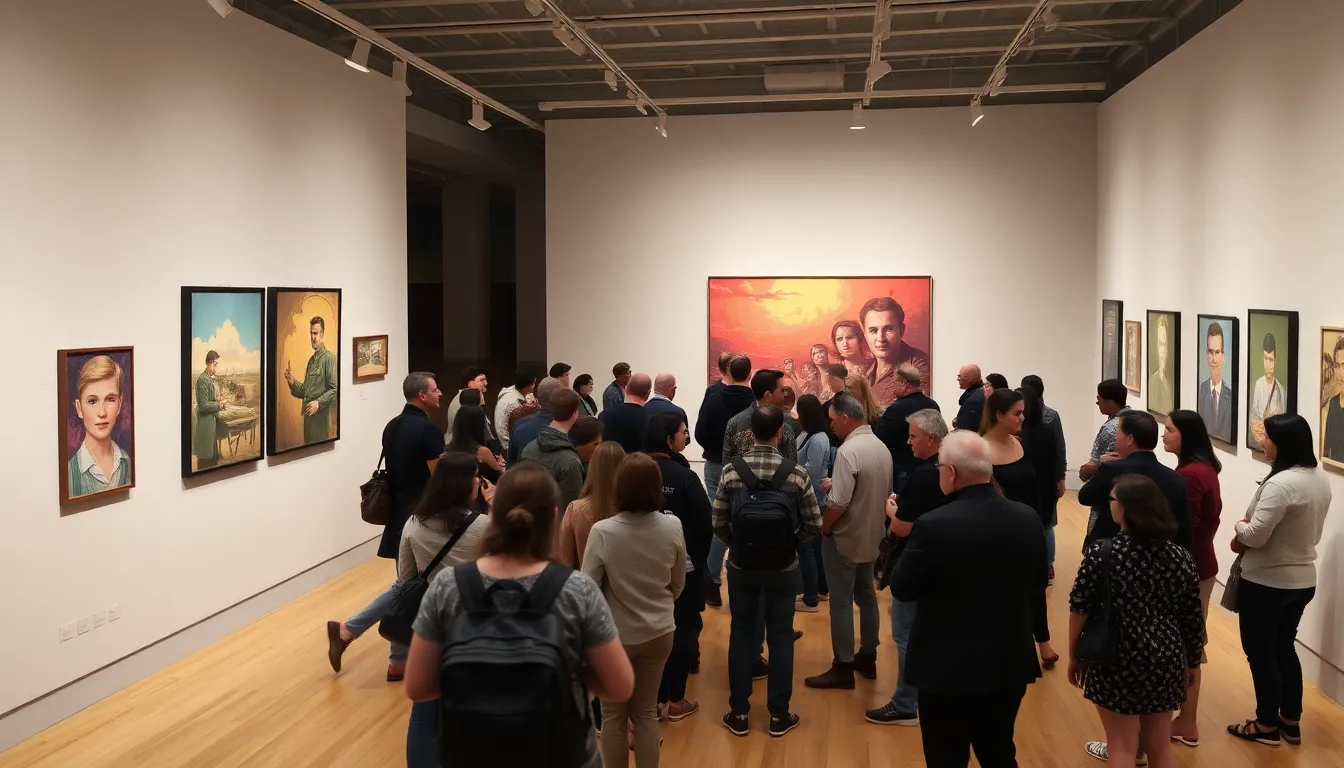
In the early 20th century, Spain was marked by a struggle between traditionalist values and modernist ideas. The rise of labor movements and the influence of anarchist thought, particularly in regions like Catalonia, contributed to a growing desire for social change. The Second Spanish Republic, established in 1931, sought to implement reforms that would address these issues, but it faced fierce opposition from conservative factions, including the military and the Catholic Church, much like the resistance faced in the discussions surrounding Trump’s war on science.
Art and culture played a significant role during this tumultuous period. Artists, writers, and intellectuals were deeply influenced by the conflict, using their work to express political sentiments and document the realities of war. Among these figures was the anarchist illustrator Sim, who became known for his poignant and powerful depictions of the war. His illustrations provided a unique perspective on the frontline experiences of soldiers and civilians, capturing the chaos and emotional turmoil of the time.
The role of art in wartime propaganda
Art during the Spanish Civil War was not merely a reflection of reality; it was also a tool for propaganda. Both sides of the conflict sought to utilize artistic expression to rally support and convey their narratives. The Republicans, for instance, commissioned works that highlighted their struggle for democracy and social justice, while the Nationalists focused on themes of patriotism and order. Illustrators like Sim contributed to this dynamic by creating works that resonated with the public, often blurring the lines between art and activism, echoing the spirit of creative exploration seen in the Zen of Peter Frampton.
As the war progressed, the importance of visual storytelling became apparent. The ability to convey the human experience of war through illustrations allowed artists like Sim to capture the essence of the conflict and its impact on society. This legacy of wartime art continues to influence contemporary discussions about the role of creativity in times of crisis, illustrating how art can serve as both a historical record and a means of resistance.
Examining the key themes and messages in Sim’s artwork
Sim, the anarchist illustrator, emerged as a prominent figure during the Spanish Civil War, capturing the tumultuous environment through his art. His work reflects the struggles of various factions involved in the conflict, including the Republicans, Nationalists, and anarchist groups. The primary actors in this narrative are the artists, political factions, and the general populace affected by the war.
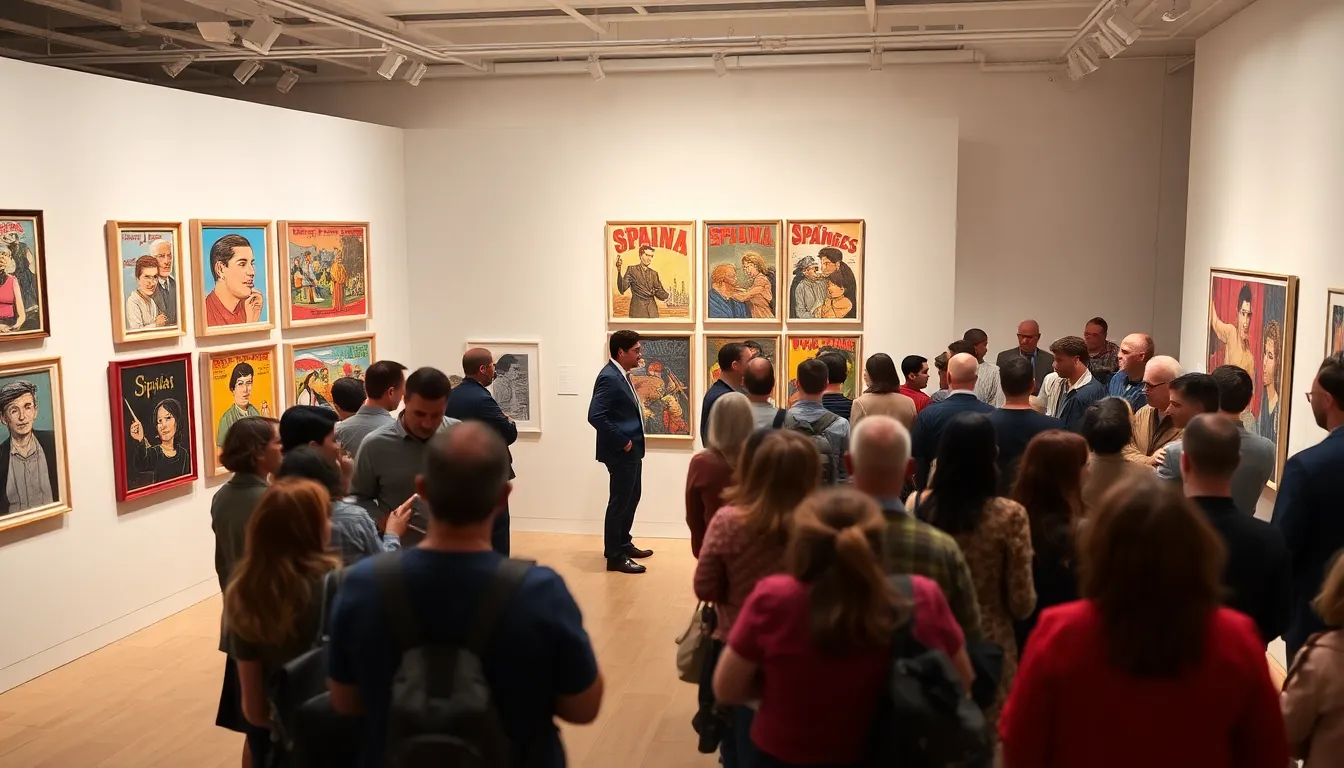
One of the main interests of these actors was to convey their ideologies and experiences through visual representation. For the Republicans and anarchists, Sim’s illustrations served as a medium to promote their revolutionary ideals and document the harsh realities of war. Conversely, the Nationalists sought to suppress such expressions, viewing them as threats to their authority and narrative.
Key conflicts arose between these groups, particularly regarding the representation of the war’s events. Sim’s artwork often highlighted the brutality faced by civilians and the valor of the anarchist fighters, which conflicted with the Nationalist portrayal of the conflict as a struggle for national unity and order. This divergence in narratives illustrates the broader struggle for historical memory and legitimacy.
- Art as propaganda: Different factions utilized art to influence public perception and rally support.
- Censorship and repression: The Nationalist regime sought to control artistic expression, limiting the dissemination of works like Sim’s.
- Economic factors: The war’s impact on resources affected artists’ ability to produce and distribute their work.
- Legacy and historical memory: The ongoing debate over how the Civil War is remembered continues to shape contemporary Spanish society.
Through his illustrations, Sim not only documented the harsh realities of the Civil War but also engaged with the complex interplay of ideology, power, and artistic expression. His work serves as a vital lens through which to understand the broader socio-political landscape of Spain during this tumultuous period.
The influence of Sim’s work on contemporary perceptions of war and conflict
Sim, the anarchist illustrator who captured the essence of the Spanish Civil War through his poignant sketches, has left a lasting impact on various groups and industries. Artists, historians, and educators are particularly affected, as his work serves as a critical reference point for understanding the complexities of war and its human consequences. Additionally, the broader cultural sector, including museums and galleries, benefits from the increased interest in historical art that reflects social and political struggles.
In the short term, Sim’s illustrations can influence public discourse around contemporary conflicts. They remind society of the human cost of war, prompting discussions on peace and conflict resolution. This can lead to increased advocacy for policies focused on humanitarian aid and conflict prevention, as communities reflect on the lessons learned from past wars.
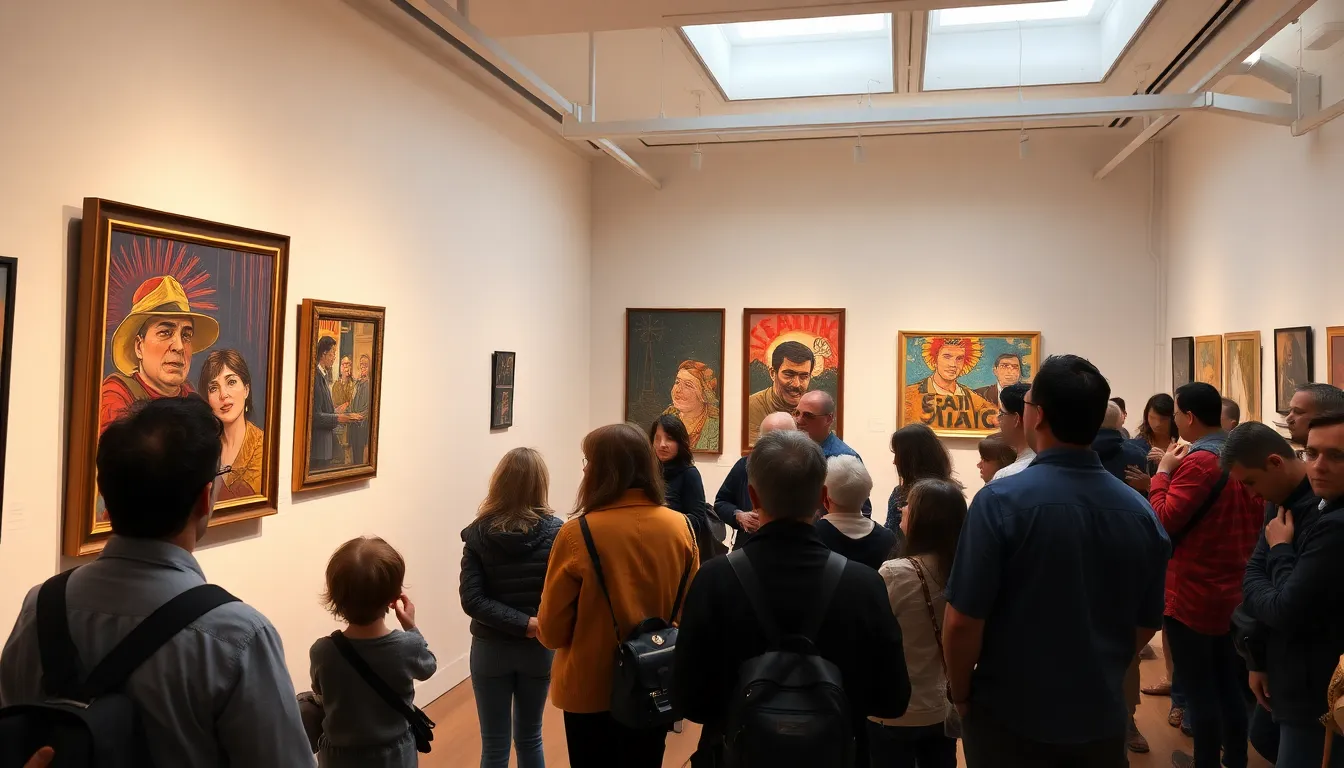
In the mid-term, businesses related to education and cultural preservation may see growth opportunities. Schools and universities might incorporate Sim’s work into their curricula, fostering a greater understanding of historical conflicts and their relevance today. This could lead to the development of new educational programs and resources, creating jobs and stimulating local economies.
- Risk of glorification: There is a risk that romanticizing Sim’s work could lead to a misunderstanding of the harsh realities of war.
- Opportunities for dialogue: His illustrations can spark critical conversations about the ethics of war and the importance of peace.
- Cultural tourism: Increased interest in Sim’s work may boost cultural tourism in regions associated with the Spanish Civil War.
Overall, the impact of Sim’s illustrations extends beyond the art world, influencing societal attitudes towards war, policy-making, and educational practices, while also presenting both risks and opportunities for various stakeholders.
A: Sim was an anarchist illustrator known for his powerful sketches that depicted the realities of the Spanish Civil War. He was actively involved in the conflict and used his art to convey the struggles and experiences of those on the frontlines. A: Sim’s illustrations often highlight themes of resistance, human suffering, and the harsh realities of war. His work serves as a poignant reminder of the impact of conflict on individuals and society. A: Sim’s raw and emotive style inspired many contemporary artists to explore themes of war and social justice in their own work. His ability to capture the essence of human experience during conflict has left a lasting legacy. A: Many of Sim’s works are preserved in museums and archives dedicated to the Spanish Civil War and anarchist art. Some collections are also available online for public viewing. A: Anarchist art played a crucial role in the Spanish Civil War by promoting anti-fascist sentiments and supporting revolutionary ideals. Artists like Sim used their platforms to challenge the status quo and advocate for social change.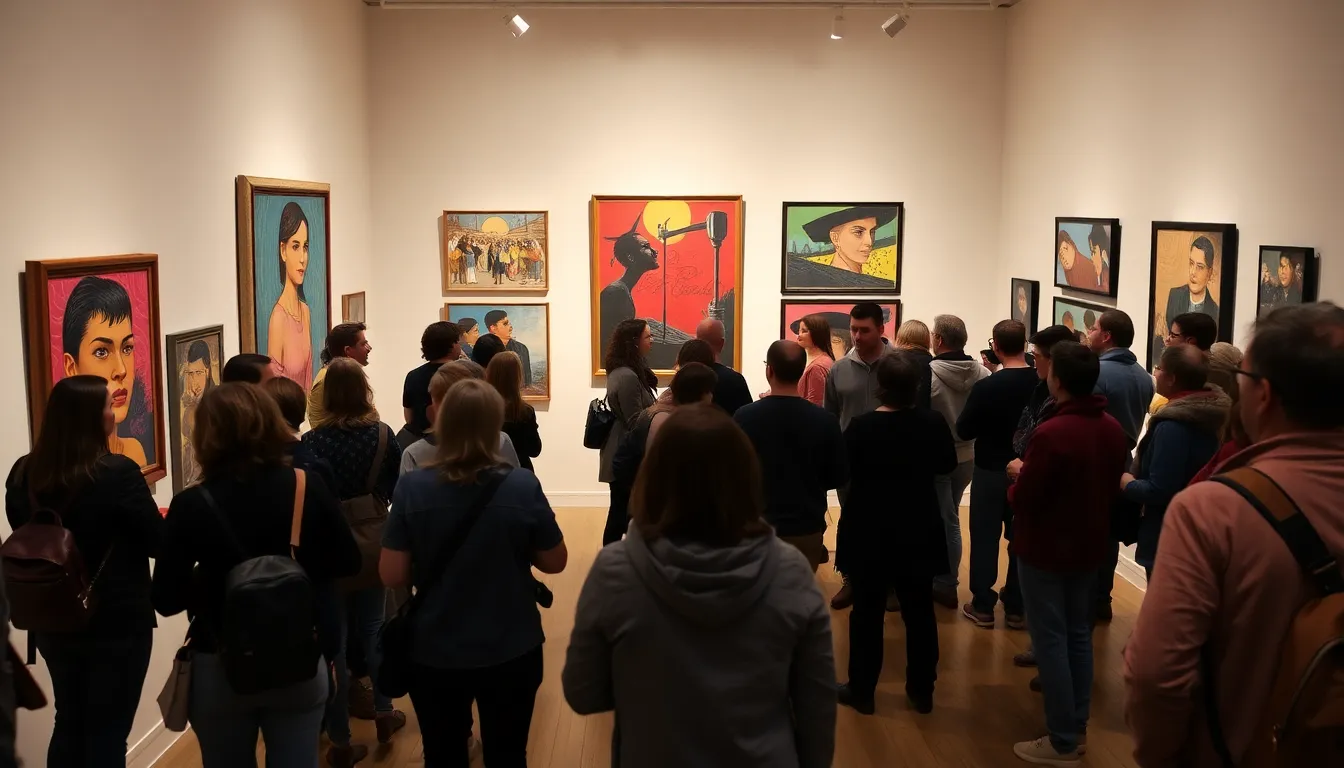
Frequently asked questions about Sim and his illustrations
Key takeaways and future perspectives on Sim’s legacy
Sim’s work as an anarchist illustrator during the Spanish Civil War serves as a powerful reminder of the role art can play in documenting and influencing political movements. His sketches not only captured the harsh realities of war but also conveyed a deep sense of humanity and resilience. As society grapples with ongoing conflicts and social upheaval, the insights drawn from Sim’s experiences are increasingly relevant.
Looking ahead, the intersection of art and activism will continue to evolve, with new generations of artists drawing inspiration from historical figures like Sim. The importance of visual storytelling in shaping public perception and fostering empathy cannot be overstated, particularly in times of crisis. Understanding Sim’s contributions can inform contemporary discussions about the role of artists in social movements.
- Sim’s illustrations highlight the essential role of artists in documenting history and influencing public sentiment during conflicts.
- Future artists may find inspiration in Sim’s commitment to portraying the human experience amidst chaos, emphasizing empathy and resilience.
- The ongoing relevance of visual storytelling suggests that artists will continue to play a critical role in social and political discourse.
- Exploring Sim’s legacy can provide valuable lessons for contemporary movements seeking to amplify their messages through art.
- As society faces new challenges, revisiting the works of historical figures like Sim can foster a deeper understanding of the complexities of war and peace.