
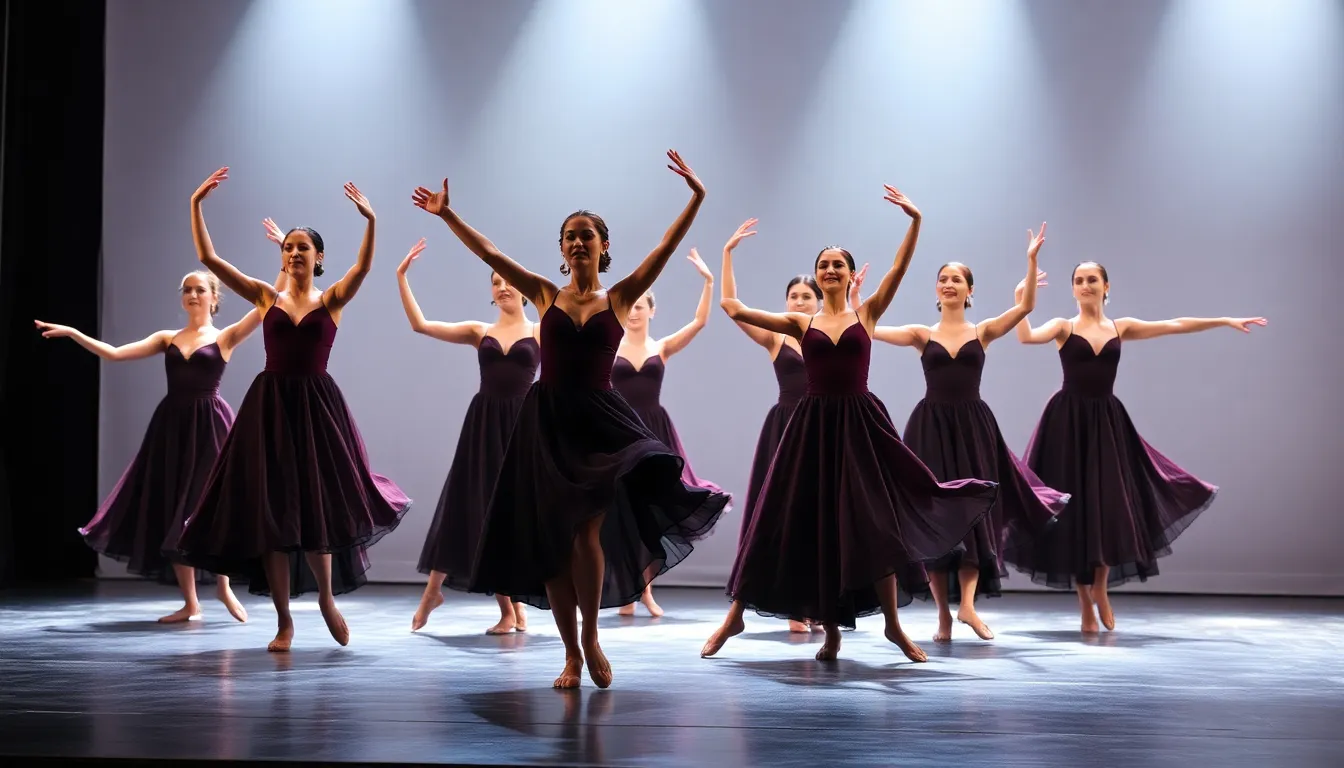
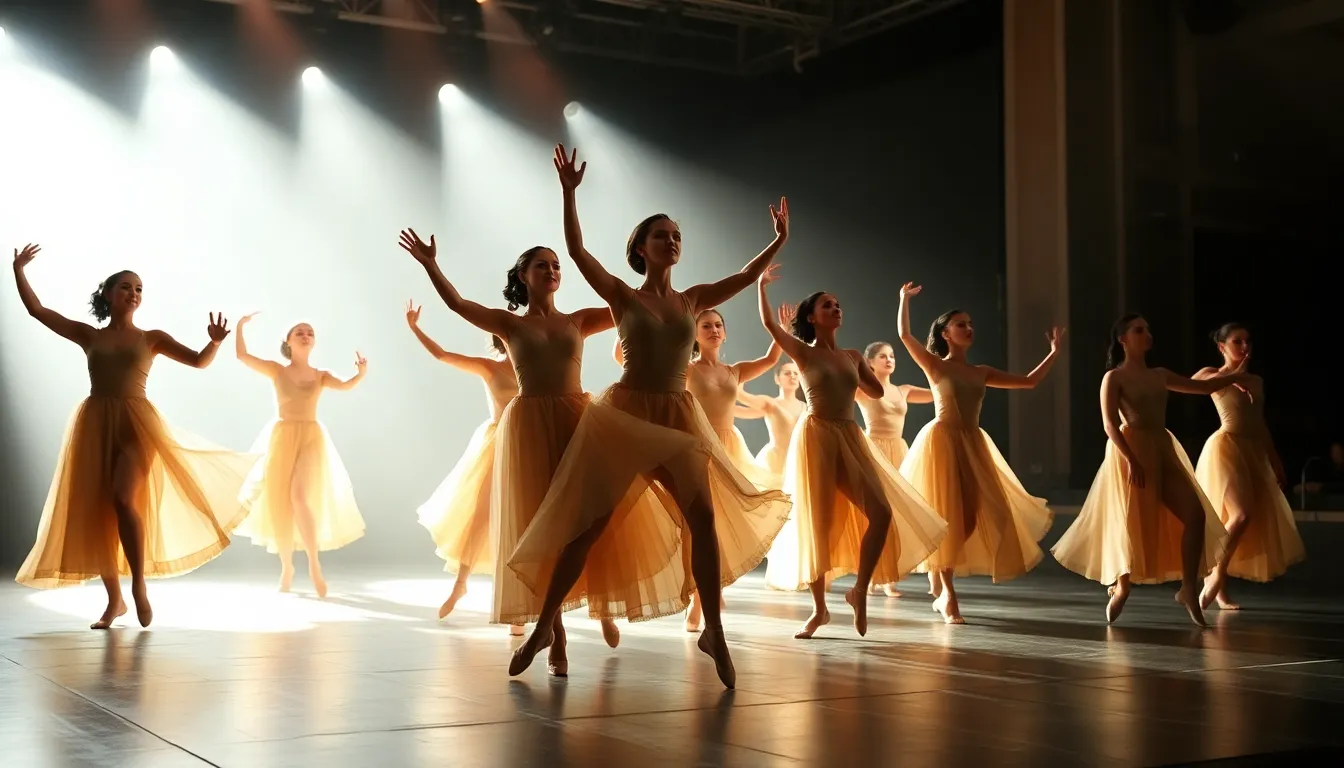
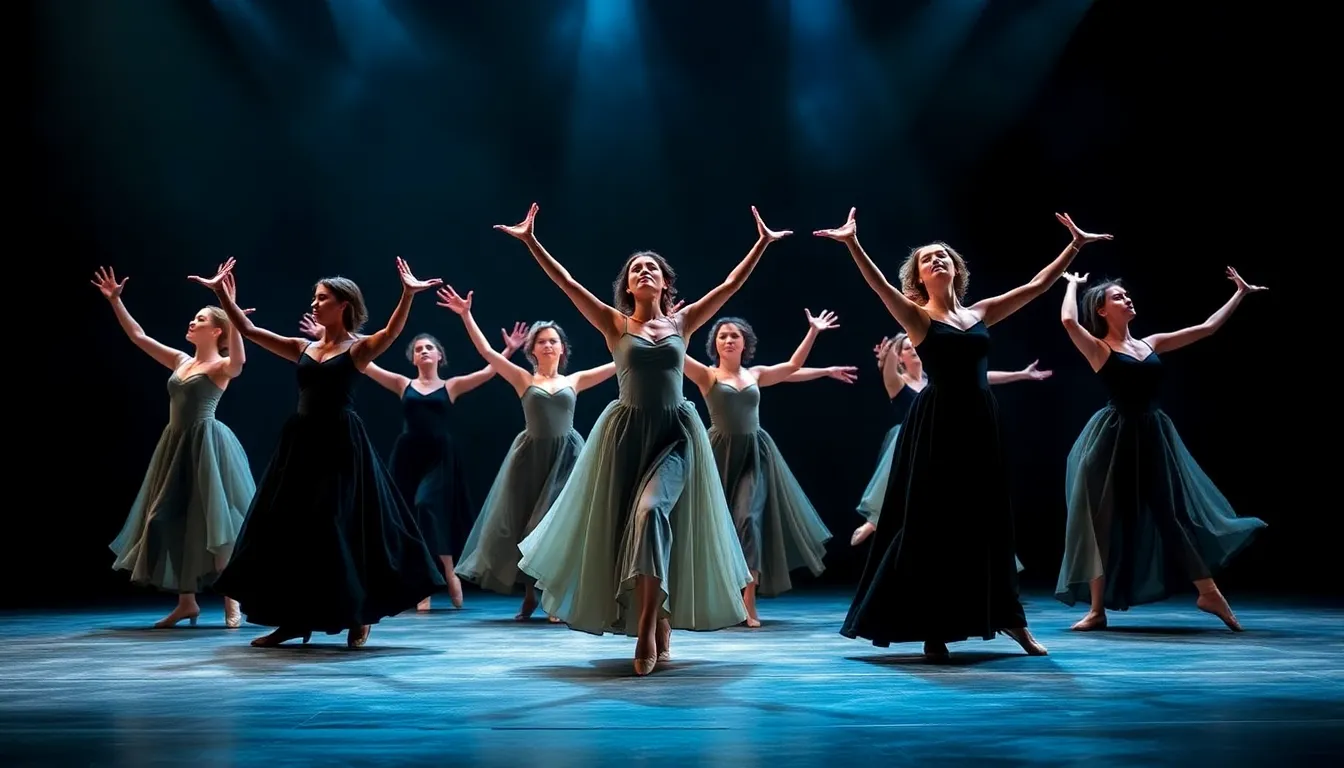
On October 15, 2023, a new production premiered, featuring a cast of talented female dancers who embody the complex roles within the story. The choreography and direction aim to subvert the patriarchal elements present in the original narrative, offering audiences a fresh lens through which to view familiar characters and their motivations. This adaptation is part of a growing trend where classic texts are being revisited with an emphasis on female empowerment, similar to the themes explored in the Homebody trailer.
The production has garnered attention not only for its innovative approach but also for its critical reception. Critics have noted the effectiveness of the reinterpretation in engaging contemporary audiences, particularly younger viewers who are increasingly seeking diverse and inclusive storytelling. By placing women at the forefront, the ballet invites discussions about power dynamics and agency, resonating with current feminist movements.
As this trend continues to evolve, it raises important questions about the future of classical adaptations in the performing arts. The success of such productions may influence other theaters to explore similar reinterpretations, potentially reshaping the landscape of performance art. This movement underscores the importance of reexamining historical narratives to ensure that all voices are represented and heard in the cultural dialogue.
Background on the original Macbeth and its themes
William Shakespeare’s “Macbeth,” written in the early 17th century, is a tragedy that explores themes of ambition, power, guilt, and the supernatural. Set against the backdrop of Scotland’s tumultuous political landscape, the play delves into the psychological and moral consequences of unchecked ambition as Macbeth, a noble warrior, succumbs to the prophetic temptations of the Weird Sisters and ultimately becomes a tyrant. The themes of patriarchal authority and gender roles are intricately woven into the narrative, illustrating how societal expectations shape the characters’ actions and fates.
The historical context of “Macbeth” is crucial to understanding its themes. The play was written during the reign of King James I, who had a keen interest in witchcraft and the supernatural. This fascination influenced the portrayal of the witches in the play, who represent the chaotic forces that challenge the natural order. Moreover, the political climate of the time, marked by the consolidation of power and the fragility of royal authority, resonates throughout the narrative, emphasizing the destructive nature of ambition and the consequences of moral corruption.
In addition to its exploration of ambition, “Macbeth” also critiques the rigid gender roles of its time. Lady Macbeth, one of the play’s most compelling characters, subverts traditional femininity by exhibiting ambition and ruthlessness typically associated with masculinity. Her eventual descent into madness highlights the psychological toll of defying societal norms, raising questions about the expectations placed on women within a patriarchal society. This dynamic has sparked numerous interpretations and adaptations, leading to contemporary reimaginings that challenge and deconstruct these themes.
Milestones in Feminist Interpretations
The feminist movement of the late 20th and early 21st centuries has significantly influenced the interpretation of ‘Macbeth.’ Scholars and artists have begun to reevaluate the roles of Lady Macbeth and the witches, framing them as symbols of female empowerment and resistance against patriarchal oppression. This shift has paved the way for innovative adaptations, such as ‘Out, Damned Patriarchy! A Revisionist Ballet ‘Macbeth’,’ which seeks to reclaim and recontextualize these characters, offering a fresh perspective on the original text and its relevance in contemporary discussions about gender and power, similar to the insights shared in Lox Pratt’s transition.
Key issues and stakeholders in the ballet’s production
The production of ‘Out, Damned Patriarchy! A Revisionist Ballet ‘Macbeth” involves a diverse array of stakeholders, each with distinct interests that shape the artistic and operational landscape of the performance. Key actors include the choreographer, the dancers, the production company, and the audience, along with broader cultural institutions and advocacy groups focused on gender representation in the arts.
At the center of the production is the choreographer, who seeks to reinterpret Shakespeare’s classic play through a feminist lens. This artistic vision aims to challenge traditional narratives and highlight the complexities of female characters, particularly Lady Macbeth. The production company, responsible for financing and marketing the ballet, has a vested interest in attracting audiences and generating revenue while also aligning with contemporary social movements that advocate for gender equality, as seen in CoinPoker’s recent initiatives.
Conflicts may arise between the artistic vision and the expectations of traditional ballet audiences. Some may resist the revisionist approach, preferring classical interpretations. Additionally, there are potential trade-offs in balancing artistic integrity with commercial viability. The production must navigate these tensions while also addressing key legal and economic issues, such as copyright considerations related to Shakespeare’s work and funding sources that may impose their own agendas.
- Artistic Vision: The choreographer’s goal to reinterpret gender roles in ‘Macbeth’.
- Audience Expectations: The challenge of appealing to traditional ballet patrons versus progressive audiences.
- Funding Sources: The influence of sponsors and grants on the creative direction of the production.
- Legal Considerations: Navigating copyright laws pertaining to adaptations of Shakespeare’s works.
- Cultural Impact: The ballet’s potential to influence broader discussions about feminism in the arts.
In conclusion, the interplay of these stakeholders and issues creates a complex environment for ‘Out, Damned Patriarchy! A Revisionist Ballet ‘Macbeth”, reflecting the ongoing dialogue about gender, power, and representation in contemporary performance art.
The impact of this ballet on audiences and the dance community
The revisionist ballet ‘Out, Damned Patriarchy! A Revisionist Ballet ‘Macbeth” has resonated deeply with various groups, particularly among feminist audiences and the broader dance community. The ballet’s fresh take on Shakespeare’s classic play invites viewers to reflect on themes of gender, power, and societal norms, thereby impacting how these themes are perceived in contemporary culture.
In the short term, audiences may experience a heightened awareness of gender issues, leading to discussions that extend beyond the performance itself. This could result in increased attendance at similar productions that challenge traditional narratives, thereby benefiting local theaters and dance companies. Additionally, the ballet could inspire educational programs that focus on feminist interpretations of classic literature and art.
In the mid-term, industries related to arts and entertainment may see shifts in programming and funding. Organizations that prioritize diversity and inclusivity could gain more support, while those that adhere to outdated narratives may struggle to attract audiences. This could lead to a more vibrant arts scene that reflects a wider range of experiences and perspectives.
- Increased audience engagement: A rise in discussions surrounding gender equality and representation.
- Shifts in programming: More productions focusing on feminist themes and diverse narratives.
- Potential challenges: Resistance from traditionalists who may oppose the ballet’s revisionist approach.
- Opportunities for education: Development of workshops and discussions centered on feminist interpretations in the arts.
Overall, while there are risks associated with challenging established norms, the ballet presents significant opportunities for growth and transformation within the dance community and beyond. As audiences continue to seek more inclusive narratives, the impact of ‘Out, Damned Patriarchy!’ may pave the way for future artistic endeavors that prioritize diverse voices and stories.
A: This ballet reinterprets the classic tale by emphasizing female empowerment and critiquing patriarchal structures, offering a fresh perspective on the original narrative. A: The production features a diverse team of choreographers, dancers, and designers who are committed to exploring feminist themes through their art. A: Audience reactions have been overwhelmingly positive, with many praising its innovative choreography and powerful storytelling that resonates with contemporary issues. A: No, while familiarity with the original play can enhance the experience, the ballet stands alone with its own narrative and themes. A: The ballet is scheduled to tour various cities, and tickets can be purchased through the official website of the production.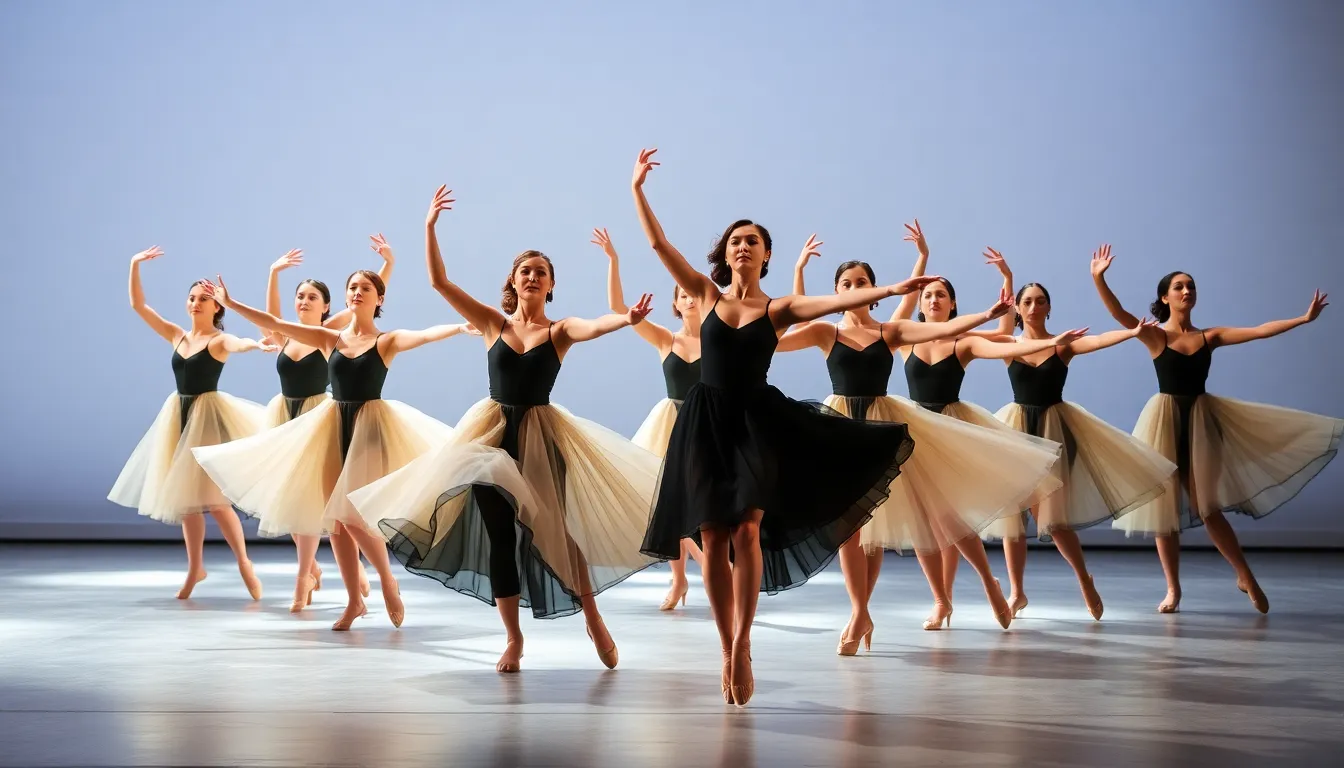
Frequently asked questions about the ballet
Insights and future outlook for feminist ballet adaptations
The revisionist ballet ‘Out, Damned Patriarchy! A Revisionist Ballet ‘Macbeth” presents a significant shift in how classical narratives can be reinterpreted through a feminist lens. By challenging traditional portrayals and highlighting the complexities of female characters, this adaptation opens the door for future productions to explore gender dynamics in classic literature. The success of this ballet may encourage more choreographers and directors to innovate within the realm of ballet, fostering a broader conversation about representation and agency in performing arts.
As audiences increasingly seek diverse and inclusive narratives, the implications of this adaptation extend beyond the stage. It serves as a reminder of the power of storytelling and its ability to reflect societal changes. The growing interest in feminist interpretations of established works suggests a potential shift in audience expectations, paving the way for more explorative and thought-provoking performances in the future.
- Expect to see more adaptations of classical works that prioritize female perspectives and narratives.
- Watch for increased collaboration between choreographers and feminist scholars to enrich storytelling in ballet.
- Monitor audience reactions to feminist adaptations, as they may influence the direction of future productions.
- Consider the potential for educational programs that incorporate feminist themes in dance curricula.
- Anticipate discussions on the impact of these adaptations on the broader cultural landscape and gender discourse.