
Virgil van Dijk, the club’s captain, has publicly acknowledged the need for extensive changes during the upcoming summer transfer window. In a recent interview, he emphasized that the team must undertake “a lot of work” to address the shortcomings that led to this lackluster season, highlighting the urgency of the situation for the club’s future. For more insights on the implications of such changes, read about the threat to summer holidays looming from jet fuel shortages.
The Reds experienced a series of inconsistent results throughout the season, including a notable loss to Bournemouth on March 11, which further compounded their struggles. This performance has raised questions about the team’s tactical approach and the effectiveness of their current squad, prompting discussions about potential reinforcements and strategic shifts.
As Liverpool approaches the summer transfer window, the focus will be on identifying key areas for improvement. The club’s management is expected to engage in discussions regarding player acquisitions and potential departures, as they aim to restore the team’s competitiveness and return to their previous status as title contenders.
Understanding the challenges faced by Liverpool this season
This season has been particularly turbulent for Liverpool FC, a club that has historically been one of the most successful in English football. The team’s struggles can be traced back to a combination of injuries, inconsistent performances, and a fiercely competitive Premier League landscape. After finishing fourth in the previous season, expectations were high, but a series of setbacks have left the team fighting for a spot in European competitions.
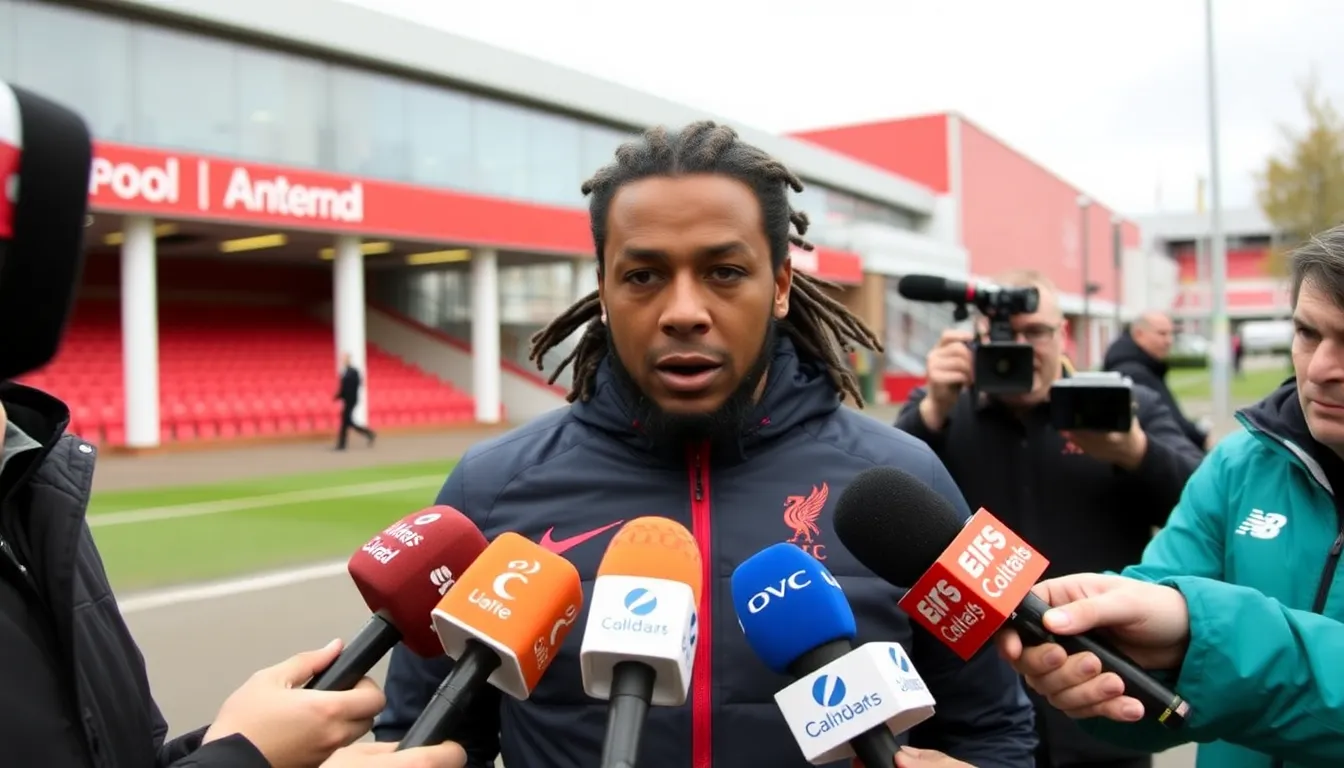
Injuries have plagued key players, including Virgil van Dijk himself, who has been a cornerstone of Liverpool’s defense since his arrival in 2018. The absence of such pivotal figures has not only affected the team’s performance on the pitch but has also impacted the morale of the squad. The lack of depth in the squad has further exacerbated these issues, leading to a reliance on younger players who may not yet be ready for the pressures of high-stakes matches.
Moreover, the financial implications of a poor season are significant. Liverpool, like many clubs, relies on the revenue generated from participating in European competitions. A failure to qualify could lead to reduced budgets for player acquisitions, making it even more challenging to rebuild the squad during the summer transfer window. This precarious economic situation adds an additional layer of urgency to the club’s need for improvement.
Historical performance and expectations
Historically, Liverpool has set high standards for itself, with a rich legacy that includes numerous league titles and European trophies. The club’s recent successes under manager Jürgen Klopp, including a Champions League title in 2019 and a Premier League title in 2020, have only amplified the expectations from fans and stakeholders. The contrast between past glories and the current season’s struggles has led to increased scrutiny of the team’s management and player performances.
Key issues affecting Liverpool’s performance
As Liverpool navigates the aftermath of a disappointing season, several stakeholders play crucial roles in shaping the club’s future. Key actors include the players, coaching staff, club management, fans, and the broader football community. Each of these groups has distinct interests that can influence the club’s direction and performance.
Virgil van Dijk, as a prominent player and team leader, has emphasized the need for significant improvements during the summer transfer window. His insights reflect a broader concern among players regarding squad depth, injury management, and tactical adaptability. The coaching staff, led by Jürgen Klopp, must balance the need for immediate results with long-term development, raising questions about potential changes in strategy or personnel, similar to discussions surrounding the recent regulations in Jersey.
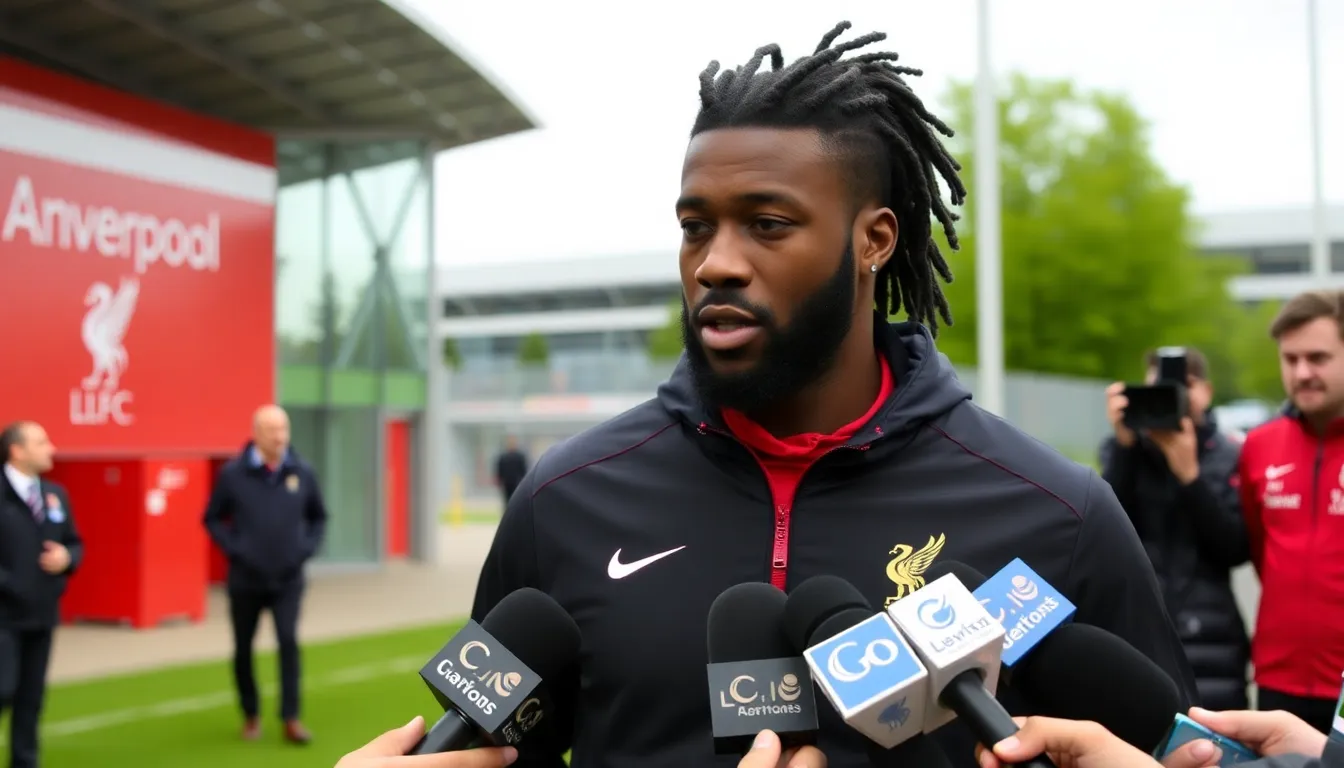
Additionally, Liverpool’s management faces pressure from fans and stakeholders to invest wisely in new talent while also adhering to financial regulations. The club’s financial health, especially in light of the recent challenges, could impact its ability to attract high-caliber players. This situation creates a trade-off between maintaining fiscal responsibility and the desire to enhance on-field performance.
- The need for squad reinforcements to address weaknesses observed during the season.
- Balancing short-term success with long-term club vision and player development.
- Engaging with fans to rebuild trust and enthusiasm following a lackluster season.
- Adhering to financial fair play regulations while pursuing new signings.
- Potential conflicts between player expectations and management decisions regarding transfers.
In summary, the interplay between these stakeholders and their interests highlights the complexities Liverpool faces as it seeks to rebound from a challenging season. The decisions made in the coming months will not only affect the club’s immediate performance but will also shape its long-term trajectory in the competitive landscape of football.
The implications of a failed season for players and fans
Virgil van Dijk’s acknowledgment of Liverpool’s need for significant work over the summer resonates deeply with various stakeholders, particularly players, fans, and the broader football community. The emotional and financial investment from fans creates a palpable atmosphere of disappointment, which can affect attendance and engagement levels in the short term. This season’s failure may lead to a decline in merchandise sales and season ticket renewals as supporters reassess their commitment.
In the mid-term, the impact on the club’s reputation could also affect its ability to attract top talent. Players considering transfer moves may hesitate to join a team perceived as struggling, leading to a potential stagnation in squad development. This could create a ripple effect throughout the industry, influencing player valuations and transfer market dynamics.
Moreover, local businesses that rely on matchday traffic, such as pubs, restaurants, and merchandise shops, may experience financial strain. A decrease in fan attendance could lead to reduced revenue, which in turn might affect employment and investment in community projects associated with the club.
- Short-term decline in fan engagement and merchandise sales
- Mid-term challenges in attracting new players and retaining talent
- Financial strain on local businesses reliant on matchday income
However, this situation also presents opportunities for Liverpool to reassess their strategies. A focus on youth development could lead to the emergence of homegrown talent, fostering a stronger connection between the club and its fanbase. Additionally, a clear and committed plan for improvement could reignite fan passion and loyalty, potentially leading to a resurgence in support and engagement in the long run.
A: Virgil van Dijk emphasized the need for Liverpool to do a lot of work during the summer to improve the team’s performance and address the issues that contributed to the disappointing season. A: Liverpool’s performance this season fell short of expectations, leading to a lack of success in key competitions and disappointing results. A: Liverpool may look into player transfers, tactical adjustments, and improvements in training to enhance their competitiveness for the next season. A: Many fans are frustrated and disappointed with the team’s performance, hoping for significant changes and improvements in the upcoming season. A: Liverpool needs to focus on strengthening their defense, improving midfield creativity, and enhancing their attacking options to be more competitive.
Frequently asked questions about Liverpool’s future
Looking ahead: what Liverpool must focus on this summer
As Virgil van Dijk acknowledges the need for significant improvements, Liverpool faces a pivotal summer filled with challenges and opportunities. The club must evaluate its current squad, identify key areas for reinforcement, and foster a culture of resilience and determination to rebound from a disappointing season. Strategic planning and execution will be essential to ensure that they can compete effectively in the upcoming campaigns.
Management’s decisions regarding player transfers, coaching strategies, and team dynamics will be crucial. A focus on youth development and integrating fresh talent could provide the spark needed to rejuvenate the squad. Additionally, instilling a winning mentality will be vital as they aim to restore their status among the elite in English football.
- Assess the current squad’s strengths and weaknesses to identify areas needing reinforcement.
- Prioritize player acquisitions that align with the club’s long-term vision and tactical needs.
- Emphasize youth development to cultivate homegrown talent that can contribute to the first team.
- Foster a resilient team culture to enhance performance under pressure and in crucial matches.
- Engage fans and stakeholders in the planning process to rebuild trust and support for the club’s direction.