
The International Air Transport Association (IATA) has warned that if the situation does not improve, airlines may struggle to meet the surge in passenger numbers expected during the peak travel months of June through August. Airlines such as British Airways and Air France are already facing operational challenges, with some routes being temporarily suspended due to fuel constraints, highlighting the need for resilient supply chains.
In addition to the immediate impact on travelers, the jet fuel crisis poses broader implications for the aviation industry. Industry analysts predict that prolonged shortages could lead to increased ticket prices as airlines attempt to manage costs. Furthermore, the situation raises concerns about the sustainability of the recovery in air travel, which had been gaining momentum after the easing of COVID-19 restrictions, echoing themes in the article on economic stability.
Governments and fuel suppliers are being urged to take swift action to stabilize the situation. Efforts to increase fuel production and improve distribution logistics are underway, but the timeline for resolution remains unclear. As the summer travel season draws near, the urgency of addressing this crisis intensifies, with many keenly watching how it will unfold.
Exploring the background of fuel supply challenges
The global aviation industry has long been vulnerable to fluctuations in fuel supply, with jet fuel being a critical component for airlines. Historically, disruptions in fuel supply have stemmed from various factors, including geopolitical tensions, natural disasters, and economic shifts. The recent surge in fuel shortages can be traced back to a combination of these elements, exacerbated by the ongoing effects of the COVID-19 pandemic which disrupted supply chains worldwide.
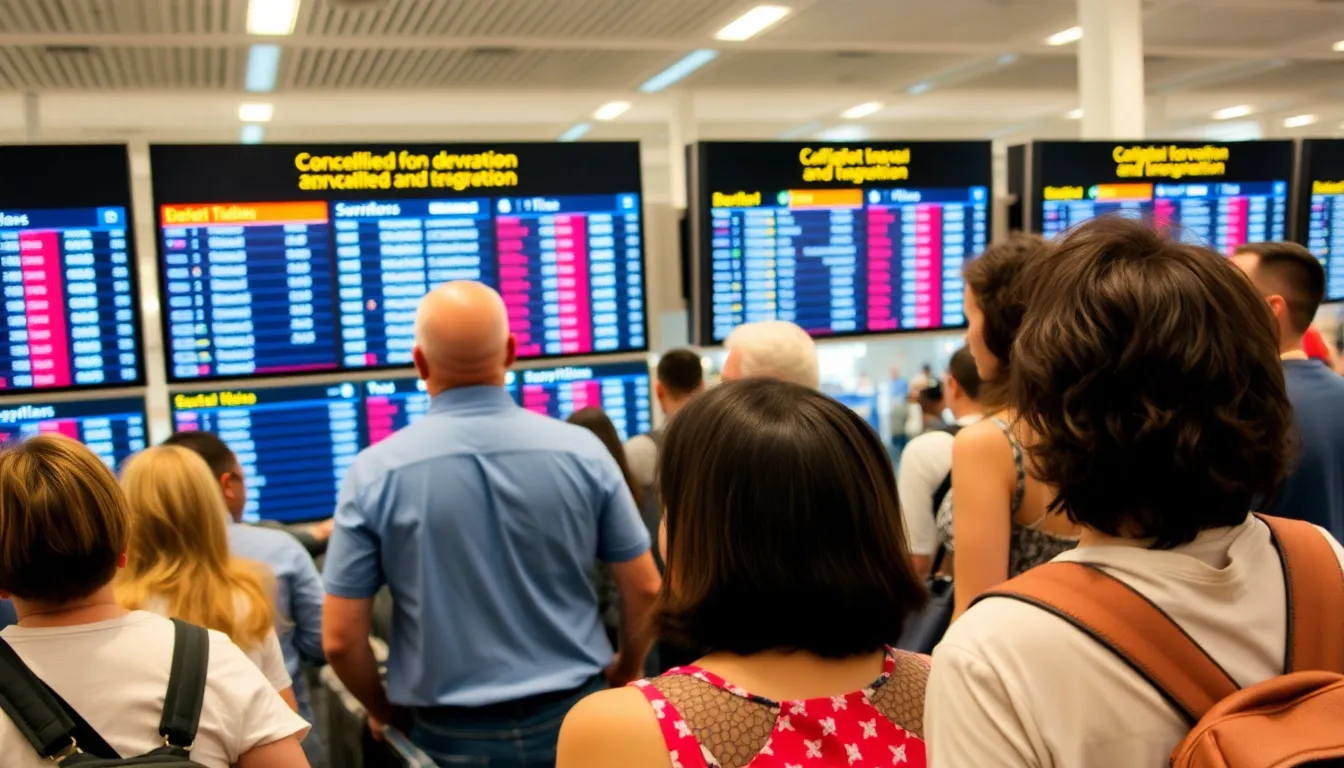
In recent years, the geopolitical landscape has significantly impacted fuel availability. Conflicts in oil-rich regions, such as the Middle East, have led to volatility in oil prices and supply. Additionally, sanctions imposed on major oil-producing countries have further strained the global fuel market. These political dynamics have created a precarious situation for airlines that rely on stable and affordable jet fuel to operate their flights.
Economic factors also play a crucial role in the current fuel crisis. The post-pandemic recovery has led to a surge in travel demand, with many airlines ramping up operations to meet the resurgence of summer holiday travelers. However, the supply of jet fuel has not kept pace with this increased demand, leading to shortages in various regions. This imbalance has resulted in rising fuel prices, further complicating the financial stability of airlines already grappling with pandemic-related losses.
The impact of climate policies
In addition to geopolitical and economic factors, climate policies aimed at reducing carbon emissions have influenced the aviation fuel landscape. Governments worldwide are pushing for greener alternatives and stricter regulations on fossil fuels, which has led to a shift in focus towards sustainable aviation fuels (SAFs). While this transition is essential for long-term environmental goals, it has created short-term challenges as the infrastructure and supply chains for SAFs are still in development, leaving airlines in a precarious position as they navigate the current fuel shortages.
Analyzing the key stakeholders affected by the shortage
The looming jet fuel shortages pose significant challenges to various stakeholders, each with distinct interests and concerns. Among the primary actors are airlines, governments, fuel suppliers, and travelers. Their interactions and the resulting conflicts highlight the complexities of this issue.
Airlines are at the forefront, facing operational disruptions due to the scarcity of jet fuel. Their primary interest lies in maintaining flight schedules and profitability. With rising fuel costs, airlines may be forced to increase ticket prices or reduce flight frequencies, which could deter travelers and impact overall demand.
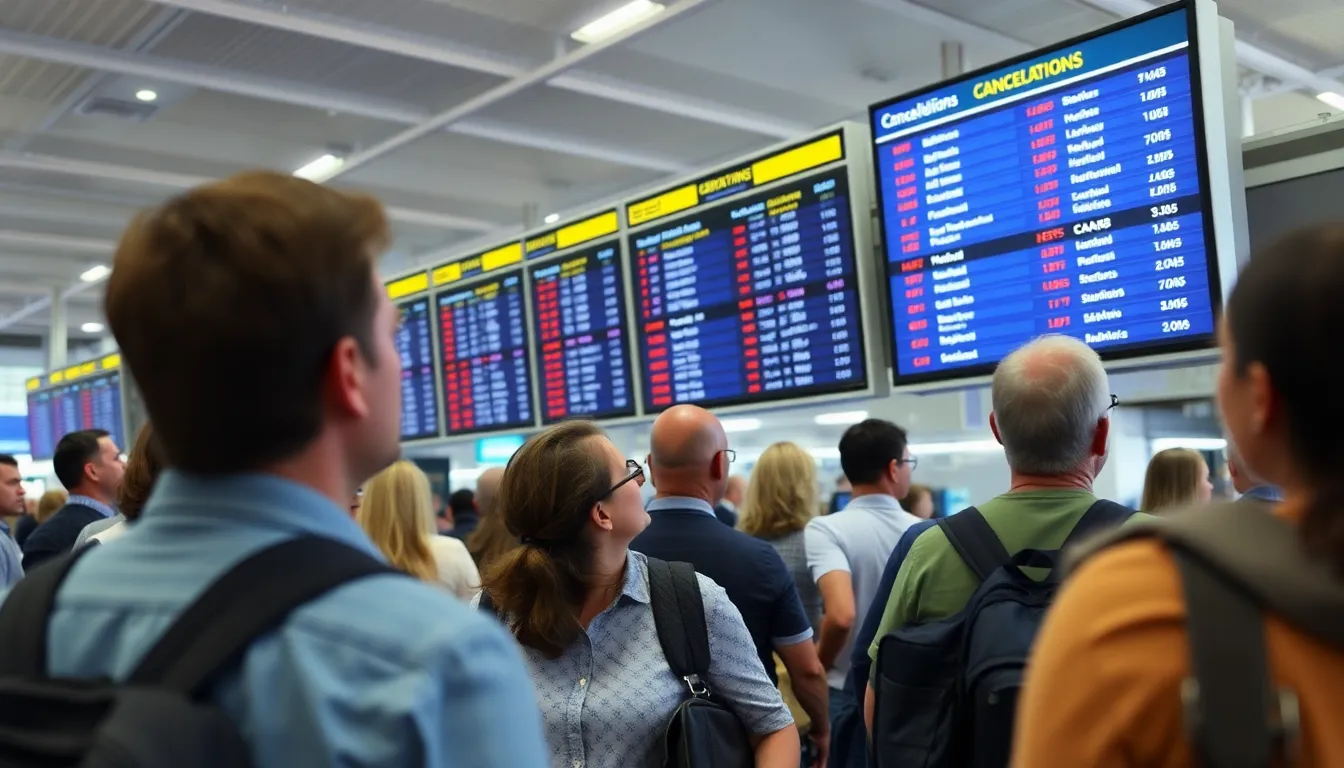
Governments play a crucial role in regulating fuel supplies and ensuring that transportation sectors remain functional. Their interests often align with maintaining economic stability and public satisfaction. However, they must navigate the delicate balance between supporting airlines and addressing environmental concerns related to fuel production and consumption.
Fuel suppliers, including refineries and distributors, are also key players in this scenario. Their interest revolves around meeting demand while managing production costs. Any disruptions in supply chains can lead to increased prices and potential legal ramifications, particularly if contractual obligations are not met.
- Potential for increased ticket prices due to higher fuel costs.
- Government interventions may include subsidies or regulatory changes to stabilize the market.
- Travelers face uncertainty regarding flight availability and affordability.
- Environmental regulations may influence fuel production and sourcing strategies.
- Long-term impacts on tourism and related industries if shortages persist.
Assessing the impact on travelers and the airline industry
The looming jet fuel shortages are set to affect a wide range of groups, primarily travelers and the airline industry. Airlines, already grappling with post-pandemic recovery, face operational challenges that could disrupt flight schedules and increase ticket prices. Travelers planning summer vacations may find their plans thwarted by reduced flight availability or soaring costs, paralleling concerns raised in discussions about sustaining economic growth.
Regions heavily reliant on tourism, such as coastal destinations and major city hubs, will feel the pinch as airlines cut back on routes. This could lead to a ripple effect on local economies, impacting hotels, restaurants, and other businesses that depend on tourist spending. The short-term implications may include cancellations and delays, while mid-term effects could manifest in diminished tourist traffic and revenue losses.
In addition to travelers and airlines, the fuel supply chain will also be affected. Suppliers and refineries may face increased pressure to meet demand, leading to potential shortages in other sectors. This could push prices higher, prompting businesses to reconsider their logistics and operational strategies.
- Increased travel costs: Higher fuel prices may lead to increased ticket prices for consumers.
- Flight cancellations: Airlines may reduce the number of flights, impacting travelers’ plans.
- Economic downturn in tourist regions: Local businesses may suffer from reduced tourist numbers.
- Supply chain disruptions: Other industries relying on jet fuel may face challenges.
However, there are potential opportunities that could arise from this situation. Airlines may innovate by exploring alternative fuel sources or more efficient operational practices. Additionally, businesses in the travel sector could adapt by offering staycation packages or local experiences to attract customers who may opt to travel closer to home.
A: The jet fuel shortages are primarily due to supply chain disruptions, increased demand for travel, and geopolitical tensions affecting oil production. A: Airlines may need to cancel or reschedule flights due to the lack of available fuel, leading to potential delays for travelers. A: While all airlines are experiencing some level of impact, smaller carriers may face more severe challenges due to limited fuel contracts. A: Travelers should stay informed about their flight status, consider flexible booking options, and plan for potential delays. A: Yes, it is likely that flight prices will rise as airlines adjust to higher fuel costs and reduced availability.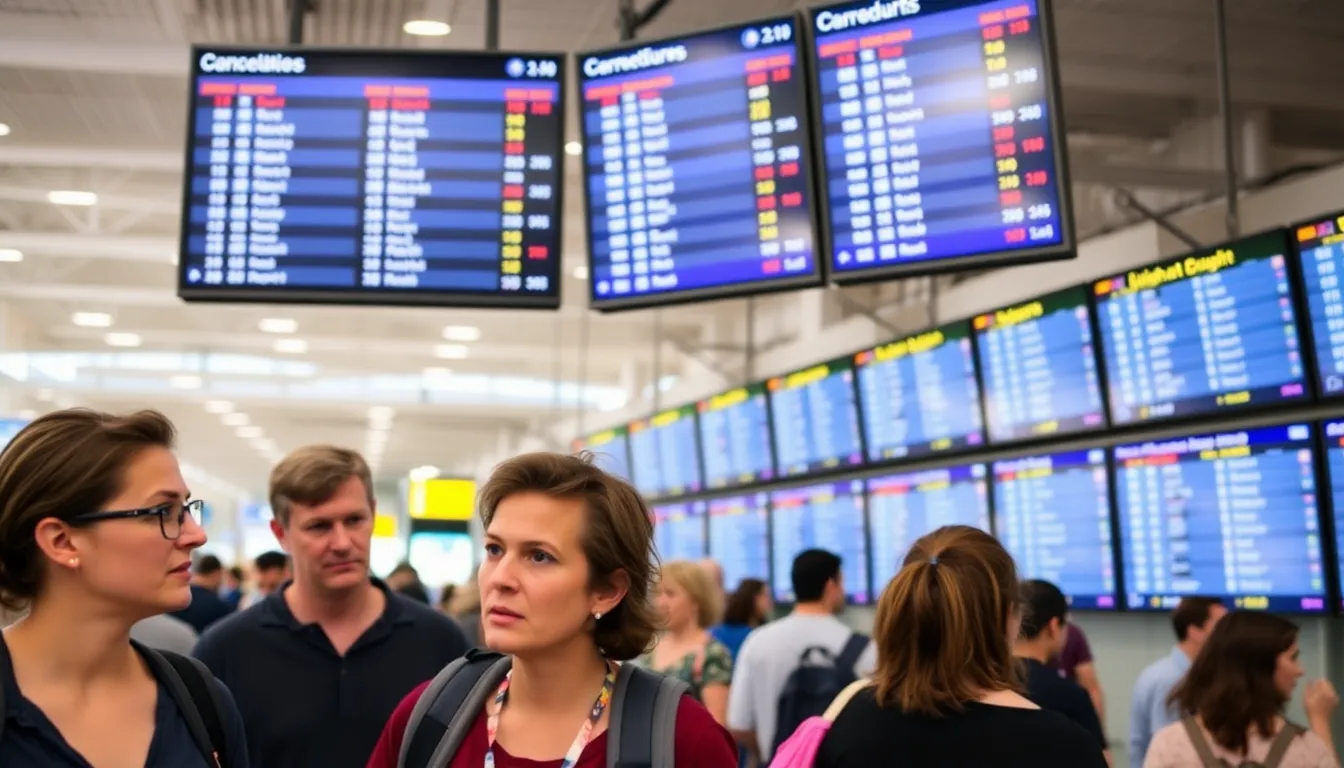
Frequently asked questions about jet fuel shortages
Key insights and future outlook on summer travel
The looming threat of jet fuel shortages presents a complex challenge for the travel industry as summer approaches. With rising fuel prices and supply chain disruptions, airlines may need to adjust their operations, potentially leading to increased ticket prices and altered flight schedules. Travelers should remain informed about these developments, as they could significantly impact their holiday plans.
As the situation evolves, it is crucial for both airlines and travelers to adapt to the changing landscape. Monitoring fuel supply levels and airline responses will be essential for anticipating potential disruptions and ensuring a smoother travel experience this summer.
- Monitor fuel supply trends: Keep an eye on reports regarding jet fuel availability and pricing to gauge potential impacts on travel costs and schedules.
- Book early: Consider making travel arrangements sooner rather than later to secure better rates and availability before any potential shortages affect the market.
- Stay flexible: Be prepared for possible changes in flight times or routes, and have contingency plans in place for unexpected travel disruptions.
- Follow airline communications: Stay updated with your airline’s announcements regarding fuel management strategies and any changes to flight operations.
- Explore alternative travel options: Look into different modes of transportation or destinations that may be less impacted by fuel shortages.