
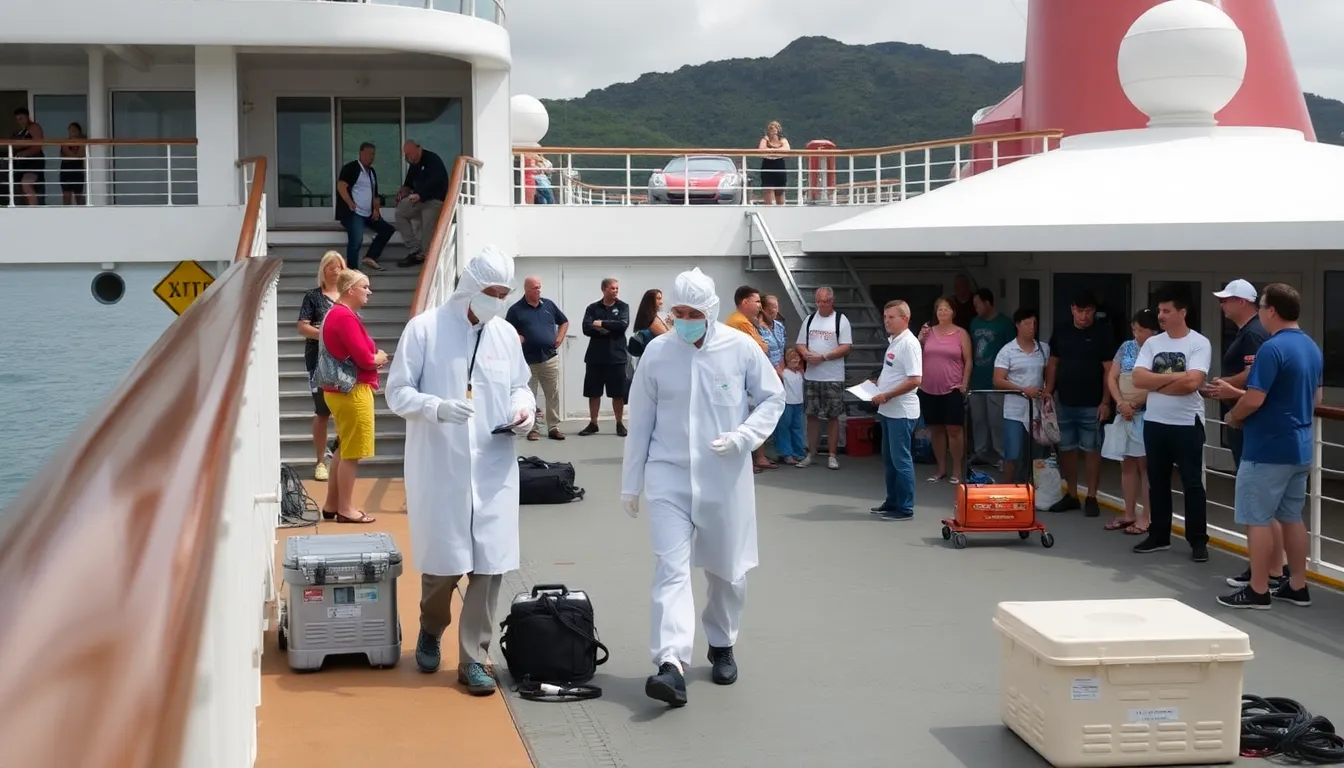
The cruise ship, which had been docked in a popular tourist destination, reported symptoms consistent with Hantavirus among passengers and crew members. Health officials began monitoring the situation on October 15, 2023, after several cases were reported. The W.H.O. has since dispatched a team to assist local health authorities in managing the outbreak and preventing further spread, similar to their efforts seen in other public health crises.
Hantavirus, primarily transmitted through contact with rodent droppings, urine, or saliva, can lead to severe respiratory issues and, in some cases, death. The outbreak highlights the need for enhanced sanitation measures and health screenings on cruise ships, which often host large gatherings of people from diverse regions. Experts are urging cruise lines to take immediate action to safeguard public health, akin to the recommendations made during other outbreaks.
The cruise industry has faced numerous challenges during the pandemic, and this latest outbreak could further impact public perception and travel plans. As health officials continue to investigate, passengers are advised to stay informed about their health and report any symptoms promptly. The situation remains fluid, with updates expected as more information becomes available.
Understanding Hantavirus and its transmission methods
Hantavirus is a group of viruses transmitted primarily by rodents, with the most common carrier being the deer mouse. The disease can lead to severe respiratory issues and has a high mortality rate in certain cases. The transmission occurs when humans inhale aerosolized particles of rodent urine, droppings, or saliva, making environments where rodents thrive particularly dangerous. The recent outbreak aboard a cruise ship highlights the risks associated with close quarters and shared spaces, where the potential for viral spread increases significantly.
The first recognized cases of hantavirus pulmonary syndrome (HPS) emerged in the United States in 1993, when a cluster of cases in the Four Corners region of the Southwest led to increased awareness and research into the virus. Since then, the Centers for Disease Control and Prevention (CDC) and the World Health Organization (W.H.O.) have worked to educate the public about hantavirus, emphasizing the importance of rodent control and hygiene, especially in areas where people are likely to encounter these animals, much like the educational initiatives surrounding river pollution.
Historically, outbreaks of hantavirus have been sporadic and often linked to specific environmental conditions that favor rodent populations. For instance, heavy rainfall can lead to increased vegetation, which in turn supports larger populations of deer mice. This ecological connection underscores the importance of monitoring environmental changes that may precipitate outbreaks, particularly in regions frequented by tourists, such as cruise ships that traverse various ecosystems.
The Role of Cruise Ships in Disease Transmission
Cruise ships represent a unique challenge in the context of infectious disease transmission. With thousands of passengers and crew members living in close quarters, the potential for rapid spread of viruses, including hantavirus, is heightened. Previous outbreaks of various diseases aboard cruise ships have raised concerns about health protocols and the effectiveness of sanitation measures. The current hantavirus outbreak serves as a reminder of the vulnerabilities inherent in such environments and the need for stringent health guidelines to protect passengers and crew alike.
Key stakeholders involved in the cruise ship outbreak
The recent hantavirus outbreak aboard a cruise ship has raised significant concerns among various stakeholders, each with distinct interests and perspectives. The primary actors include public health organizations, cruise line companies, government health agencies, and passengers. Understanding their roles and the potential conflicts that arise is crucial for a comprehensive analysis of the situation.
Public health organizations, particularly the World Health Organization (W.H.O.), are at the forefront of addressing the outbreak. Their primary interest lies in controlling the spread of the virus and ensuring the safety of public health globally. They are tasked with monitoring the situation, providing guidelines, and coordinating responses among affected countries. However, their recommendations may conflict with the interests of cruise line companies, which prioritize operational continuity and profitability.
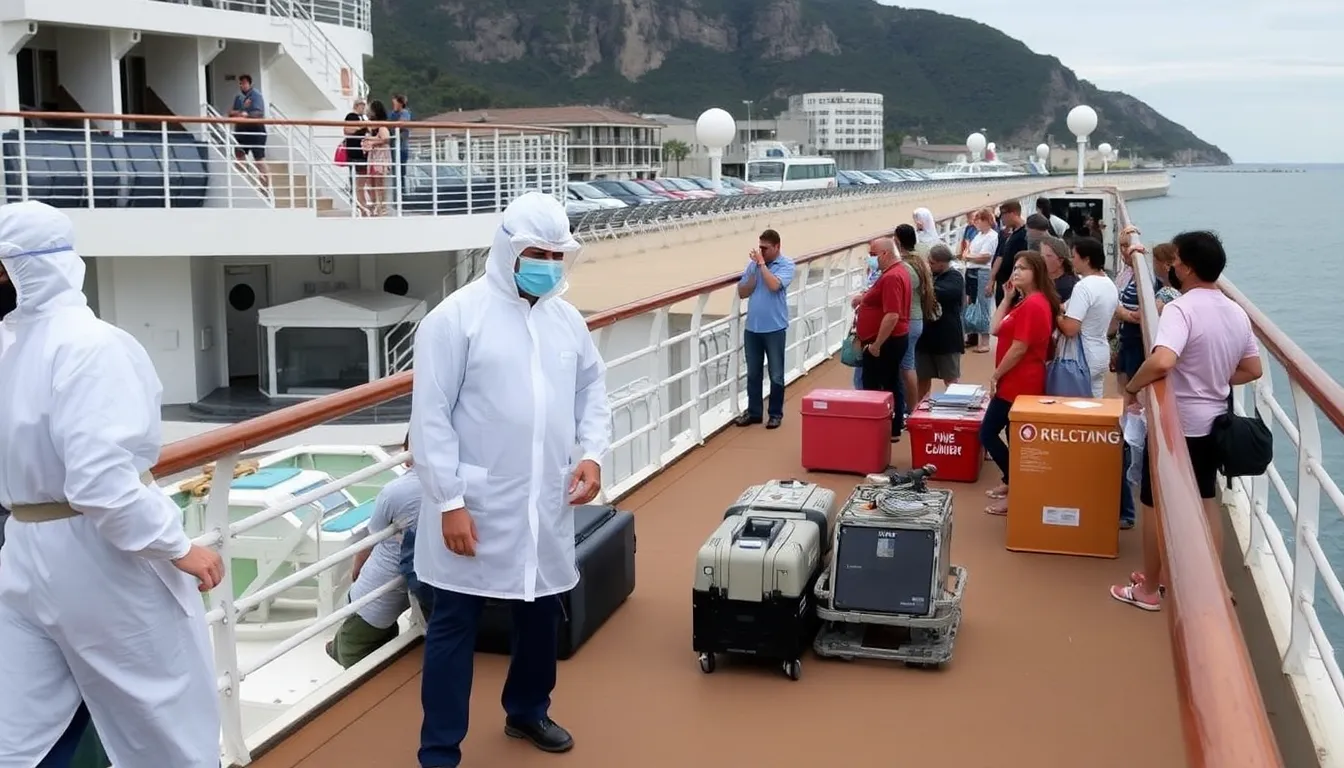
Governments, especially those of countries where the cruise ship docked or where passengers reside, have a vested interest in managing the health and safety of their citizens. They may implement travel restrictions or health screenings, which could lead to economic trade-offs for the tourism industry. Additionally, there are legal implications regarding liability and compensation for affected passengers, which could further complicate the situation.
- Economic impact on the cruise industry due to potential cancellations and decreased bookings.
- Legal challenges regarding passenger safety and company liability for health outbreaks.
- Public perception and trust in cruise travel as a safe option for vacations.
- Coordination between international health bodies and local governments to manage the outbreak.
- The need for transparent communication to address passenger concerns and misinformation.
Passengers themselves are critical stakeholders, as their health and safety are paramount. They may face anxiety over the outbreak, leading to demands for better health protocols and transparency from cruise companies. The balance between passenger rights and the operational challenges faced by cruise lines will be a significant issue moving forward.
Impact of the outbreak on passengers and the cruise industry
The recent hantavirus outbreak aboard a cruise ship has raised significant concerns among passengers, the cruise industry, and public health officials. The immediate impact is felt most acutely by those who were on board, as they face health risks and potential quarantine measures. Additionally, the broader implications for the cruise industry could reshape travel norms and safety protocols.
Passengers who were directly affected may experience not only health-related issues but also emotional distress from the incident. Families of the deceased are grappling with their loss, while other passengers may face uncertainty regarding their health status. The cruise industry, already vulnerable due to previous health crises, now faces heightened scrutiny and potential declines in bookings as travelers reassess the safety of such vacations.
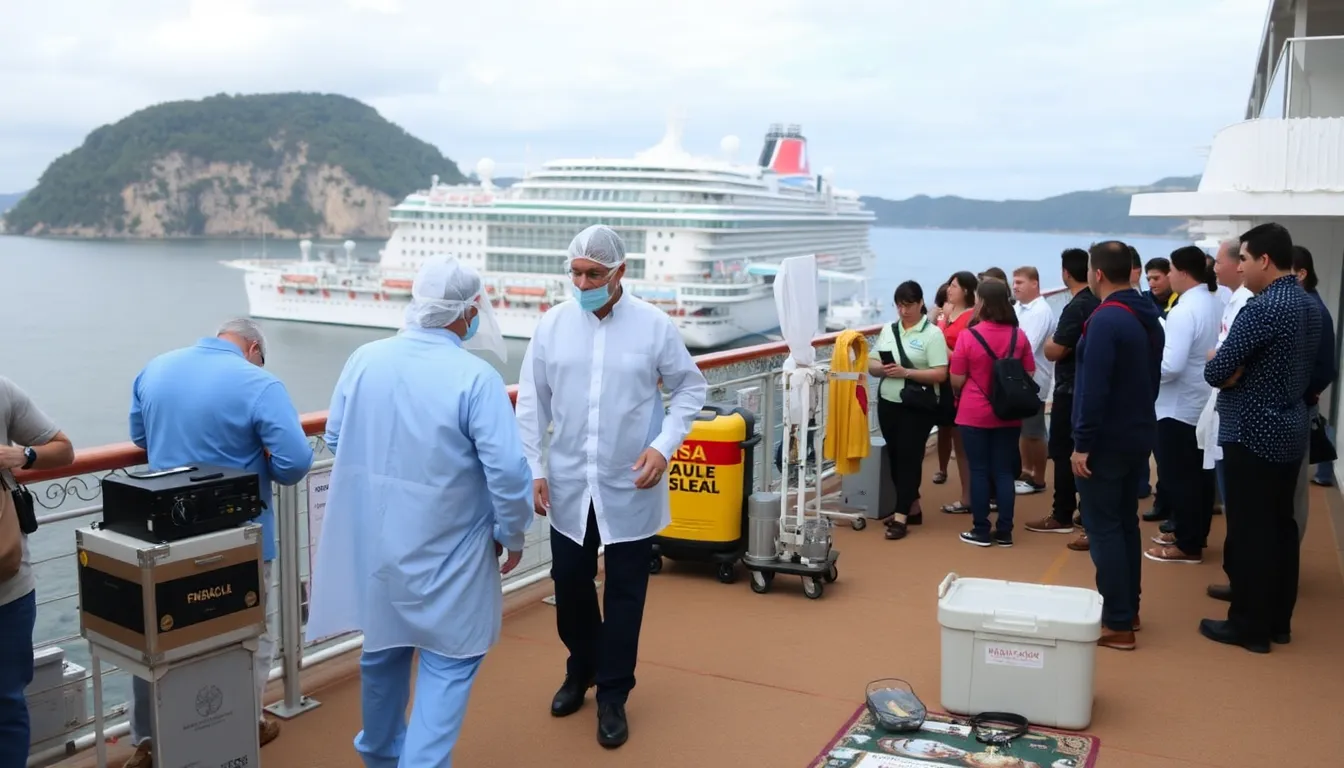
In the short term, the outbreak could lead to increased health screenings and stringent safety measures across the cruise industry. This includes enhanced sanitation practices and potential changes in passenger protocols, such as mandatory health declarations prior to boarding. The impact on business could be significant, with potential cancellations and reduced capacity on future cruises.
- Increased health and safety regulations for cruise lines.
- Potential decline in cruise bookings and revenue.
- Heightened public awareness of health risks associated with travel.
- Increased demand for travel insurance and health-related services.
In the mid-term, the industry may need to innovate and adapt to regain passenger trust. This could involve partnerships with health organizations to improve safety measures or the introduction of new technologies for monitoring health conditions on board. While there are risks associated with potential downturns in travel, there may also be opportunities for cruise lines to differentiate themselves through enhanced safety protocols and improved passenger experiences.
A: Hantavirus is a serious viral infection primarily spread by rodents. It can be transmitted to humans through contact with rodent droppings, urine, or saliva. A: The World Health Organization is conducting investigations and providing guidelines for cruise operators to enhance sanitation and health protocols. A: Passengers are advised to maintain good hygiene, avoid contact with rodents, and report any health concerns to the ship’s medical staff immediately. A: Symptoms of Hantavirus include fever, muscle aches, and fatigue, which may progress to respiratory issues. Early detection is crucial for treatment. A: If you believe you’ve been exposed, seek medical attention promptly and inform your healthcare provider about your potential exposure.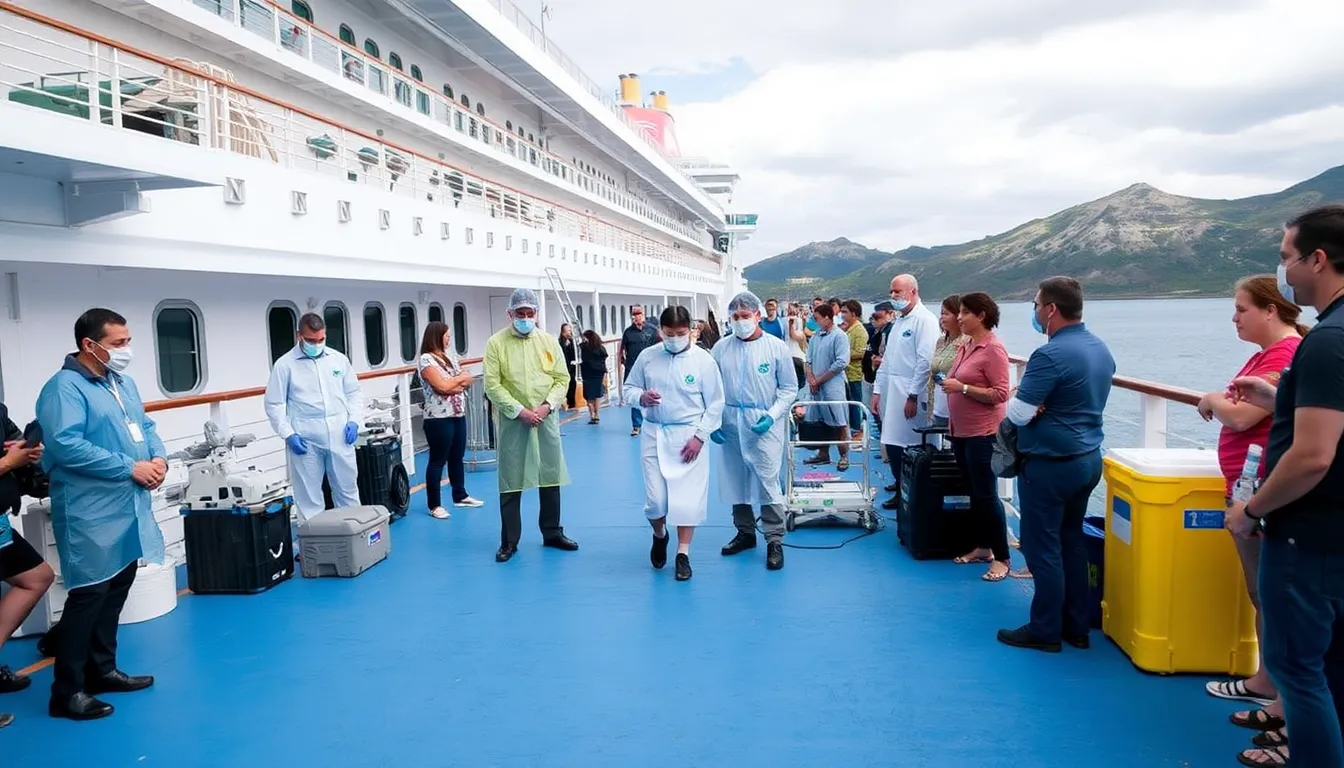
Frequently asked questions about the Hantavirus outbreak
Key takeaways and future outlook on the outbreak
The recent hantavirus outbreak aboard a cruise ship has raised significant concerns regarding public health and safety in the travel industry. As authorities continue to investigate the source of the virus and implement preventive measures, it is crucial to understand the implications of this incident for future travel and health protocols.
Monitoring the situation will be vital as the World Health Organization and other health agencies work to mitigate risks associated with hantavirus and similar pathogens. Travelers and cruise operators alike should remain vigilant and informed about health guidelines to ensure safety during voyages.
- Increased health screenings: Expect heightened health screenings and protocols on cruise ships to prevent future outbreaks.
- Public awareness campaigns: There may be a rise in public health campaigns aimed at educating travelers about hantavirus and its transmission.
- Travel advisories: Be prepared for potential travel advisories or restrictions in response to ongoing investigations.
- Enhanced sanitation measures: Cruise lines may implement more rigorous sanitation measures to reassure passengers.
- Monitoring wildlife interactions: Continued monitoring of wildlife interactions on cruise ships will be essential to prevent zoonotic disease transmission.