
The ban specifically targets both commercial and recreational drone sales, aiming to mitigate potential threats related to privacy and public safety. For more details on the implications of this ban, check out Understanding China’s Ban on Drone Sales in Beijing.
Key stakeholders in the drone industry, including manufacturers and retailers, are now facing challenges as they adapt to the new regulations. The ban is expected to impact local businesses and could lead to a decline in drone-related activities within the capital.
This decision aligns with China’s broader strategy to enhance national security and control over technology, particularly in urban environments. As cities continue to grow and technology evolves, the government is prioritizing measures that ensure public safety while balancing innovation.
Understanding the reasons behind the drone sales ban
The recent decision by China to ban drone sales in Beijing has been primarily driven by escalating security concerns amid a rapidly evolving technological landscape. Drones, which have become increasingly popular for both commercial and recreational use, pose potential risks, particularly in urban areas where their misuse could lead to significant disruptions and safety hazards. This ban reflects a broader trend in Chinese policy aimed at tightening control over emerging technologies that could be exploited for malicious purposes.
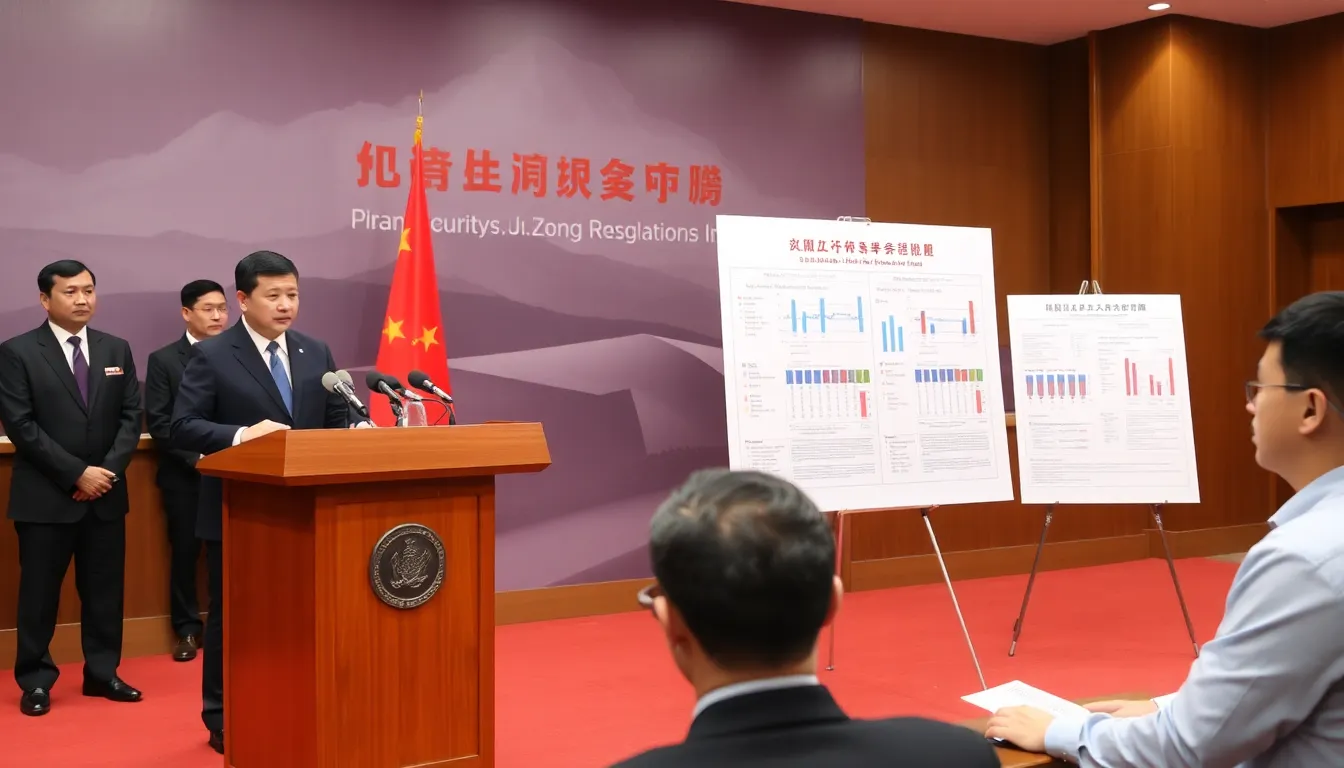
Historically, China has been vigilant about maintaining national security, especially in major cities like Beijing, which are seen as critical to the country’s political and economic stability. The government has previously implemented stringent regulations on various technologies, including telecommunications and internet usage, as part of its efforts to safeguard state interests. The rise of drone technology has prompted similar concerns, particularly as incidents of unauthorized drone flights near sensitive sites have raised alarms about surveillance and potential terrorist activities.
Key milestones in drone regulation
In 2017, the Civil Aviation Administration of China (CAAC) introduced regulations requiring drone operators to register their devices and obtain permits for flights in certain areas. This was a significant step toward establishing a framework for drone usage in the country, aligning with the existing regulations on technology like telecommunications and internet usage.
Moreover, the geopolitical landscape has also influenced China’s stringent stance on drone sales. As tensions rise between China and other nations, particularly regarding technology and security, the Chinese government is likely to adopt more protective measures to control technologies that could be used against it. This context underscores the complexity of balancing innovation with security in an age where technology can easily transcend borders.
Examining the key stakeholders affected by the ban
The recent decision by the Chinese government to ban drone sales in Beijing has significant implications for various stakeholders. These include government entities, drone manufacturers, consumers, and security agencies. Each of these groups has distinct interests that may conflict with one another, highlighting the complexity of the situation.
Government authorities, particularly those focused on national security, are primarily motivated by concerns over surveillance and potential misuse of drone technology. The ban is seen as a measure to enhance control over airspace and prevent unauthorized surveillance activities. This aligns with the government’s broader agenda to maintain security and stability in urban environments.
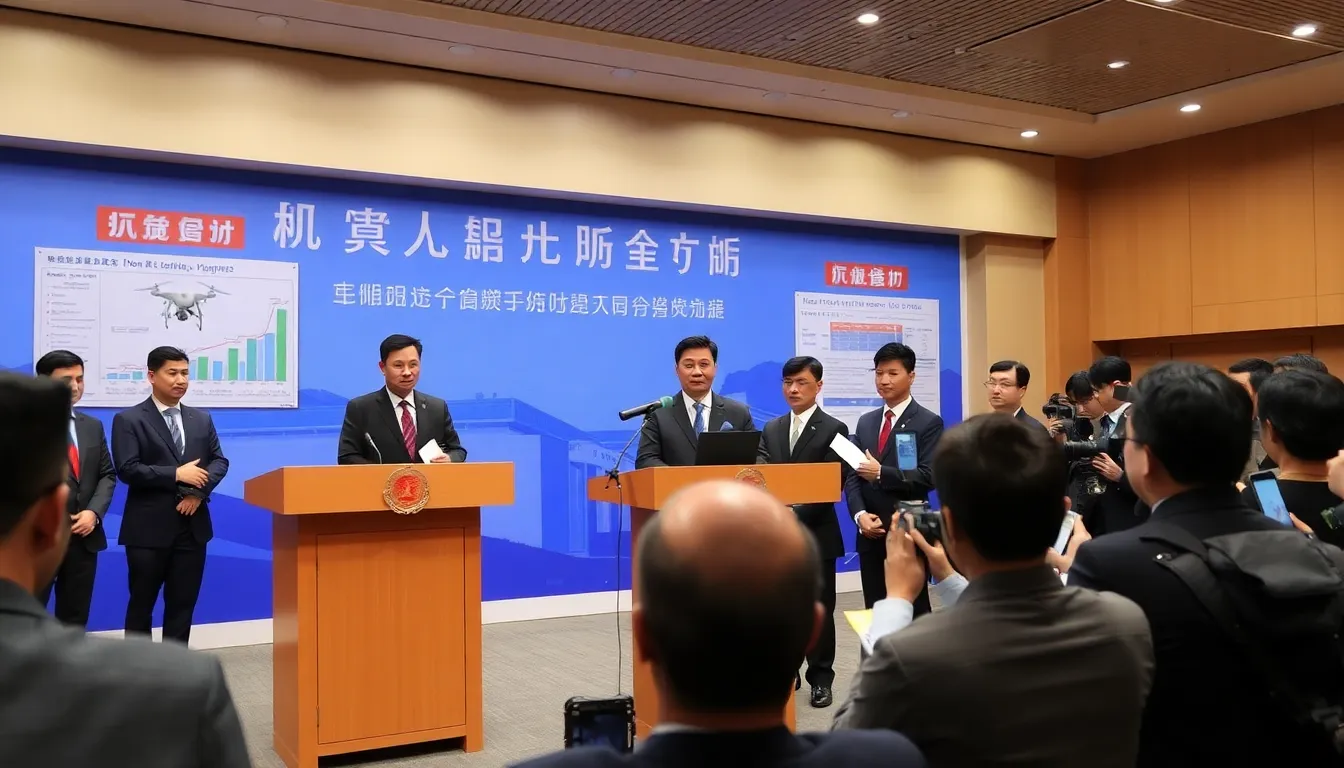
On the other hand, drone manufacturers and retailers face substantial economic repercussions from the ban. The drone industry has seen rapid growth, with many companies relying on sales in urban centers like Beijing. The restrictions could lead to significant financial losses and may hinder innovation within the sector. Additionally, there is a concern that such bans could push consumers towards black market alternatives.
- Security Concerns: The government is prioritizing national security over economic growth.
- Economic Impact: Manufacturers and retailers may experience decreased sales and revenue.
- Innovation Stifling: Restrictions could hinder advancements in drone technology and applications.
- Consumer Choices: The ban may limit options for consumers, leading to potential reliance on unregulated products.
- International Relations: The ban may affect China’s standing in global trade discussions regarding technology.
Furthermore, the ban raises legal questions regarding the regulation of technology in urban areas. The balance between security and economic interests is delicate, and stakeholders will need to navigate these challenges carefully. As the situation evolves, ongoing dialogue among these groups will be essential to address the underlying issues and find a sustainable path forward.
The potential impact on the drone market and consumers
The recent decision by China to ban drone sales in Beijing due to security concerns is set to have significant repercussions across various sectors. Primarily, this move will affect drone manufacturers and retailers, particularly those with a strong presence in urban markets. If you want more insights into related controversial topics, consider reading about Exploring the Connections Between Michael Jackson and Jeffrey Epstein.
In the short term, businesses involved in the drone supply chain may experience a decline in revenue as consumers and commercial clients adjust to the new regulations. Retailers in Beijing will likely see a drop in foot traffic and sales, leading to potential layoffs and financial strain. Additionally, hobbyists and professionals who rely on drones for photography, surveying, or delivery services will find their operations hindered, impacting their daily activities and productivity.
In the mid-term, the policy may influence broader market dynamics, prompting manufacturers to pivot their strategies. Companies may seek to develop drones that comply with stringent regulations or explore alternative markets outside of Beijing. This shift could lead to innovation in drone technology, as firms strive to create products that align with security requirements while still meeting consumer demands.
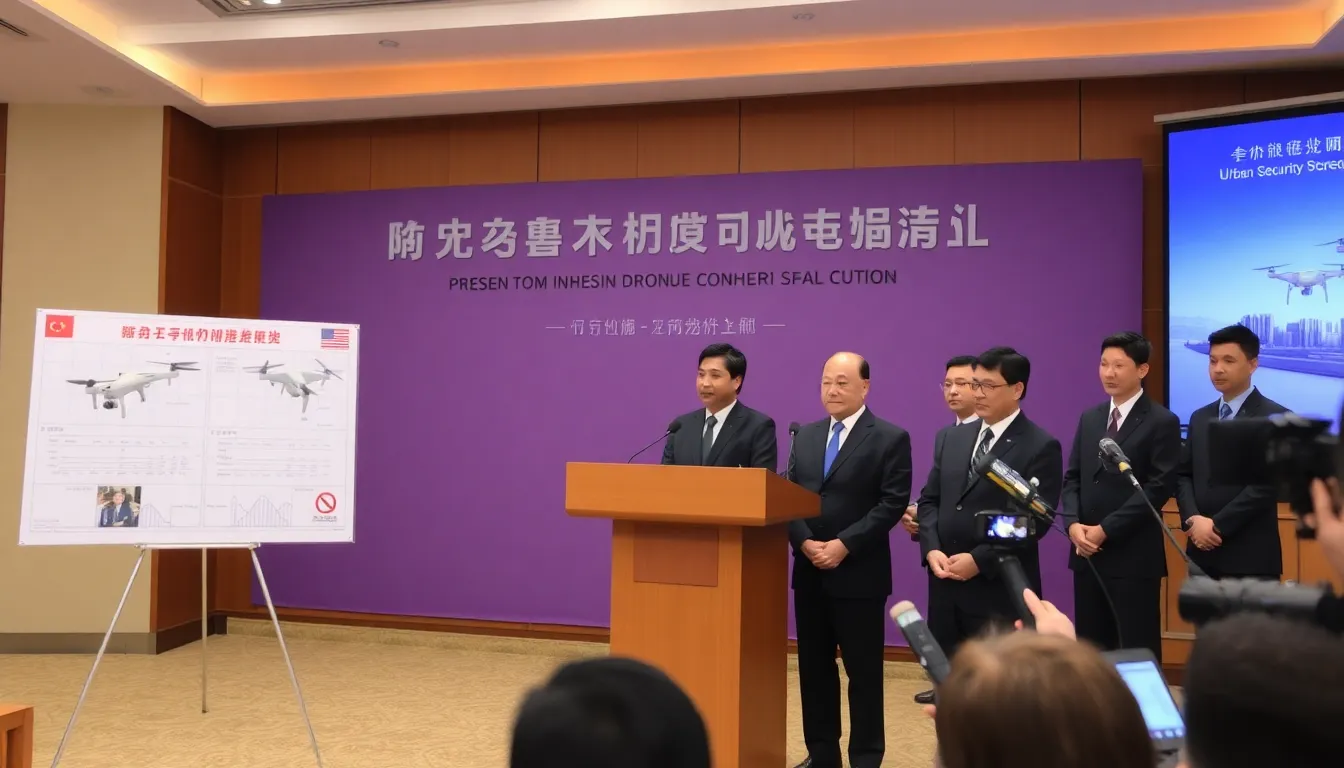
- Short-term risks: Decreased sales for retailers and manufacturers, job losses in the drone sector.
- Mid-term opportunities: Innovation in compliant drone technology, potential growth in alternative markets.
- Consumer impact: Limited access to drones for personal and professional use.
As the drone market adapts to these changes, there may also be opportunities for new businesses to emerge, focusing on drone services that adhere to the new regulations. This could foster a niche market for compliant drone operations, such as surveillance and agricultural monitoring, that align with government security protocols.
A: The ban is primarily due to security concerns, as authorities aim to prevent potential misuse of drones in sensitive areas. This decision reflects China’s ongoing efforts to tighten regulations on technology that could pose risks. A: The exact date for the implementation of the ban has not been officially announced, but it is expected to be enforced soon. Authorities are likely to provide further details in the coming weeks. A: Drone manufacturers may face significant challenges due to reduced sales opportunities in Beijing. This could lead to financial losses and a reevaluation of their market strategies. A: Currently, there are no known exceptions to the ban. However, specific regulations may be outlined later for commercial use or authorized entities. A: Current drone users may need to comply with new regulations, which could limit their ability to purchase new drones. This may also affect recreational drone activities in the city.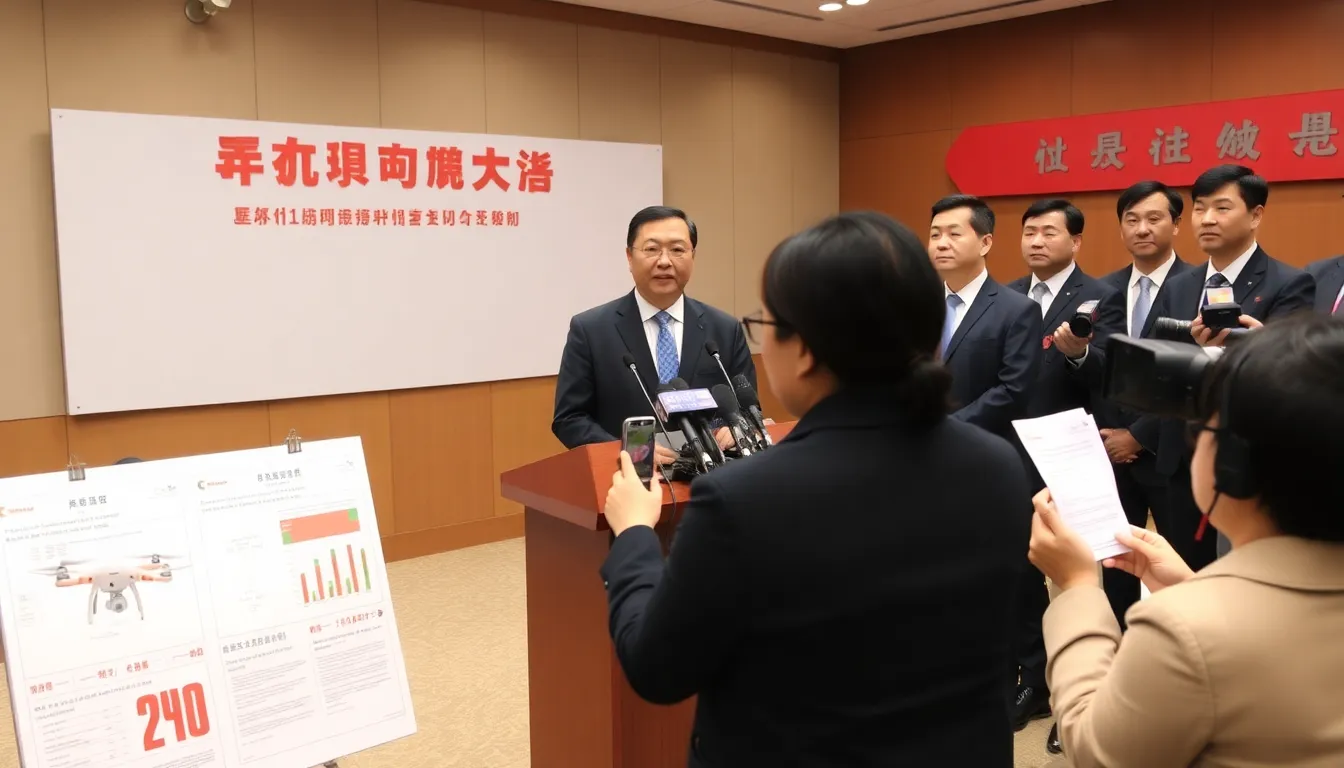
Frequently asked questions about the drone sales ban
Key takeaways and future outlook on drone regulations
The recent decision by China to ban drone sales in Beijing underscores the growing emphasis on security in urban environments. This move reflects broader concerns about the potential misuse of drone technology, particularly in sensitive areas. As cities worldwide grapple with similar challenges, the implications of such regulations may extend beyond China, influencing global drone policies and market dynamics.
Stakeholders in the drone industry, including manufacturers and consumers, will need to adapt to these evolving regulations. The shift could lead to increased demand for compliant drone technologies and innovations that prioritize safety and security. Observers should monitor how this ban affects both domestic and international markets, as well as potential responses from other nations facing similar security dilemmas.
- Watch for potential ripple effects on drone sales and manufacturing in other major cities.
- Consider how this ban could drive innovation in drone technology focused on compliance and security features.
- Monitor reactions from international drone manufacturers regarding market access and regulatory adaptations.
- Assess the impact on local businesses and hobbyists who rely on drone technology for various applications.
- Stay informed about future regulatory developments as governments worldwide address similar security concerns.