
In the experiment, participants observed snakes navigating complex mazes to obtain food rewards. The results indicated that snakes could learn and adapt their strategies, demonstrating a form of intelligence that parallels that of more commonly studied animals. This research not only highlights the cognitive diversity within the animal kingdom but also raises questions about the criteria used to measure intelligence across species, including the fascinating insights from other types of learning and adaptation.
The implications of this research extend beyond academic curiosity, as understanding animal intelligence can inform conservation efforts and animal welfare practices. As more species are recognized for their cognitive abilities, there may be a shift in how humans interact with and protect wildlife. This evolving perspective could lead to more effective strategies for preserving biodiversity in an era of environmental change.
Furthermore, the ongoing dialogue about intelligence tests across species emphasizes the need for more comprehensive frameworks that account for different types of intelligence. As scientists continue to explore the mental capabilities of various animals, society may need to reassess its definitions and expectations of intelligence, fostering a deeper appreciation for the complexities of the natural world.
The Fascination with Animal Intelligence
The study of animal intelligence has captivated humans for centuries, leading to a deeper understanding of the cognitive abilities present in various species. Among these, snakes have often been overlooked, primarily due to their elusive nature and the misconceptions surrounding their behavior. However, recent research has begun to challenge traditional views, revealing that snakes exhibit a range of intelligent behaviors that suggest a complex understanding of their environment.
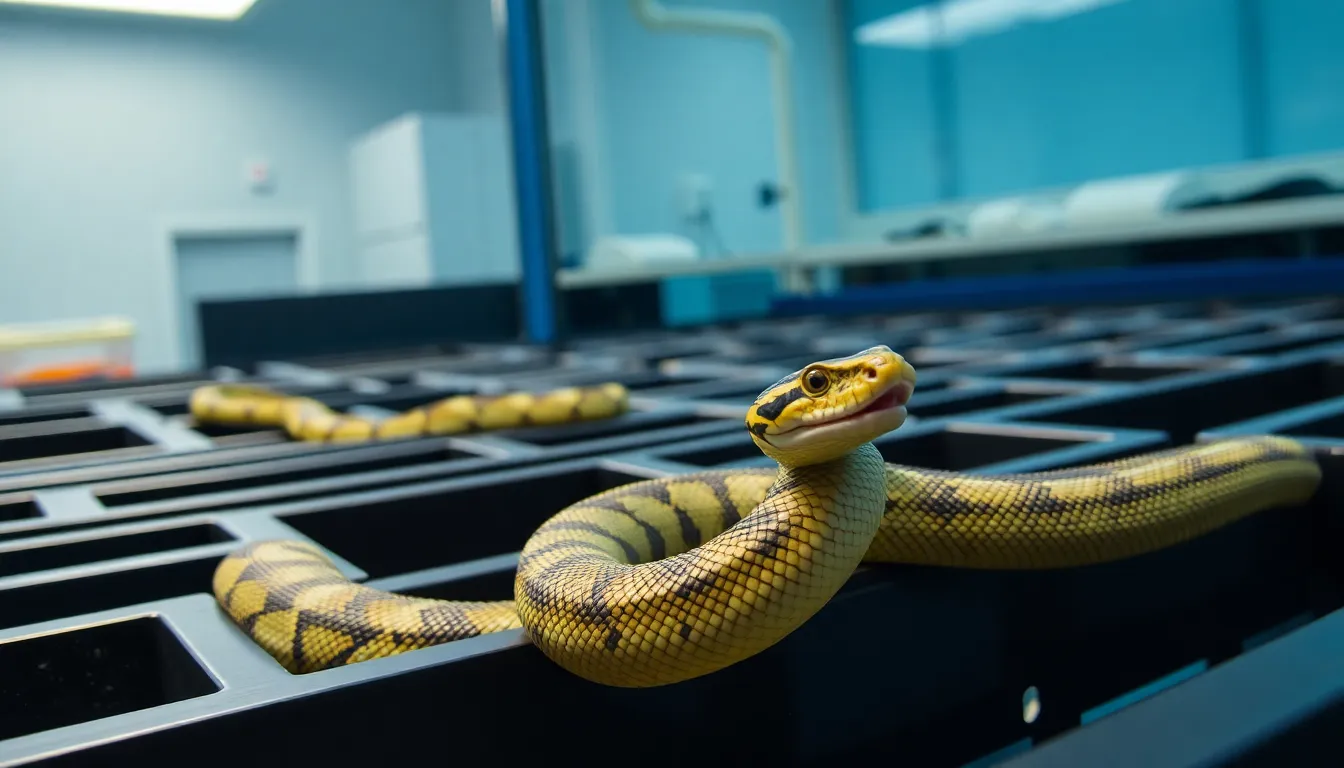
Historically, the perception of snakes has been shaped by cultural narratives that often depict them as symbols of danger and deceit. This negative portrayal has hindered scientific inquiry into their cognitive capabilities. However, as interest in animal behavior and intelligence has grown, researchers have started to investigate the problem-solving skills and adaptive strategies employed by snakes in the wild, leading to groundbreaking discoveries.
Key Milestones in Animal Intelligence Research
The field of animal intelligence research has seen significant milestones, from early observations of problem-solving in primates to recent studies on cephalopods and birds. In the late 20th century, the development of new methodologies and technologies allowed scientists to study animal behavior in more detail. For instance, studies on the foraging strategies of snakes have revealed their ability to learn from experience and adapt their hunting techniques based on environmental cues.
In recent years, the rise of citizen science and increased public interest in wildlife conservation have further fueled research into the intelligence of lesser-studied species, including snakes. This shift has opened up new avenues for understanding how these reptiles navigate their ecosystems, communicate with one another, and even evade predators, showcasing a level of sophistication that was previously underestimated.
As we continue to explore the cognitive abilities of snakes, it is essential to consider the broader implications of this research. Understanding animal intelligence not only enriches our knowledge of biodiversity but also informs conservation efforts, as it highlights the intricate relationships between species and their environments. The question, “Are you as s-s-smart as a snake?” invites us to reflect on our own perceptions of intelligence and the diverse forms it can take in the animal kingdom.
Comparing Human and Snake Intelligence
The ongoing debate about intelligence often pits humans against various species in the animal kingdom, with snakes being a particularly intriguing comparison. The main actors in this discussion include researchers in cognitive science, wildlife conservation organizations, and educators. Each group has its own interests, ranging from advancing scientific knowledge to promoting the conservation of snake species.
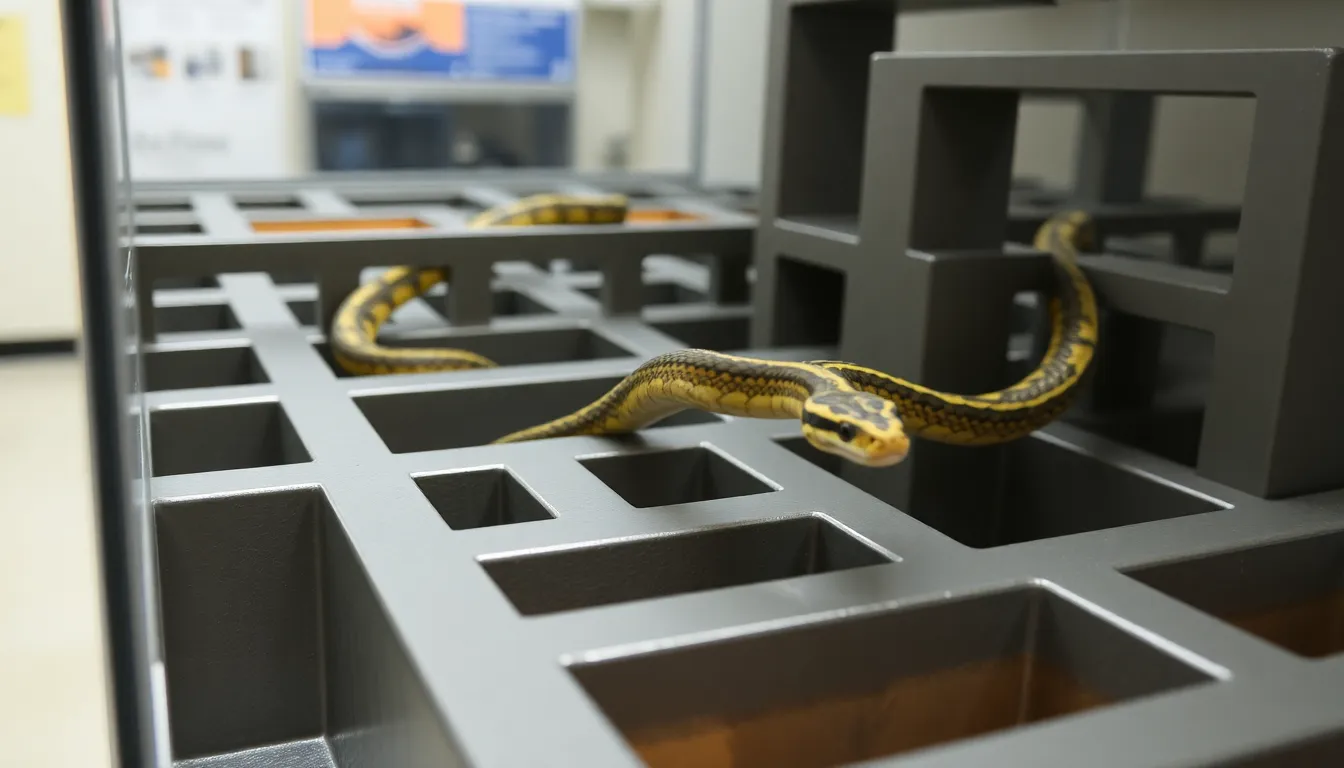
Researchers are primarily interested in understanding the cognitive abilities of snakes compared to humans. They aim to explore how different environments and evolutionary pressures shape intelligence. This includes studying problem-solving skills, memory, and learning capabilities in snakes. Wildlife conservation organizations, on the other hand, focus on the ecological importance of snakes and the need to protect their habitats, which can sometimes conflict with public perceptions of snakes as dangerous creatures.
Key legal and economic issues arise in this context, particularly regarding wildlife protection laws and the impact of human activities on snake populations. For instance, habitat destruction and climate change pose significant threats to snakes, which can lead to a decline in their populations. This decline can have broader ecological implications, as snakes play a crucial role in controlling pest populations and maintaining balanced ecosystems.
- Research funding may be limited due to competing interests in more charismatic species.
- Public education initiatives can help shift perceptions of snakes, reducing fear and promoting conservation.
- Legal regulations on habitat protection may be challenged by development projects.
- Economic incentives for conservation can align with scientific research goals.
- Collaboration between scientists and conservationists can enhance understanding and protection of snake intelligence.
In summary, the analysis of stakeholders and key issues surrounding the intelligence of humans and snakes reveals a complex interplay of interests and challenges. Understanding these dynamics is essential for fostering a more nuanced appreciation of both human and snake capabilities.
How Intelligence Tests Influence Perceptions
The recent fascination with intelligence tests, particularly the playful challenge of “Are you as s-s-smart as a snake?”, has sparked interest across various demographics. This trend impacts students, educators, and employers, as well as industries focusing on cognitive assessment and personal development. Regions with a strong emphasis on educational reform may see heightened discussions surrounding the validity and applicability of such tests.
In the short term, individuals may experience increased pressure to perform well on intelligence tests, affecting their self-esteem and academic confidence. Schools may adopt new curricula that prioritize cognitive skills, leading to a shift in teaching methodologies. Employers might also start integrating these tests into hiring processes, which could alter the job market dynamics.
Mid-term impacts could include a broader societal shift in how intelligence is perceived. As intelligence tests become more mainstream, there may be a growing debate on their fairness and relevance. This could lead to policy changes in educational systems, advocating for more holistic approaches to assessing intelligence that go beyond traditional metrics.
- Risks: Increased stress and anxiety among students and job seekers.
- Opportunities: Development of innovative educational tools and programs.
- Risks: Potential for discrimination based on test results.
- Opportunities: Enhanced focus on cognitive diversity in workplaces.
Ultimately, the engagement with intelligence tests like these can reshape perceptions of intelligence itself, leading to both challenges and advancements in various sectors. Stakeholders must navigate these changes thoughtfully to harness the positive potential while mitigating associated risks.
A: Being as smart as a snake refers to understanding the unique problem-solving abilities and survival strategies that snakes possess. It highlights a different kind of intelligence that may not be comparable to human intellect. A: Intelligence tests can provide insights into cognitive abilities, but they may not capture all aspects of intelligence. Factors like creativity and emotional intelligence are also important. A: Snakes exhibit intelligence through their hunting strategies, ability to navigate their environment, and adapt to various situations. Their survival skills are a testament to their cognitive abilities. A: Yes, studying animal intelligence can provide valuable lessons in problem-solving and adaptability. It can inspire innovative approaches in various fields, including technology and psychology.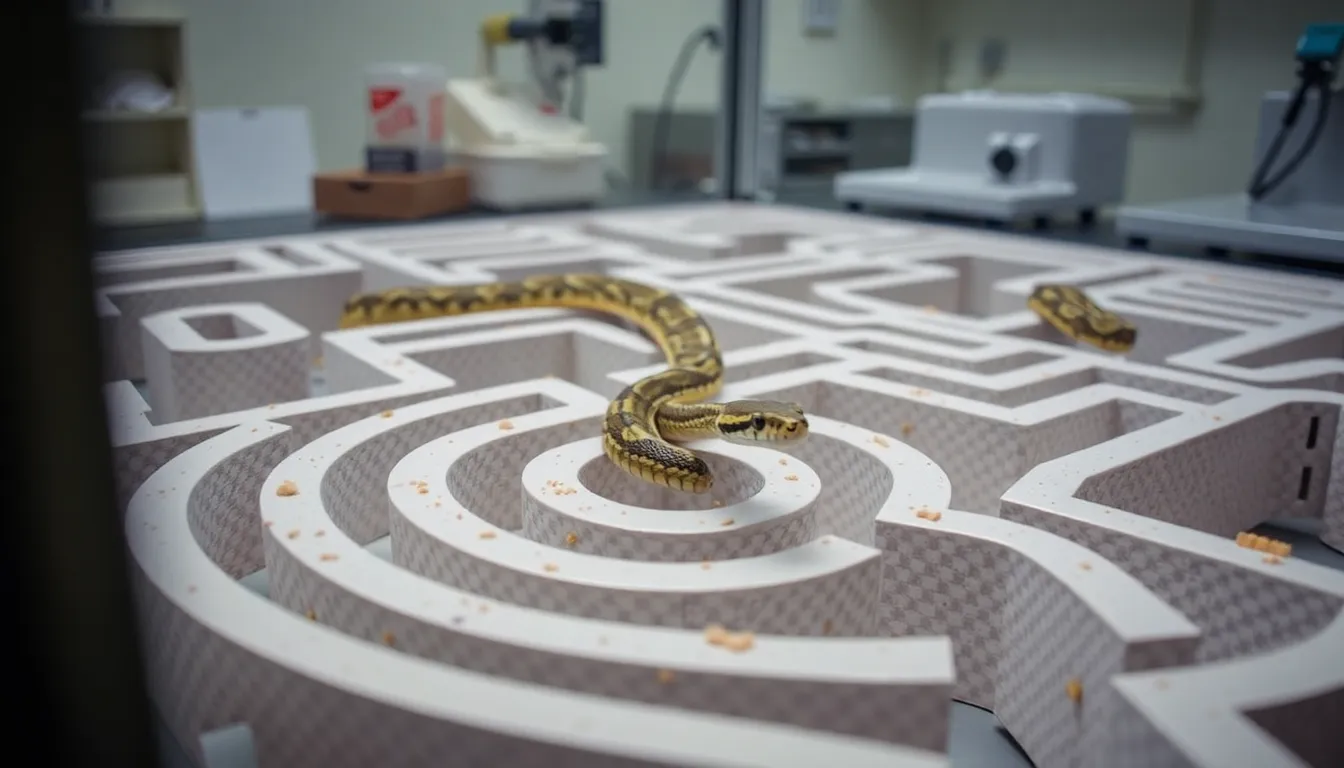
Frequently Asked Questions about Intelligence Tests
Key Takeaways and Future Insights
The exploration of intelligence across species, particularly in comparison to snakes, opens up intriguing avenues for understanding cognitive abilities in the animal kingdom. As we delve deeper into the problem-solving skills exhibited by these reptiles, we gain insights into the evolutionary advantages their unique adaptations confer. This perspective encourages a broader examination of intelligence beyond human-centric definitions, highlighting the necessity to appreciate diverse cognitive strategies in nature.
Future research may not only enhance our understanding of animal intelligence but also inform advancements in artificial intelligence, where learning from nature could lead to more sophisticated problem-solving algorithms. Observing how snakes navigate challenges can inspire innovative approaches in various fields, from robotics to environmental conservation.
- Understanding snake intelligence may redefine cognitive benchmarks in the animal kingdom.
- Insights gained could influence the development of AI systems modeled after natural problem-solving strategies.
- Future studies should focus on the ecological roles of intelligent behaviors in wildlife conservation efforts.
- Comparative analysis of intelligence across species may reveal unexpected connections and adaptations.