
For instance, the United Nations has declared 2021-2030 as the “Decade on Ecosystem Restoration,” encouraging countries to take action. This global campaign has led to collaborative projects in countries such as India, where over 66 million trees were planted in a single day in July 2019, showcasing the potential impact of large-scale tree planting efforts. For more on the global response to environmental challenges, check out our article on global forest loss.
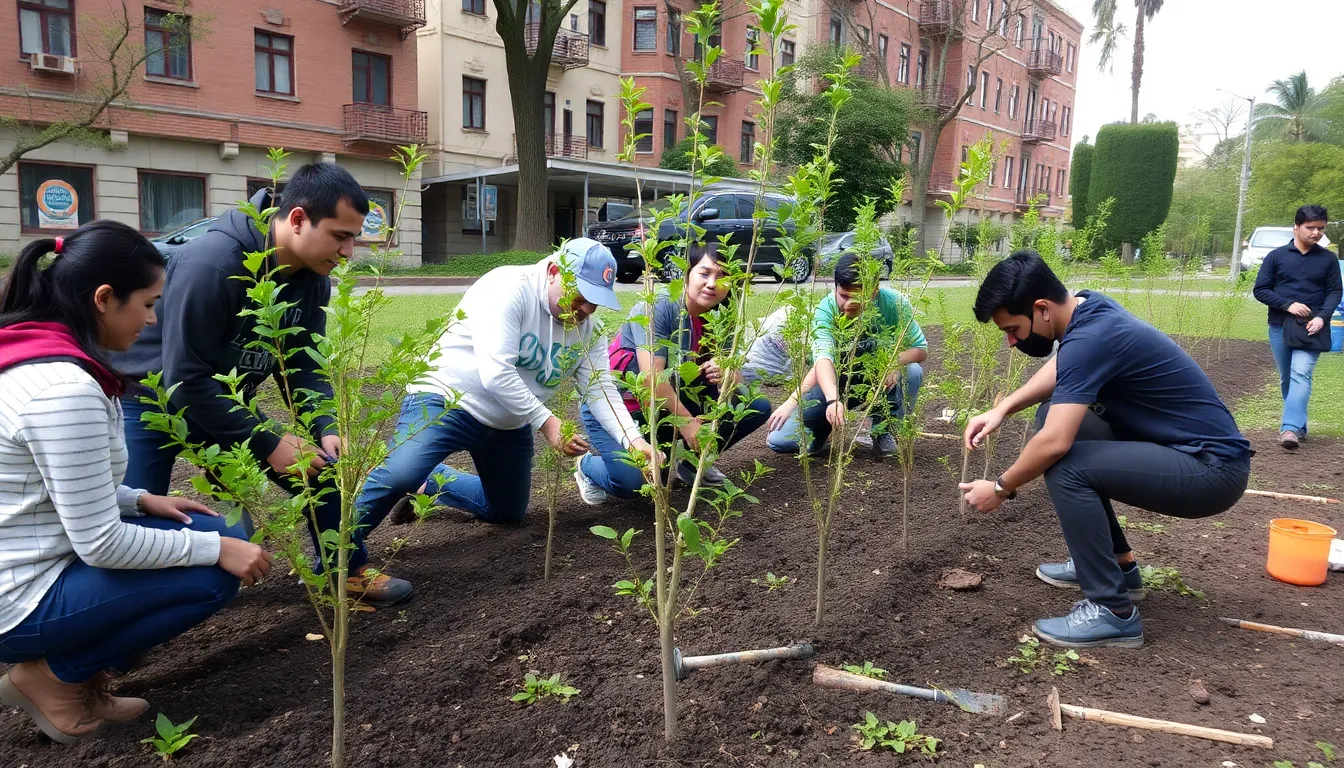
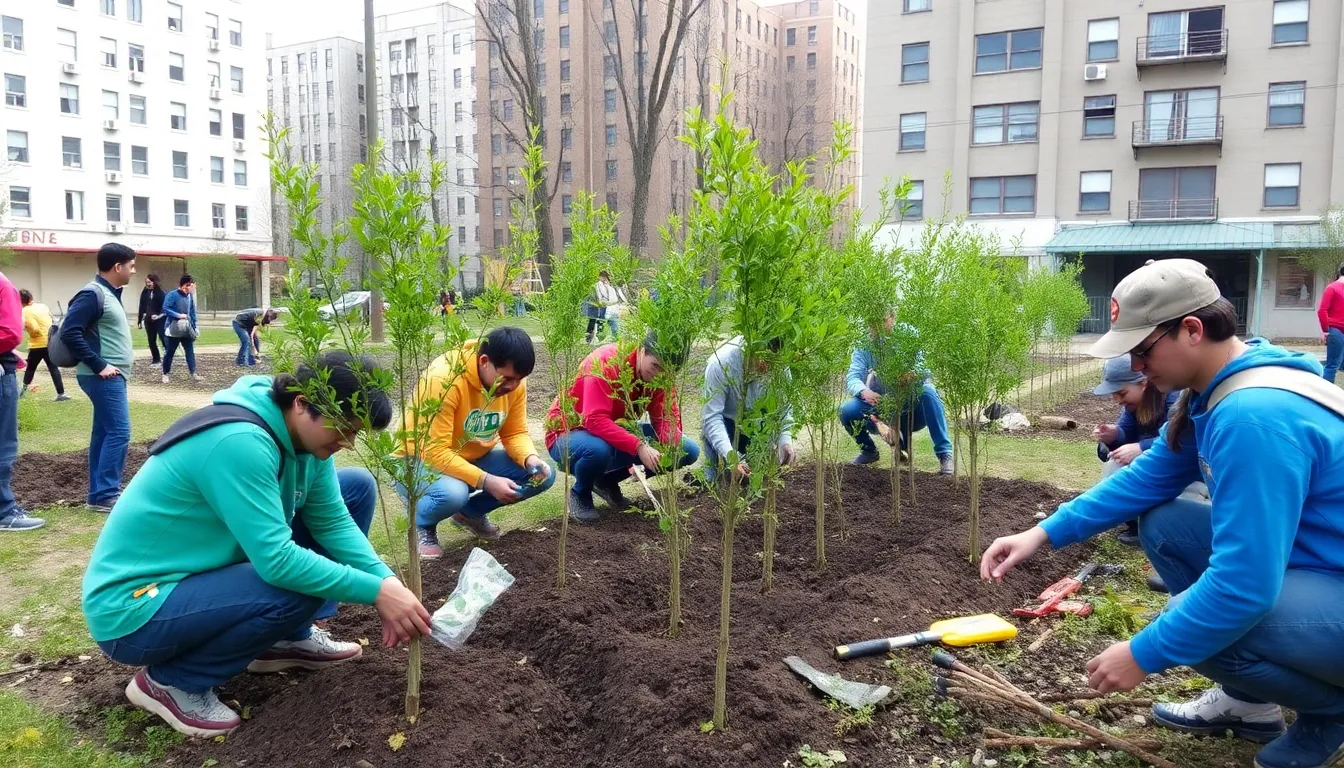
Local communities are also actively participating in these initiatives, often organizing volunteer events to plant trees in urban areas. These grassroots movements not only contribute to environmental sustainability but also foster community engagement and raise awareness about the importance of green spaces in urban settings.
Furthermore, recent studies highlight that reforestation can significantly enhance carbon sequestration, thereby mitigating the effects of climate change. As nations set ambitious carbon neutrality goals, the integration of tree planting into environmental policies is becoming increasingly essential. This aligns with global trends, such as those discussed in our article on food security in Asia.
As these efforts continue to unfold, the potential for creating “habitat powerhouses” becomes evident, with diverse ecosystems emerging from newly planted forests. The collaboration between governments, NGOs, and local communities is crucial in ensuring the long-term success of these initiatives and their impact on global biodiversity.
Understanding the importance of tree habitats
Throughout history, forests have played a vital role in maintaining ecological balance and supporting biodiversity. Tree habitats serve as essential ecosystems that provide shelter and food for countless species, contributing to the overall health of our planet. As urbanization and deforestation have accelerated over the past century, the significance of preserving and creating these habitats has become increasingly apparent.
The political landscape surrounding tree conservation has evolved significantly since the late 20th century. In the 1970s, environmental movements gained momentum, leading to the establishment of various policies aimed at protecting natural resources. Legislation such as the Endangered Species Act in the United States highlighted the urgency of safeguarding habitats to prevent biodiversity loss. These early efforts laid the groundwork for contemporary initiatives focused on reforestation and habitat restoration.
Economically, the value of tree habitats extends beyond environmental benefits. Healthy forests contribute to tourism, recreation, and even agriculture, providing livelihoods for millions worldwide. The recognition of ecosystem services has prompted governments and organizations to invest in tree planting initiatives, acknowledging that sustainable practices can yield long-term economic gains. The global push for carbon neutrality has further amplified the importance of trees, as they are crucial in sequestering carbon dioxide and combating climate change, as noted in discussions about AI influence in various sectors.
Key milestones in habitat restoration
Over the last few decades, several key milestones have marked the progress of habitat restoration efforts. The Bonn Challenge, launched in 2011, aimed to restore 150 million hectares of deforested and degraded land by 2020, inspiring countries to commit to ambitious reforestation goals. Additionally, the UN’s Decade on Ecosystem Restoration, starting in 2021, has mobilized global efforts to revive ecosystems, emphasizing the role of trees in creating habitat powerhouses. These initiatives reflect a growing recognition of the interconnectedness of human well-being and healthy ecosystems.
Key stakeholders involved in habitat creation
The initiative to create habitat powerhouses through the planting of thousands of trees involves a diverse array of stakeholders, each with their own interests and motivations. Key actors include governmental bodies, environmental organizations, local communities, and private sector companies. Understanding their roles and the dynamics between them is essential for grasping the broader implications of habitat creation efforts.
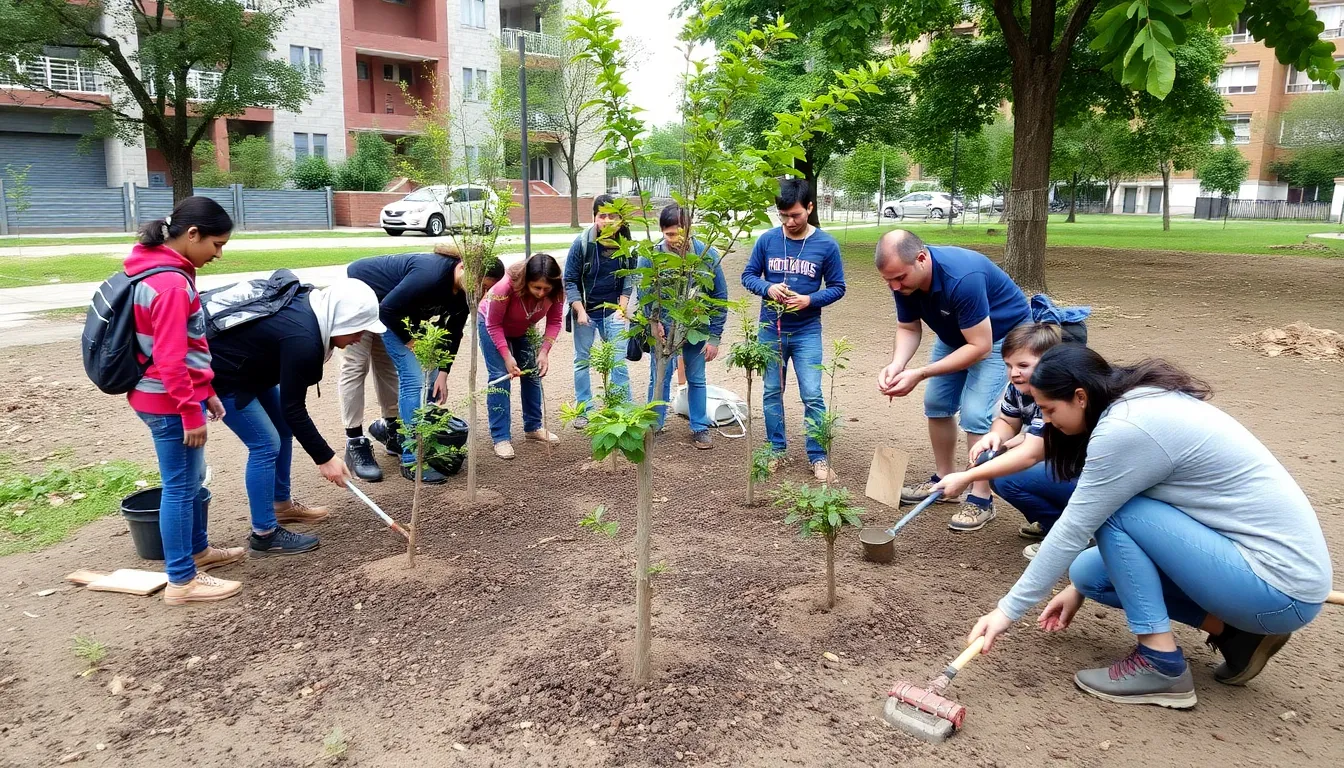
Governmental bodies, such as local and national environmental agencies, are primarily interested in promoting biodiversity and mitigating the effects of climate change. They often provide funding and regulatory support for tree-planting initiatives. However, their policies can sometimes conflict with the interests of local communities who may prioritize land for agriculture or development.
Environmental organizations play a crucial role in advocating for habitat restoration and conservation. They often collaborate with governments to implement tree-planting programs and raise public awareness about the benefits of increased green spaces. Yet, these organizations may face challenges in balancing ecological goals with the economic needs of local populations, leading to potential trade-offs.
- Local communities: Their interests may include land use for agriculture and housing, which can conflict with habitat creation efforts.
- Private sector companies: They may invest in tree-planting initiatives for corporate social responsibility, but their motives can sometimes be questioned if profit is prioritized over ecological benefits.
- Legal frameworks: Existing laws regarding land use and environmental protection can complicate the implementation of tree-planting initiatives.
- Economic implications: Funding for habitat creation often relies on grants and donations, which can be unpredictable and affect project sustainability.
Moreover, the economic implications of habitat creation can lead to significant discussions among stakeholders. While the long-term benefits of increased biodiversity and ecosystem services are well-documented, the immediate costs and resource allocation can create friction. Stakeholders must navigate these complexities to achieve a balance that satisfies both ecological and economic objectives.
The effects on local ecosystems and communities
The initiative to plant thousands of trees is set to significantly impact various groups, industries, and regions. Local communities, environmental organizations, and government agencies are among those who will feel the effects. These stakeholders are directly involved in the conservation efforts and will benefit from improved biodiversity and ecosystem services.
In the short term, residents in affected areas may experience heightened air quality and enhanced recreational spaces. The presence of new green areas can lead to increased foot traffic, benefiting local businesses as more people visit parks and natural spaces. Additionally, educational programs about the importance of trees and biodiversity can foster community engagement.
In the mid-term, industries such as tourism and agriculture may see substantial changes. Regions known for their natural beauty could attract more tourists, creating economic opportunities for local businesses. Conversely, agricultural practices may need to adapt to the new ecological balance, which could require investments in sustainable farming techniques.
However, there are risks associated with such large-scale planting initiatives. If not managed properly, the introduction of non-native species could disrupt existing ecosystems. Additionally, communities may face challenges related to maintenance and potential conflicts over land use.
- Short-term impacts: Improved air quality, increased foot traffic for local businesses.
- Mid-term impacts: Boost in tourism, changes in agricultural practices.
- Risks: Potential disruption of local ecosystems, maintenance challenges.
- Opportunities: Enhanced community engagement, economic growth through eco-tourism.
A: Trees provide shelter and food for various species, helping to maintain biodiversity. They also play a crucial role in carbon sequestration, which is vital for combating climate change. A: Tree planting initiatives typically involve community engagement, funding from organizations, and collaboration with local governments to ensure successful growth and maintenance of the trees. A: A variety of native tree species are often chosen to ensure they thrive in the local environment and support the existing ecosystem. A: Individuals can participate by joining local conservation groups, volunteering for planting events, or even starting their own tree planting initiatives in their communities. A: Long-term benefits include improved air and water quality, enhanced biodiversity, and increased resilience against climate impacts, ultimately leading to healthier ecosystems.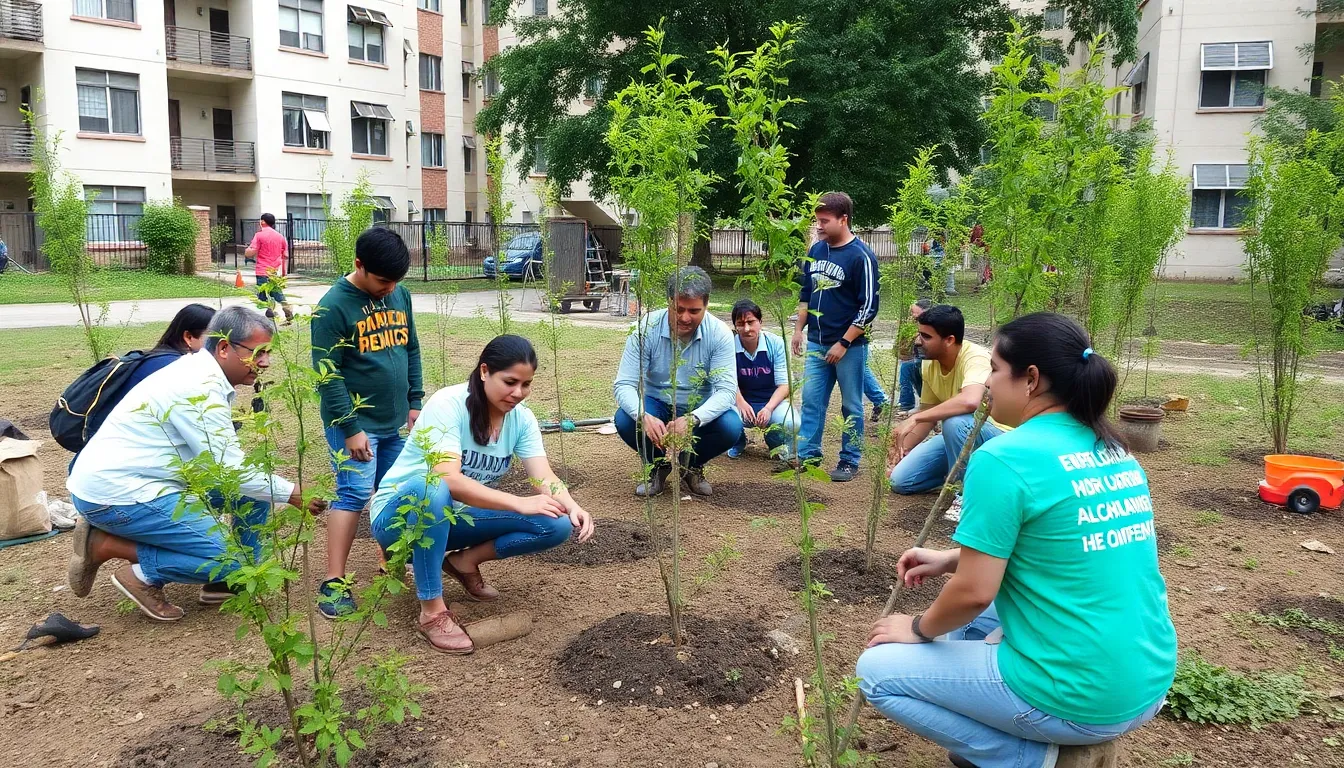
Frequently asked questions about tree habitats
Key takeaways and future outlook on tree planting
The initiative to plant thousands of trees as habitat powerhouses has significant implications for biodiversity and climate resilience. As these trees mature, they will not only provide essential habitats for various species but also play a crucial role in carbon sequestration and air quality improvement. The success of this initiative can serve as a model for other regions, demonstrating the potential of large-scale tree planting efforts to combat environmental challenges.
Looking ahead, it will be important to monitor the ecological impacts of these newly created habitats and assess how they contribute to local ecosystems. Engaging communities in the ongoing care and maintenance of these trees will also be vital for ensuring their long-term success and sustainability.
- Monitor the biodiversity changes in areas where trees are planted to assess the impact on local wildlife.
- Encourage community involvement in tree maintenance to foster a sense of ownership and responsibility.
- Explore potential partnerships with environmental organizations to enhance the reach and effectiveness of tree planting initiatives.
- Evaluate the economic benefits of tree planting, such as increased property values and tourism opportunities.
- Promote educational programs that highlight the importance of trees in urban and rural environments.