
In a recent survey conducted by the Unite union, 80% of health visitors reported feeling overwhelmed by their workloads, which have nearly doubled in recent years. The increase in caseloads is attributed to budget cuts, staffing shortages, and rising demand for health services, particularly following the COVID-19 pandemic. These factors have combined to create what many health visitors describe as an “impossible” working environment. For more insights on healthcare challenges, you can read about Obamacare enrollment.
The implications of these excessive caseloads are profound, as health visitors play a crucial role in early intervention and support for families, particularly those with young children. With limited time to devote to each family, important health checks and developmental assessments may be overlooked, potentially leading to long-term negative outcomes for children. Experts warn that failing to address this issue could exacerbate health inequalities and strain the broader healthcare system.
Calls for action are growing, with health professionals urging local authorities and government bodies to reconsider staffing levels and funding allocations. Several health visitor organizations are advocating for a cap on caseloads to ensure that each professional can deliver adequate support. As discussions continue, the future of health visiting services hangs in the balance, highlighting the need for urgent reform in the sector.
Understanding the background of health visitor workloads
The role of health visitors has evolved significantly over the past few decades, with their responsibilities expanding to encompass a wide range of public health initiatives aimed at improving maternal and child health. Historically, health visitors were primarily focused on providing support to new mothers and their infants. However, as public health needs have changed, so too have the expectations placed on these professionals, leading to increased caseloads that many argue are unsustainable. This evolution reflects broader changes in health care strategies, as seen in my experience with private health services.
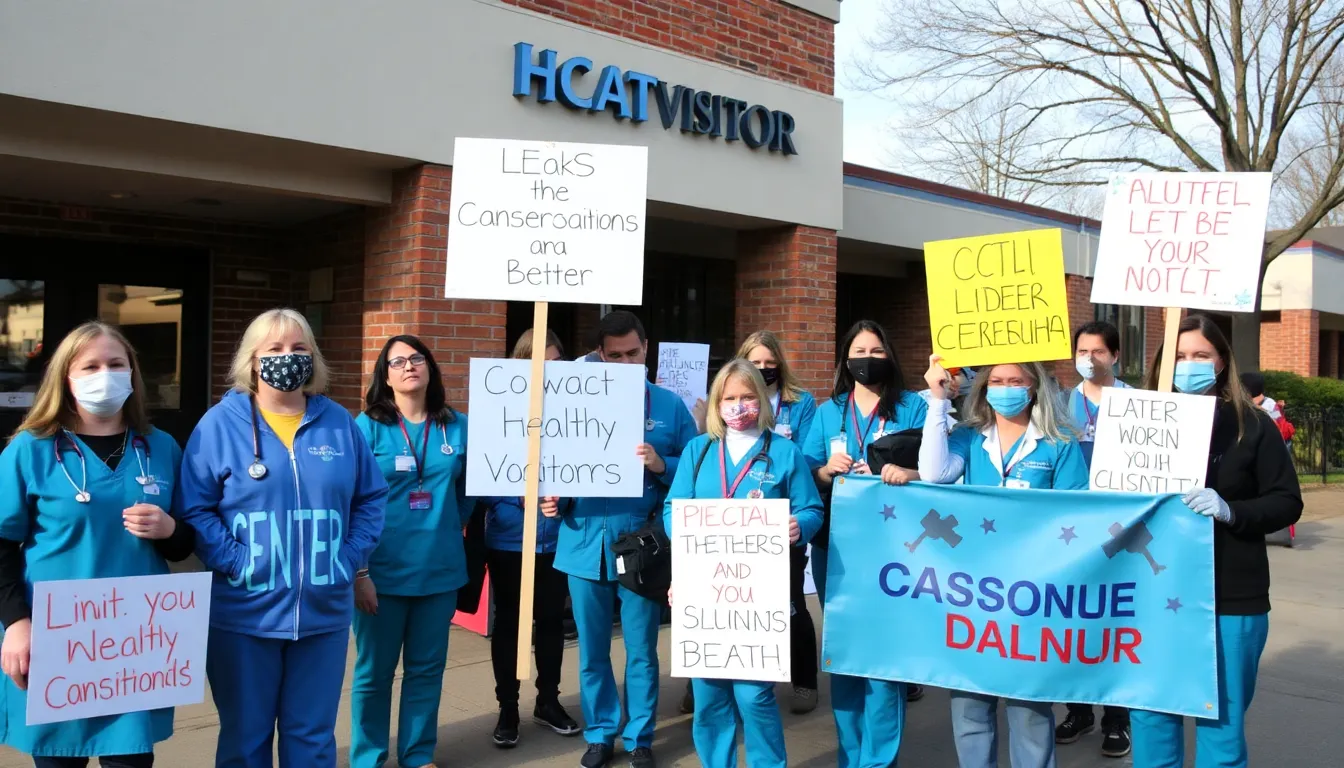
In the early 2000s, the UK government recognized the importance of early intervention in health care and began to invest more in health visiting services. This was part of a broader strategy to address health inequalities and improve outcomes for children and families. However, despite these investments, funding has often failed to keep pace with the growing demands placed on health visitors, leading to caseloads that can exceed 1,000 families in some areas.
Political decisions regarding health care funding have also played a crucial role in shaping the current landscape. Austerity measures implemented in the wake of the 2008 financial crisis led to significant cuts in public health budgets. As a result, many local authorities have had to make difficult choices, often prioritizing immediate needs over long-term health outcomes. This has contributed to the overwhelming workloads faced by health visitors, who are now expected to deliver high-quality care to an increasing number of families with fewer resources.
The impact of high caseloads
Research has shown that high caseloads can negatively affect the quality of care provided by health visitors, leading to burnout and job dissatisfaction. The inability to provide adequate support can have dire consequences for families, particularly those in vulnerable situations. Moreover, as health visitors struggle to manage their workloads, the very foundation of preventive health care is at risk, undermining efforts to improve public health outcomes across communities.
Key stakeholders and issues surrounding health visitor workloads
The debate over health visitor workloads primarily involves various stakeholders, including health visitors themselves, local government authorities, and families relying on these services. Health visitors, who play a crucial role in supporting families, are advocating for manageable caseloads that allow them to provide adequate care and attention to each family. Their primary interest lies in ensuring quality service delivery, which is compromised when caseloads reach unsustainable levels, such as the reported 1,000 families per health visitor.
Local government authorities are significant players in this issue, as they are responsible for funding and staffing health visitor programs. Their interests often revolve around budget constraints and resource allocation, which can lead to conflicts with the needs expressed by health visitors. In many cases, local authorities may prioritize cost-cutting measures over the quality of health services, creating a tension between fiscal responsibility and community health outcomes.
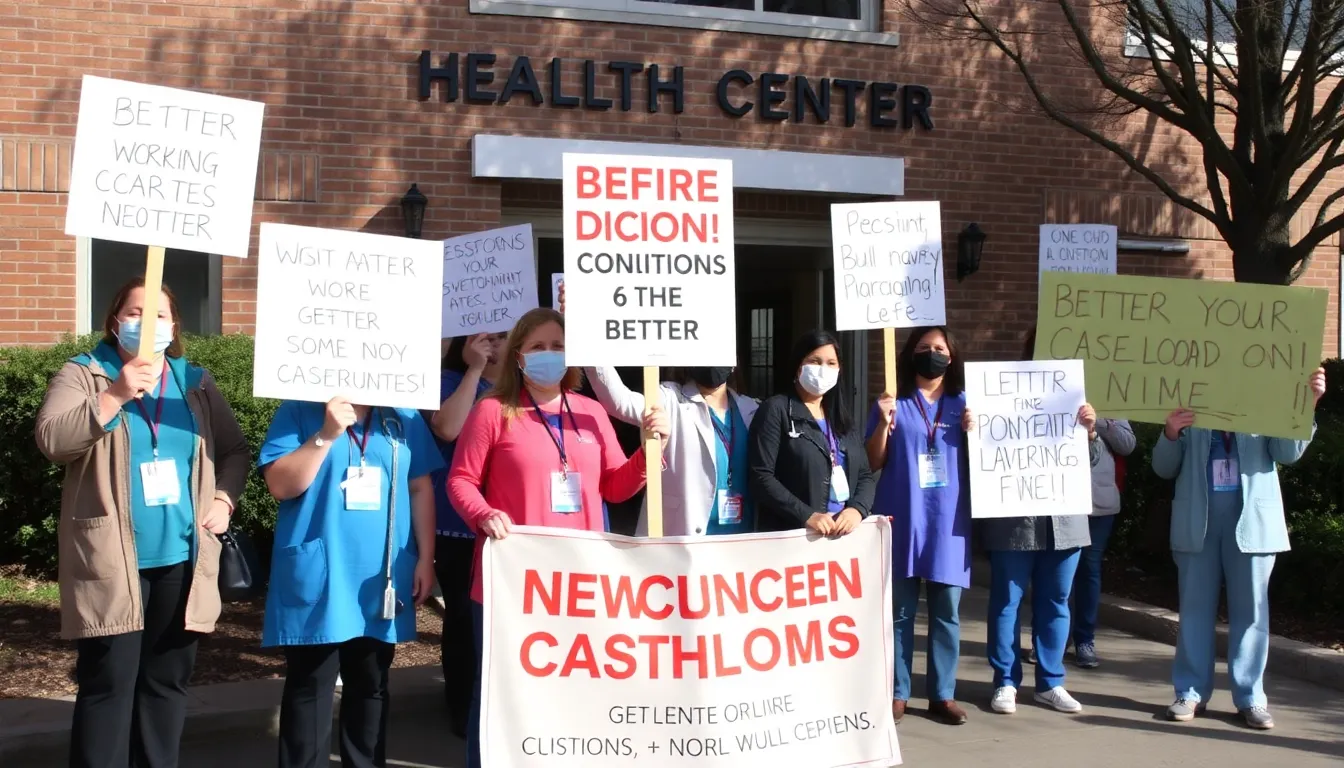
Families, particularly those with young children, are also key stakeholders in this discussion. They rely on health visitors for essential support in areas such as child development, mental health, and parenting advice. When health visitors are overburdened, families may experience delays in receiving necessary assistance, which can have long-term implications for child well-being. The interests of families highlight the urgent need for a balance between resource management and the provision of effective health care.
- Workload Limits: Health visitors are calling for a cap on the number of families assigned to each visitor to ensure manageable caseloads.
- Funding Challenges: Local authorities face budgetary pressures that complicate efforts to hire more health visitors or reduce existing caseloads.
- Impact on Families: High caseloads can lead to inadequate support for families, potentially affecting child health and development.
- Quality of Care: The quality of health visitor services may decline as professionals struggle to meet the demands of excessive workloads.
- Policy Implications: Policymakers must navigate the delicate balance between budget limitations and the need for effective health services.
The impact of high caseloads on families and health services
The call from health visitors for limits on 1,000-family caseloads highlights the strain on essential health services and the families they serve. This situation predominantly affects vulnerable populations, including low-income families, single parents, and those with complex health needs. Regions with higher poverty rates are likely to feel the impact most acutely, as these families often rely heavily on health visitors for support. As we analyze these implications, it’s essential to consider the broader context of public health initiatives.
In the short term, the overwhelming caseloads can lead to decreased quality of care for families. Health visitors may struggle to provide adequate attention and resources to each family, resulting in missed health assessments and delayed interventions. This can exacerbate existing health issues, leading to increased hospital admissions and further strain on healthcare resources.
In the mid-term, the implications could extend to policy changes and funding allocations for health services. As public outcry grows, there may be opportunities for advocacy groups to push for increased investment in health visitor programs. This could lead to a reevaluation of staffing models and a focus on sustainable caseload limits, improving overall service delivery.

- Risks: Increased health complications among families, potential rise in healthcare costs, and burnout among health visitors.
- Opportunities: Advocacy for policy reforms, potential funding increases for health services, and improved community health outcomes.
Overall, the call for limits on caseloads not only addresses immediate concerns for families but also opens a dialogue about the future of health services and the necessary support for those who provide them.
A: Health visitors are currently managing caseloads of up to 1,000 families, which is deemed impossible for effective service delivery. A: High caseloads can lead to burnout among health visitors and a decline in the quality of care provided to families. A: Solutions include implementing limits on caseload sizes and increasing funding for health visiting services to ensure adequate staffing. A: Families may receive less attention and support, which can negatively impact their health and well-being. A: Various health organizations are advocating for policy changes and better resource allocation to tackle the issue of high caseloads.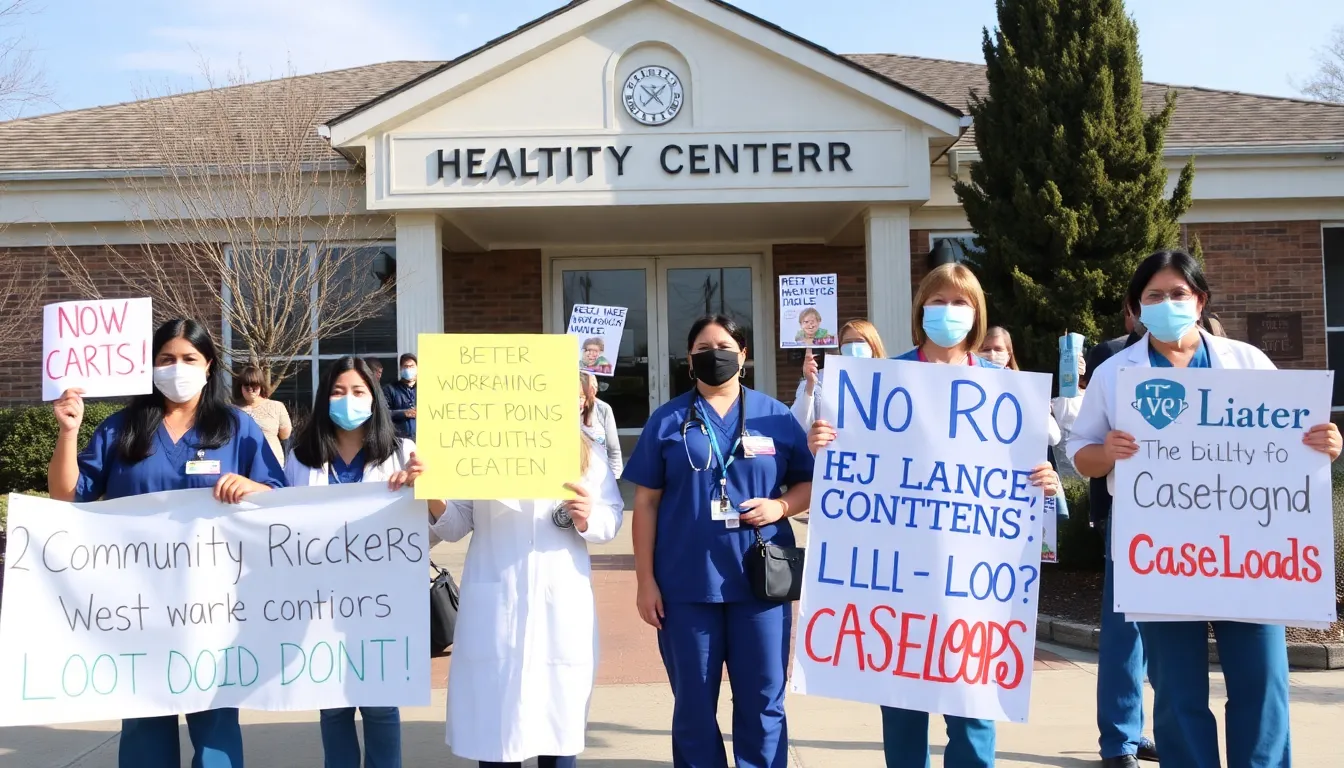
Frequently asked questions about health visitor caseloads
Looking ahead: the future of health visiting services
The ongoing discussions surrounding the overwhelming caseloads faced by health visitors highlight a critical juncture for the future of health visiting services. As professionals advocate for manageable workloads, it becomes increasingly clear that addressing these challenges is essential for ensuring the quality of care provided to families. The implications of maintaining unsustainable caseloads extend beyond individual health visitors, impacting the overall health outcomes of communities.
Moving forward, it is vital to consider how adjustments in policy and resource allocation can create a more sustainable framework for health visiting services. Stakeholders must prioritize strategies that not only alleviate the burden on health visitors but also enhance the support system for families in need. This proactive approach will be instrumental in fostering a healthier society.
- Focus on manageable caseloads: Reducing the number of families assigned to each health visitor can improve service quality and effectiveness.
- Investment in resources: Allocating more funding and resources to health visiting services is crucial for supporting staff and families alike.
- Advocacy for policy change: Engaging with policymakers to establish regulations that limit caseload sizes can lead to systemic improvements.
- Collaboration with community services: Strengthening partnerships with other health and social services can provide holistic support to families.
- Monitoring and evaluation: Implementing regular assessments of health visiting practices can help identify areas for improvement and ensure accountability.