
In 2021, the woman began claiming that her son was suffering from a terminal illness, prompting an outpouring of sympathy and financial aid from the community. Over the course of several months, she reportedly raised thousands of dollars, which she used to fund a lavish lifestyle, including luxury vacations and expensive gifts. This manipulation of public goodwill has shocked many and highlighted vulnerabilities in systems designed to assist those in genuine need, similar to issues raised in other recent cases.
The court proceedings revealed that the mother had fabricated medical documents and enlisted the help of accomplices to further her deceit. Her actions were not only criminal but also deeply hurtful to those who genuinely believed they were helping a sick child. In October 2023, she was sentenced to several years in prison, a decision that underscores the legal repercussions of such fraudulent activities.
This case has sparked discussions about the need for better oversight and verification processes in charitable fundraising. As communities rally to support those in distress, it is crucial to ensure that the integrity of charitable efforts is protected. The implications of this case extend beyond legal consequences, as it may lead to increased skepticism towards future fundraising initiatives.
Background on the mother’s deception and its implications
The case of the Australian mother who faked her son’s cancer to fund a lavish lifestyle has sent shockwaves through the community, highlighting a disturbing trend of deception for personal gain. This incident is not isolated; it reflects broader societal issues, including the exploitation of public sympathy and the lengths to which some individuals will go to maintain a facade of wealth and success.
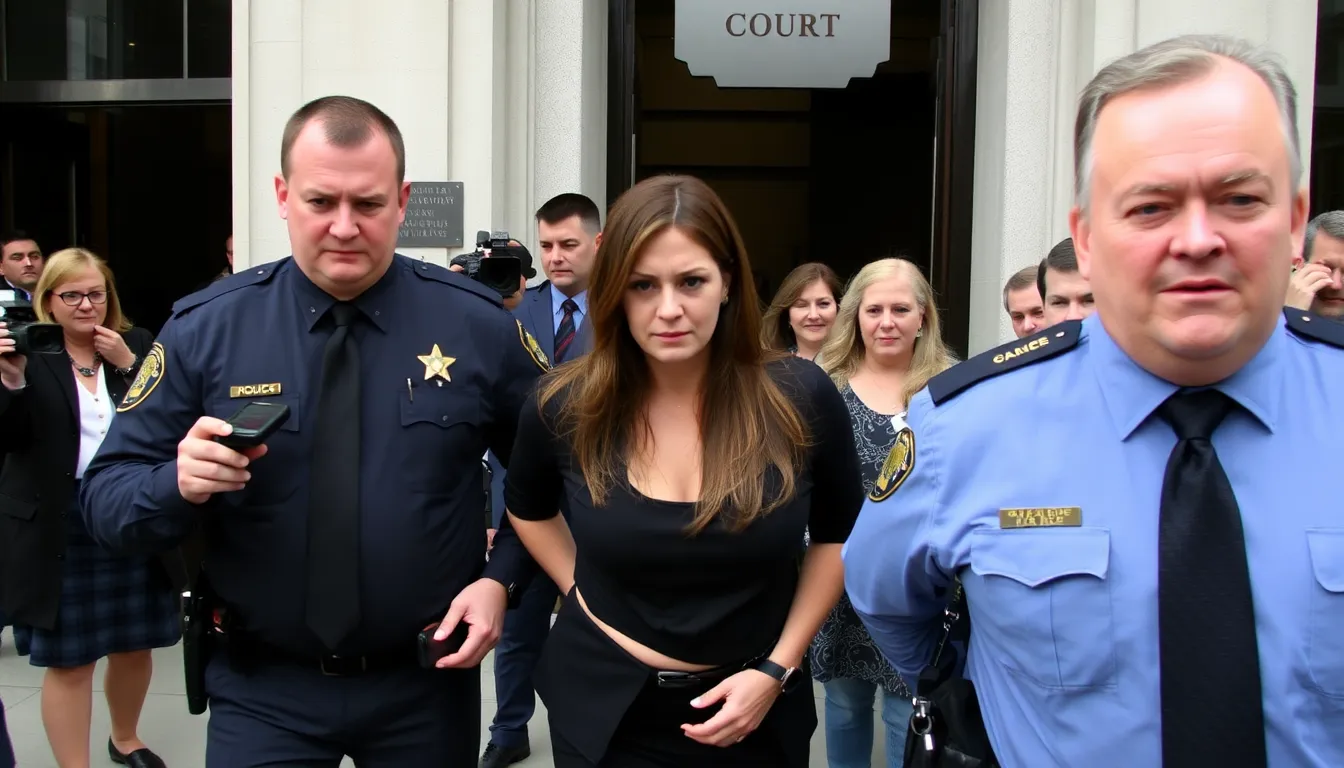
Historically, cases of medical fraud have emerged in various forms, with individuals misrepresenting health conditions to solicit donations and support. In Australia, several high-profile cases have raised awareness about the vulnerabilities of charitable giving and the need for increased scrutiny of fundraising efforts, as discussed in a related article. This particular case serves as a stark reminder of the potential for abuse in a system designed to help those in genuine need.
Economically, the rise of social media has transformed the landscape of fundraising, allowing individuals to reach a wider audience with personal stories that evoke empathy. However, it has also created an environment where deception can thrive, as seen in this case. The mother leveraged social media platforms to garner support, demonstrating how easily trust can be manipulated in the digital age.
Legal Precedents and Consequences
Legally, cases of fraud related to health issues often lead to severe consequences, including imprisonment and restitution. Previous cases in Australia have set important precedents, emphasizing the legal system’s commitment to addressing fraudulent activities that exploit the goodwill of the public, much like the legal concerns raised in the ongoing discussions about justice and community safety. The sentencing of this mother not only serves as a punishment for her actions but also as a deterrent for others who may consider similar deceitful practices.
As society grapples with the implications of this case, it raises questions about the balance between compassion and caution in charitable giving. The need for greater awareness and protective measures is evident, as communities seek to prevent such betrayals of trust in the future.
Examination of the stakeholders involved and the key issues raised
The case of the Australian mother who faked her son’s cancer to fund a lavish lifestyle involves several key stakeholders, each with distinct interests and concerns. The primary individual involved is the mother, whose actions have not only led to her imprisonment but also raised significant ethical questions regarding parental responsibilities and the exploitation of societal compassion.
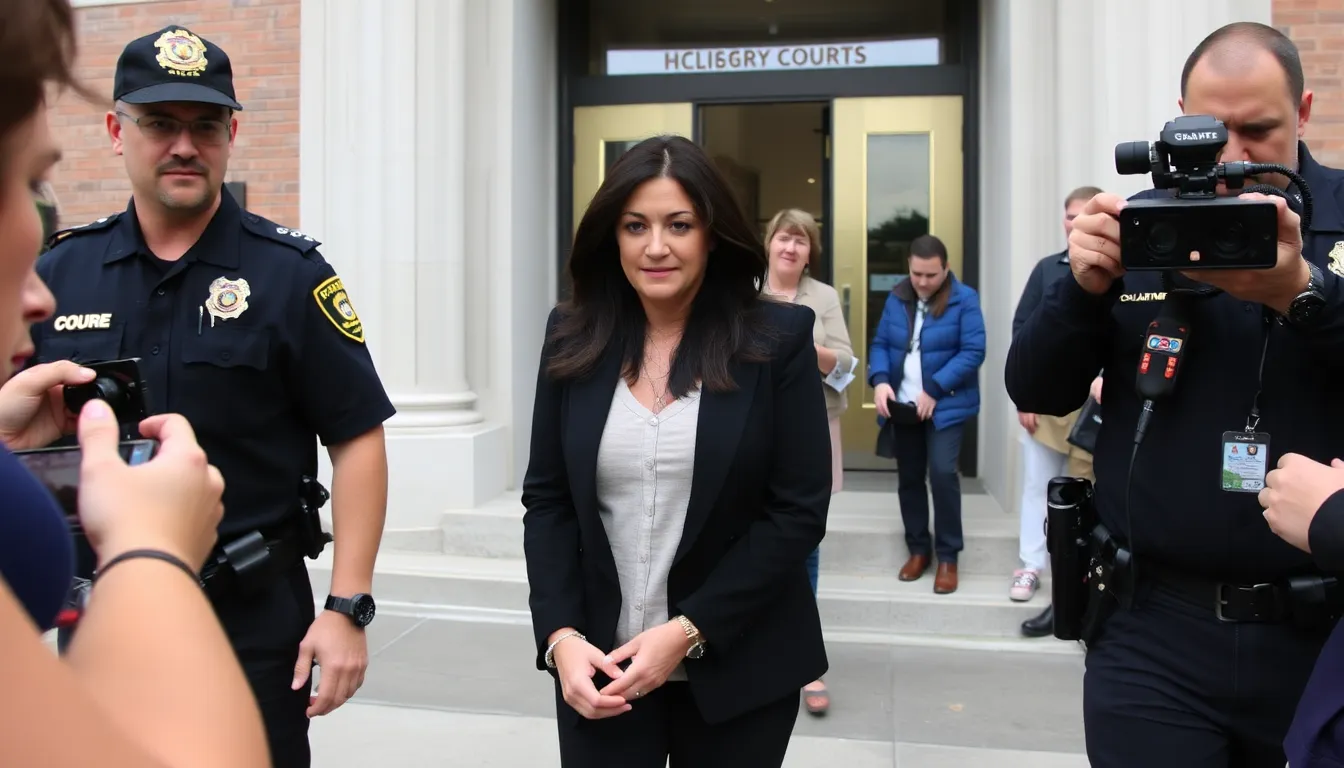
Another critical stakeholder is the legal system, which must navigate the complexities of fraud and child welfare laws. The prosecution aims to uphold justice and deter similar fraudulent behavior, while the defense may argue for leniency based on mental health or other mitigating factors. The outcome of this case could set a precedent for how similar cases are handled in the future.
Additionally, the broader community, including charitable organizations and healthcare providers, is affected by this situation. Trust in charitable donations may be undermined, leading to potential economic repercussions for organizations reliant on public generosity. The case highlights the importance of transparency and accountability in fundraising efforts.
- Fraudulent behavior: The mother’s actions represent a severe breach of trust, impacting both her family and the community.
- Legal ramifications: The case raises questions about the adequacy of current laws in addressing such deceitful acts.
- Impact on charities: Charitable organizations may face increased scrutiny, potentially affecting their ability to raise funds.
- Public perception: This incident may lead to a decrease in public willingness to support cancer-related charities.
- Child welfare concerns: The case underscores the need to prioritize the well-being of children in legal and social considerations.
Impact of the case on the community and the legal system
The case of the Australian mother who faked her son’s cancer has far-reaching implications for various groups, including families, healthcare professionals, and charitable organizations. Communities may feel a sense of betrayal and skepticism towards individuals who genuinely need assistance, impacting the trust that is essential for community support systems.
In the short term, the fallout from this case may lead to increased scrutiny of charity organizations and fundraising efforts. People may become more hesitant to donate to causes involving children or health issues, fearing that their contributions could be misused. This skepticism could hinder the ability of legitimate charities to raise funds, ultimately affecting those who truly need assistance.

Mid-term impacts could extend to policy changes within healthcare and charitable sectors. There may be calls for stricter regulations on fundraising practices and more rigorous verification processes to ensure that funds are directed to genuine cases. This could lead to increased administrative burdens for charities, potentially diverting resources away from their primary missions.
- Increased scrutiny of fundraising practices
- Potential policy changes in charitable regulations
- Impact on community trust and support
While the risks are significant, there may also be opportunities for organizations to enhance transparency and build stronger connections with their supporters. By adopting more rigorous verification processes and improving communication about how funds are used, charities can rebuild trust and demonstrate their commitment to ethical practices. This incident could serve as a catalyst for positive change within the sector, encouraging a culture of accountability and integrity.
A: The mother was arrested after investigations revealed she had fabricated her son’s cancer diagnosis to solicit donations and fund her lavish lifestyle. A: She was sentenced to several years in prison, reflecting the severity of her actions and the betrayal of public trust. A: Her actions caused significant outrage within the community, leading to a loss of trust in charitable organizations and fundraising efforts. A: Donors are not typically held legally accountable, but they may feel emotionally impacted by the betrayal and misuse of their contributions. A: Increased scrutiny of fundraising efforts and better regulations on charitable donations can help prevent similar fraudulent activities.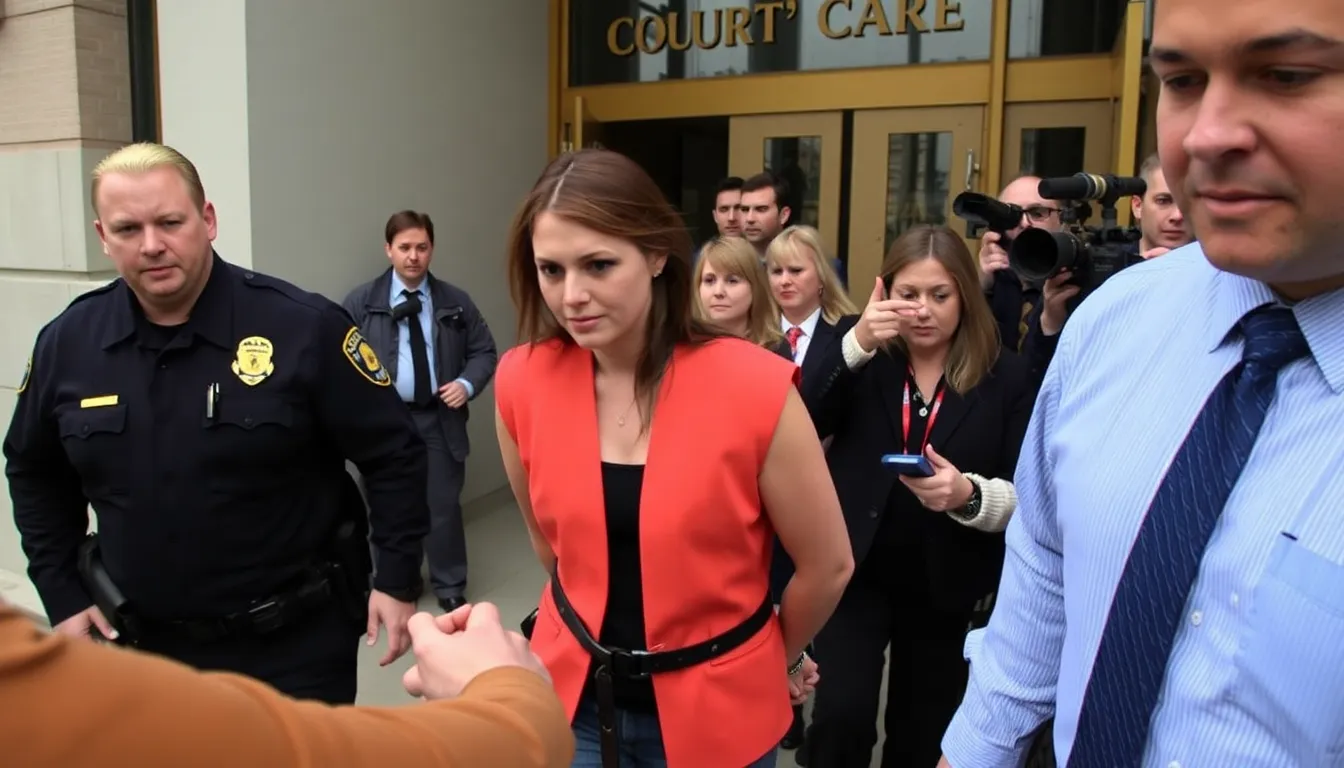
Frequently asked questions about the case and its ramifications
Key takeaways and future implications of the case
The case of the Australian mother who faked her son’s cancer to support a lavish lifestyle raises significant concerns about the ethics of fundraising and the vulnerability of charitable giving. It highlights the need for greater scrutiny and accountability in fundraising efforts, particularly those involving personal health narratives. As public trust in charitable organizations is paramount, this incident may prompt organizations to implement stricter verification processes to safeguard against similar fraudulent activities in the future.
Moreover, this situation serves as a reminder of the psychological complexities that can drive individuals to commit such acts. Understanding these motivations can lead to better support systems for those in distress, potentially preventing similar cases from arising. The implications extend beyond the individual, affecting community perceptions of genuine needs and the integrity of charitable contributions.
- Increased scrutiny and verification processes for fundraising campaigns may become a standard practice.
- Charitable organizations may enhance training for staff to recognize signs of potential fraud.
- Public awareness campaigns could be developed to educate donors about the importance of verifying claims before contributing.
- Support systems for individuals in financial or emotional distress could be expanded to reduce the temptation for fraudulent behavior.
- Future cases may lead to legal reforms aimed at deterring similar fraudulent activities in fundraising.