
The announcement, made on October 23, 2023, highlights the BBC’s need to adapt to reduced funding and increased competition from digital platforms. For further insights on challenges faced by the media industry, check out this article.
Key departments within the BBC are expected to be affected, with news and current affairs anticipated to bear a substantial portion of the job losses. This raises concerns about the potential impact on the quality and breadth of news coverage, as well as the future of journalism within the organization.
The planned cuts have sparked widespread debate about the future of public service broadcasting in the UK. Critics argue that reducing staff could undermine the BBC’s ability to fulfill its mission of providing impartial news and information to the public, while supporters contend that such measures are necessary for financial sustainability.
Understanding the background of BBC’s financial challenges
The British Broadcasting Corporation (BBC) has long been a cornerstone of public service broadcasting in the UK, funded primarily through the television license fee. However, in recent years, the BBC has faced increasing financial pressures stemming from a combination of declining license fee revenue, rising operational costs, and changing media consumption habits. As audiences shift towards on-demand streaming services, the traditional model of broadcasting has come under strain, prompting the need for significant restructuring.

One of the pivotal moments in this ongoing crisis was the 2016 Charter Renewal, which saw the BBC’s funding model come under scrutiny. The agreement included provisions for the BBC to fund free television licenses for over-75s, a move that significantly impacted its financial stability. This decision, coupled with a freeze on the license fee, has led to a projected shortfall that the corporation is now grappling with.
Moreover, the economic landscape has been exacerbated by the COVID-19 pandemic, which further accelerated changes in viewer habits and advertising revenues. This situation has forced the organization to reconsider its operational framework, leading to the announcement of 2,000 planned job losses as part of a broader strategy to streamline operations and reduce costs, similar to what we’ve seen with other organizations.
Key Milestones in BBC’s Financial Evolution
Over the past decade, several key milestones have marked the BBC’s financial journey. The introduction of the iPlayer in 2007 revolutionized how audiences consumed media, but it also set the stage for competition with streaming giants like Netflix and Amazon Prime. Additionally, the BBC’s decision to expand its digital offerings has not only transformed viewer engagement but also strained resources as it seeks to maintain its relevance in an increasingly crowded media landscape.
As the BBC navigates these turbulent waters, the implications of these job cuts will be felt not just within the organization but across the media sector as a whole. The challenges faced by the BBC reflect broader trends in the industry, highlighting the need for traditional broadcasters to adapt to a rapidly evolving environment.
Key stakeholders and issues surrounding the job cuts
The announcement of significant job cuts at BBC News has raised concerns among various stakeholders, each with distinct interests in the outcomes of these decisions. The primary stakeholders include BBC management, employees, the UK government, and the public, all of whom are impacted by the implications of these cuts, reminiscent of the discussions surrounding ethical dilemmas faced in other sectors.
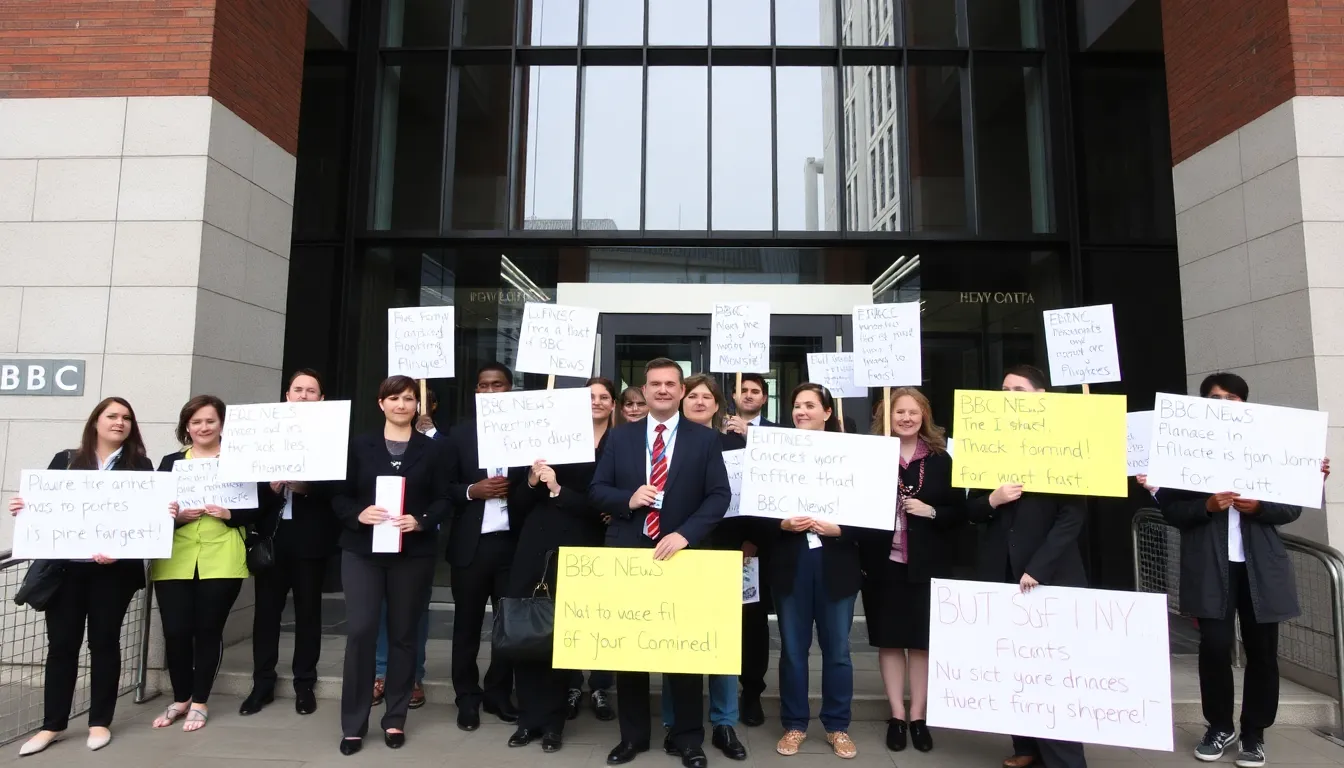
BBC management aims to streamline operations and reduce costs in response to declining revenue and changing media consumption habits. Their focus is on maintaining the organization’s financial viability while continuing to deliver quality news content. However, this goal conflicts with the interests of employees who face job insecurity and potential loss of livelihood, leading to heightened anxiety and dissatisfaction within the workforce.
The UK government plays a crucial role in this scenario, as it oversees the BBC’s funding and regulatory framework. The government’s interest lies in ensuring that the BBC remains a publicly accountable and financially sustainable broadcaster. However, there is a trade-off between budget constraints and the need to uphold journalistic standards, which may be compromised by reduced staffing levels.
Furthermore, the public, as the ultimate consumers of BBC News, has a vested interest in the quality and breadth of news coverage. Reductions in staff could lead to less comprehensive reporting and a decline in the diversity of viewpoints presented, raising concerns about the potential erosion of public trust in the media.
- Potential decrease in news quality and coverage diversity.
- Employee morale and job security issues leading to talent attrition.
- Government scrutiny regarding the BBC’s funding and accountability.
- Public reaction and trust in the BBC amid perceived cuts to service.
- Long-term implications for the media landscape in the UK.
Who will be affected by the job losses and how
The planned job cuts at BBC News are set to impact a wide range of stakeholders, including employees, local economies, and the media landscape as a whole. Approximately 2,000 positions will be eliminated, leading to significant changes in the operational structure of the BBC and its ability to deliver news coverage. Employees across various departments, particularly those in journalism, production, and support roles, will face uncertainty regarding their job security.
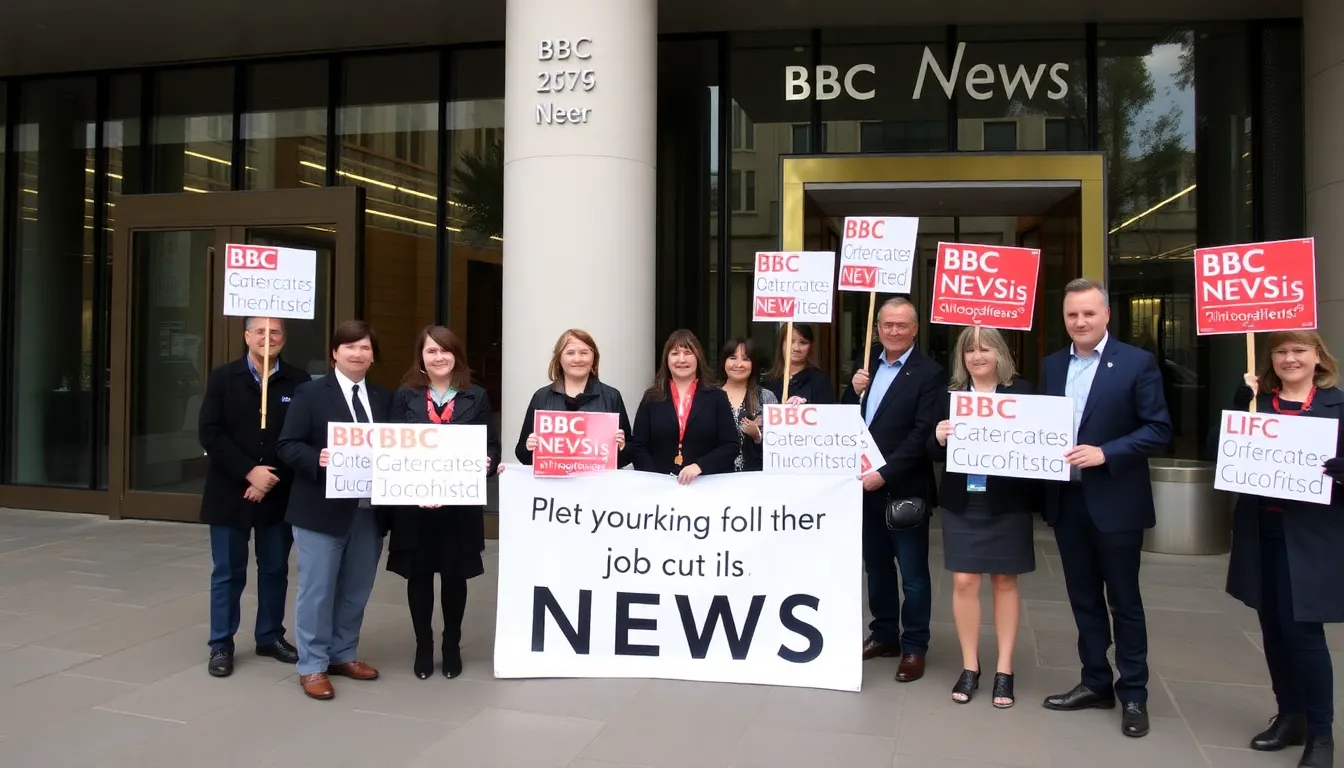
Regions with a strong BBC presence, such as London and other UK cities, will feel the immediate economic impact as job losses can lead to reduced spending in local businesses. Furthermore, communities that rely on the BBC for local news and information may experience a decline in coverage, potentially leaving gaps in reporting that could affect public awareness and engagement.
In the short term, the job losses may lead to a reduction in the quality and quantity of news coverage, affecting how stories are reported and disseminated. This could result in a less informed public and a potential decline in trust in media institutions. Mid-term, the cuts could force the BBC to adapt its business model, possibly leading to a greater emphasis on digital platforms and alternative revenue streams, which could reshape the media landscape.
- Risks: Decreased news coverage quality, employee morale, and public trust.
- Opportunities: Shift towards digital innovation, potential partnerships, and new revenue models.
As the BBC navigates these changes, other media organizations may see opportunities to fill the gaps left by the cuts. This could lead to a more competitive media environment where new players emerge, potentially invigorating the industry with fresh perspectives and approaches to news delivery.
A: BBC News is facing financial pressures that have led to the decision to restructure its operations, resulting in job cuts. A: The plan includes a total of 2,000 job losses across various departments within BBC News. A: The cuts are expected to impact multiple areas, including production, reporting, and administrative roles. A: The timeline for the job cuts has not been fully disclosed, but the process is expected to begin soon. A: The job losses may lead to reduced coverage and fewer resources for news reporting, impacting the overall quality of journalism.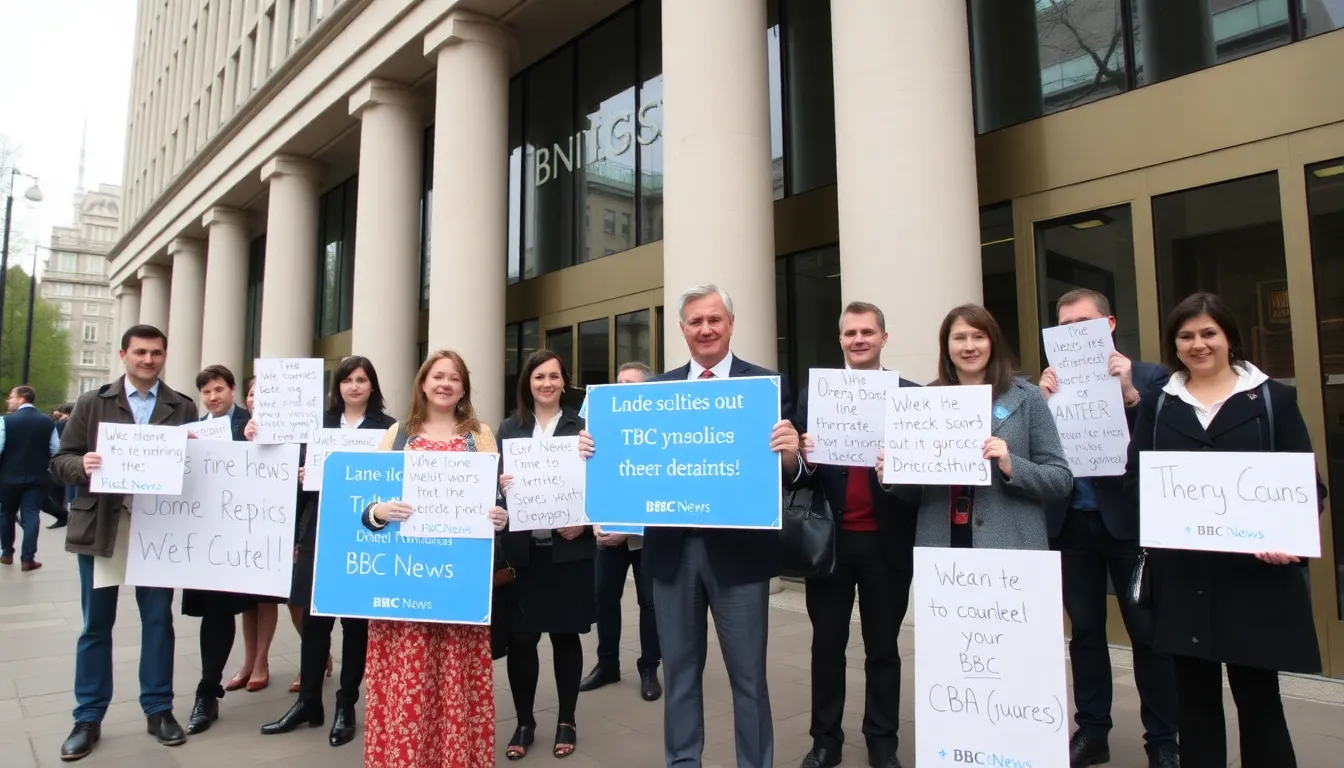
Frequently asked questions about the job cuts
Looking ahead: key points and future outlook
The announcement of significant job losses at BBC News marks a pivotal moment for the organization and the broader media landscape. As the BBC navigates these cuts, it faces the dual challenge of maintaining its journalistic integrity while adapting to an evolving digital environment. Stakeholders will need to closely monitor how these changes impact content quality, diversity of coverage, and the overall public trust in the BBC as a news source.
Furthermore, the implications of these cuts extend beyond the immediate workforce. The restructuring may prompt a reevaluation of funding models and operational strategies within public broadcasting, potentially influencing similar organizations globally. Observers should pay attention to how the BBC’s approach to these challenges could set precedents for others in the industry.
- Watch for potential changes in BBC’s content strategy and focus areas following the job cuts.
- Monitor audience reactions and public trust levels as the BBC implements its restructuring plan.
- Consider the implications for media diversity and representation in news coverage post-restructuring.
- Stay informed about potential shifts in funding models for public broadcasters in response to similar challenges.
- Evaluate how the BBC’s experience might influence other media organizations facing financial pressures.