
Recent trends indicate that former dancers are increasingly pursuing diverse fields, ranging from healthcare to politics. For instance, some have taken up roles in midwifery, where their discipline and empathy serve them well, while others are making strides in public service, including positions in the House of Lords.
This shift is significant not only for the individuals involved but also for the broader conversation about the value of performing arts training. The adaptability and resilience developed through ballet can contribute positively to various sectors, highlighting the importance of supporting dancers in their career transitions.
Organizations and initiatives are emerging to assist dancers in navigating these changes, offering resources such as career counseling and workshops. As the ballet community continues to evolve, the need for comprehensive support systems becomes increasingly vital to ensure that these artists can thrive beyond the stage.
Understanding the challenges of ballet dancers’ career changes
Ballet dancers often dedicate their lives to perfecting their art, training for years to achieve the physical and artistic prowess required for professional performance. However, the demanding nature of ballet often leads to a relatively short career span, typically peaking in their twenties or early thirties. As a result, many dancers face the daunting challenge of transitioning to new careers after their time in the spotlight, raising questions about how to effectively represent their unique skills on a CV.
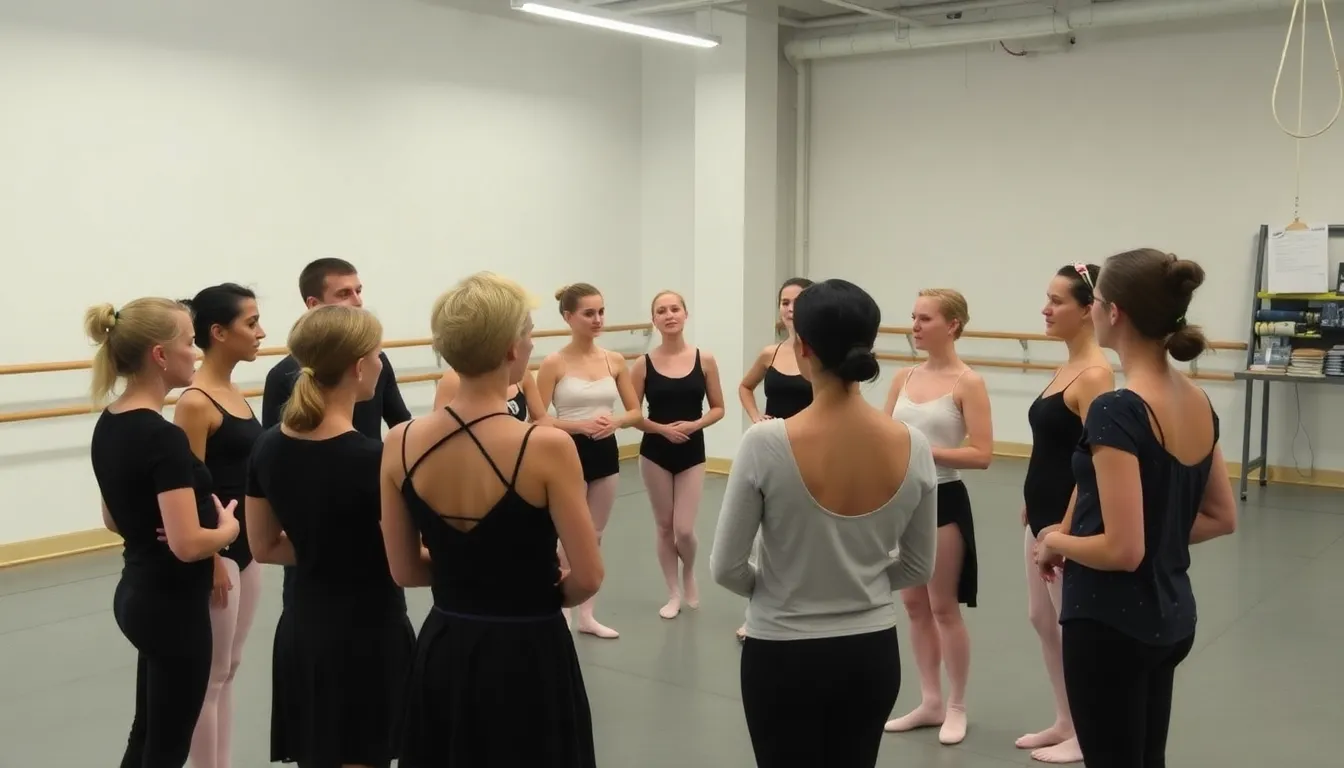
The historical context of ballet as a profession reveals a landscape that has evolved significantly over the decades. Traditionally, ballet was viewed as a highly specialized art form, with limited pathways for dancers to explore alternative careers. This narrow focus has begun to shift, as society increasingly recognizes the transferable skills that ballet dancers possess, such as discipline, teamwork, and creativity.
Shifts in Perception and Opportunities
In recent years, there has been a growing acknowledgment of the diverse talents ballet dancers bring to various fields, from healthcare to politics. Notable figures, such as former ballerina Darcey Bussell, have successfully transitioned into roles that influence public policy and arts advocacy. These examples serve as important milestones, illustrating that the skills honed in the dance studio can translate into impactful careers outside of ballet. Yet, the journey is often complicated by the stigma that dancers feel when considering how to frame their experiences in a way that resonates with potential employers.
Economically, the ballet industry has faced significant challenges, especially in the wake of the COVID-19 pandemic, which forced many companies to close or reduce their operations. This has led to a surplus of dancers seeking new opportunities, intensifying competition in the job market. As dancers grapple with the realities of a changing industry, many are seeking further education and training in fields such as midwifery, business, and even politics, demonstrating their resilience and adaptability, which echoes the themes present in current economic challenges.
Socially, the narrative surrounding career transitions for ballerinas is evolving. Initiatives aimed at supporting dancers in their career changes are gaining momentum, with organizations offering workshops, mentorship programs, and networking opportunities. These resources are essential in helping dancers navigate their next steps, allowing them to embrace their past experiences while confidently pursuing new paths that align with their passions and skills.
Key issues surrounding the career paths of former ballet dancers
The transition from a career in ballet to other professions presents a unique set of challenges and opportunities for dancers. As they seek to redefine their identities beyond the stage, various stakeholdersincluding the dancers themselves, educational institutions, and potential employersplay crucial roles in shaping these new career trajectories.
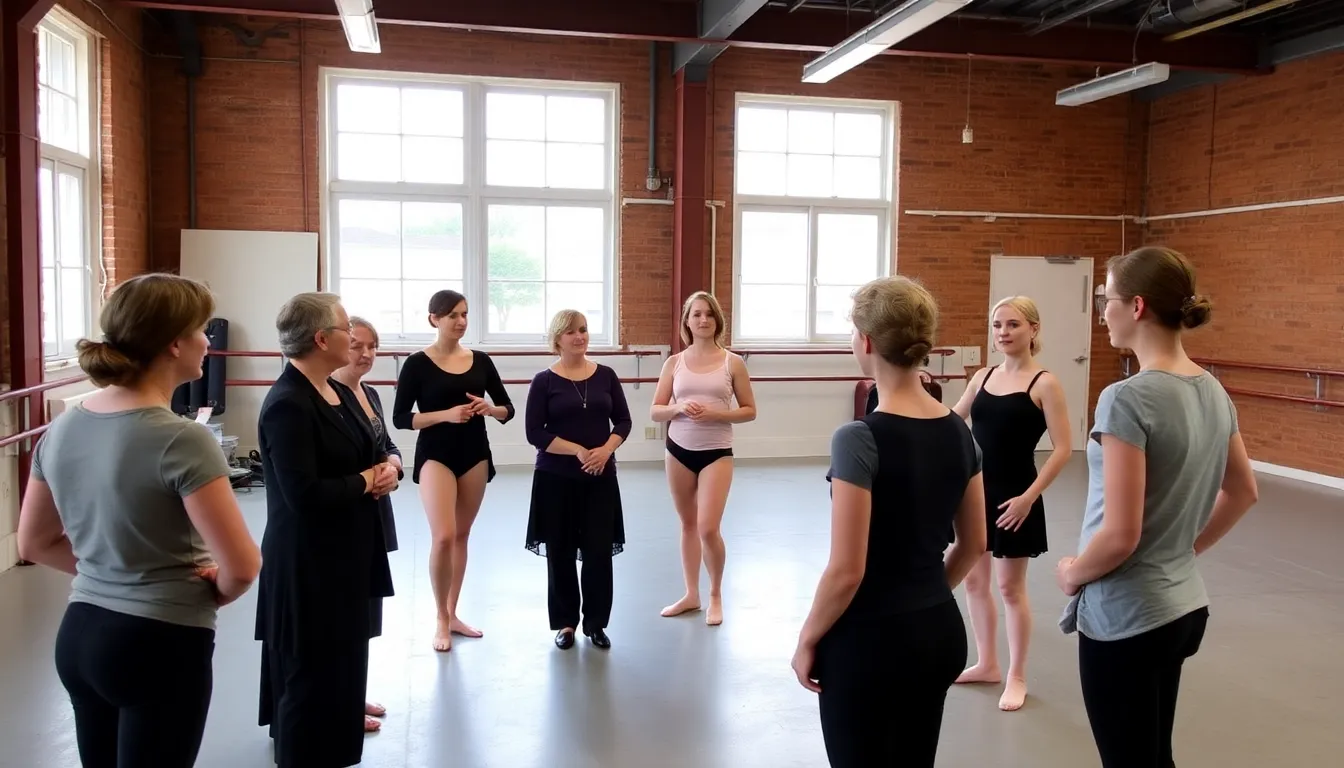
One significant issue is the perception of ballet dancers in the job market. Many employers may undervalue the skills acquired through ballet training, such as discipline, teamwork, and creativity. This can lead to a disconnect between the dancers’ qualifications and the opportunities available to them in fields like midwifery, politics, or business.
Moreover, the legal and economic landscape surrounding career transitions can complicate matters. Dancers may face challenges related to the recognition of their previous experience and qualifications, particularly when entering regulated professions. For instance, the requirement for additional certifications or training can be a barrier to entry in fields like healthcare.
- Skill Transferability: Many dancers possess transferable skills that are highly valued in other sectors, yet these may not be immediately recognized by employers.
- Educational Opportunities: Access to further education and training programs tailored for performing artists can facilitate smoother transitions.
- Support Networks: The presence of mentorship and support networks can significantly impact the success of former dancers in their new careers.
- Public Perception: Changing societal attitudes towards the versatility of ballet dancers can enhance their employability.
- Policy Advocacy: Engaging with policymakers to address barriers in professional transitions can lead to more inclusive practices.
Ultimately, the journey from ballet to diverse career paths is multifaceted, involving negotiations between personal aspirations and external perceptions. As former dancers navigate these transitions, their experiences can inform broader discussions about the value of arts education and the diverse capabilities of performing artists in various professional landscapes.
The impact of career transitions on dancers and the broader community
The transition of ballet dancers into diverse fields such as midwifery, politics, and other professions significantly affects various groups and industries. These dancers, who have dedicated their lives to the art of ballet, are now exploring new avenues that can influence not just their personal trajectories but also the cultural landscape and workforce dynamics of their communities.
In the short term, the immediate impact on dancers includes the emotional and psychological challenges of leaving a career that has defined their identities. As they navigate new educational and professional paths, there is potential for increased support from institutions that recognize the value of transferable skills gained through ballet training. This shift can also inspire local arts organizations to provide more resources for career development.
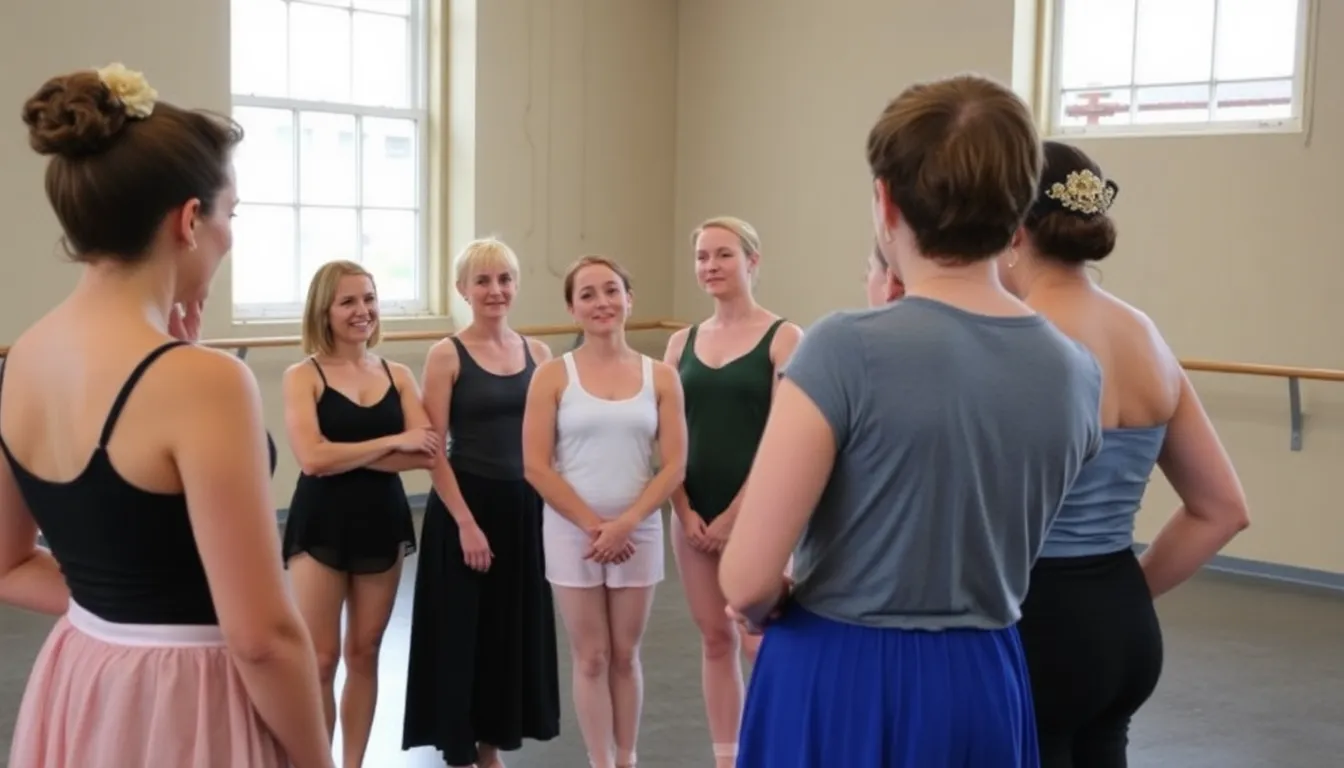
Mid-term, the broader community may experience a ripple effect as these dancers bring their unique perspectives and discipline into new roles. For instance, dancers entering healthcare may advocate for the importance of mental and physical well-being, influencing policy changes that benefit both patients and practitioners. Additionally, their presence in political spheres, such as the House of Lords, can enrich discussions on arts funding and cultural heritage, potentially leading to increased support for the arts.
- Risks: The potential for identity loss among dancers and the challenge of gaining recognition in new fields.
- Opportunities: Enhanced collaboration between the arts and other sectors, leading to innovative programs and initiatives.
- Community Impact: Increased awareness of the importance of arts education and its role in developing versatile skill sets.
As ballet dancers step into these new roles, the intersection of their past experiences and future aspirations can create a transformative impact on society, challenging traditional perceptions of career paths and inspiring a new generation to pursue their passions, regardless of the field.
A: Retired ballet dancers often pursue careers in areas such as teaching, choreography, healthcare, and even politics. Their unique skill set allows them to excel in various fields. A: Many dancers begin planning their next steps while still performing, often seeking education or training in their desired fields. Networking and mentorship also play crucial roles. A: Yes, various organizations and programs offer support, including workshops, career counseling, and networking opportunities specifically for dancers. A: Dancers may struggle with self-identity, financial instability, and the need for new skills. Adapting to a non-performance environment can also be challenging. A: Absolutely, the discipline, teamwork, and creativity developed through ballet training are highly valued in many professions, enhancing a dancer’s adaptability.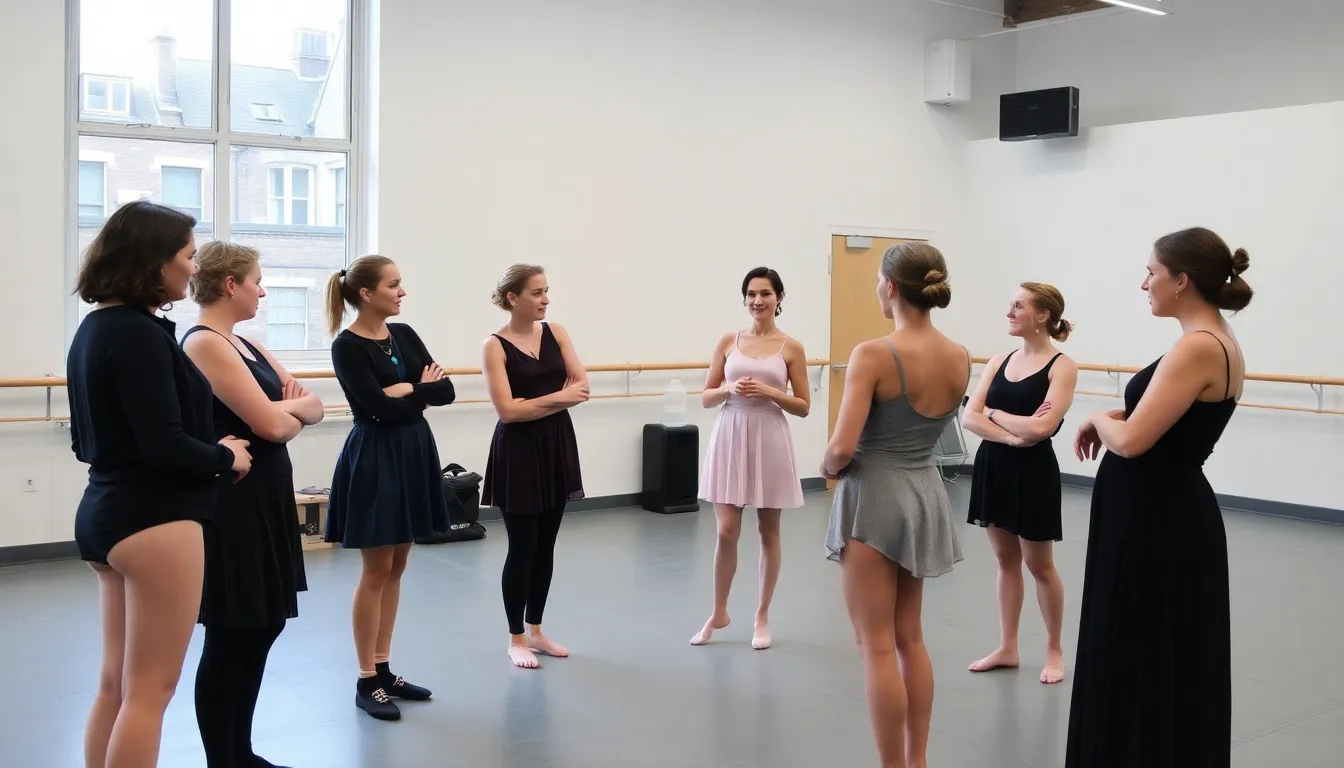
Frequently asked questions about ballet dancers’ career transitions
Insights on the future of ballet dancers in various professions
The transition from a career in ballet to other professions reflects the versatility and resilience of dancers. As they navigate new paths, many are finding that the skills honed in the dance worlddiscipline, creativity, and teamworkare highly transferable and valued across various fields. This shift not only broadens their career opportunities but also enriches the sectors they enter with unique perspectives.
As ballet dancers explore roles ranging from healthcare to politics, it is essential to recognize the growing recognition of their diverse talents. This evolution suggests a promising future where the arts and other professional domains increasingly intersect, leading to innovative collaborations and a greater appreciation for the contributions of performing artists in society.
- Emphasizing transferable skills: Ballet dancers should highlight their discipline, creativity, and teamwork abilities when applying for new roles.
- Exploring diverse career paths: Opportunities in fields such as healthcare, education, and public service are becoming more accessible for former dancers.
- Networking and mentorship: Building connections with professionals in new industries can provide valuable insights and open doors for ballet dancers transitioning to different careers.
- Advocating for the arts: Dancers entering politics or community roles can influence policies that support the arts and promote cultural initiatives.