
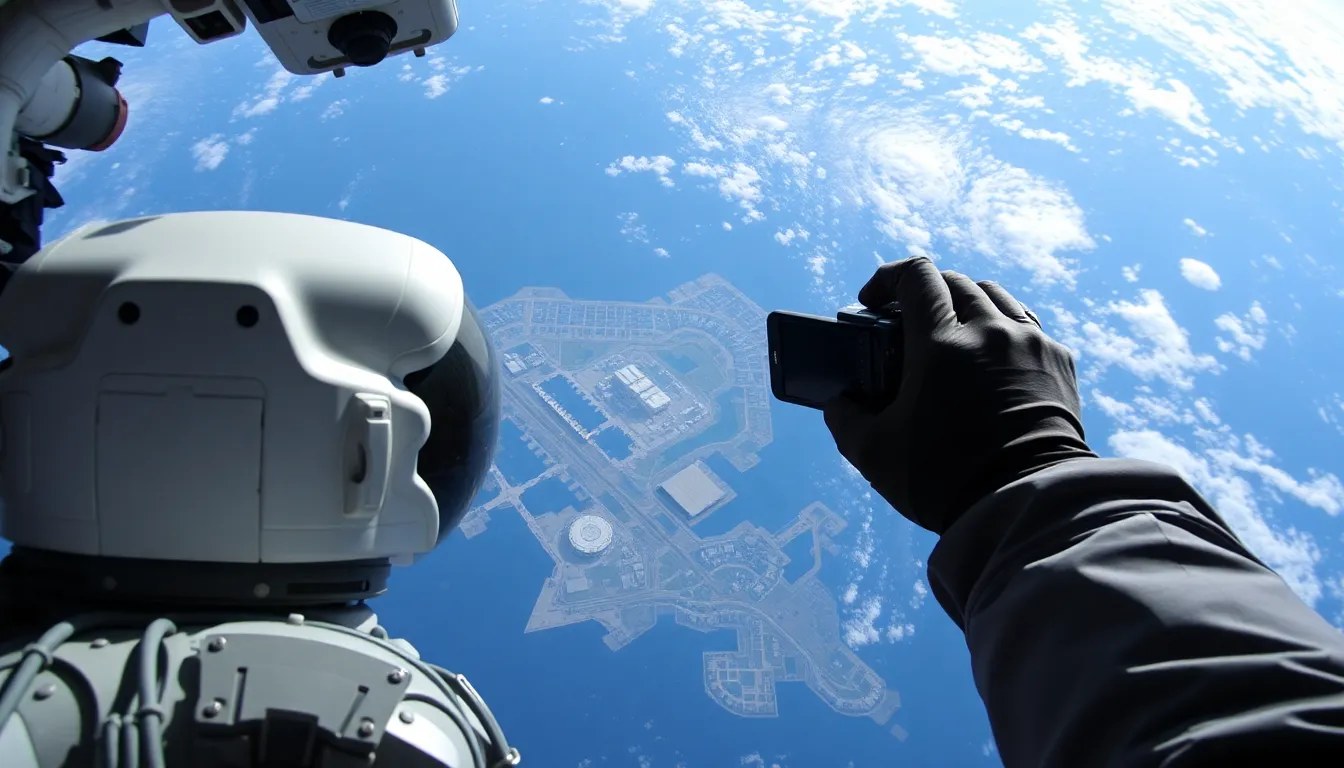
The photograph serves as a symbol of inspiration for current and future students, highlighting the potential of education in the fields of science, technology, engineering, and mathematics (STEM). Vande Hei, a graduate of the University of Houston, expressed his pride in representing his university and the advancements made in space exploration.
This unique perspective from orbit not only showcases the university’s campus but also emphasizes the importance of higher education in fostering innovation. As space missions continue to evolve, the role of academic institutions in training the next generation of astronauts and scientists becomes increasingly vital.
Vande Hei’s image has garnered attention on social media, sparking discussions about the intersection of academia and space travel. The event has reignited interest in space exploration and its implications for humanity, encouraging students to dream big and consider careers in aerospace and related fields.
The significance of viewing Earth from orbit
Viewing Earth from orbit has long captivated the imagination of scientists, explorers, and the general public alike. The ability to see our planet from space not only provides a unique perspective on its beauty but also highlights the interconnectedness of its ecosystems and human societies. This perspective has been crucial in fostering a greater understanding of global issues such as climate change, natural disasters, and geopolitical tensions, further emphasized in articles like Golden Blob Identified as a New Marine Species.
The historical context of space exploration dates back to the mid-20th century, when the Space Race between the United States and the Soviet Union ignited a surge of interest in space travel. The launch of Sputnik in 1957 marked the beginning of this era, leading to significant advancements in technology and international collaboration. As astronauts began to venture into space, their photographs of Earth offered a new lens through which to view our planet, emphasizing its fragility and the need for stewardship.
In recent years, the democratization of space travel has further enhanced the significance of viewing Earth from orbit. Companies like SpaceX and Blue Origin have made strides in commercial spaceflight, allowing private citizens, including university alumni and supporters, to experience space firsthand. This shift not only broadens access to space but also inspires a new generation of students to pursue careers in science, technology, engineering, and mathematics (STEM).
The role of universities in space exploration
Universities have played a pivotal role in advancing space exploration through research, technological innovation, and training the next generation of astronauts and scientists. Many universities collaborate with space agencies, contributing to missions and experiments that take place in orbit. The recent photograph taken by an astronaut of their alma mater serves as a reminder of the vital contributions that academic institutions make to our understanding of space and Earth.
The impact of space exploration on education and inspiration
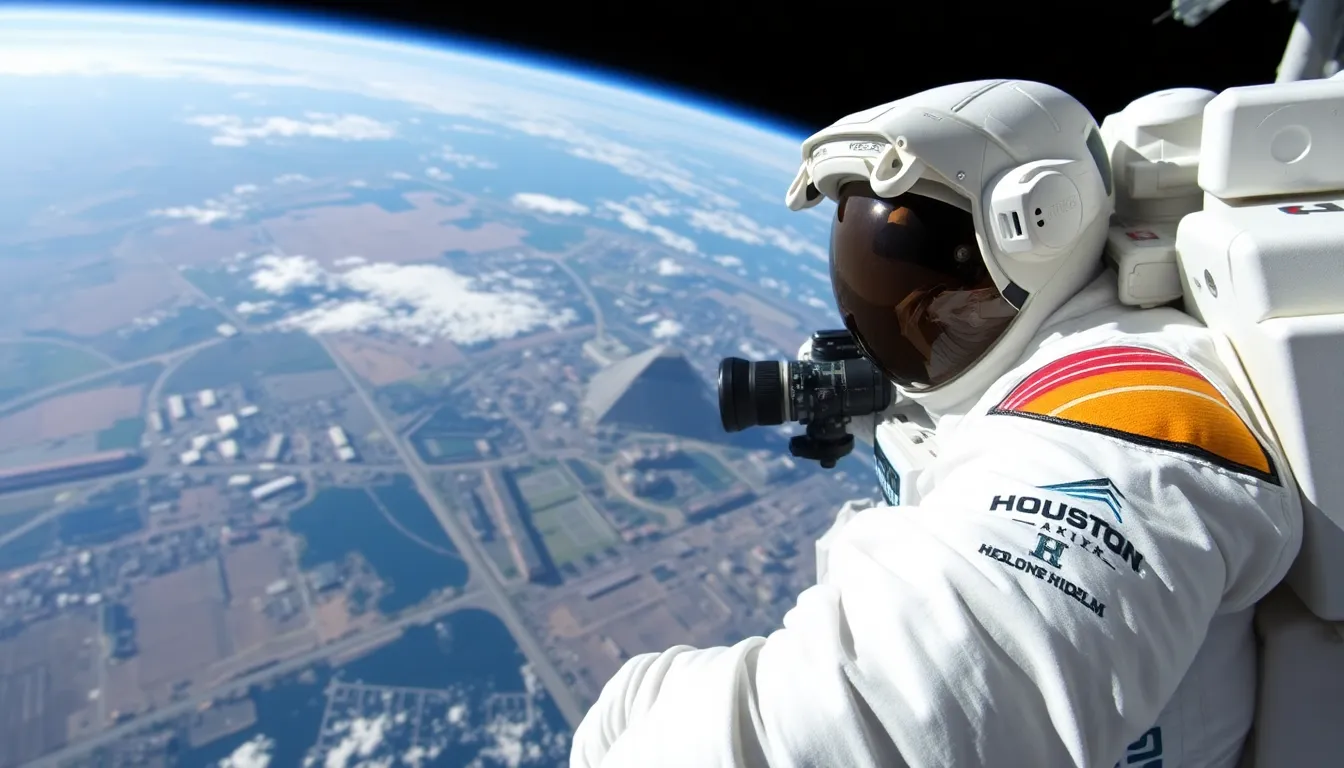
The recent photograph taken by an astronaut of his university from orbit highlights the intersection of space exploration and education. This event not only showcases the advancements in space technology but also emphasizes the role of educational institutions in inspiring future generations of scientists, engineers, and explorers. Key stakeholders in this scenario include astronauts, universities, space agencies, and the broader educational community.
Astronauts, as representatives of their respective space agencies, have a vested interest in promoting STEM (Science, Technology, Engineering, and Mathematics) education. Their unique experiences in space serve as powerful narratives that can motivate students to pursue careers in these fields. Universities, on the other hand, are keen to leverage such moments to enhance their visibility and attract prospective students, while also fostering research partnerships with space agencies.
However, this intersection of space exploration and education is not without its challenges. Conflicts may arise regarding funding and resource allocation, particularly as space exploration becomes increasingly commercialized. Universities may compete for sponsorships and partnerships with private space companies, leading to a potential imbalance in opportunities for smaller institutions. Additionally, there are legal considerations surrounding the use of images taken from space, which may require clear agreements between astronauts and their affiliated organizations.
- Funding disparities: Larger universities may secure more funding from space agencies compared to smaller institutions.
- Commercial interests: The growing role of private companies in space exploration could shift focus away from educational initiatives.
- Legal frameworks: The need for clear regulations regarding the use of space imagery for promotional purposes.
- Global collaboration: Opportunities for international partnerships in space education and research.
- Public engagement: The role of social media in amplifying the impact of such images on public interest in space exploration.
In summary, the photograph taken from orbit serves as a reminder of the potential for space exploration to inspire and educate. The interplay between various stakeholders reveals both opportunities and challenges that must be navigated to maximize the benefits of these extraordinary experiences for educational institutions and society at large.
How this photo influences students and the public
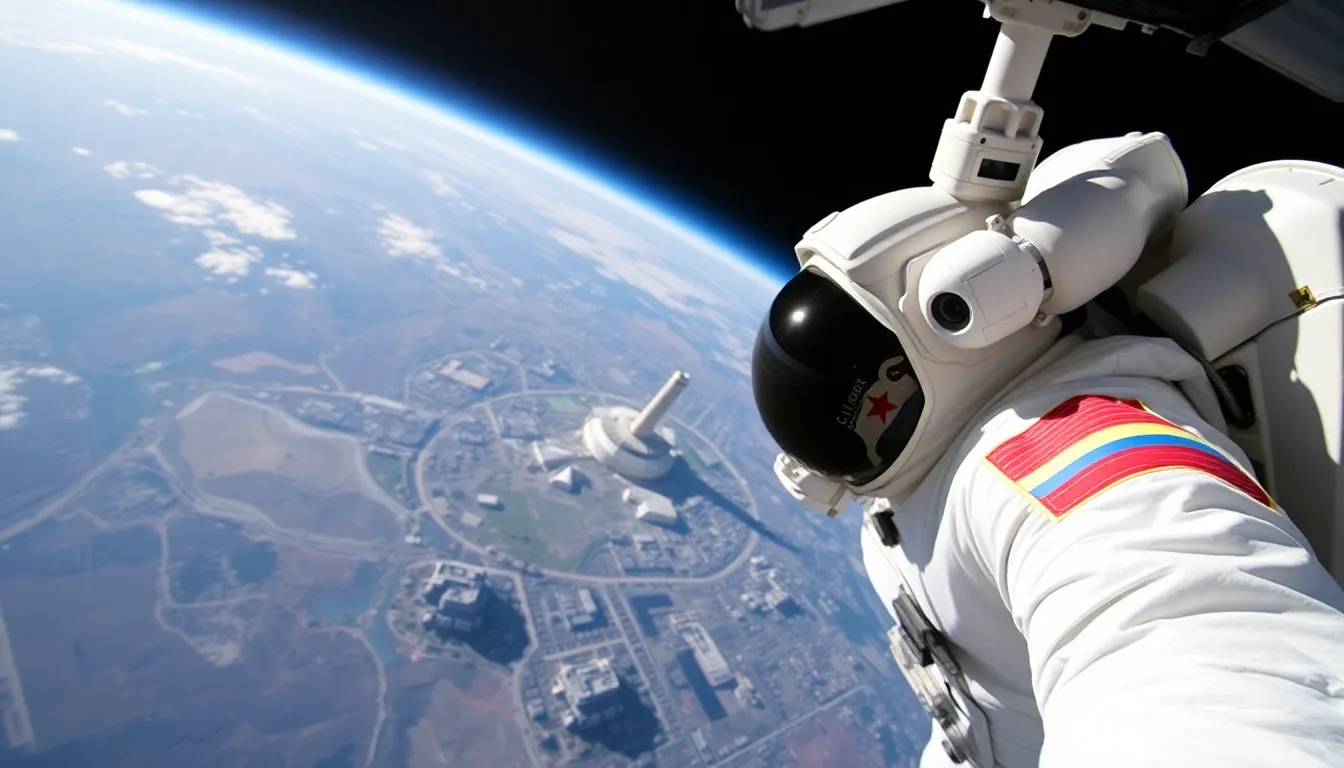
The recent photograph taken by an astronaut of his alma mater from orbit has sparked interest across various demographics, particularly among students, alumni, and educational institutions. This unique perspective not only showcases the university’s physical presence but also serves as a powerful reminder of the potential heights that students can achieve.
In the short term, the image is likely to inspire current students and prospective applicants, leading to increased enrollment inquiries. Universities may experience a surge in interest as they leverage the photo in marketing campaigns, emphasizing their connection to space exploration and innovation. This can enhance the institution’s reputation and attract partnerships with industries focused on technology and aerospace.
Mid-term impacts may include the development of new programs and initiatives that incorporate space science and technology into the curriculum. Educational institutions might collaborate with space agencies or private companies to create internship opportunities or research projects, further enriching the student experience. This collaboration could also lead to job creation in related fields, benefiting local economies.
- Increased student engagement: Motivating students to pursue careers in STEM fields.
- Enhanced university branding: Strengthening the institution’s image as a leader in innovation.
- Potential for new partnerships: Collaborations with tech and aerospace industries.
- Local economic growth: Job creation in education and related sectors.
However, there are also risks associated with this phenomenon. The pressure to maintain a high profile in the competitive educational landscape could lead to a focus on marketing over substance. Additionally, if the university fails to capitalize on this opportunity effectively, it may result in disillusionment among stakeholders who expected tangible benefits. Balancing aspirations with realistic outcomes will be crucial for maximizing the positive impact of this extraordinary image.
A: The astronaut attended the University of California, Los Angeles (UCLA), which he proudly captured in his photo from space. A: The astronaut used a high-resolution camera from the International Space Station to capture the image of his university. A: This photo highlights the beauty of Earth and serves as an inspiration for students and future generations to pursue their dreams. A: Yes, the photo has been shared on social media and various news outlets, making it accessible to the public. A: The astronaut aimed to inspire others by showing the connection between education and exploration, emphasizing the importance of pursuing knowledge.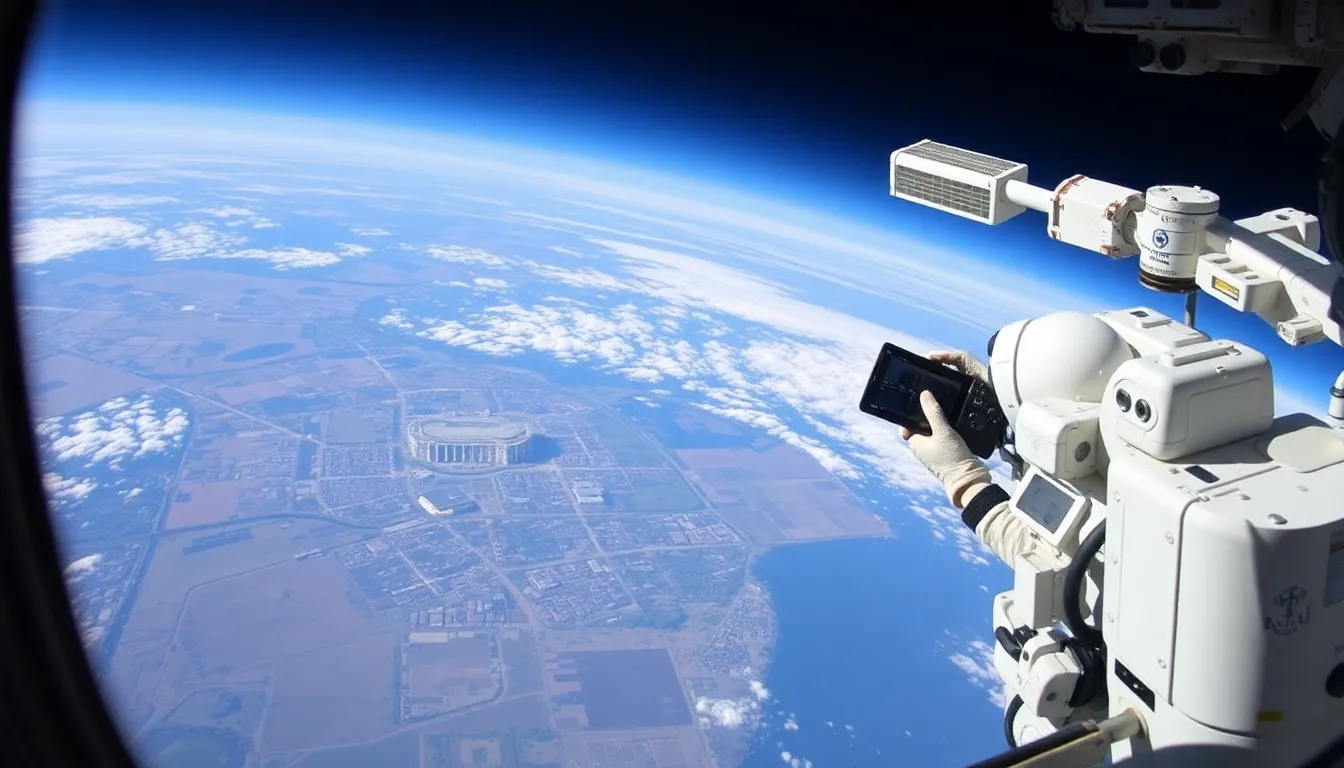
Frequently asked questions about the astronaut’s photo
Key takeaways and future implications of this event
The image captured by the astronaut serves not only as a personal memento but also as a powerful reminder of the interconnectedness of education and exploration. It underscores the role of universities in fostering innovation and inspiring future generations to pursue careers in science, technology, engineering, and mathematics (STEM). This event highlights the potential for space exploration to enhance public interest in higher education and research initiatives.
As we look ahead, the implications of this photograph extend beyond the immediate excitement of space travel. It invites discussions on how universities can leverage such moments to promote their programs, engage with prospective students, and strengthen their community ties through outreach and collaboration with space agencies.
- Expect increased interest in STEM fields as students are inspired by real-world applications of their studies in space exploration.
- Universities may enhance partnerships with space agencies to create collaborative research opportunities and programs.
- Public engagement initiatives might grow, focusing on the importance of education in the context of global challenges and exploration.
- Social media and digital platforms will likely be utilized more creatively by universities to share similar experiences and foster community involvement.
- This event could lead to discussions about the importance of funding for educational programs that support space science and technology.