
This spike has been attributed to various factors, including supply chain disruptions and the depreciation of the Iranian rial.
This illicit trade not only undermines the local economy but also poses risks for health and safety, as unregulated products enter the market.
The Iranian government’s efforts to stabilize the cooking oil market include subsidies and import agreements, yet these measures have not fully alleviated the crisis. As the situation evolves, the cooking oil trade serves as a microcosm of the larger economic issues facing Iran, reflecting the struggles of ordinary citizens and the complexities of navigating a heavily sanctioned economy.
Exploring the Historical Context of Iran’s Economic Struggles
Iran’s economic landscape has been shaped by a series of historical, political, and social factors, leading to the current challenges it faces, particularly along its borders. The country has a rich history of trade, but decades of sanctions, political upheaval, and mismanagement have hindered its economic growth. The cooking oil trade, which has become a focal point of economic activity near Iran’s borders, serves as a microcosm of the broader struggles faced by the nation.
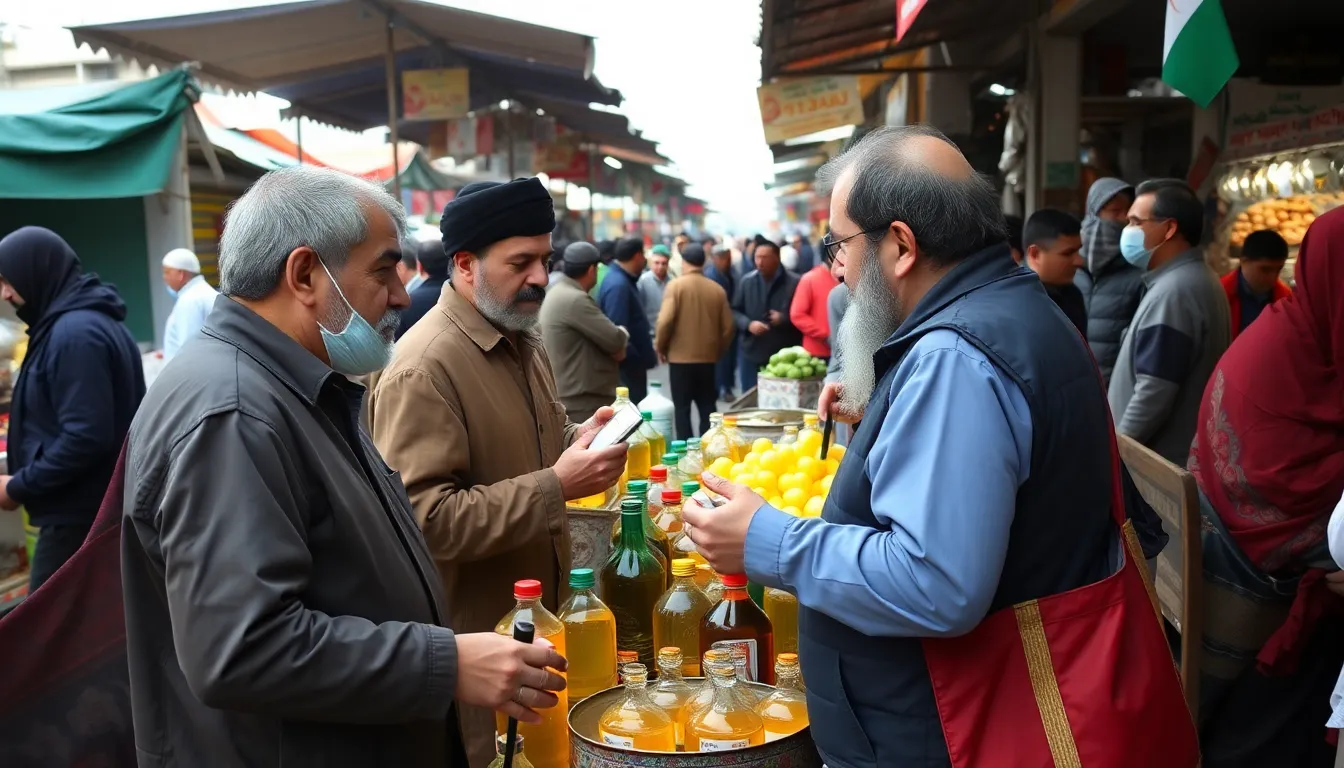
The Islamic Revolution of 1979 marked a significant turning point for Iran, leading to the establishment of a theocratic regime that prioritized ideological goals over economic stability. This shift resulted in the nationalization of many industries and an initial focus on self-sufficiency. However, the subsequent Iran-Iraq War (1980-1988) devastated the economy, leading to infrastructure destruction and a reliance on imports for essential goods, including cooking oil.
The cooking oil trade has become a crucial lifeline for many, as it reflects both the resilience of local entrepreneurs and the desperation of consumers.
The Impact of Sanctions on Local Economies
Sanctions have not only affected Iran’s national economy but have also had a profound impact on local economies, particularly in border regions. Smuggling has emerged as a common practice, with many individuals resorting to illicit trade to survive. The cooking oil trade, often conducted informally across borders, highlights the lengths to which people will go to secure basic necessities. This situation underscores the broader economic malaise and the social implications of a struggling economy, where survival often depends on navigating a complex landscape of legal and illegal markets.
Key Stakeholders and Issues in the Cooking Oil Market
The cooking oil trade along Iran’s border serves as a microcosm of the country’s broader economic struggles, involving various stakeholders with distinct interests. Key actors include Iranian government agencies, local farmers, international suppliers, and consumers. Each group plays a pivotal role in shaping the dynamics of the market, often leading to conflicting priorities and trade-offs.
Government agencies, tasked with regulating food supplies and maintaining economic stability, face the challenge of balancing domestic production with imports. Their interest lies in ensuring food security while managing inflation and supporting local agriculture. However, stringent regulations and tariffs on imports can lead to higher prices for consumers and limited availability of cooking oil.
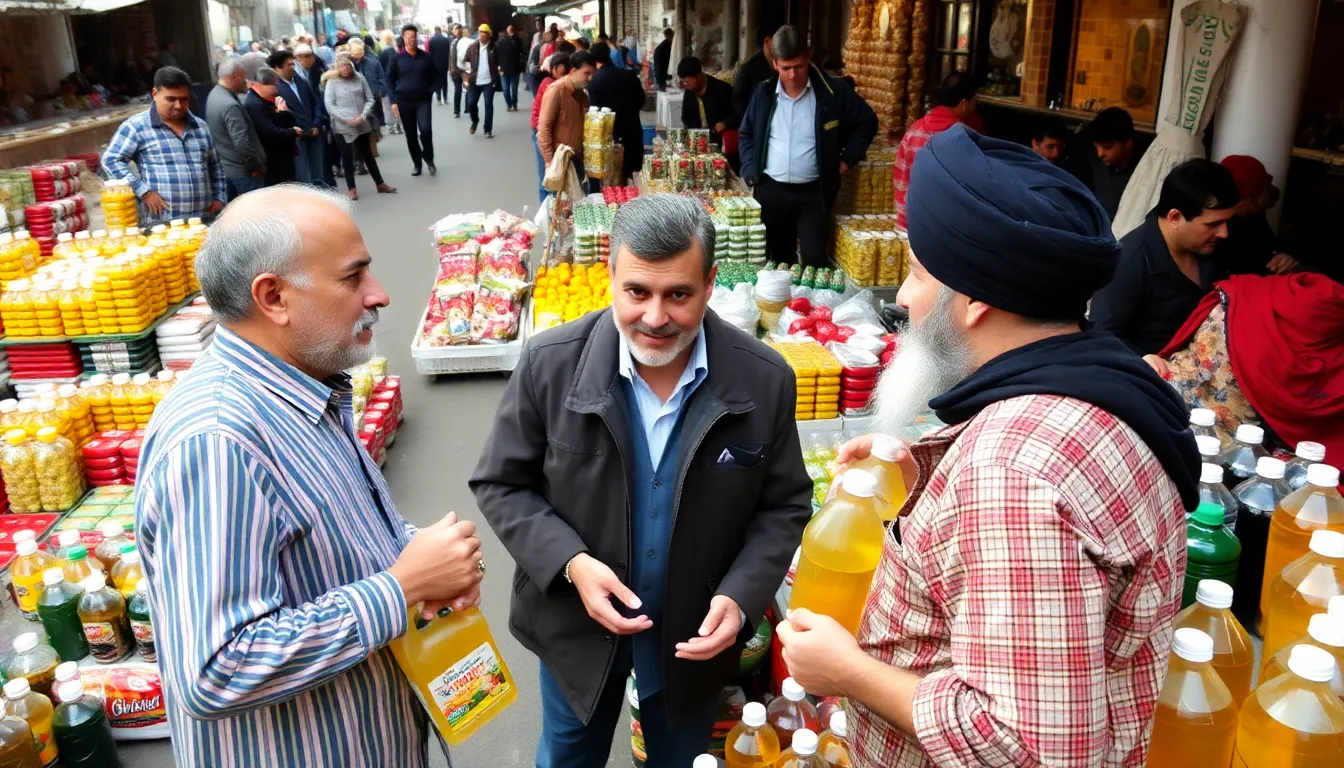
Local farmers are another crucial stakeholder, as they represent the backbone of domestic oil production. Their interests include securing fair prices for their products and gaining access to necessary resources, such as seeds and fertilizers. However, competition from cheaper imported oils often undermines their profitability, leading to tensions between supporting local agriculture and meeting consumer demand.
- International Suppliers: These entities are motivated by profit and market expansion, often providing cheaper alternatives that challenge local producers.
- Consumers: The everyday buyers of cooking oil are primarily concerned with price and availability, often caught in the crossfire of economic policies.
- Economic Sanctions: Ongoing sanctions against Iran complicate trade relationships, affecting the availability of imported oils and driving up prices domestically.
- Legal Issues: Regulatory frameworks governing food safety and import tariffs can create barriers for both local producers and international suppliers.
These competing interests highlight the complexity of the cooking oil market in Iran, where economic policies and external pressures intersect with the realities of local production and consumer needs. The interplay of these factors underscores the broader economic challenges facing the country as it navigates a precarious trade landscape.
The Impact of Cooking Oil Trade on Local Communities
The cooking oil trade along Iran’s borders significantly affects various groups, including local farmers, small-scale traders, and consumers. The agricultural sector faces challenges as fluctuating prices and import restrictions impact the availability of raw materials. Farmers who rely on oilseed crops may struggle to maintain their livelihoods due to these market disruptions.
In the short term, consumers experience rising prices for cooking oil, leading to increased costs of living. Households, particularly those with lower incomes, may find it difficult to afford basic cooking essentials. This situation can lead to a decline in overall food security, as families are forced to reduce their consumption of essential items.
In the mid-term, businesses involved in the cooking oil supply chain may need to adapt their strategies to cope with the changing market dynamics. Small traders could face heightened competition from larger importers, leading to potential market consolidation. However, there are opportunities for local producers to innovate and diversify their offerings, potentially capturing a share of the market that values locally sourced products.
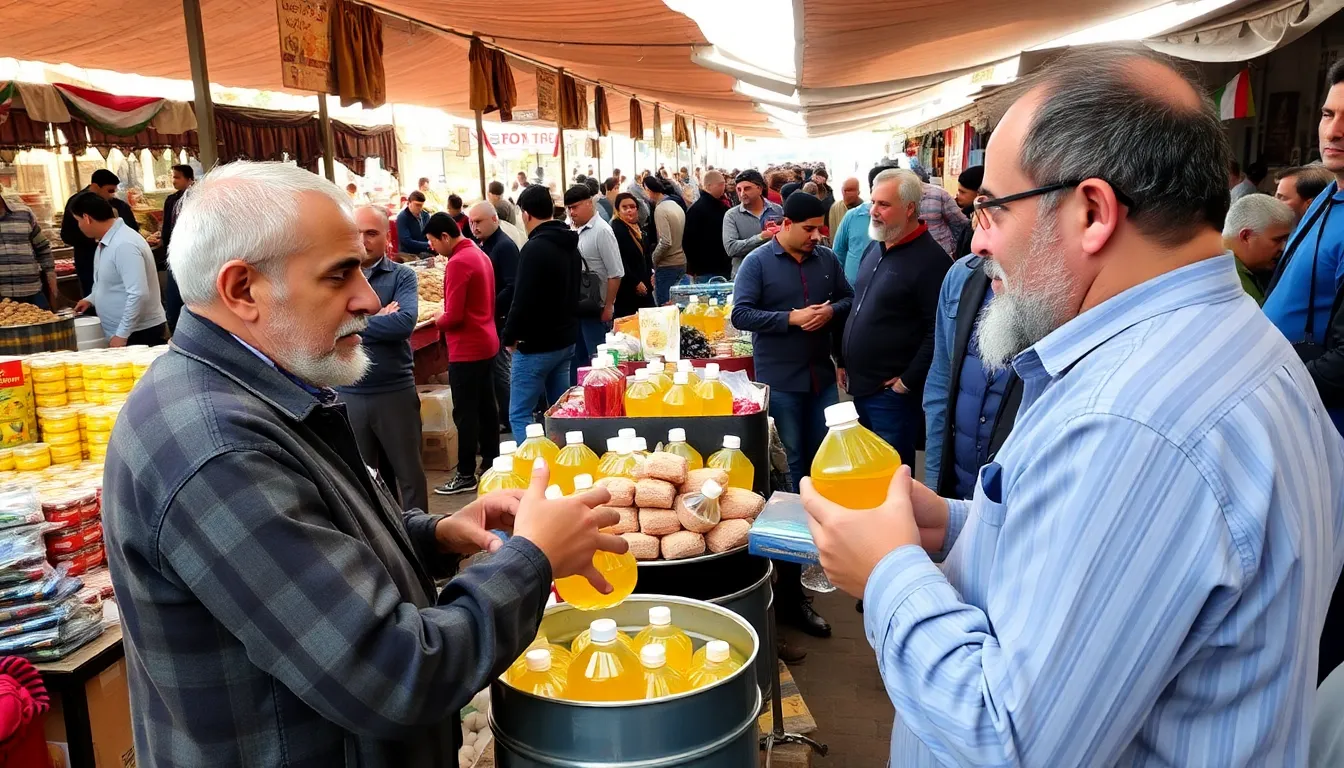
- Increased prices: Consumers face higher costs, affecting daily life.
- Market shifts: Small traders may struggle against larger competitors.
- Food security risks: Lower-income households may experience reduced access to essential foods.
- Opportunities for local production: Potential for growth in local oilseed farming and production.
As the situation evolves, policymakers may need to consider interventions that support local farmers and stabilize prices, which could help mitigate some of the adverse effects on communities. Balancing the interests of various stakeholders will be crucial in navigating the complexities of the cooking oil trade in Iran.
A: The cooking oil trade in Iran faces significant challenges due to economic sanctions, inflation, and supply chain disruptions. These factors have led to shortages and increased prices for consumers. A: Sanctions limit Iran’s ability to import raw materials, which are essential for cooking oil production. This results in reduced availability and higher costs for both producers and consumers. A: Key players include local producers, importers, and government agencies that regulate the market. Their interactions significantly influence pricing and availability. A: Inflation has driven up the costs of production and distribution, leading to skyrocketing prices for cooking oil. This has made it increasingly difficult for families to afford basic cooking supplies. A: Yes, the Iranian government is exploring various measures, including subsidies and partnerships with local producers, to stabilize the cooking oil market and ensure availability.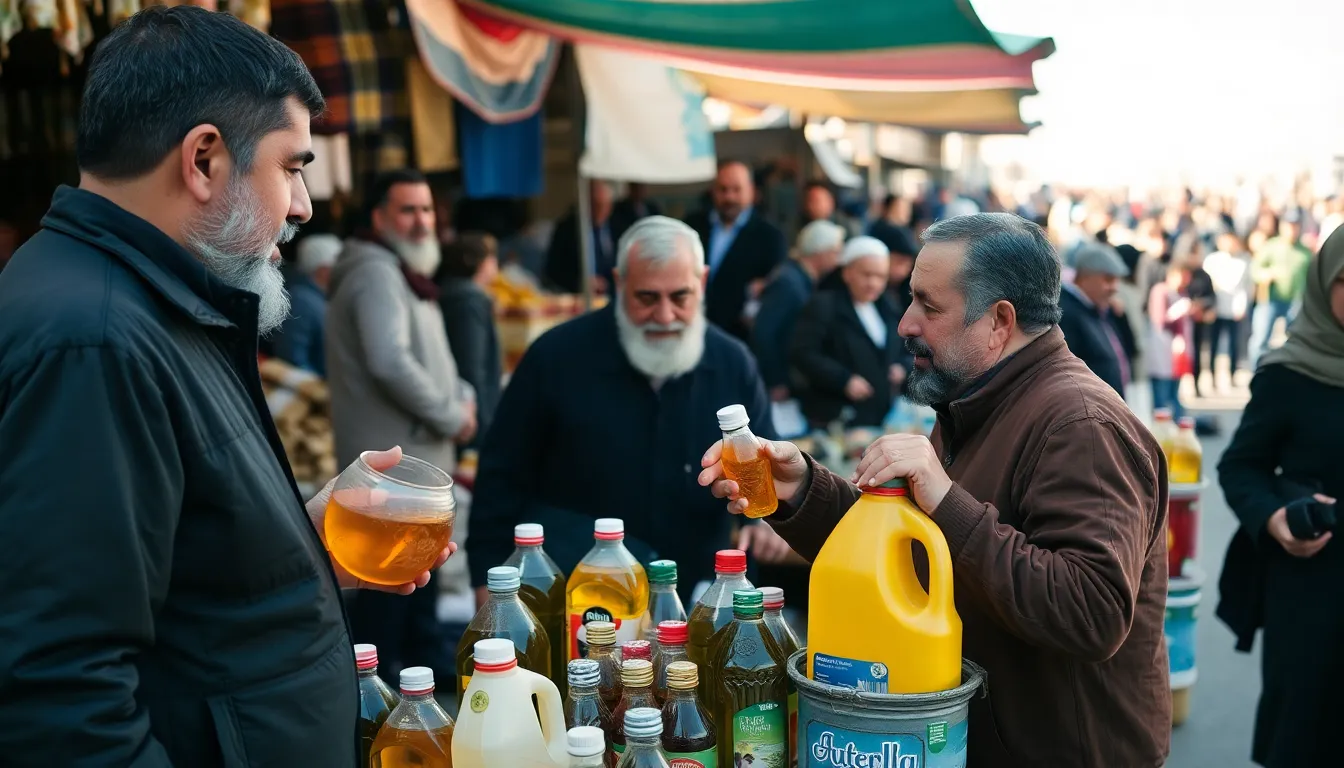
Frequently Asked Questions About the Cooking Oil Trade
Key Insights and Future Outlook on Iran’s Cooking Oil Trade
The cooking oil trade along Iran’s borders serves as a microcosm of the broader economic challenges facing the country. As sanctions continue to impact various sectors, the struggle for basic commodities like cooking oil highlights the resilience of local markets and the ingenuity of traders. However, this resilience may not be sustainable in the long term, as fluctuating prices and supply chain disruptions pose ongoing threats to stability.
Looking ahead, the dynamics of the cooking oil trade will likely reflect shifts in both domestic policies and international relations. Observers should remain vigilant to how these factors influence not only the availability of cooking oil but also the overall economic landscape in Iran.
- Monitor changes in import regulations that could affect the availability of cooking oil and other essential goods.
- Watch for fluctuations in global oil prices, as they may impact local production costs and consumer prices in Iran.
- Consider the potential for increased smuggling activities as traders seek to circumvent sanctions and meet local demand.
- Pay attention to government responses aimed at stabilizing prices, which could lead to further economic interventions.
- Evaluate the impact of regional geopolitical shifts on Iran’s trade relationships and access to necessary imports.