
During his address, Chen pointed out that while social media has the potential to connect people across the globe, it often leads to superficial interactions that lack depth and meaning. He emphasized that this phenomenon can contribute to a pervasive sense of isolation, even in a hyper-connected world, which is particularly alarming in a society like Singapore, known for its high digital engagement. For more about the challenges of social media, you can check out this article on the impact of technology.
Chen’s remarks come at a time when the impact of technology on mental health and social dynamics is under increasing scrutiny. Recent studies have indicated a correlation between heavy social media use and heightened feelings of loneliness and anxiety, particularly among younger demographics. This context makes Chen’s warnings particularly relevant as the film industry seeks to reflect and address contemporary societal issues.
The Far East Film Festival, which runs from April 21 to April 29, 2023, serves as a platform for filmmakers to discuss pressing cultural topics. Chen’s participation underscores the importance of dialogue around the influence of modern technology on humanity, encouraging audiences to reflect on their own social media habits and the broader implications for society.
Understanding the backdrop of the Far East Film Fest
The Far East Film Festival has long been a significant platform for showcasing Asian cinema, particularly films that reflect the unique cultural and social narratives of the region. Since its inception in 1999 in Udine, Italy, the festival has aimed to bridge cultural gaps and provide a space for filmmakers from Asia to present their work to international audiences. This festival has evolved into a crucial venue for discussing broader societal issues, including the impact of technology and media on human interactions.
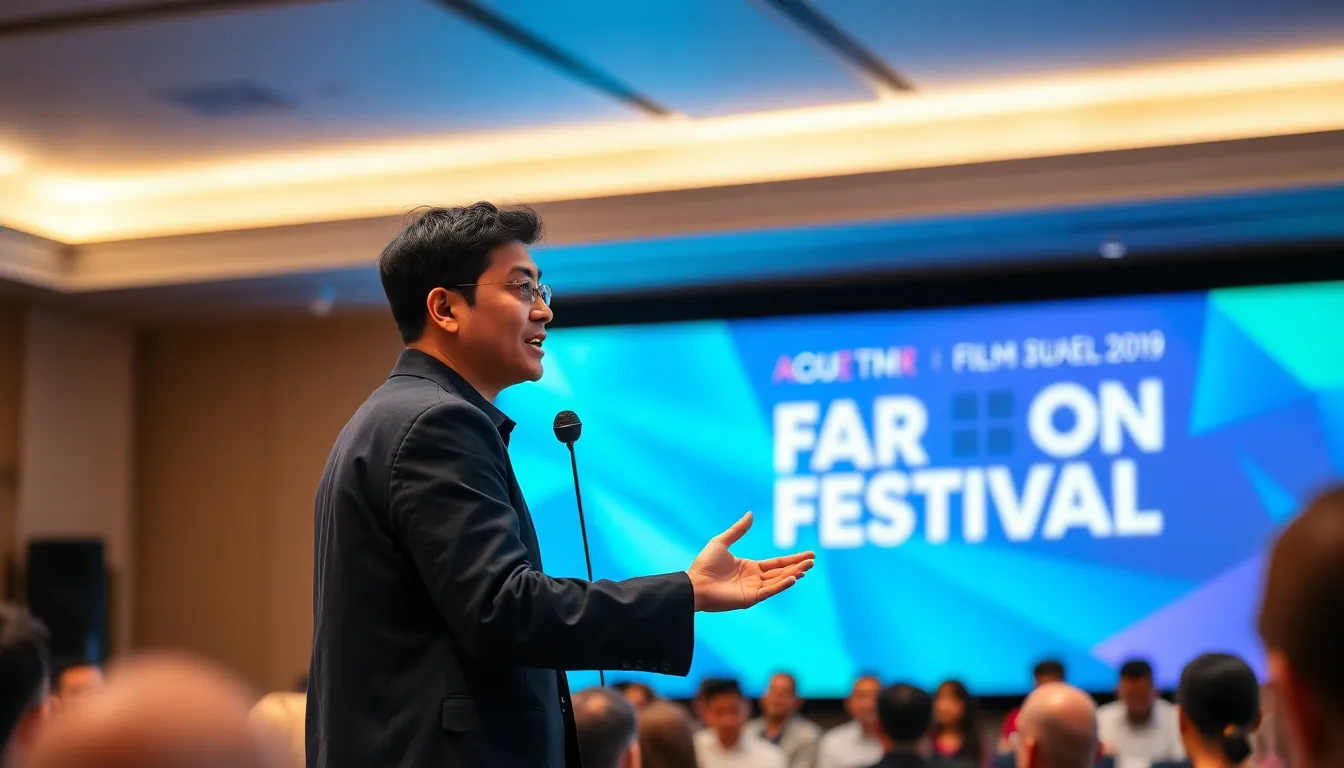
In recent years, the rise of social media has transformed how people communicate and engage with one another. While these platforms have allowed for greater connectivity, they have also raised concerns about their effects on mental health and societal cohesion. Filmmakers like Anthony Chen have begun to spotlight these issues, emphasizing how social media can detract from genuine human experiences and relationships. Chen’s remarks at the festival resonate with a growing sentiment among artists and audiences alike, who are increasingly aware of the dual-edged nature of digital communication. This topic aligns with our exploration of the video game that encourages conversation over combat, which examines similar themes.
The Evolution of Social Media’s Role in Society
Social media’s rapid development over the past two decades has altered the landscape of personal interaction and public discourse. Initially celebrated for democratizing information and providing a voice to the marginalized, platforms such as Facebook, Twitter, and Instagram have also been implicated in the spread of misinformation and the erosion of privacy. The consequences of these changes have been profound, affecting everything from political polarization to mental health issues among users, particularly younger generations.
As the Far East Film Festival highlights new cinematic works, it simultaneously reflects on these societal shifts. Filmmakers like Chen leverage their platforms to provoke thought and discussion about the implications of living in a digitally dominated age. By addressing these themes in their films, they encourage audiences to reflect on their own experiences with technology and its impact on their humanity.
Ultimately, the intersection of cinema and social commentary at events like the Far East Film Festival underscores the importance of storytelling in navigating contemporary challenges. As artists confront the realities of social media’s influence, they play a vital role in fostering dialogue and understanding in an increasingly complex world.
Key issues raised by Anthony Chen regarding social media
Anthony Chen, a prominent filmmaker, has recently expressed concerns about the impact of social media on human interactions and societal norms. As he prepares for the premiere of his film “Trilogy Closer” at the Far East Film Festival, his remarks resonate with a broader conversation about the role of digital platforms in shaping our lives.
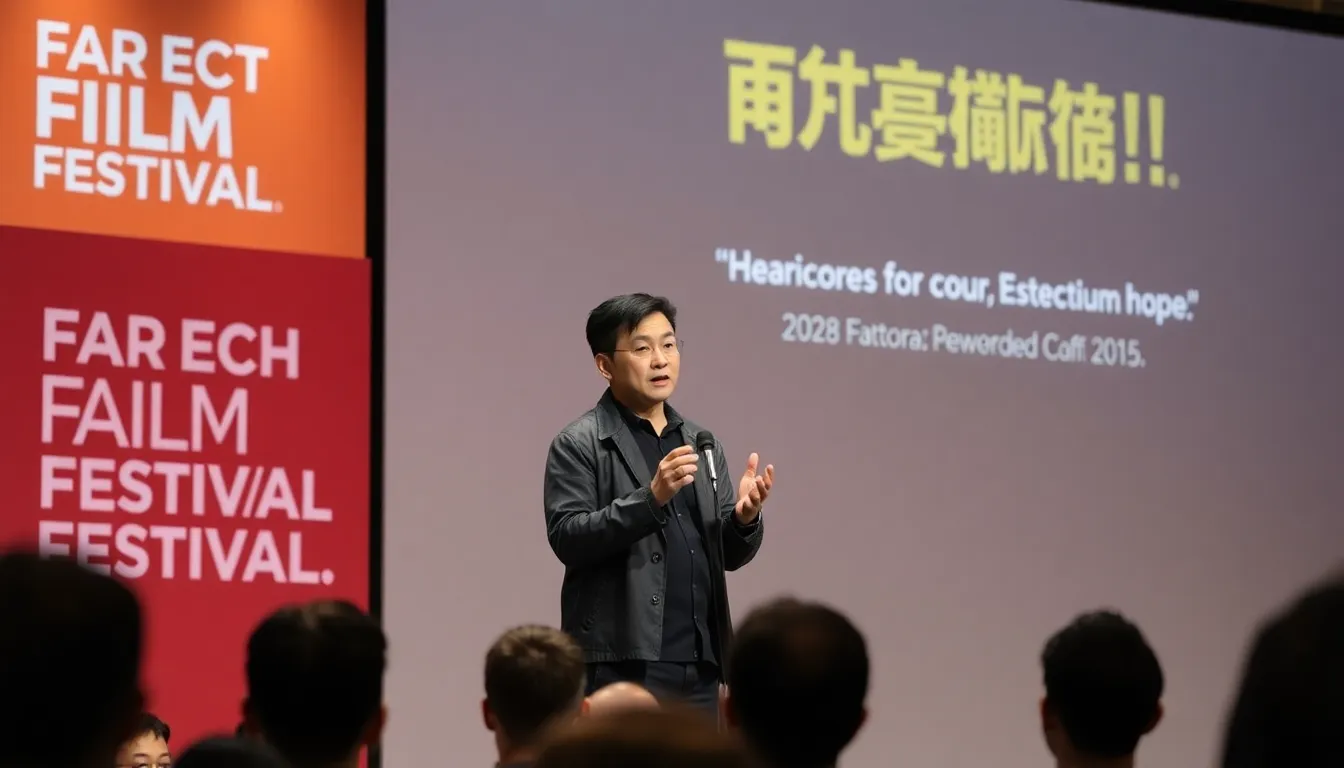
One of the main actors in this discourse is the social media industry itself, represented by major corporations like Facebook, Twitter, and Instagram. These organizations are primarily motivated by profit, often prioritizing user engagement and advertising revenue over the mental well-being of their users. This creates a conflict between their economic interests and the social responsibility they hold.
Moreover, governments worldwide are grappling with how to regulate social media effectively. In Singapore, where Chen’s film is set, the government has implemented strict laws to manage online content and curb misinformation. However, these regulations can sometimes infringe on freedom of expression, leading to tensions between public safety and individual rights. Such complexities are also discussed in our article on Nikki Glaser’s recent comments regarding social media.
Key issues emerging from Chen’s warnings include:
- Impact on Mental Health: The addictive nature of social media can lead to anxiety, depression, and a decrease in face-to-face interactions.
- Spread of Misinformation: The rapid dissemination of false information can undermine trust in institutions and create societal divisions.
- Privacy Concerns: Users often unknowingly sacrifice their privacy for convenience, raising ethical questions about data usage.
- Regulatory Challenges: Governments face the difficult task of balancing regulation with freedom of speech, often leading to contentious debates.
- Cultural Shifts: Social media can alter cultural norms and values, affecting how communities interact and engage with each other.
As these stakeholders navigate their respective interests, the dialogue sparked by Chen’s insights encourages a re-examination of how social media influences humanity, urging all parties to consider the long-term implications of their actions and policies.
How social media influences audiences and filmmakers
As Anthony Chen highlights the detrimental effects of social media on humanity, various groups and industries are feeling the impact. Filmmakers, particularly in the Singaporean and broader Southeast Asian film industries, are grappling with the changing dynamics of audience engagement. The rise of social media has altered traditional marketing strategies, compelling filmmakers to adapt to new platforms and trends to reach viewers.
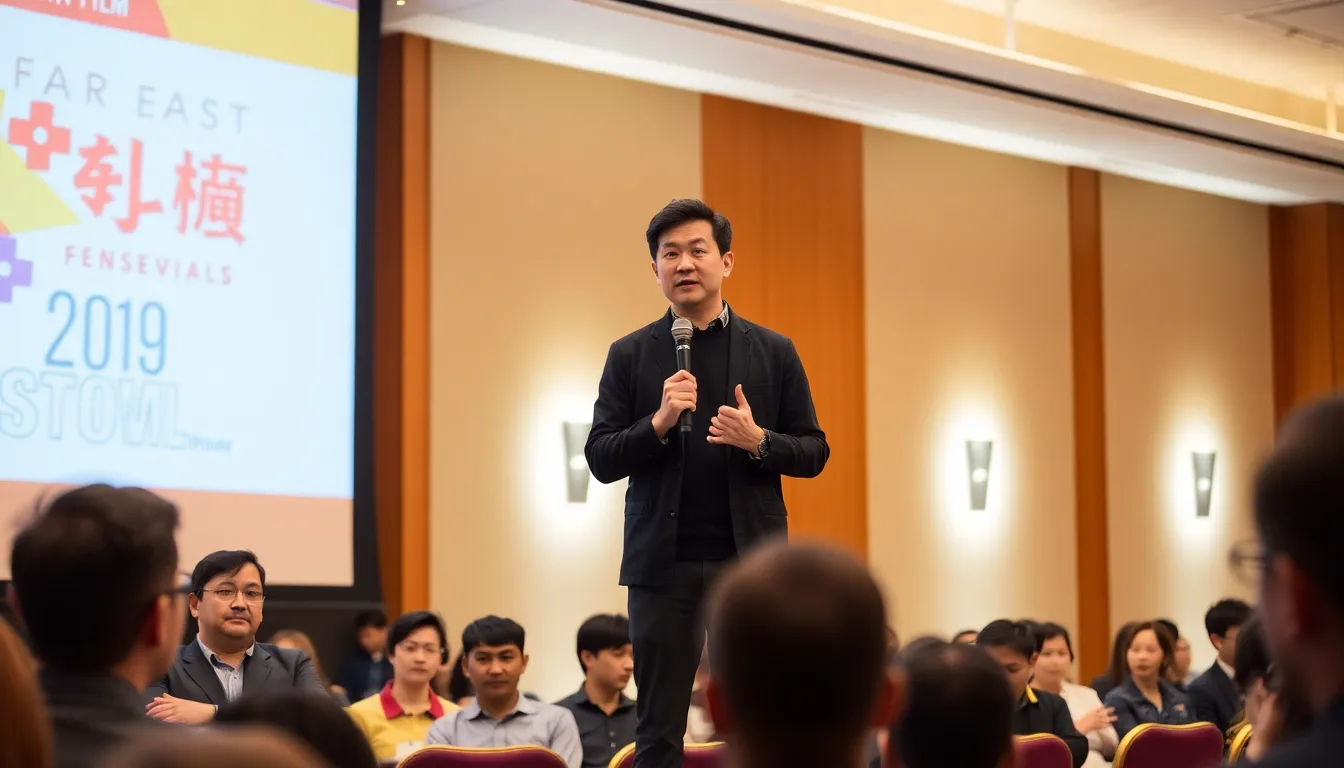
In the short term, audiences may experience a shift in content consumption patterns. With social media platforms prioritizing sensationalism and quick engagement, filmmakers may feel pressured to create content that caters to these trends rather than focusing on storytelling depth. This could lead to a dilution of artistic expression and a rise in formulaic productions that prioritize virality over substance.
Mid-term impacts could manifest in the form of policy changes within the film industry. As concerns about mental health and the ethical implications of social media usage grow, there may be calls for regulations that promote more responsible content creation and consumption. This could create opportunities for filmmakers who prioritize authentic storytelling and engage in meaningful conversations around societal issues.
- Risks: Diminished artistic integrity, increased pressure to conform to trends, potential audience disengagement.
- Opportunities: Emergence of niche markets, demand for authentic storytelling, potential for innovative marketing strategies.
Regions heavily reliant on tourism and cultural exports, like Singapore, may also face challenges as social media influences perceptions of local culture and narratives. The portrayal of Singaporean stories on global platforms can either enhance or undermine the country’s cultural identity, depending on how filmmakers navigate these challenges.
A: Anthony Chen expressed concerns that social media is damaging human connections and empathy. He believes it detracts from genuine interactions. A: The Far East Film Fest is a platform that showcases Asian cinema, promoting cultural exchange and discussions on contemporary issues in film. A: Chen’s trilogy explores themes of connection and isolation, serving as a commentary on the effects of social media on personal relationships. A: Chen hopes to spark conversations about the responsible use of social media and its impact on society, encouraging audiences to reflect on their digital habits. A: Yes, the festival will feature panels and discussions focusing on the intersection of technology, media, and human experiences.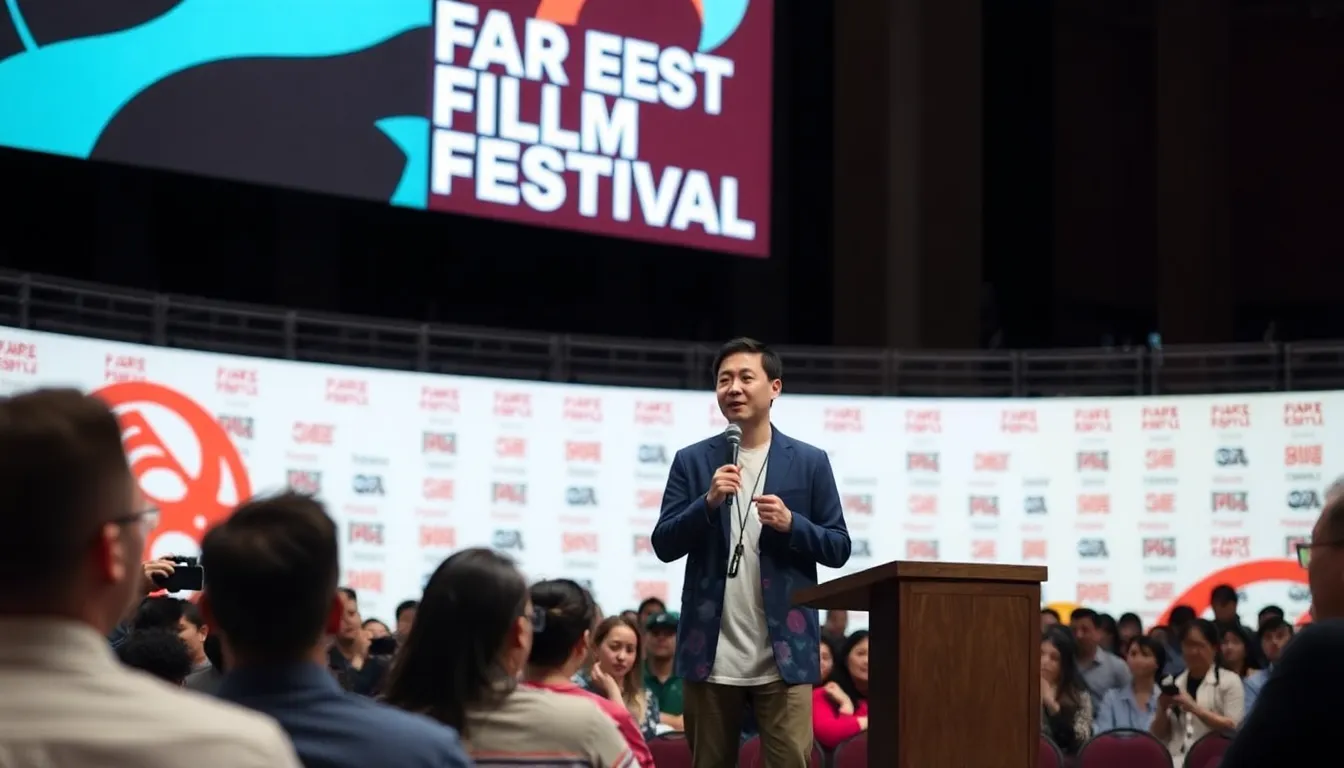
Frequently Asked Questions about the film and social media
Insights on the future of film and social media’s role
As Anthony Chen highlights the detrimental effects of social media on human connection, the film industry finds itself at a crossroads. The increasing prevalence of digital platforms poses both challenges and opportunities for storytelling and audience engagement. The Far East Film Festival’s focus on Chen’s trilogy serves as a reminder of the importance of authentic narratives in an era dominated by superficial interactions.
Filmmakers and audiences alike must navigate this evolving landscape, where the essence of humanity and creativity can be overshadowed by the noise of social media. The future of film may hinge on how effectively creators can leverage digital platforms while maintaining the integrity of their art and fostering genuine connections with viewers.
- Emphasis on Authenticity: Filmmakers may need to prioritize genuine storytelling over sensationalism to resonate with audiences.
- Audience Engagement Strategies: Exploring innovative ways to engage viewers beyond social media could enhance the cinematic experience.
- Collaboration with Digital Platforms: Partnerships with social media companies might be essential for promoting films while preserving artistic values.
- Focus on Mental Health: The industry should consider the psychological impacts of social media on both creators and audiences, advocating for healthier consumption habits.