
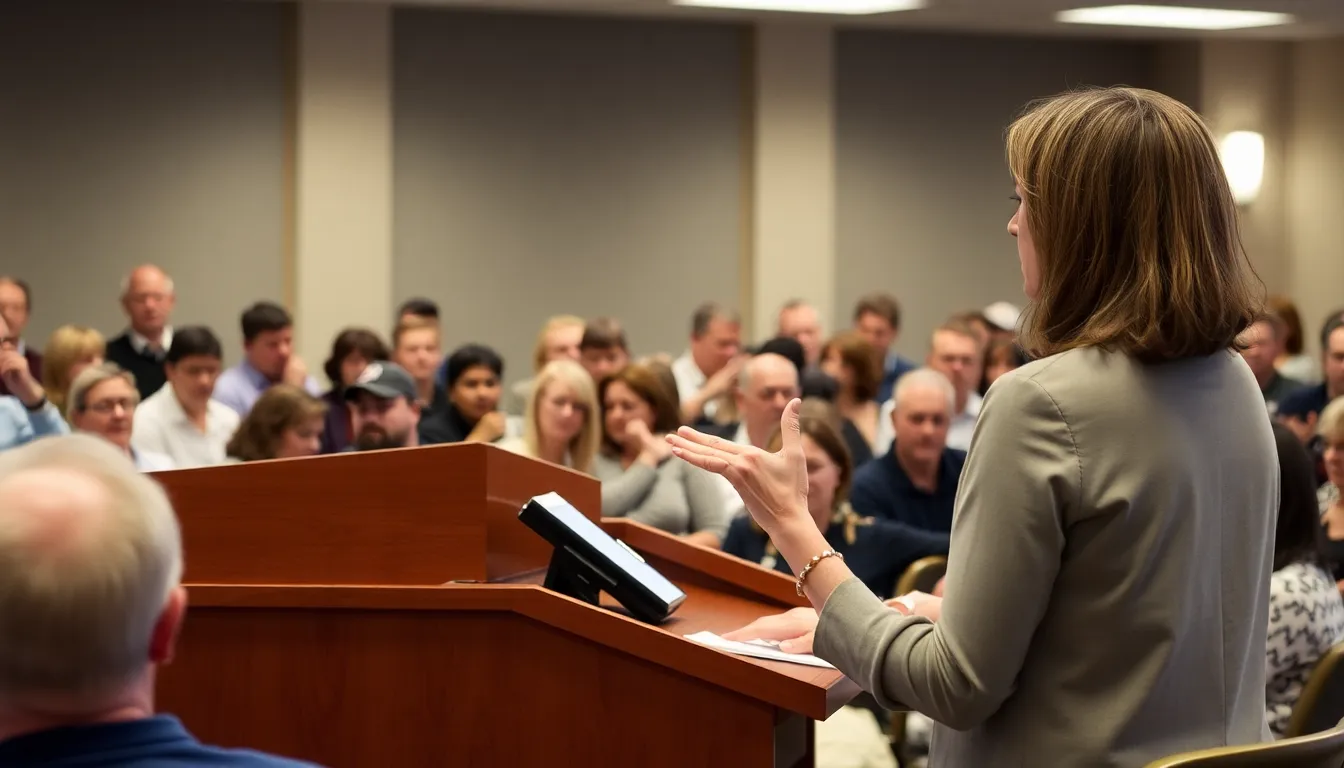
Thompson’s concerns were amplified during a town hall meeting on October 15, 2023, where she presented data highlighting the negative impacts of artificial grass on water drainage and soil health. According to her research, artificial turf can contribute to urban flooding by preventing rainwater from being absorbed into the ground. This issue is particularly relevant as climate change continues to affect weather patterns, which has garnered attention in various discussions about sustainable urban development.
Supporters of Thompson’s initiative have pointed out that synthetic grass often contains harmful chemicals, which can leach into the soil and waterways. A report from the Environmental Protection Agency (EPA) published in September 2023 noted that some artificial grass products contain substances linked to health risks. This has led to calls for stricter regulations on the materials used in synthetic turf manufacturing.
As the debate unfolds, local homeowners are divided. Some appreciate the low maintenance of artificial lawns, while others are increasingly aware of the potential environmental consequences. The community is now faced with the challenge of balancing convenience with ecological responsibility, making this issue a pivotal topic for future discussions on urban landscaping and sustainability.
Understanding the rise of artificial grass in urban areas
The increasing popularity of artificial grass in urban environments can be traced back to the mid-20th century when advancements in synthetic materials made it feasible for widespread use. Initially adopted for sports fields and playgrounds, artificial turf offered a durable and low-maintenance alternative to natural grass, particularly in regions with challenging climates. As cities expanded and green spaces became limited, the appeal of artificial grass grew, promising a lush appearance without the need for watering, mowing, or fertilization.
In recent years, the push for sustainable urban development has further fueled the adoption of artificial grass. Many city planners and homeowners turned to synthetic lawns as a solution to combat water scarcity and reduce the environmental impact of traditional landscaping. This trend was supported by various governmental initiatives aimed at promoting water conservation, particularly in drought-prone areas. However, the environmental benefits of artificial grass have come under scrutiny, leading to a growing debate about its long-term sustainability.
The Environmental Debate
While artificial grass is marketed as an eco-friendly alternative, critics argue that its production and disposal pose significant environmental risks. The materials used in synthetic turf, often made from petroleum-based products, raise concerns about pollution and the carbon footprint associated with their manufacturing. Furthermore, the infill materials used to keep the turf in place can contribute to microplastic pollution when they break down. As awareness of these issues grows, eco-residents are increasingly calling for bans on artificial grass, advocating for more sustainable landscaping alternatives that prioritize native plants and biodiversity, as highlighted in ongoing debates about environmental policy.
The political landscape surrounding artificial grass regulation is also evolving. Local governments in several states have begun to consider or implement restrictions on the use of synthetic turf in public spaces. This shift reflects a broader societal movement towards prioritizing environmental health and sustainability over convenience. As eco-residents continue to advocate for change, the conversation around artificial grass is likely to influence future policies and urban planning strategies.
Examining the stakeholders involved in the artificial grass debate
The debate surrounding the use of artificial grass has attracted a diverse array of stakeholders, each with unique interests and concerns. Eco-residents, environmental organizations, local governments, and the artificial turf industry all play significant roles in this ongoing discussion. Understanding their perspectives is essential to grasp the complexities of the issue.
Eco-residents advocate for a ban on artificial grass, citing environmental concerns such as plastic pollution, heat retention, and the loss of natural habitats. Their interest lies in promoting sustainable landscaping practices that support biodiversity and reduce carbon footprints. They argue that while artificial grass may offer short-term convenience, the long-term environmental costs outweigh these benefits, a sentiment echoed in various reports advocating for stricter regulations on synthetic materials.
On the other hand, the artificial turf industry, which includes manufacturers and retailers, emphasizes the economic advantages of synthetic grass. They argue that artificial turf requires less maintenance, conserves water, and can withstand heavy use in sports and recreational settings. This sector’s interests are primarily economic, as they seek to maintain and expand their market share against growing environmental concerns.
Local governments find themselves in a challenging position, balancing the needs of residents with economic considerations. They may face pressure to regulate artificial grass usage while also considering the potential economic impacts on local businesses. Key issues for local authorities include:
- Environmental regulations and compliance.
- Public health implications related to synthetic materials.
- Economic impacts on landscaping businesses and local economies.
Ultimately, the conflict between eco-residents and the artificial turf industry highlights the trade-offs between environmental sustainability and economic growth. As these stakeholders navigate their differing priorities, the outcome of this debate will likely influence local policies and community practices for years to come.
Potential environmental impacts of banning artificial grass
The call for a ban on artificial grass primarily affects homeowners, landscaping companies, and sports facilities. Homeowners who have invested in artificial turf for aesthetic or practical reasons may face significant changes in their outdoor spaces. Landscaping companies that specialize in installing and maintaining artificial grass could see a decline in business, while sports facilities that rely on synthetic fields may need to consider costly alternatives.
In the short term, the immediate impact on daily life for homeowners could include the need to replace artificial grass with natural alternatives, which may require more water and maintenance. For businesses, there may be a shift in focus towards sustainable landscaping solutions, potentially leading to increased demand for native plant landscaping and natural grass installations.
Mid-term impacts could include policy changes at local and state levels as governments respond to environmental concerns. Regulations may be introduced to promote natural landscaping practices, incentivizing businesses to innovate and adapt. This shift could create opportunities for companies specializing in eco-friendly landscaping materials and services.
- Increased demand for natural grass and sustainable landscaping solutions.
- Potential rise in costs for homeowners and businesses due to maintenance of natural alternatives.
- Opportunities for innovation in eco-friendly landscaping practices.
- Policy shifts that could promote environmental sustainability and conservation.
While the ban on artificial grass presents risks such as increased water usage and maintenance challenges, it also opens doors for new markets focused on sustainability. The transition could foster a greater awareness of environmental issues and encourage communities to adopt more eco-conscious practices.
A: Artificial grass can contribute to heat retention and lack of biodiversity. It also often contains harmful materials that can leach into the soil. A: Artificial grass can disrupt local ecosystems by providing a non-natural habitat, which can be detrimental to native species. A: Alternatives include natural grass, native plants, and xeriscaping, which can provide sustainable landscaping options. A: Yes, some cities have implemented bans or restrictions on artificial grass in public spaces to promote environmental sustainability. A: Banning artificial grass can lead to improved biodiversity, better water management, and a reduction in urban heat islands.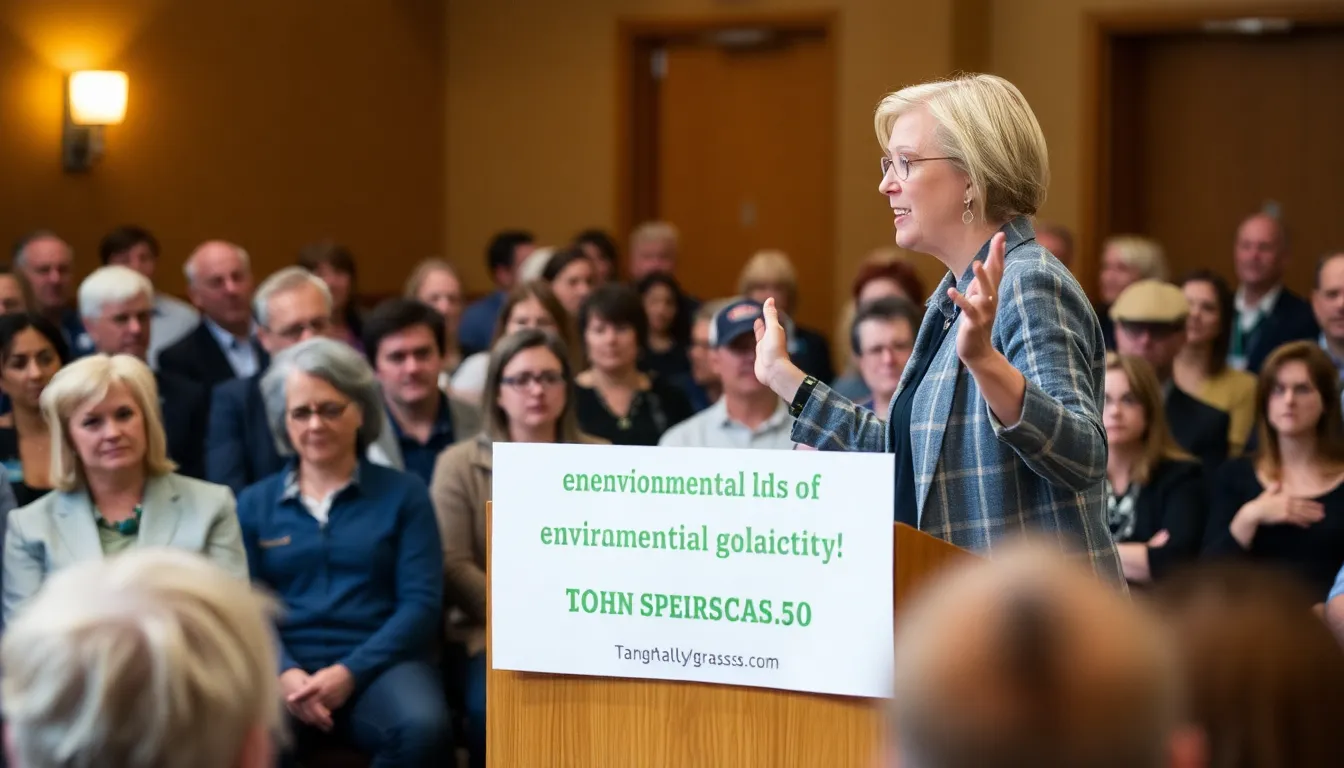
Frequently asked questions about artificial grass and its ban
Key takeaways and future outlook on artificial grass regulations
The growing concerns surrounding the environmental impact of artificial grass have sparked significant debate among eco-residents and policymakers alike. As communities grapple with the implications of synthetic turf, it is essential to consider the potential shifts in regulations and public sentiment that may arise in response to these concerns. The call for a ban on artificial grass highlights the urgent need for sustainable alternatives and greater awareness of ecological footprints.
Looking ahead, the landscape of landscaping and recreational spaces may undergo transformative changes as more individuals advocate for eco-friendly practices. It will be crucial to monitor how local governments respond to these calls, as well as the innovations that may emerge in the realm of sustainable ground cover solutions.
- Increased public awareness may lead to stronger advocacy for eco-friendly landscaping options.
- Local governments could introduce stricter regulations on the use of artificial grass in public spaces.
- Innovations in biodegradable or natural alternatives to artificial grass may gain traction in the market.
- Community engagement and education initiatives may play a pivotal role in shifting perceptions about green spaces.
- Monitoring environmental impact assessments will become increasingly important as the debate evolves.