
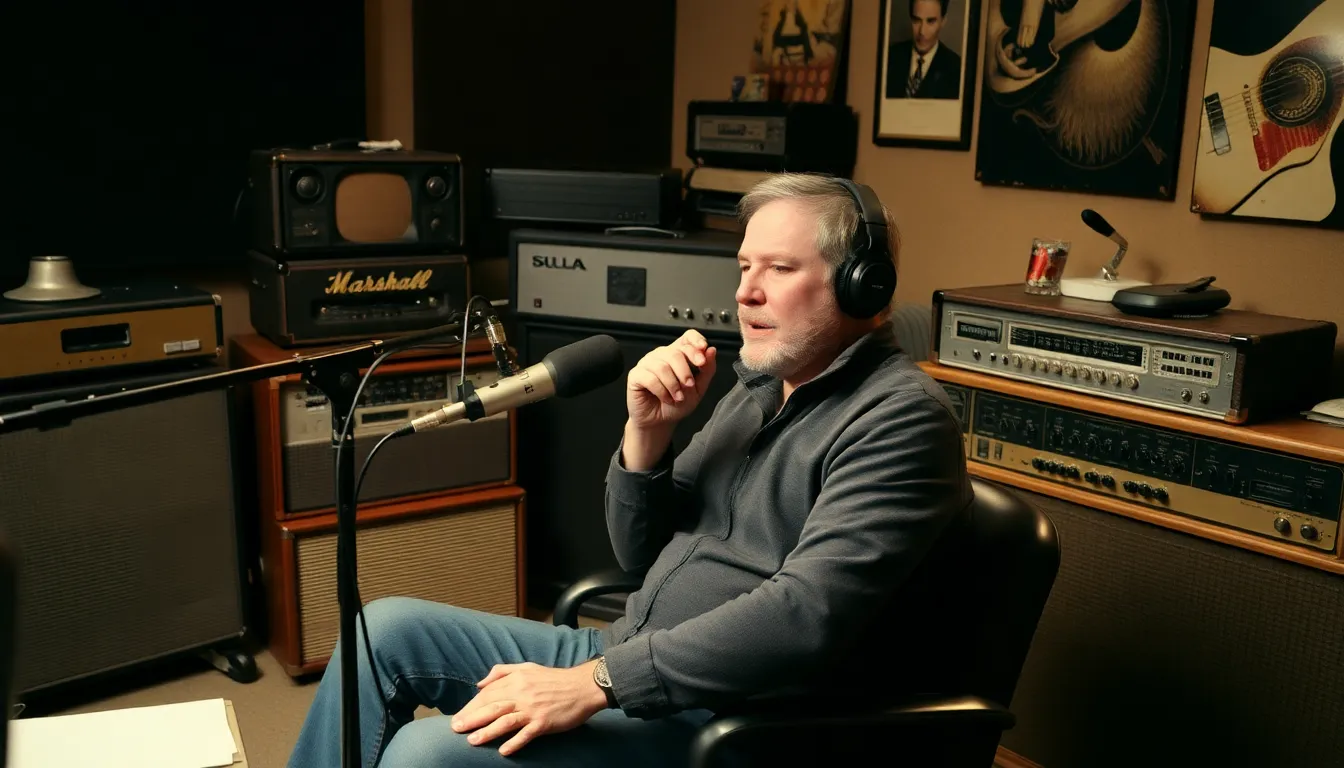
The enduring popularity of “Don’t You Want Me” highlights the lasting influence of New Wave music, a genre that emerged in the late 1970s and early 1980s. This musical style is characterized by its blend of punk rock and electronic pop, which has continued to resonate with audiences across generations. The song’s themes of love and power dynamics remain relevant, contributing to its ongoing appeal. For more on the impact of this genre, check out our article on the cultural significance of New Wave music.
As the music industry evolves, Oakey’s insights serve as a reminder of how unpredictable success can be. Despite his initial doubts, “Don’t You Want Me” has become a cultural touchstone, often featured in films, television shows, and commercials. This phenomenon underscores the unpredictable nature of musical trends and the ability of certain songs to transcend their time.
Moreover, Oakey’s reflections underscore the importance of artistic authenticity in creating music that resonates with listeners. His candidness about his initial skepticism offers a glimpse into the creative process and the complexities of navigating the music business. As the New Wave genre continues to inspire new artists, the legacy of Human League and their hit song remains a vital part of music history, much like the ongoing influence seen in current artists, as discussed in Kacey Musgraves’ recent performances.
Understanding the New Wave music movement
The New Wave music movement emerged in the late 1970s and early 1980s as a response to the punk rock revolution. Characterized by its eclectic sound, blending elements of punk, electronic, and pop music, New Wave became a significant cultural phenomenon. Bands like The Human League, Duran Duran, and Talking Heads brought a fresh perspective to the music scene, emphasizing synthesizers and innovative production techniques that set them apart from their predecessors.
During this period, the socio-political landscape was marked by economic challenges, particularly in the UK, where rising unemployment and social unrest created a sense of disillusionment among the youth. This environment fostered a desire for change and new forms of artistic expression. New Wave artists often addressed themes of alienation and modernity, resonating with a generation seeking to break away from traditional norms.
One of the key milestones in the New Wave movement was the advent of music videos, which gained popularity with the launch of MTV in 1981. This platform not only revolutionized how music was consumed but also allowed bands to create a visual identity that complemented their sound. The Human League’s “Don’t You Want Me,” released in 1981, exemplified this trend, combining catchy melodies with a compelling narrative that captivated audiences worldwide.
The Impact of Technology on Music Production
The technological advancements of the era played a crucial role in shaping the New Wave sound. The introduction of affordable synthesizers and drum machines allowed bands to experiment with new sounds and production techniques. This democratization of music production meant that even smaller bands could produce high-quality recordings, leading to a surge in creativity and diversity within the genre. As a result, New Wave music not only reflected the zeitgeist of the time but also influenced future generations of musicians.
Key factors that contributed to the song’s success
Philip Oakey, as the lead vocalist of The Human League, played a crucial role in the creation and eventual success of “Don’t You Want Me.” His initial skepticism about the song’s potential hit status reflects a broader uncertainty often faced by artists in the music industry. This perspective is essential for understanding the dynamics within the music scene during the early 1980s.
One of the key stakeholders in this scenario is the record label, Virgin Records, which had a vested interest in promoting new wave music. Their marketing strategies and investment in the band helped elevate the song’s profile, showcasing the importance of label support in an artist’s success. The label’s belief in the song, despite Oakey’s doubts, highlights the often conflicting interests between artists and their management.

Another significant factor is the cultural context of the time. The emergence of new wave music, characterized by its synthesizer-driven sound, resonated with a generation seeking fresh musical expressions. This cultural shift created a fertile ground for “Don’t You Want Me” to thrive, as it tapped into the zeitgeist of the early 1980s.
- Artist’s Perspective: Oakey’s initial lack of confidence in the song reflects the common artist dilemma of self-doubt versus public perception.
- Record Label Dynamics: The role of Virgin Records in marketing and promoting the track was pivotal, illustrating the power dynamics in the music industry.
- Cultural Relevance: The song’s alignment with the new wave movement allowed it to capture the attention of a broader audience.
- Economic Factors: The financial backing of the label facilitated extensive promotional efforts, leading to greater exposure.
Moreover, the enduring appeal of “Don’t You Want Me” can be attributed to its catchy melody and relatable lyrics, which continue to resonate with listeners today. This highlights the economic implications of timeless music, where successful tracks can generate revenue long after their initial release. The longevity of new wave music also reflects a shift in consumer preferences, showcasing how certain genres can maintain relevance over decades, a topic explored further in our piece on Amazon’s commitment to annual movie releases.
The influence of Don’t You Want Me on contemporary music
The release of ‘Don’t You Want Me’ by the Human League not only marked a significant moment in the 1980s music landscape but also influenced various groups and industries that continue to feel its impact today. Musicians, producers, and even fashion designers draw inspiration from the New Wave genre that the song epitomizes, showcasing the lasting effects of this iconic track.
In the short term, the resurgence of interest in New Wave music has led to a revival in related fashion trends and styles, particularly among younger generations who are discovering this genre. This has created opportunities for businesses in the fashion industry to capitalize on retro aesthetics, leading to a boost in sales for brands that embrace vintage styles.
In the mid-term, the renewed popularity of songs like ‘Don’t You Want Me’ can affect the music industry by encouraging record labels to invest in similar sounds and artists. This shift may lead to a broader acceptance of synth-pop and electronic music within mainstream circles, potentially reshaping playlists and concert lineups. However, there is a risk that the saturation of this genre could lead to a decline in its novelty, making it harder for new artists to break through.
- Musicians: Increased opportunities for collaboration and exploration of New Wave influences.
- Fashion Industry: Potential for growth in retro-inspired clothing lines.
- Record Labels: Shift in focus towards synth-pop, impacting artist development strategies.
Regions with a vibrant music scene, such as major urban centers, are likely to feel the effects more acutely, as live music venues and clubs may see a rise in attendance for retro-themed events. This can foster a sense of community among fans of the genre, encouraging local economies to thrive through increased patronage of bars, restaurants, and merchandise sales.
A: Oakey initially thought the song was too different from their previous work and doubted its mainstream appeal. He was surprised by its massive success, which highlighted the unpredictable nature of music. A: New Wave music is characterized by its use of synthesizers, catchy melodies, and a fusion of punk rock and pop elements. It emerged in the late 1970s and became a defining sound of the 1980s. A: The song’s catchy hooks and synth-driven sound have inspired numerous contemporary artists across various genres. Its legacy continues to resonate in today’s music landscape. A: The song explores themes of love, desire, and the complexities of relationships, presenting a narrative that many listeners can relate to. A: Oakey believes that while the genre has evolved, its core elements still influence many modern artists. He appreciates how New Wave continues to inspire new generations.
Frequently Asked Questions about Philip Oakey and New Wave
Insights on the enduring legacy of New Wave music
The conversation with Philip Oakey reveals the surprising dynamics of music creation and perception, particularly in the context of New Wave. His initial skepticism about the potential success of ‘Don’t You Want Me’ underscores the unpredictability of artistic impact, suggesting that even creators can underestimate their work’s resonance with audiences. This reflects a broader theme within the New Wave genre, where innovation and emotional connection often intersect in unexpected ways.
As New Wave continues to influence contemporary music, it serves as a reminder of the genre’s unique ability to blend catchy melodies with deeper thematic content. The lasting appeal of tracks like ‘Don’t You Want Me’ illustrates how nostalgia can play a pivotal role in the ongoing appreciation of music from this era, while also inviting new interpretations and explorations by emerging artists.
- The unpredictability of hit songs highlights the importance of artistic authenticity over commercial expectations.
- New Wave music’s fusion of diverse influences can inspire modern musicians to experiment with genre-blending techniques.
- Nostalgia plays a crucial role in music appreciation, creating opportunities for revival and reinterpretation of classic tracks.
- Engaging with the stories behind iconic songs can deepen listeners’ connections to the music and its cultural significance.
- As New Wave continues to evolve, its themes of emotional complexity and social commentary remain relevant, paving the way for future generations of artists.