
The refinery, which is one of the largest in Australia, plays a crucial role in meeting the nation’s fuel demands. Authorities have reported that the fire has led to the shutdown of production, which may result in a substantial reduction in petrol availability across various regions. In the wake of the incident, fuel prices are expected to rise as the market reacts to the decreased supply. For more details on international oil supply dynamics, see this article.
Emergency services worked tirelessly to contain the fire, and while no injuries have been reported, the situation remains fluid as investigations into the cause are underway. The Australian government has been closely monitoring the situation, with officials expressing concerns about the potential for fuel shortages in the coming weeks. This incident underscores the vulnerability of the nation’s critical infrastructure to unforeseen events.
Industry analysts are now evaluating the potential economic impact of the fire, particularly in relation to transport and logistics sectors that heavily rely on fuel. The refinery’s closure could lead to increased operational costs and disruptions, further complicating an already strained supply chain. As the situation develops, stakeholders across the fuel market are preparing for potential challenges ahead, which could mirror issues faced during the Iran conflict.
Background on Australia’s oil refining capacity
Australia’s oil refining capacity has undergone significant changes over the past few decades, influenced by a combination of economic, political, and environmental factors. Historically, the nation had a robust network of oil refineries that played a crucial role in ensuring energy security and supporting the domestic fuel supply. However, the landscape has shifted dramatically, with many facilities closing or reducing operations due to rising costs, competition from imported fuels, and changing government policies.
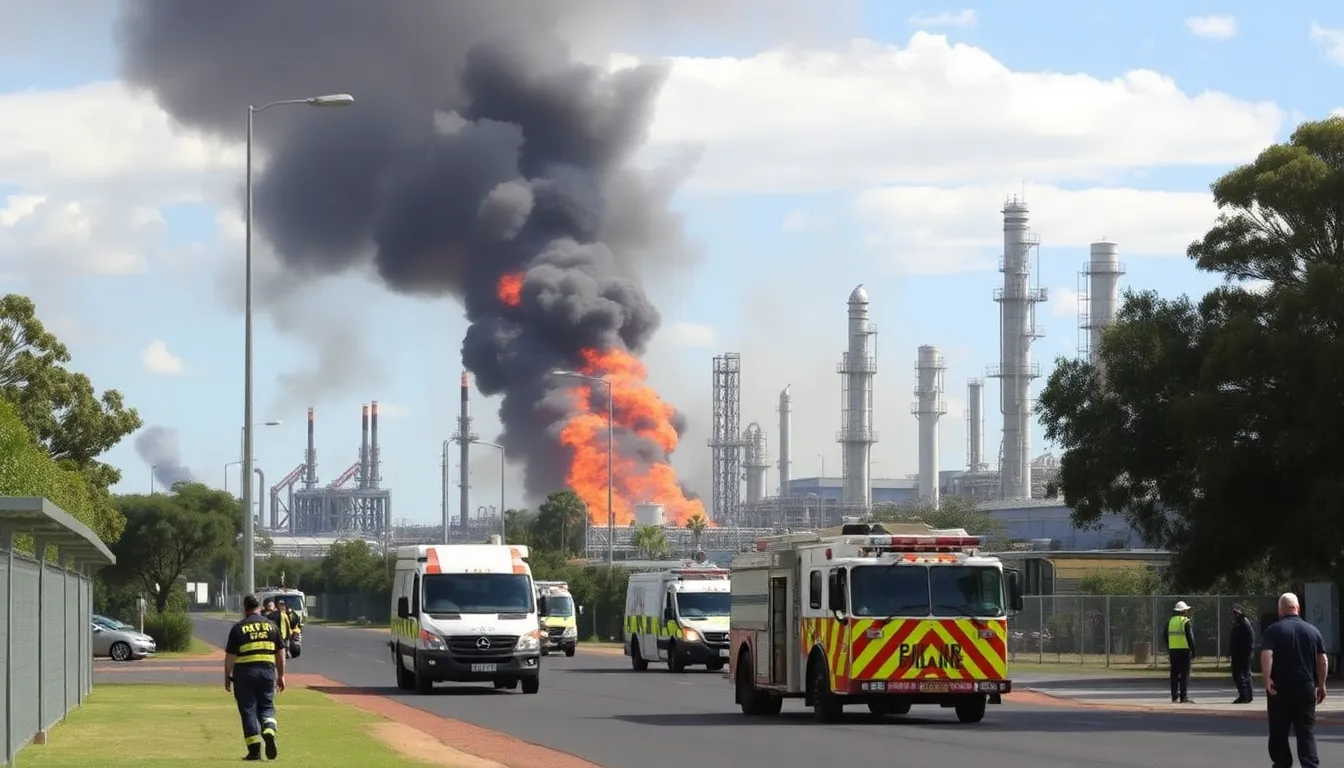
In the early 2000s, Australia had around seven major refineries, but by 2023, this number had dwindled to just four. The closure of several refineries, including the recent shutdown of the Lytton refinery in Queensland, has raised concerns about the country’s ability to meet its petrol demands. This decline has been attributed to factors such as the global shift towards cleaner energy sources, increased operational costs, and the challenges posed by maintaining aging infrastructure.
Impact of Global Events
Global events, such as geopolitical tensions and fluctuations in oil prices, have also played a role in shaping Australia’s refining landscape. The COVID-19 pandemic, for instance, significantly reduced fuel demand, leading to reduced refining margins and prompting some refineries to halt operations temporarily or permanently. Additionally, the ongoing conflict in Eastern Europe has disrupted global oil supply chains, further exacerbating the challenges faced by Australia’s remaining refineries.
As a result of these developments, Australia has become increasingly reliant on imported petrol, making the nation vulnerable to international market fluctuations. The recent unprecedented fire at an oil refinery serves as a stark reminder of the fragility of the country’s fuel supply and the potential for significant disruptions that could impact both consumers and the broader economy. This scenario emphasizes the importance of strategic discussions highlighted in recent debates on energy security.
Key stakeholders and issues surrounding the incident
The recent fire at the Australian oil refinery has drawn attention from various stakeholders, each with distinct interests and concerns. Key actors include the government, oil companies, environmental groups, and the general public. Understanding their roles and the implications of this incident is crucial for comprehending the broader impact on the nation’s petrol supplies.
Firstly, the Australian government plays a significant role in regulating the oil industry and ensuring energy security for its citizens. Their interest lies in maintaining stable petrol supplies and minimizing the economic fallout from the refinery’s disruption. This incident may prompt discussions about the need for stricter safety regulations and contingency plans to prevent similar occurrences in the future.
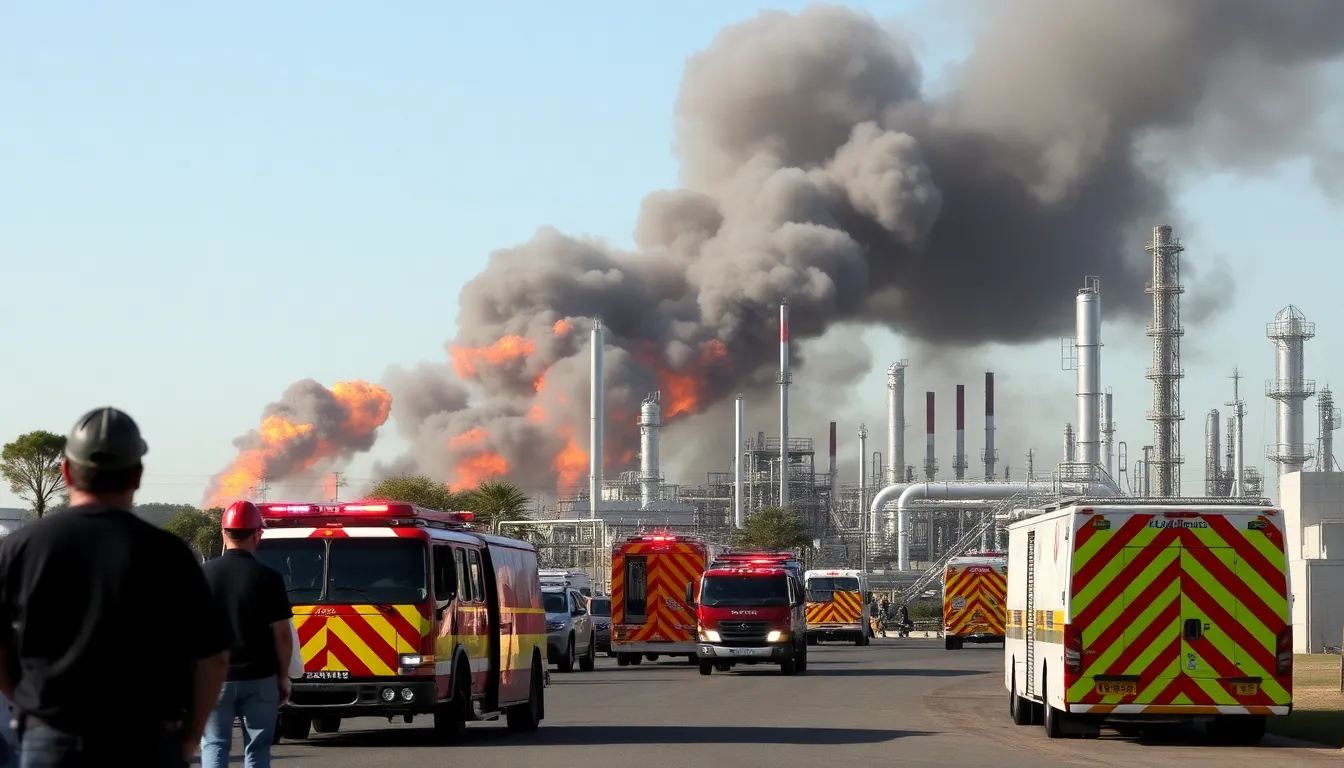
Oil companies, particularly those operating the affected refinery, are also central to this situation. Their primary concern revolves around the financial implications of the fire, including potential losses and the cost of repairs. Additionally, they face pressure to reassure consumers and stakeholders about the continuity of petrol supplies, which may lead to increased prices in the short term.
Environmental groups are likely to raise concerns regarding the fire’s impact on the surrounding ecosystem and air quality. Their interest focuses on advocating for sustainable practices within the oil industry and holding companies accountable for any environmental damage. This incident may reignite debates about the transition to renewable energy sources and the long-term sustainability of fossil fuels.
- The potential for increased petrol prices due to supply shortages.
- Legal ramifications for the refinery operators concerning safety regulations.
- Public health concerns related to air quality and environmental impact.
- The possibility of government intervention to stabilize the market.
- Long-term implications for energy policy and the shift towards renewable sources.
Potential impacts on consumers and the petrol market
The recent fire at the Australian oil refinery is set to have significant repercussions across various sectors. Consumers, businesses, and regional economies will all feel the effects as petrol supplies are disrupted. The immediate aftermath of the incident will likely lead to increased fuel prices, affecting daily commuters and businesses reliant on transportation.
In the short term, consumers in urban areas may face fuel shortages, leading to long queues at petrol stations. This scarcity can drive prices up, putting additional financial strain on households already grappling with rising living costs. Businesses that depend on fuel for logistics and operations will also experience increased operational costs, potentially leading to higher prices for goods and services.
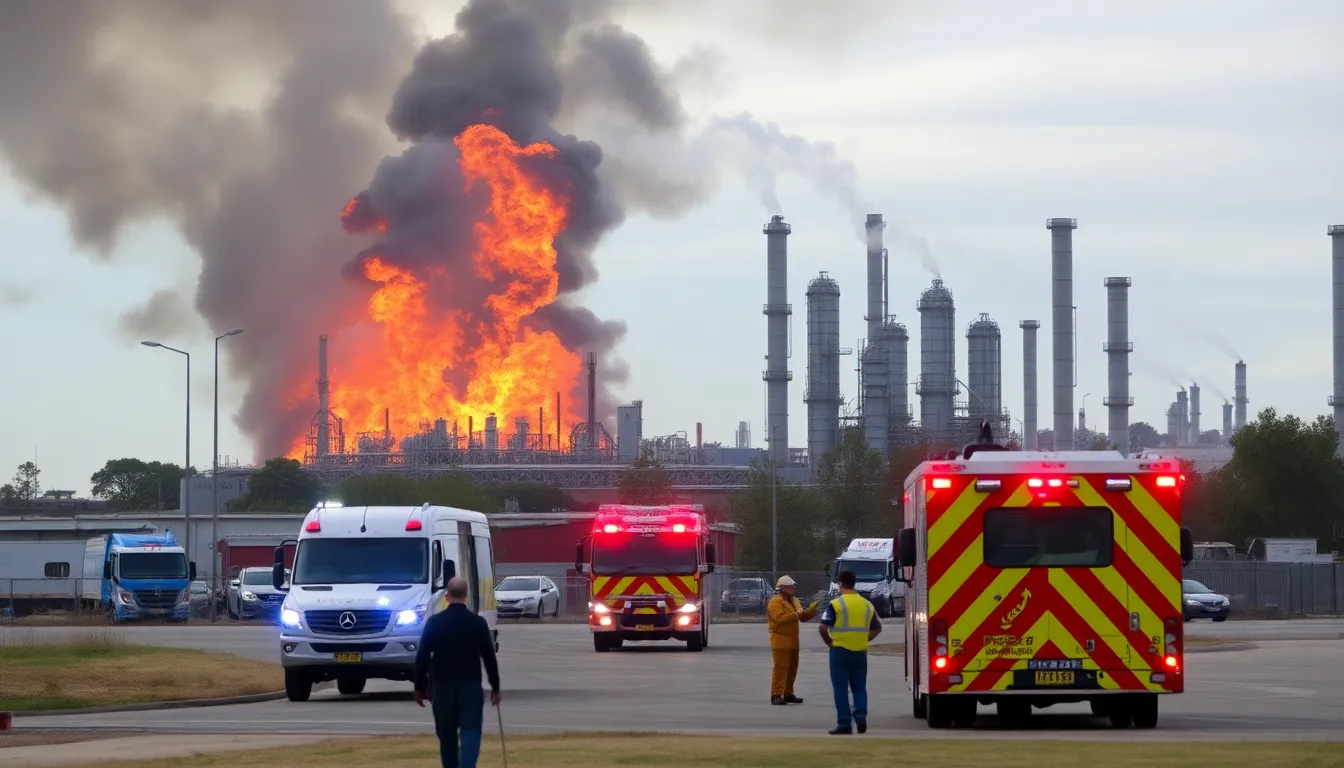
In the mid-term, the impact could extend to the broader economy as inflationary pressures mount. Industries such as transportation, agriculture, and manufacturing may see disruptions in their supply chains, leading to delays and increased costs. Additionally, government policies may shift as authorities seek to stabilize the petrol market, possibly resulting in temporary price controls or subsidies.
- Consumers: Increased fuel prices and potential shortages.
- Businesses: Higher operational costs and potential price increases for goods.
- Regional economies: Economic slowdown in areas heavily reliant on fuel transportation.
Despite the challenges, there may also be opportunities for innovation and investment in alternative energy sources. As the nation grapples with petrol supply issues, there could be a renewed focus on renewable energy solutions and electric vehicle infrastructure, paving the way for a more sustainable future. This shift may encourage businesses to explore greener alternatives, ultimately benefiting the environment and creating new economic prospects.
A: The exact cause of the fire is still under investigation, but initial reports suggest it may be linked to equipment failure. A: It is currently unclear how long repairs will take, but experts estimate it could be several weeks before operations resume. A: Yes, experts predict that petrol prices may rise due to reduced supply from the affected refinery. A: Authorities are working with other refineries to increase production and meet demand during the outage. A: While there are alternative fuel sources, they may not be sufficient to fully replace petrol supplies in the short term.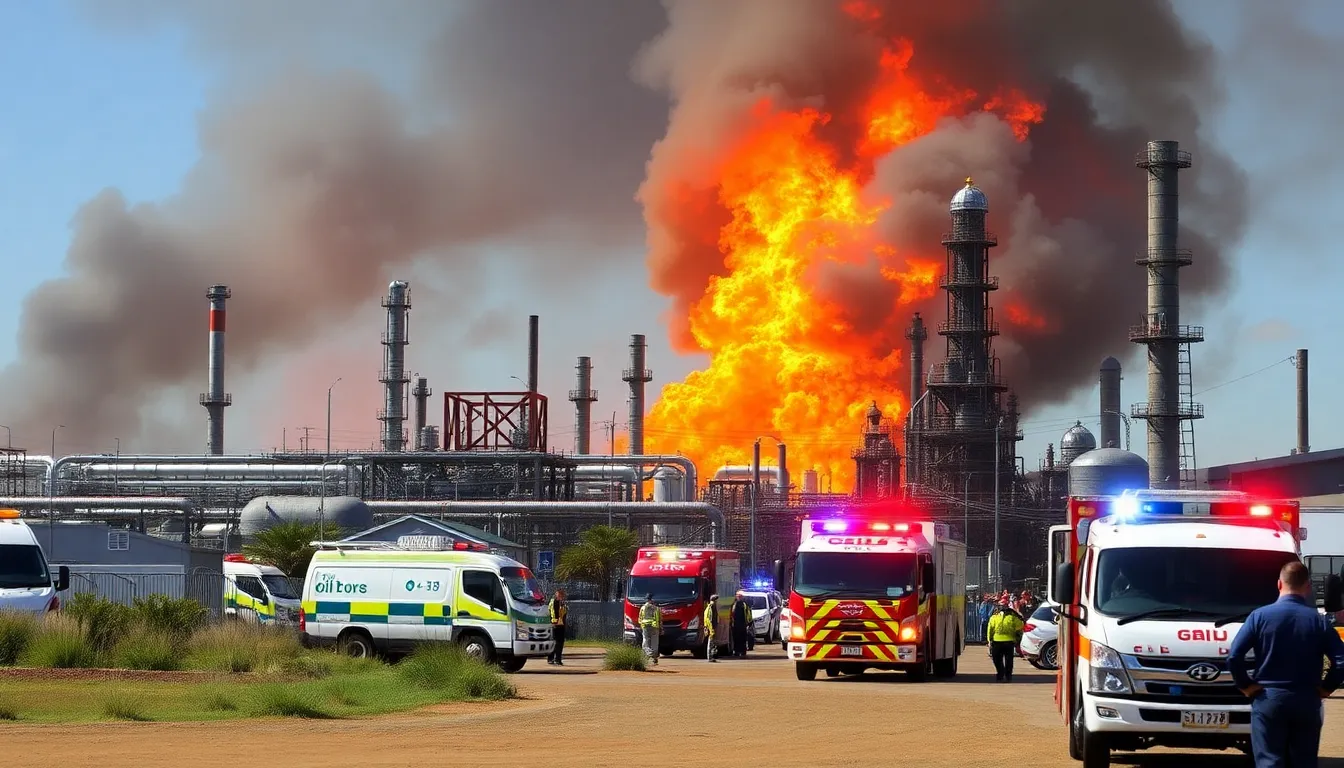
Frequently asked questions about the refinery fire
Key takeaways and future outlook on petrol supplies
The recent fire at the Australian oil refinery marks a significant disruption in the nation’s petrol supply chain. As the situation unfolds, the immediate effects on fuel availability and pricing are becoming increasingly evident. Stakeholders across the energy sector are urged to monitor developments closely, as the implications of this incident extend beyond short-term supply issues and could influence long-term strategies for energy security in Australia.
In the coming weeks, the focus will likely shift to how quickly the refinery can resume operations and the potential for alternative supply routes or sources to mitigate the impact on consumers. Additionally, government and industry responses will play a crucial role in shaping the market dynamics as the nation navigates this unprecedented challenge.
- Watch for fluctuations in petrol prices as supply tightens in the short term.
- Monitor government interventions aimed at stabilizing fuel availability and prices.
- Consider the potential for increased imports or reliance on alternative energy sources.
- Evaluate the long-term implications for refinery operations and energy policy in Australia.
- Stay informed about the recovery timeline and operational updates from the affected refinery.