
This year’s ceremony took place at the Royal Albert Hall in London, a venue synonymous with cultural prestige. The red carpet was not only a showcase for high fashion but also a platform for actors to express their support for the arts, particularly in a time when the theatre industry continues to recover from the impacts of the pandemic. For more insights on resilience in the arts, check out the article about a Dancer with MND.
Paddington, the beloved bear from the popular film franchise, made a special appearance, delighting fans and attendees alike. His presence served as a reminder of the importance of storytelling and character in both theatre and film, bridging the gap between different forms of entertainment.
The event also featured a range of performances and tributes, celebrating the diversity and resilience of the theatre community. As the awards recognize outstanding achievements, they also bring attention to emerging talents and productions that may shape the future of British theatre.
Understanding the significance of the Oliviers awards
The Olivier Awards, established in 1976, are the most prestigious theatre awards in the United Kingdom, celebrating excellence in professional theatre. Named after the legendary actor Sir Laurence Olivier, these awards recognize outstanding achievements in various categories, including acting, directing, and design. The ceremony has evolved over the years, becoming a significant event in the cultural calendar, drawing attention not only to the nominees but also to the broader landscape of British theatre.
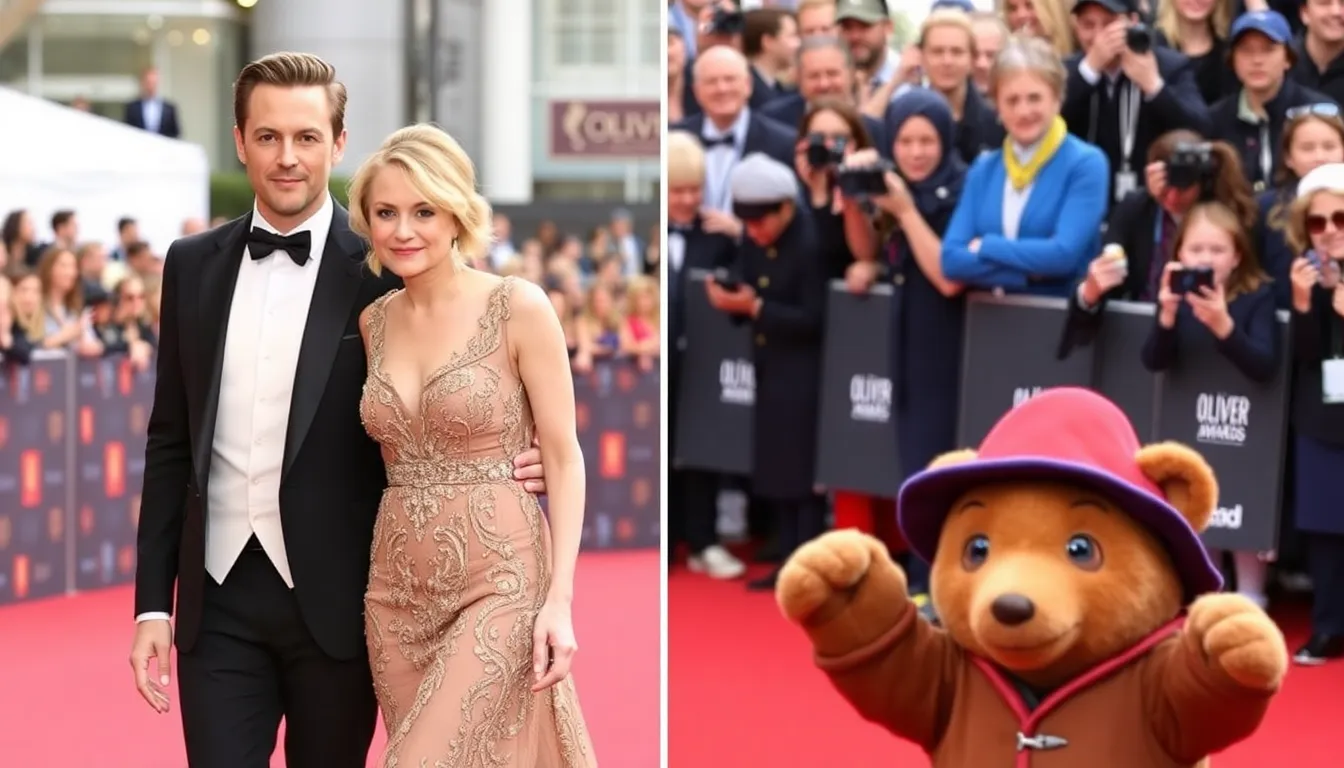
Historically, the Oliviers have served as a barometer for the health and vibrancy of the theatre industry. They reflect societal changes and shifts in public taste, often highlighting productions that challenge norms or introduce innovative storytelling. The awards have also played a crucial role in promoting diversity and inclusion within the arts, showcasing a wide range of talent from different backgrounds and perspectives.
Key milestones in Olivier Awards history
Several key milestones have marked the history of the Olivier Awards. In 1984, the introduction of the Best New Musical category acknowledged the growing influence of musical theatre. The awards expanded further in 1991 to include a category for Best Entertainment, recognizing the importance of non-traditional theatre forms. In recent years, the awards have embraced a more inclusive approach, with initiatives aimed at increasing representation and celebrating underrepresented voices in the industry.
As the theatre scene continues to evolve, the Oliviers not only honor past achievements but also set the stage for future talent. The presence of high-profile figures like Tom Hiddleston and Cate Blanchett on the red carpet serves to amplify the significance of the event, drawing media attention and public interest to the performances and productions that shape the theatrical landscape, much like the emerging talents discussed in my journey from England to Seoul.
The 2023 ceremony, featuring beloved characters like Paddington alongside celebrated actors, exemplifies the blending of traditional and contemporary elements within the theatre. This intersection of popular culture and high art reflects the ongoing dialogue within the industry about accessibility and engagement, ensuring that the Olivier Awards remain relevant in a rapidly changing world.
Key highlights and fashion statements from the event
The Olivier Awards, celebrating excellence in theatre, brought together a diverse array of stakeholders, including prominent actors, production companies, and cultural organizations. This year’s event featured notable appearances from stars such as Tom Hiddleston and Cate Blanchett, alongside the beloved character Paddington, who added a whimsical touch to the red carpet. The event’s media impact can be compared to how the Football Daily covers sporting events.
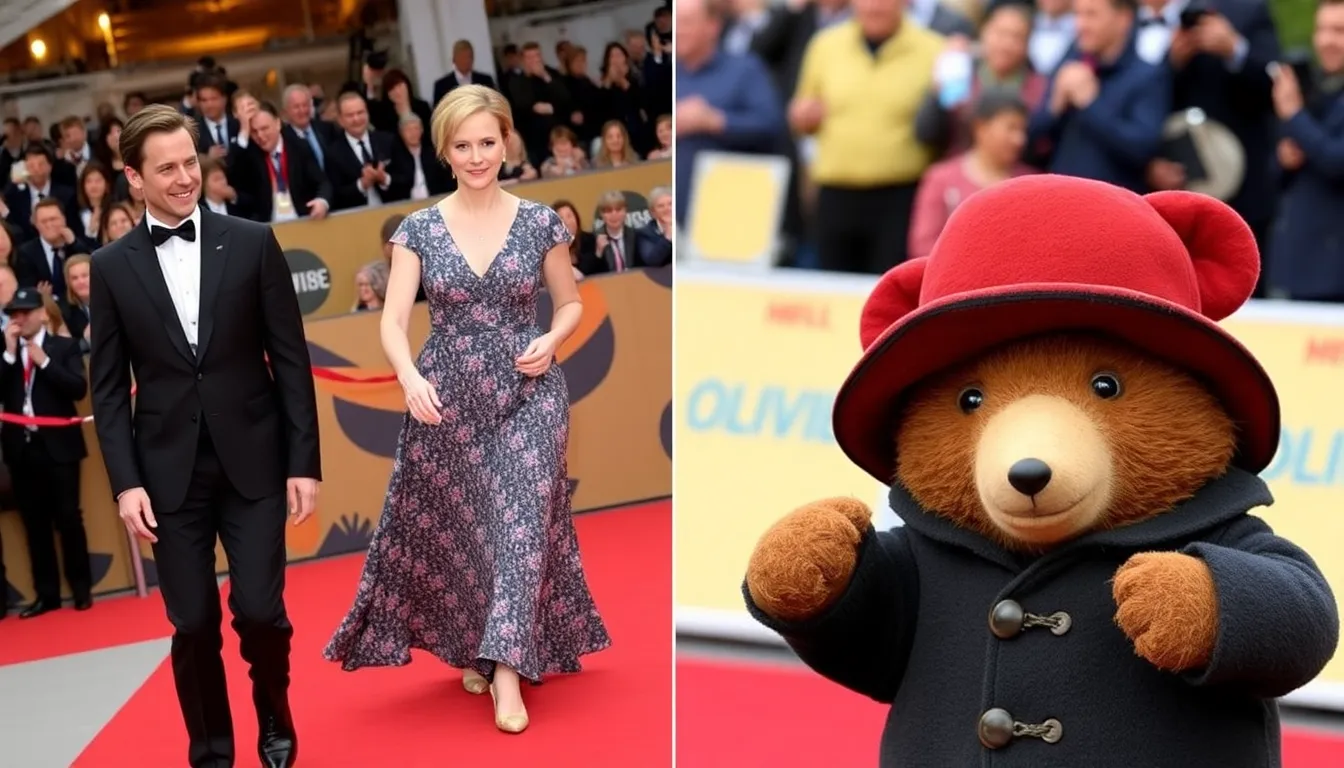
The main actors in attendance, including Hiddleston and Blanchett, have vested interests in promoting their latest theatrical projects and reinforcing their public personas. Their fashion choices often reflect not only personal style but also strategic branding, aiming to resonate with audiences and industry peers alike.
On a broader scale, production companies and sponsors are keenly aware of the media coverage generated by the event. The visibility afforded to their projects can lead to increased ticket sales and heightened interest in future productions. However, this creates a competitive environment where the pressure to make a memorable impression is paramount.
- Conflict of interests: Actors may face pressure to balance personal expression with industry expectations.
- Trade-offs: The choice of attire can influence public perception and marketability of projects.
- Legal considerations: Copyright issues may arise from the use of iconic characters like Paddington in promotional contexts.
- Economic implications: The event’s success can impact funding and support for future theatrical endeavors.
Moreover, the event serves as a platform for discussions around diversity and representation in the arts. Stakeholders are increasingly focused on advocating for inclusivity, which can sometimes lead to tensions regarding who gets recognized and celebrated within the industry.
The influence of celebrity appearances on public interest
The recent red carpet event featuring Tom Hiddleston, Cate Blanchett, and Paddington has drawn significant attention from various groups, including fans, the film industry, and fashion enthusiasts. The visibility of such high-profile figures can greatly influence public interest in the arts, leading to increased engagement across multiple sectors.
In the short term, industries related to entertainment and fashion may see a surge in activity. For instance, brands associated with the celebrities may experience heightened consumer interest, resulting in increased sales and marketing opportunities. The media coverage surrounding the event can also lead to a spike in viewership for related films and projects, benefiting the box office and streaming platforms.
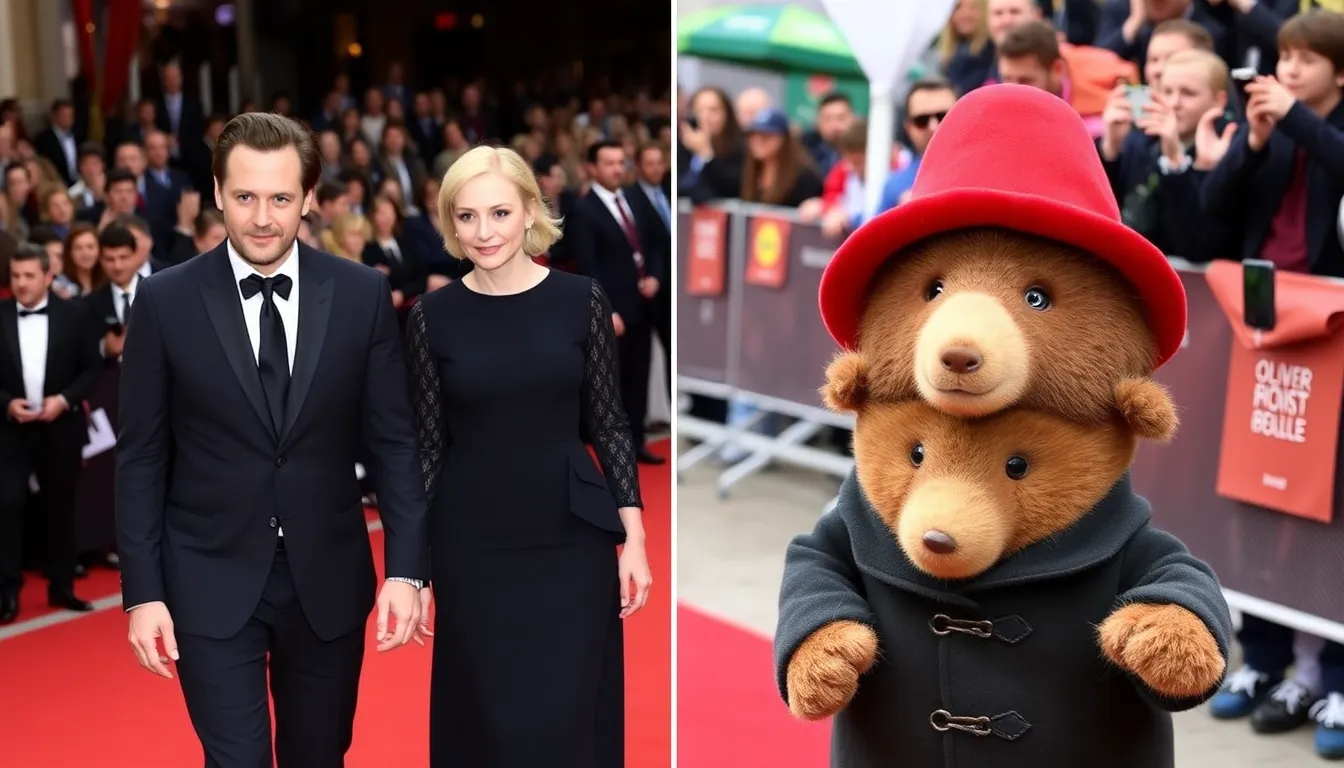
In the mid-term, the impact may extend to tourism and local economies, particularly if the event is linked to a specific location. Regions that host such high-profile events can capitalize on the publicity, attracting visitors and boosting local businesses, such as hotels and restaurants. Additionally, the fashion industry may benefit from trends set by celebrity appearances, leading to new collections inspired by the styles showcased on the red carpet.
- Increased consumer engagement: Brands may see a rise in interest and sales.
- Boost to local economies: Tourism can increase in regions hosting major events.
- Fashion trends: New styles may emerge based on celebrity outfits.
However, there are also risks associated with such events. The pressure on celebrities to maintain a certain image can lead to negative public scrutiny, and a backlash against brands that fail to resonate with audiences can occur. Additionally, the fleeting nature of celebrity trends may lead to a cycle of rapid consumption that is unsustainable for both consumers and the environment.
A: The Oliviers, officially known as the Laurence Olivier Awards, celebrate excellence in professional theatre in London. They are considered the most prestigious awards in the UK theatre scene. A: Tom Hiddleston and Cate Blanchett were among the standout celebrities, captivating the audience with their stunning outfits and charisma. Paddington also made a delightful appearance, adding to the charm of the event. A: The Oliviers play a significant role in promoting theatre productions and performances. Winning an Olivier can boost ticket sales and increase visibility for the nominated shows. A: The Oliviers are typically held annually in London, celebrating the previous year’s achievements in theatre. The exact date and venue can vary each year. A: Generally, the Oliviers awards are not open to the public, as they are a formal event attended by industry professionals and invited guests. However, the ceremony is often broadcasted for public viewing.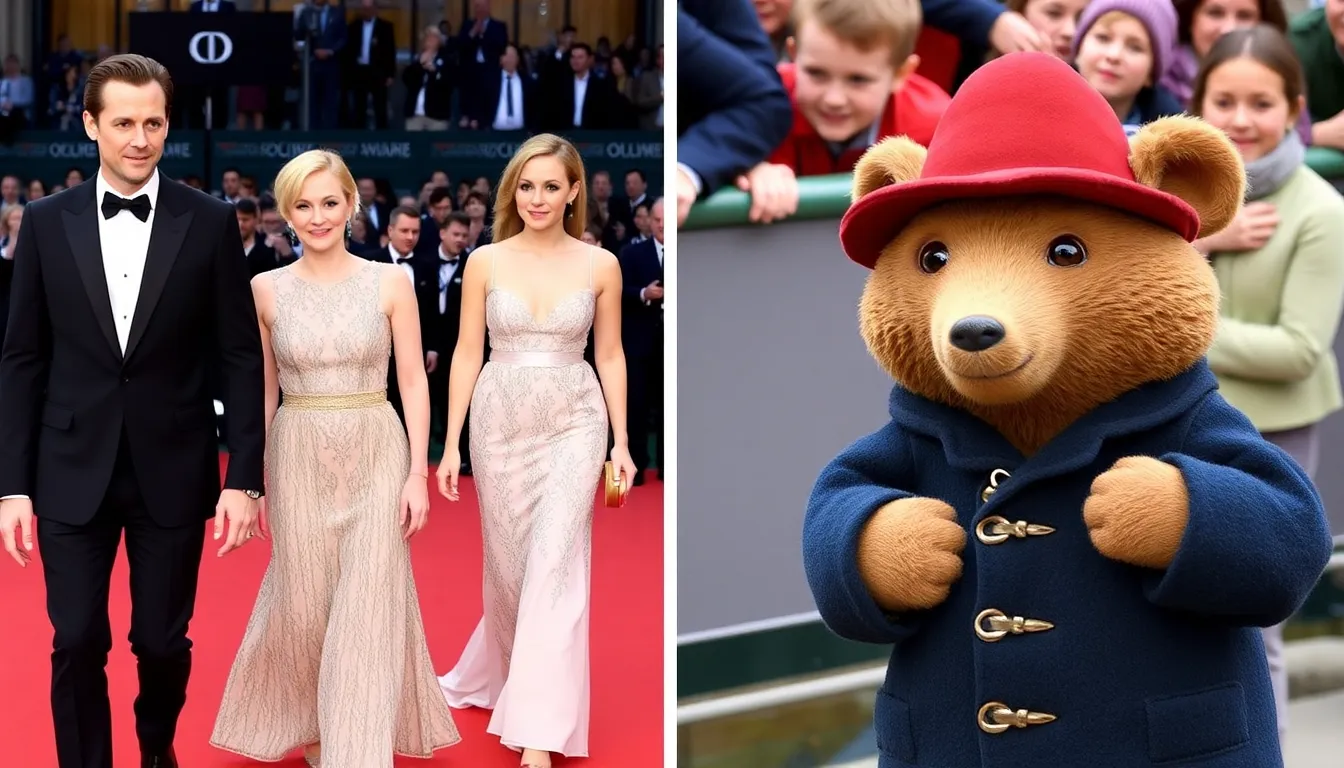
Frequently asked questions about the Oliviers red carpet
Key takeaways and future implications for the awards
The recent Olivier Awards showcased not only the talent of its nominees but also the evolving landscape of the performing arts. The presence of high-profile figures like Tom Hiddleston and Cate Blanchett, alongside beloved characters such as Paddington, highlights the increasing crossover between traditional theater and mainstream pop culture. This trend suggests a potential shift in audience engagement and the types of productions that may gain traction in the future.
As the awards continue to celebrate diverse performances, it’s crucial to monitor how this influences casting choices, production values, and the overall direction of theater. The blending of cinematic and theatrical experiences may lead to innovative storytelling methods that attract wider audiences, ultimately redefining what it means to be a part of the live performance scene.
- The integration of popular culture icons may lead to increased ticket sales and broader audience demographics.
- Expect a rise in collaborative projects between film and theater, as seen with Hiddleston and Blanchett’s involvement.
- Watch for shifts in award categories that reflect the changing nature of performances, emphasizing cross-genre work.
- The focus on inclusivity and representation in nominations could pave the way for more diverse stories on stage.