
The game saw standout performances from key players, including Erling Haaland, who scored two goals, further extending his lead as the league’s top scorer. Chelsea struggled to contain City’s attacking prowess, with their defense repeatedly breached throughout the match, leading to a frustrating outing for the visitors.
This defeat marks a troubling trend for Chelsea, who have now lost three of their last four league matches, raising concerns about their form and managerial strategy. The pressure is mounting on Chelsea’s head coach, who faces scrutiny over the team’s inconsistent performances and inability to compete against top-tier opponents.
Meanwhile, Manchester City’s victory reinforces their status as title contenders, showcasing their depth and tactical superiority. As the season progresses, the implications of this match could have significant repercussions for both clubs, shaping their trajectories as they aim for success in the Premier League and beyond.
Understanding the rivalry between Manchester City and Chelsea
The rivalry between Manchester City and Chelsea has evolved significantly over the past two decades, marked by both clubs’ ascents to the top of English football. Historically, Manchester City was a club with a rich heritage, having been founded in 1880 and experiencing its share of highs and lows. In contrast, Chelsea, established in 1905, enjoyed a period of success in the late 20th century but truly rose to prominence following the club’s acquisition by Russian billionaire Roman Abramovich in 2003.
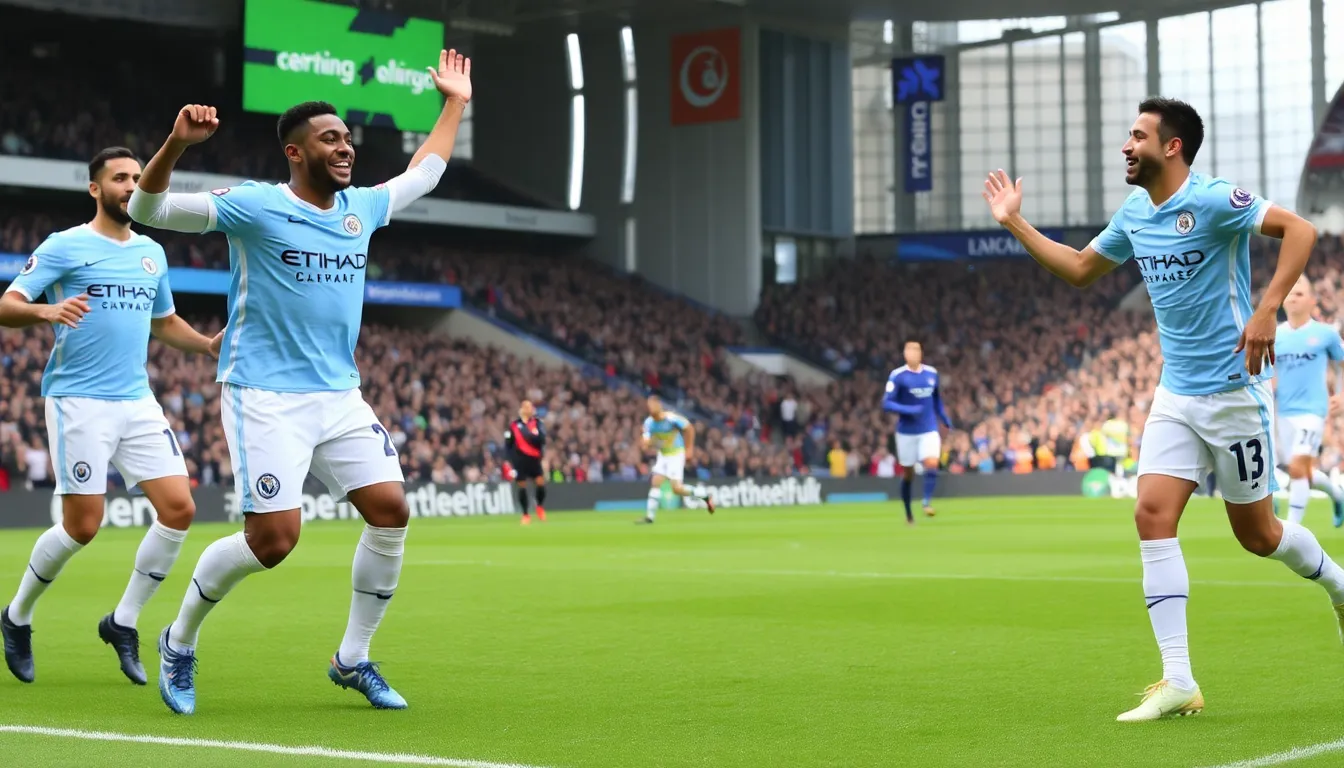
This takeover not only transformed Chelsea’s fortunes but also shifted the landscape of English football. The influx of financial resources allowed Chelsea to attract top talent and compete for major honors, leading to their first Premier League title in the 2004-2005 season. Meanwhile, Manchester City faced a series of challenges, including relegation and fluctuating fortunes, until their own takeover by the Abu Dhabi United Group in 2008, which marked a turning point for the club.
As both clubs invested heavily in their squads and infrastructure, their rivalry intensified. Key milestones, such as the 2013 Capital One Cup final and the dramatic encounters in the Premier League, have underscored the competitive nature of their relationship. Notably, the 2021 UEFA Champions League final, where Chelsea triumphed over City, added another layer of intrigue to their rivalry, setting the stage for future clashes.
The impact of financial power
The financial backing that both clubs have received has not only reshaped their own destinies but has also had a profound impact on the entire Premier League. This financial power has allowed them to build squads capable of challenging for every trophy, further fueling the rivalry and raising the stakes in their encounters.
Key factors that led to Manchester City’s victory
In the recent match where Manchester City faced Chelsea, several key stakeholders played pivotal roles that contributed to the outcome. The primary actors include the players, coaching staff, and management of both teams, as well as the fans and media. Each of these groups has distinct interests that influence their actions and reactions during the game.
Manchester City, backed by substantial financial investment, has a vested interest in maintaining its status as a top contender in domestic and European competitions. The club’s management aims to maximize its return on investment by securing victories and attracting a larger fanbase. In contrast, Chelsea, while also a prominent club, has faced challenges in recent seasons that have affected its performance and strategic direction.
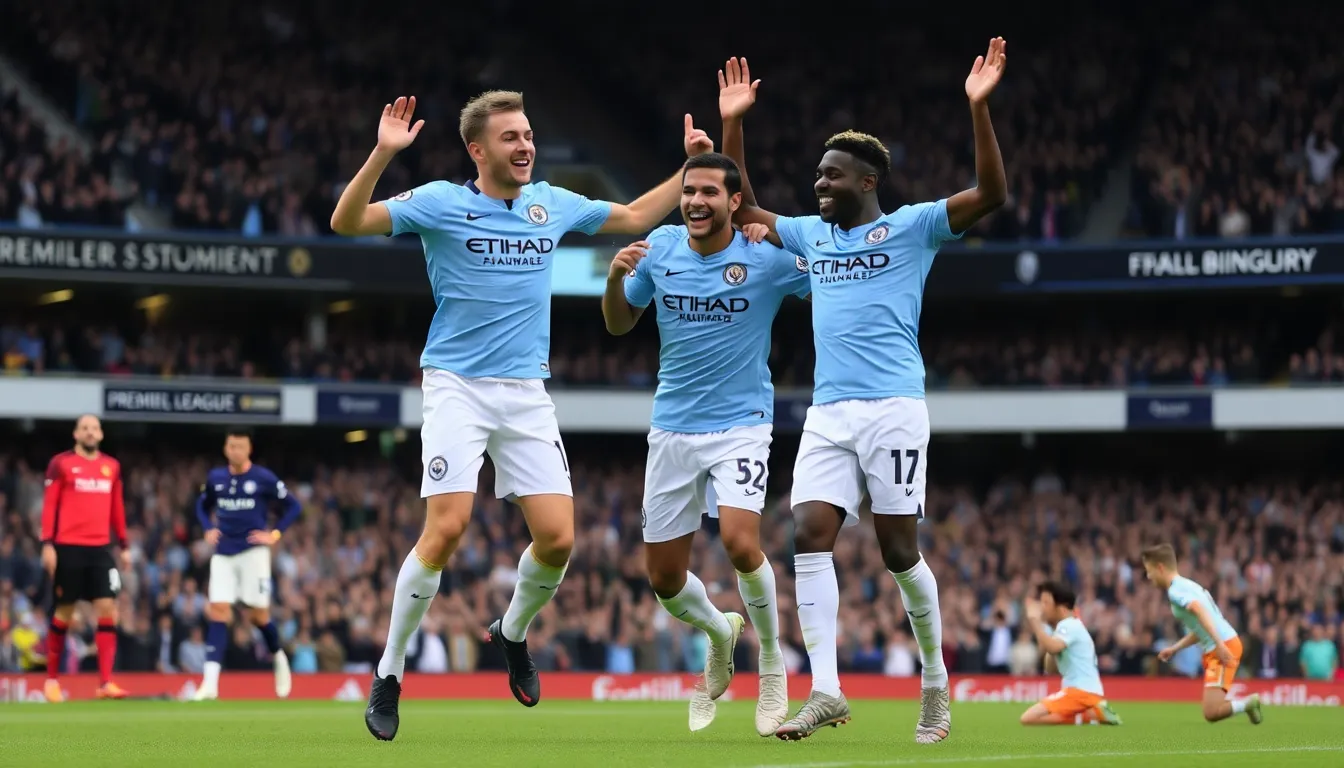
Key issues that arose during the match included tactical decisions made by both coaches and the execution of these strategies by the players. Manchester City’s manager implemented a high-pressing game that effectively disrupted Chelsea’s build-up play, showcasing the importance of adaptability in high-stakes matches. This tactical superiority highlighted the ongoing conflict between different managerial philosophies within the Premier League.
- Financial Investment: Manchester City’s financial resources allow for the acquisition of top talent, which can create disparities in team performance.
- Tactical Execution: The ability of players to execute complex strategies is crucial, as seen in City’s cohesive team play.
- Managerial Decisions: The contrasting approaches of the coaches can significantly impact the game’s outcome.
- Fan Expectations: Both clubs have passionate supporters whose expectations can add pressure to players and management alike.
- Media Scrutiny: The role of media in shaping narratives around team performance can affect public perception and club reputation.
As the match unfolded, it became evident that Manchester City’s relentless pressure and strategic execution were key to their dominance over Chelsea. The economic implications of such a victory extend beyond the immediate match, influencing future player acquisitions, sponsorship deals, and overall club valuation in a highly competitive market.
The implications of this match for both teams
The recent match between Manchester City and Chelsea has significant implications for various stakeholders, including fans, local businesses, and the broader football industry. The relentless performance of Manchester City not only solidifies their position in the league but also sends ripples through the entire football ecosystem.
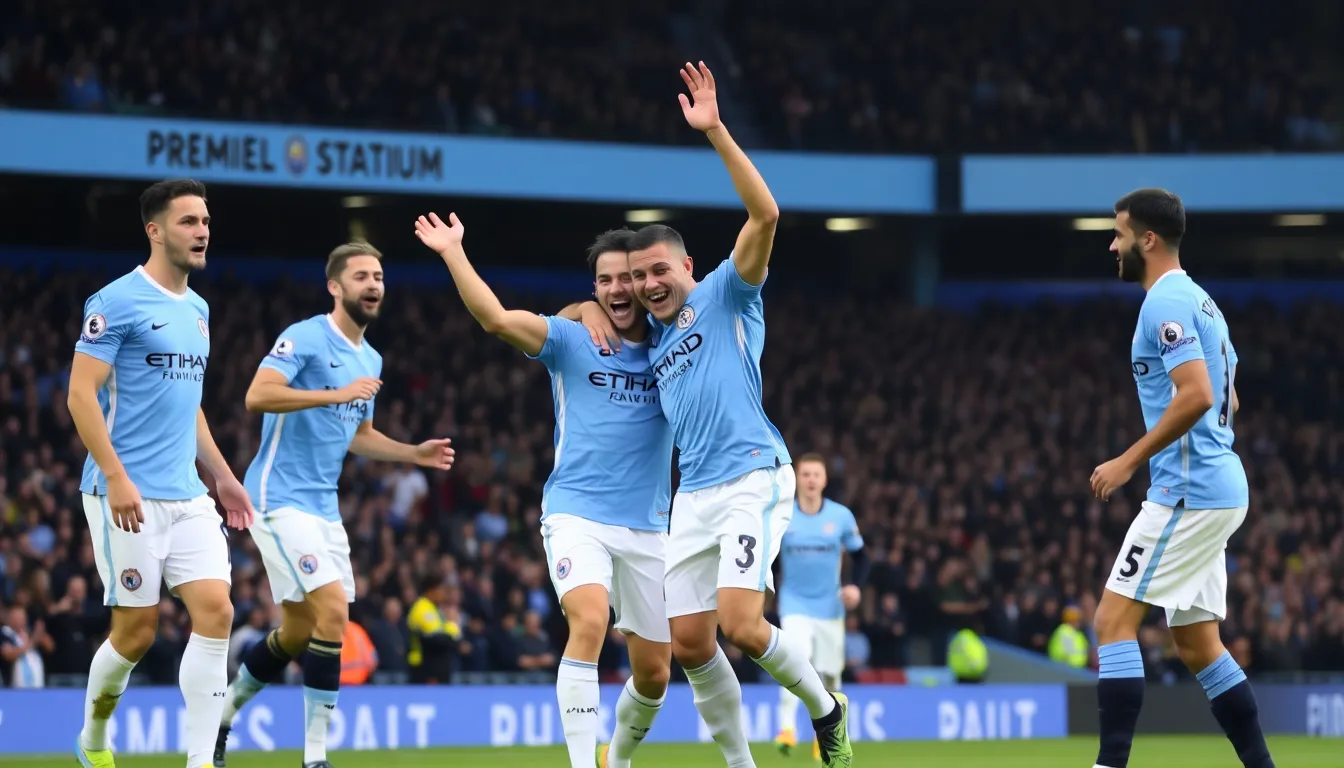
Fans of both teams are directly affected, with Manchester City supporters celebrating a crucial victory that boosts morale and pride. Conversely, Chelsea fans may experience disappointment and frustration, potentially leading to decreased attendance at future matches. This emotional impact can influence local businesses that rely on matchday crowds, such as pubs and restaurants, which may see fluctuations in revenue.
In the short term, the victory for Manchester City can enhance their brand value and attract more sponsorship opportunities. Successful teams often see an increase in merchandise sales and higher viewership ratings, which can lead to lucrative broadcasting deals. Conversely, Chelsea’s struggles may prompt management to reconsider their strategies, potentially leading to changes in coaching staff or player acquisitions.
- Local businesses: Increased sales for Manchester City-related merchandise and decreased sales for Chelsea.
- Fan engagement: Higher morale among Manchester City fans and potential disengagement from Chelsea supporters.
- Football industry: Shift in sponsorship dynamics and potential changes in team management for Chelsea.
In the mid-term, the match’s outcome could affect player transfers and recruitment strategies, as clubs reassess their performance and future potential. For Manchester City, continued success may lead to a stronger squad and further investments in talent. For Chelsea, the pressure to improve could result in a more aggressive approach in the transfer market, creating opportunities for both clubs to reshape their rosters.
A: The final score was Manchester City 4, Chelsea 1, showcasing City’s offensive prowess. A: Erling Haaland and Kevin De Bruyne were the standout players, contributing significantly to the team’s success. A: This loss puts Chelsea under pressure as they aim to improve their league position and regain confidence. A: Manchester City utilized high pressing and quick transitions to exploit Chelsea’s defensive weaknesses. A: The next match is scheduled for later in the season, where both teams will look to assert their dominance.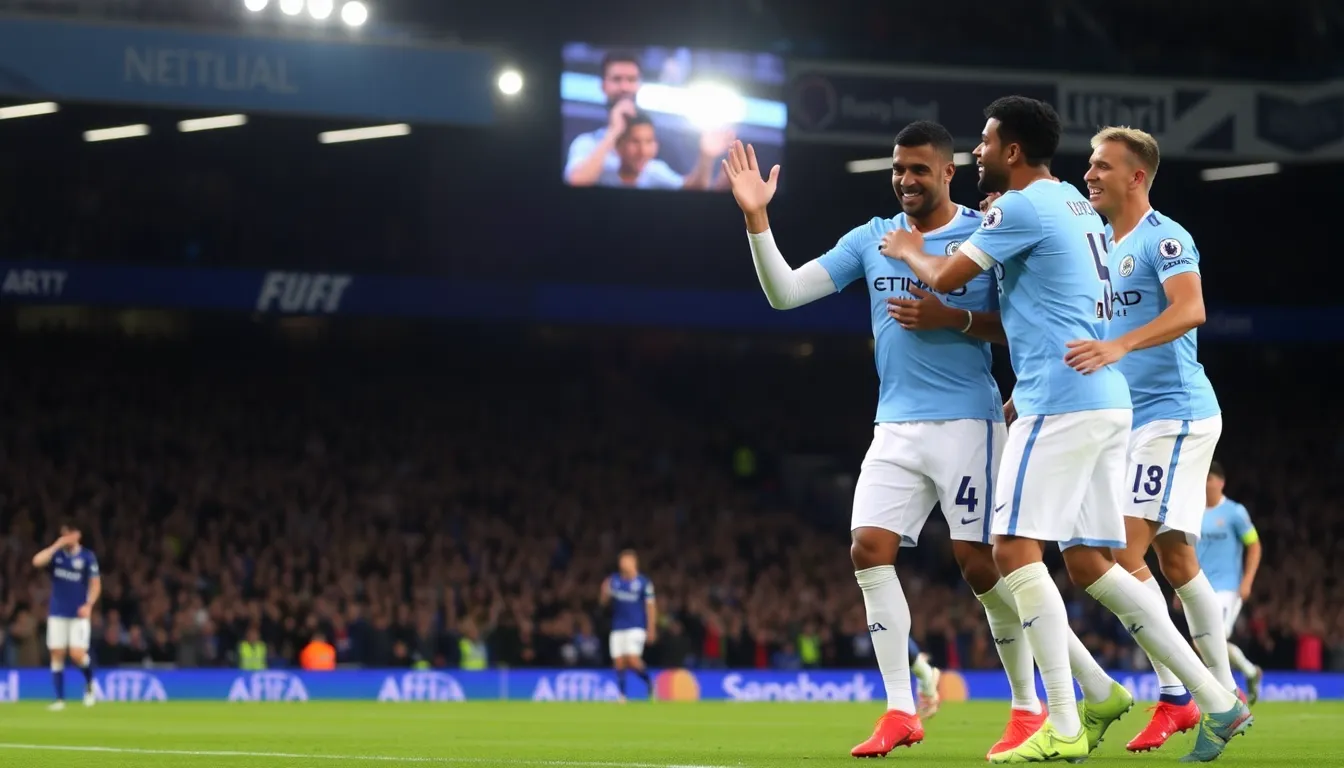
Frequently asked questions about the match
Key takeaways from Manchester City’s performance
Manchester City’s relentless approach against Chelsea not only showcased their tactical superiority but also highlighted the vulnerabilities in Chelsea’s defensive setup. The match served as a reminder of the high standards City consistently maintains, which can overwhelm even the most prepared teams. As the season progresses, the implications of this performance could influence both teams’ strategies moving forward.
For Chelsea, addressing defensive frailties will be crucial to regain competitive footing, while City will look to build on this momentum to solidify their position at the top of the league. Observers should keep an eye on how these teams adapt in their upcoming fixtures based on this encounter.
- Manchester City’s ability to exploit defensive weaknesses suggests they will continue to be a dominant force in the league.
- Chelsea must prioritize defensive organization to avoid similar outcomes in future matches.
- Watch for tactical adjustments from both coaches in their next games, particularly in how they approach high-pressure situations.
- The performance may signal a shift in momentum for City, potentially impacting their confidence in title pursuits.
- Future matches against top-tier teams will test Chelsea’s resilience and adaptability following this defeat.