
Reports indicate that essential goods have seen price increases of up to 20% in recent months, as detailed in our analysis of the fuel crisis in the south, affecting local vendors and consumers.
The combination of poor air quality and inflated costs has led to a decline in participation in public events, with many locals opting for smaller, private gatherings instead. Authorities are urging residents to take precautions, such as wearing masks and limiting outdoor activities, as the city prepares for its New Year countdown. These challenges not only affect the festive spirit but also highlight broader issues of public health and economic stability in the region.
As Chiang Mai approaches the New Year, the local government is working to address these issues through various initiatives, including air quality monitoring and support for affected businesses. However, the dual impact of environmental and economic factors raises concerns about the sustainability of such celebrations in the future. The situation underscores the need for long-term solutions to improve air quality and stabilize prices for essential goods.
Understanding the factors contributing to smog and price increases in Chiang Mai
Chiang Mai, a popular destination in northern Thailand, is facing a dual challenge this New Year: severe air pollution and rising prices, both of which have historical and socio-political roots. The region is known for its vibrant celebrations, but the worsening smog, largely attributed to agricultural burning and urban pollution, has overshadowed the festivities. This phenomenon is not new; it has been exacerbated by a combination of local practices and broader economic factors.
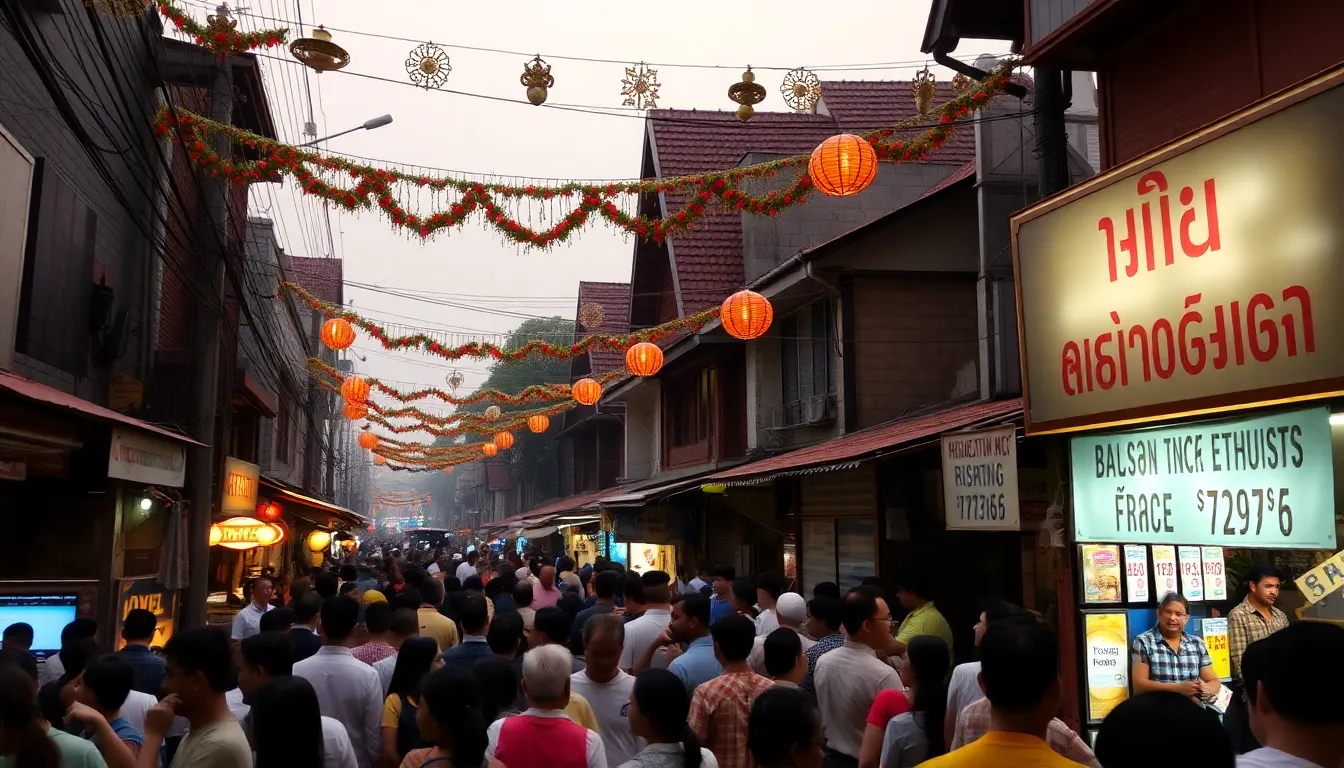
However, as urbanization increases and agricultural practices evolve, the frequency and intensity of these burns have led to a significant rise in air pollution levels, which is further outlined in our discussion on air quality and health protection.
On the economic front, the ongoing conflict in Ukraine has disrupted global supply chains, leading to increased prices for essential goods. Thailand, being reliant on imported commodities, has felt the impact of these spikes, particularly in food and fuel prices. As Chiang Mai prepares for its New Year celebrations, many locals are finding it increasingly difficult to afford traditional festivities, which often include elaborate meals and communal gatherings.
The interplay of local and global factors
This convergence of issues highlights the vulnerability of communities to both environmental and economic challenges, prompting calls for more sustainable practices and better crisis management strategies, much like the sustainable approaches being explored in various sectors.
Examining the stakeholders affected by the smog and price hikes
The recent combination of severe smog and rising prices due to ongoing conflicts has created a complex situation for various stakeholders in Chiang Mai. The main actors include local residents, tourists, government agencies, and businesses, each with distinct interests and concerns regarding the New Year celebrations.
Local residents are primarily affected by the smog, which poses health risks and diminishes their quality of life. They have a vested interest in advocating for cleaner air and effective government measures to combat pollution. Additionally, many residents rely on tourism for their livelihoods, making them concerned about how the smog and price increases might deter visitors during the festive season.
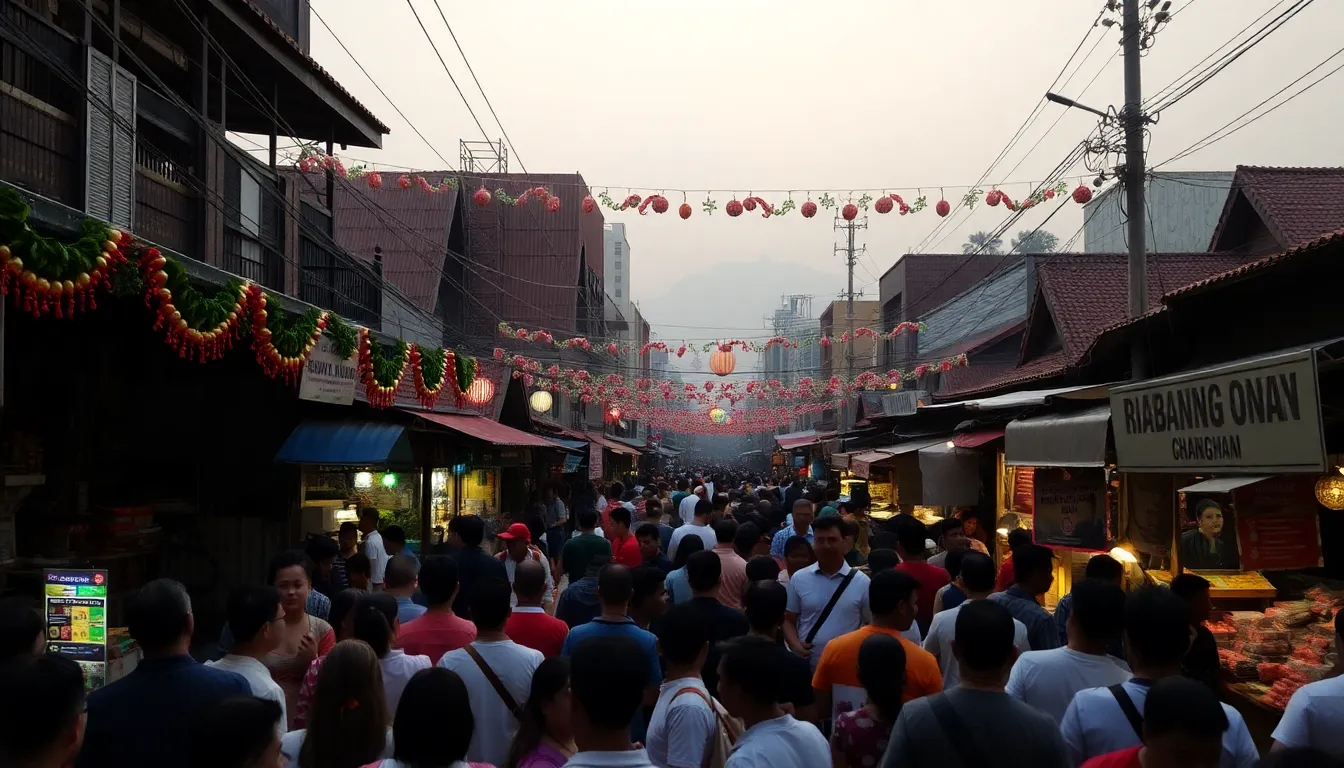
Tourists, who flock to Chiang Mai for its New Year festivities, face the dilemma of enjoying cultural celebrations while contending with poor air quality. Their interests lie in experiencing a vibrant and safe environment, but the ongoing smog and inflated prices may significantly impact their travel decisions. This situation creates a potential conflict between the desire for a festive atmosphere and the practical implications of health and safety.
Government agencies are tasked with addressing the smog issue and managing the economic fallout from price spikes. They face the challenge of balancing public health concerns with the economic benefits of tourism. The local government may need to implement stricter regulations on emissions and provide support for affected businesses, which could lead to trade-offs between economic growth and environmental sustainability.
- Local residents: Concerned about health impacts and economic stability.
- Tourists: Seeking a safe and enjoyable experience amidst environmental challenges.
- Government agencies: Balancing public health, economic interests, and regulatory measures.
- Businesses: Facing increased costs and potential loss of revenue due to decreased tourist activity.
- Environmental organizations: Advocating for sustainable practices and policies to reduce pollution.
The effects of smog and rising prices on local residents and tourists
The recent smog crisis in Chiang Mai, compounded by rising prices due to ongoing global conflicts, has significantly impacted both local residents and tourists. The air quality deteriorates, posing health risks, especially for vulnerable populations such as children and the elderly. Tourists, who flock to the city for its vibrant New Year celebrations, are also deterred by the poor air quality and increased costs, leading to a decline in visitor numbers.
Local businesses, particularly in the hospitality and tourism sectors, are feeling the pinch as fewer tourists venture out. Restaurants, hotels, and tour operators report a drop in bookings, which could lead to short-term financial instability. Additionally, the rising costs of goods and services, driven by inflation and supply chain disruptions, further strain household budgets, impacting daily life for many residents.
In the mid-term, the combination of smog and price spikes could lead to a shift in local policy as authorities may prioritize environmental measures and economic support for affected businesses. This could include initiatives aimed at improving air quality and providing financial assistance to struggling sectors. However, the effectiveness of such measures will depend on government responsiveness and available resources.
- Health Risks: Increased respiratory issues among residents and tourists.
- Economic Impact: Decline in tourism revenue affecting local businesses.
- Policy Changes: Potential for new regulations aimed at improving air quality.
- Opportunities: Growth in eco-friendly tourism and local products.
While the current situation poses significant risks, there are also opportunities for innovation and adaptation. Businesses that pivot towards sustainable practices may attract environmentally conscious consumers, and local artisans could see increased interest in traditional crafts as tourists seek unique, authentic experiences away from the bustling crowds. The ability to adapt to these challenges will determine the resilience of Chiang Mai’s economy and its community’s well-being.
A: The smog is primarily caused by agricultural burning and pollution, which worsens during the dry season. This year, the situation is exacerbated by weather conditions that trap pollutants. A: Increased prices for goods and services due to global conflicts are making it difficult for locals and tourists to enjoy traditional celebrations. Many are cutting back on spending as a result. A: Local authorities are implementing restrictions on burning and promoting awareness about air quality. However, long-term solutions are still needed to effectively combat the problem. A: Yes, prolonged exposure to smog can lead to respiratory issues and other health problems. Residents are advised to wear masks and limit outdoor activities during high pollution days.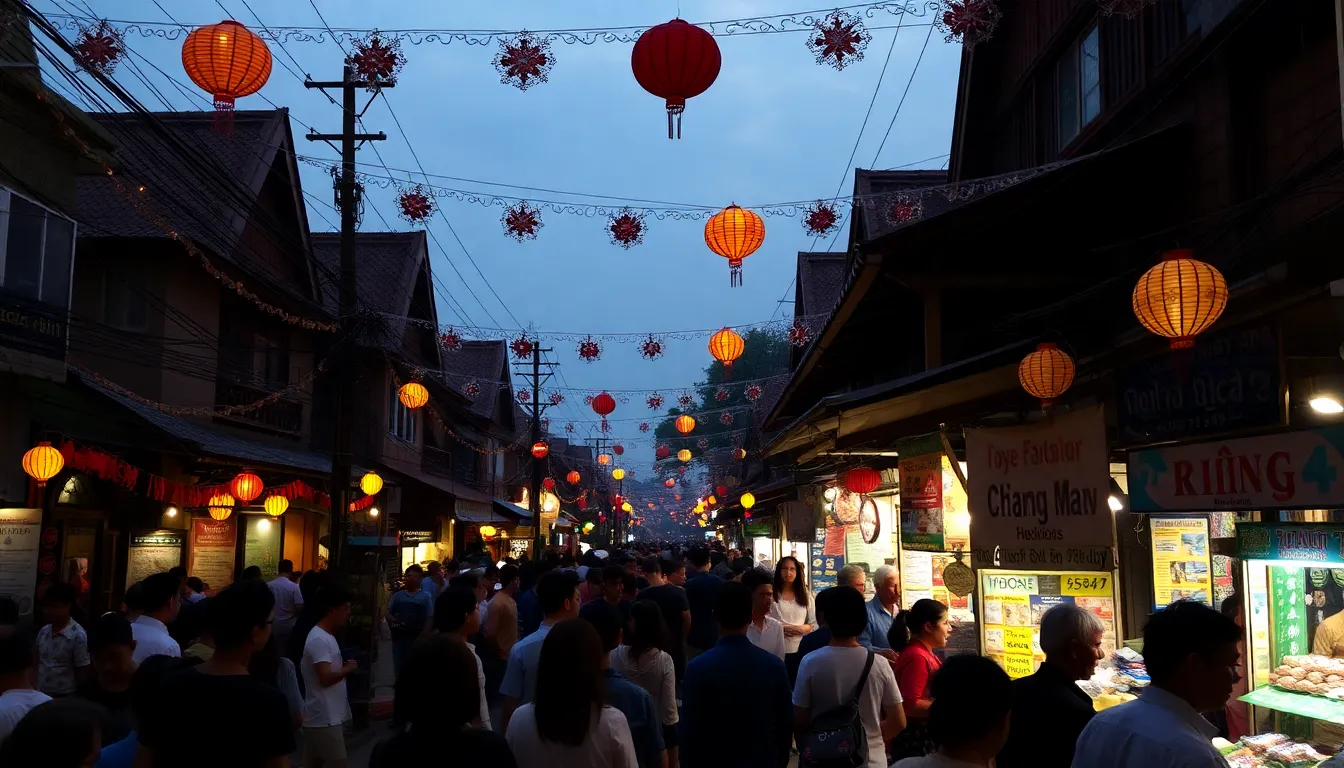
Frequently asked questions about Chiang Mai’s New Year challenges
Looking ahead: Key takeaways and future outlook for Chiang Mai
The intertwining issues of air quality and economic pressures are shaping the landscape for Chiang Mai’s New Year celebrations. As residents and visitors navigate the challenges posed by smog and rising prices, the city’s ability to adapt will be critical in maintaining its cultural vibrancy and economic stability. The coming months will reveal how local authorities and communities respond to these pressing issues, and what measures will be implemented to safeguard public health and support local economies.
Monitoring the ongoing situation will be essential for understanding the long-term impacts on tourism and local businesses. Stakeholders must remain vigilant and proactive in addressing both environmental and economic challenges to ensure a resilient and thriving Chiang Mai.
- Watch for potential government interventions aimed at improving air quality and mitigating health risks during peak smog seasons.
- Observe changes in tourism patterns as travelers may seek alternative destinations due to air quality concerns.
- Keep an eye on local businesses as they adapt to rising costs and explore innovative solutions to attract customers.
- Assess community responses to public health campaigns and their effectiveness in raising awareness about smog-related issues.