
The charges against Xu highlight the broader issues within China’s real estate sector, which has faced increasing scrutiny and regulatory pressure. Evergrande’s financial struggles have not only affected its operations but also sent shockwaves through the global economy, raising concerns about the potential ripple effects on international markets.
Xu’s guilty plea is part of a larger crackdown by Chinese authorities on corporate malfeasance, particularly in industries that have been the backbone of the country’s rapid economic growth. The outcome of this case could set a precedent for how similar cases are handled in the future, as the government seeks to restore confidence among investors and stabilize the housing market.
As the situation unfolds, stakeholders are closely monitoring the implications of Xu’s plea for Evergrande’s future and the potential for further legal repercussions for other executives within the company. This case underscores the critical intersection of corporate governance and economic stability in China, making it a key issue for both domestic and international observers.
Understanding the background of Evergrande’s financial troubles
Evergrande, once China’s largest property developer, has been at the center of a financial crisis that has raised alarms both domestically and internationally. Founded in 1996 by Hui Ka Yan, the company rapidly expanded during China’s real estate boom, capitalizing on the country’s urbanization and increasing demand for housing. However, this aggressive expansion was heavily financed through debt, leading to a precarious financial situation that would eventually culminate in significant defaults. For more insights into the repercussions of corporate mismanagement, see our article on Larry Mestel’s corporate ethics.

The crisis began to unfold in 2021 when Evergrande announced it was unable to meet its debt obligations, which reportedly exceeded $300 billion. This announcement sent shockwaves through the financial markets, raising concerns about the potential ripple effects on the broader Chinese economy and even the global financial system. The company’s struggles highlighted the risks associated with excessive borrowing and the speculative nature of China’s real estate market, similar to issues discussed in our piece about Arsenal’s financial strategies.
The Chinese Government’s Response
In response to the escalating crisis, the Chinese government implemented measures aimed at stabilizing the property market and preventing a broader economic fallout. Authorities introduced policies to limit excessive borrowing by property developers, known as the “three red lines” policy, which set financial thresholds for companies to adhere to. While these measures aimed to curb the rampant debt accumulation, they also exacerbated the challenges faced by companies like Evergrande, which found itself unable to navigate the new regulatory landscape.
Key milestones in this saga include Evergrande’s missed bond payments in September 2021, which marked a turning point in investor confidence. Subsequent attempts by the company to restructure its debt have been met with mixed results, leading to ongoing uncertainty about its future. The recent guilty plea by the founder underscores the legal ramifications of the company’s financial mismanagement and the broader implications for corporate governance in China.
The Evergrande crisis serves as a cautionary tale about the risks of unchecked growth and the importance of regulatory oversight in the financial sector. As the situation continues to evolve, it remains a critical case study for investors, policymakers, and industry leaders navigating the complexities of China’s economic landscape.
Key stakeholders and issues surrounding the fraud case
The case involving the founder of China’s Evergrande Group, who has pleaded guilty to fraud, highlights a complex web of stakeholders and significant legal and economic issues. The primary actors include the founder himself, the Evergrande Group, its creditors, the Chinese government, and the broader real estate market. Understanding these dynamics is crucial, as we explore in our article about the interconnectedness of industries.

At the center of this case is the founder of Evergrande, who has faced numerous allegations of financial misconduct. His interests likely revolve around mitigating personal legal repercussions while attempting to salvage the company’s reputation. The Evergrande Group, once a titan in the real estate sector, is now struggling under massive debt, which has implications for its employees, investors, and customers.
Creditors, including banks and bondholders, have a vested interest in the outcome of this case as it affects their financial recovery prospects. The Chinese government, on the other hand, is concerned with maintaining economic stability and public confidence in the real estate sector, which is critical to the country’s overall economic health. The fallout from this case could lead to stricter regulatory measures in the industry.
- Legal Challenges: The founder’s guilty plea may lead to significant legal consequences, impacting the company’s operations and its ability to negotiate with creditors.
- Economic Impact: Evergrande’s financial troubles could exacerbate the ongoing real estate crisis in China, affecting property prices and investor confidence.
- Stakeholder Reactions: Different stakeholders may respond variably; for instance, creditors might push for more aggressive recovery strategies, while employees may face job insecurity.
- Government Intervention: The Chinese government may take steps to intervene in the crisis to prevent further economic fallout, which could involve bailouts or regulatory changes.
- Market Sentiment: Investor sentiment in the real estate market could shift dramatically, potentially leading to a ripple effect in related sectors.
This case serves as a critical juncture for all involved, with the potential to reshape the landscape of China’s real estate market and influence future regulatory frameworks. The interplay of these stakeholders and the unfolding legal issues will be pivotal in determining the future trajectory of Evergrande and the broader economic environment in China.
The potential impact on investors and the real estate market
The guilty plea of the founder of China’s Evergrande has sent shockwaves through various sectors, primarily affecting investors, the real estate market, and the broader economy. Stakeholders such as homeowners, property developers, and financial institutions are likely to experience significant repercussions as the fallout unfolds.
In the short term, the immediate reaction from investors has been one of heightened uncertainty. Stock prices of related companies may decline as confidence wanes, leading to a potential liquidity crisis in the real estate sector. Homebuyers may also hesitate to make purchases, fearing further declines in property values, which could exacerbate the ongoing housing crisis in China.

Mid-term impacts could include stricter regulatory measures imposed by the government to restore confidence in the market. This may lead to increased oversight of real estate companies and tighter lending practices from banks. As a result, the construction industry could face delays and project cancellations, impacting jobs and economic growth.
- Investors: Facing potential losses and increased volatility in the stock market.
- Homeowners: Concerns over property values and potential foreclosure risks.
- Developers: Likely to experience funding challenges and project delays.
- Financial Institutions: Risk exposure to bad debts and increased scrutiny from regulators.
However, there are also potential opportunities that may arise from this crisis. For instance, distressed assets could become available at lower prices, attracting opportunistic investors. Additionally, the government’s response may lead to reforms that enhance transparency and stability in the real estate market, ultimately benefiting the sector in the long run.
A: The founder pleaded guilty to multiple counts of fraud related to the company’s financial mismanagement and misleading investors. A: The guilty plea could lead to increased scrutiny from regulators and may complicate efforts to restructure the company’s debts. A: Investors may face significant losses as the company’s financial stability is further jeopardized by the legal proceedings. A: Yes, the situation could trigger a crisis in the Chinese real estate market, affecting other companies and the economy. A: The government is likely to monitor the situation closely and may implement measures to stabilize the market if necessary.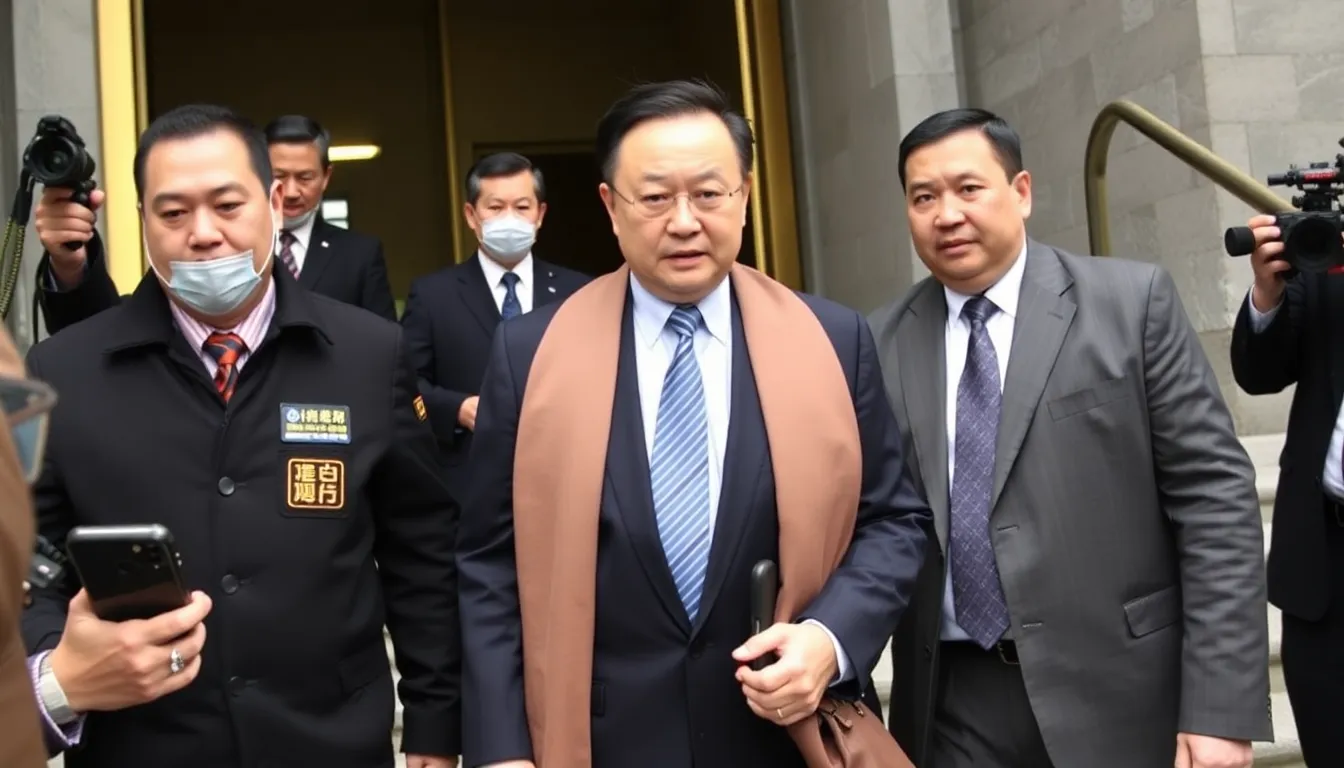
Frequently asked questions about the Evergrande case
Key takeaways and future outlook on the situation
The guilty plea of the founder of Evergrande marks a significant turning point for the company and the broader Chinese real estate market. As one of the largest property developers, Evergrande’s financial troubles have had far-reaching implications, affecting creditors, homebuyers, and the overall economy. The legal repercussions and potential restructuring of the company could set a precedent for how similar cases are handled in the future.
Investors and stakeholders should closely monitor the developments surrounding Evergrande’s restructuring plans and the government’s response to the ongoing crisis. The outcome will likely influence regulatory approaches and investor confidence in the real estate sector, both in China and globally.
- Watch for potential government intervention and support measures aimed at stabilizing the real estate market.
- Observe how Evergrande’s restructuring plans unfold and the impact on its creditors and homebuyers.
- Consider the implications for other property developers facing financial difficulties in China.
- Monitor market reactions and investor sentiment towards the real estate sector in the coming months.
- Evaluate the long-term effects on China’s economic growth and financial stability as the situation develops.