
As of October 2023, several meetings have been scheduled between wildlife agencies and community representatives across key regions identified for the release. These discussions aim to gather input on habitat suitability, potential impacts on local wildlife, and the socio-economic implications for communities. The involvement of local stakeholders is crucial to foster a sense of ownership and responsibility towards the golden eagle population, as highlighted in the article about how golden eagles return to English skies with government support.
In addition to community engagement, researchers are conducting ecological assessments to determine the best locations for the release. Factors such as prey availability, nesting sites, and environmental conditions are being carefully evaluated. Preliminary findings suggest that certain areas may be more conducive to successful reintroduction efforts, but these conclusions will be finalized only after comprehensive consultations.
The timeline for the actual release of golden eagles remains tentative, with initial plans suggesting a possible launch in late 2024, contingent on the outcomes of the ongoing discussions and assessments. Conservationists emphasize that patience and thorough planning are essential to mitigate risks and ensure the long-term viability of the species in the wild.
Understanding the background of golden eagle conservation
The golden eagle, a symbol of strength and freedom, has long been revered in various cultures. Historically, these majestic birds have inhabited vast regions across North America, Europe, and Asia. However, over the decades, their populations have faced significant declines due to habitat loss, poisoning, and hunting. Understanding the historical context of golden eagle conservation is crucial to grasping the current discussions surrounding their potential release into the wild.
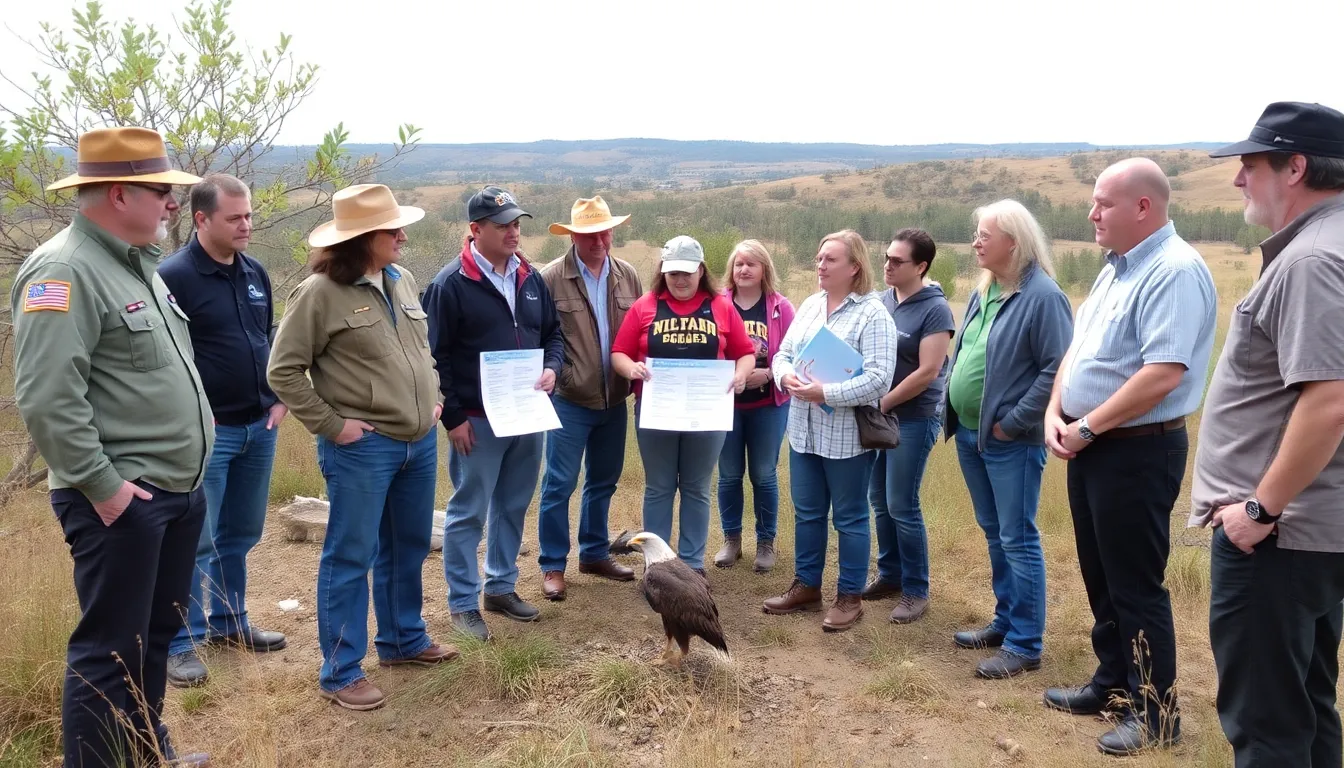
In the mid-20th century, the golden eagle was classified as a species of concern as conservationists began to recognize the threats posed by human activities. The establishment of environmental protection laws, such as the Endangered Species Act in the United States in 1973, marked a pivotal moment in wildlife conservation efforts. This legislation aimed to protect not only the golden eagle but also numerous other species facing similar threats. It laid the groundwork for future conservation initiatives and highlighted the importance of public consultation in decision-making processes, which is essential in understanding situations like those discussed in Islamabad’s historic negotiations.
The role of consultation in conservation efforts
Consultation has emerged as a critical component in the management and conservation of wildlife, particularly for species like the golden eagle. In recent years, stakeholders, including governmental agencies, conservation groups, and local communities, have increasingly recognized the need for collaborative approaches to wildlife management. This shift reflects a broader understanding that successful conservation requires not only scientific insights but also the perspectives and knowledge of those directly affected by these initiatives.
Key milestones in the conservation of the golden eagle include various reintroduction programs and habitat restoration efforts initiated in the late 20th century. These programs often faced challenges due to differing opinions among stakeholders regarding the best methods for reintroduction and habitat management. As a result, the importance of ongoing dialogue and consultation has become increasingly apparent, emphasizing the need for a balanced approach that considers ecological, economic, and social factors.
As discussions surrounding the release of golden eagles continue, the lessons learned from past conservation efforts underscore the necessity of engaging with diverse stakeholders. The success of future initiatives will depend on building consensus and fostering collaboration to ensure that the golden eagle can thrive once more in its natural habitat.
Key stakeholders and issues surrounding the consultation process
The consultation process for the release of golden eagles involves a diverse range of stakeholders, each with distinct interests and concerns. Key actors include governmental agencies, wildlife conservation organizations, local communities, and the general public. Understanding their roles is crucial for navigating the complexities of this initiative.
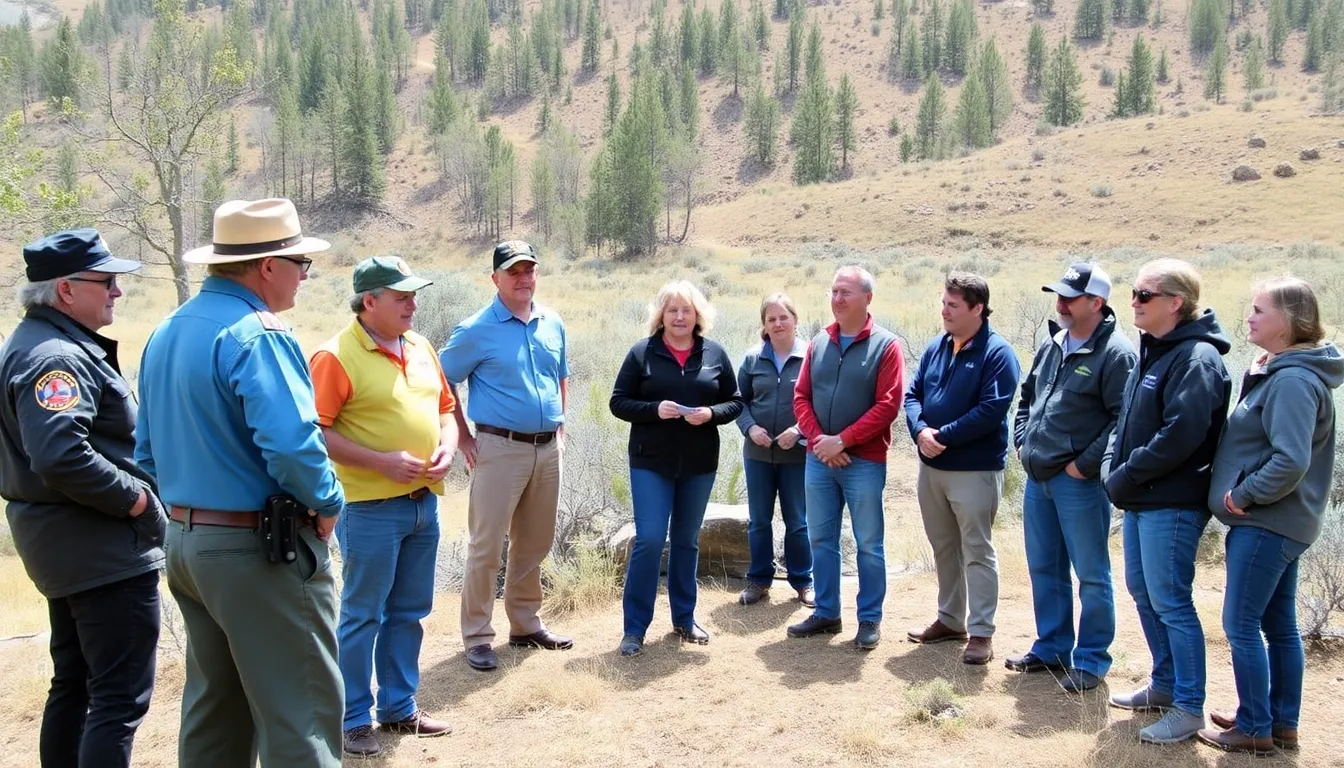
Government agencies, such as the Department of Wildlife and Fisheries, are primarily focused on ensuring the success of the release while adhering to legal and environmental regulations. Their interests often align with conservation goals but may conflict with local economic activities, such as agriculture and tourism, which could be impacted by the presence of golden eagles.
Wildlife conservation organizations advocate for the protection and restoration of golden eagle populations. They emphasize the ecological benefits of reintroducing the species, including its role in maintaining the balance of local ecosystems. However, these organizations must also address the concerns of local communities who may fear potential threats to livestock and other wildlife, mirroring the dynamics seen when Trump engages with disenchanted leaders to find common ground.
- Local Communities: Residents may have mixed feelings about the release, balancing ecological benefits against potential risks to their livelihoods.
- Economic Trade-offs: The introduction of golden eagles could affect local industries, necessitating discussions on compensation and sustainable practices.
- Legal Framework: Compliance with wildlife protection laws and regulations is essential, creating a need for thorough legal consultation.
- Public Engagement: Involving the public in discussions can enhance transparency and build trust among stakeholders.
These dynamics illustrate the complexity of the consultation process, highlighting the need for a balanced approach that considers both ecological objectives and the socio-economic realities faced by local communities. As stakeholders engage in dialogue, the outcome will depend on their ability to navigate conflicts and find common ground.
The impact of consultation on the success of golden eagle reintroduction
The reintroduction of golden eagles is a significant ecological initiative that affects various stakeholders, including wildlife conservation groups, local communities, and industries reliant on land use. Regions with habitats suitable for golden eagles, particularly in rural and mountainous areas, will be directly impacted by the outcomes of this consultation process.
In the short term, local communities may experience changes in land management practices as new regulations and guidelines are established to protect the reintroduced species. This could lead to restrictions on certain agricultural practices or development projects, potentially causing tension among farmers and landowners. Conversely, the presence of golden eagles could enhance local ecotourism, providing new economic opportunities for businesses catering to wildlife enthusiasts.
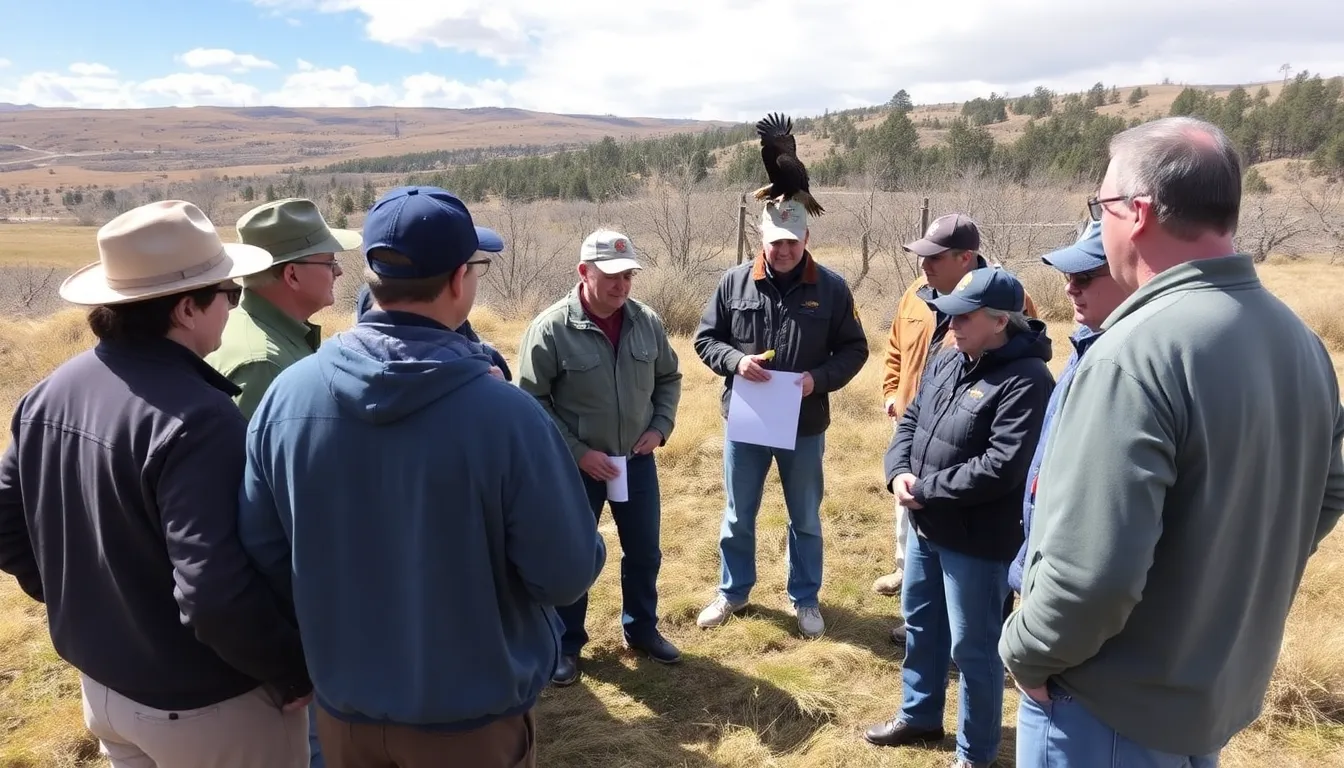
Mid-term impacts may include shifts in local policies aimed at balancing conservation efforts with economic development. As stakeholders engage in consultations, policies may evolve to support sustainable practices that benefit both wildlife and local economies. However, there is a risk that insufficient consultation could lead to community pushback or a lack of buy-in from key stakeholders, jeopardizing the success of the reintroduction.
- Risks: Potential conflicts over land use, resistance from local communities, and economic disruptions in agriculture.
- Opportunities: Growth in ecotourism, enhanced community engagement in conservation, and improved biodiversity.
Ultimately, the success of the golden eagle reintroduction hinges on effective consultation that considers the diverse needs and perspectives of all affected parties. Engaging stakeholders early and often will be crucial in fostering a collaborative approach that maximizes both ecological and economic benefits.
A: Consultation is essential to gather diverse perspectives and expertise, which helps in making informed decisions for the successful release of golden eagles. A: Key stakeholders include wildlife conservation organizations, local communities, government agencies, and ecologists, all of whom play a role in the reintroduction efforts. A: Challenges can include conflicting interests among stakeholders, varying levels of knowledge about golden eagles, and logistical issues in coordinating meetings. A: Success will be measured through monitoring the eagles’ adaptation to their environment, breeding success, and their overall population growth in the wild. A: Local communities provide valuable insights into the ecosystem and can help in fostering support for conservation efforts, making their involvement crucial.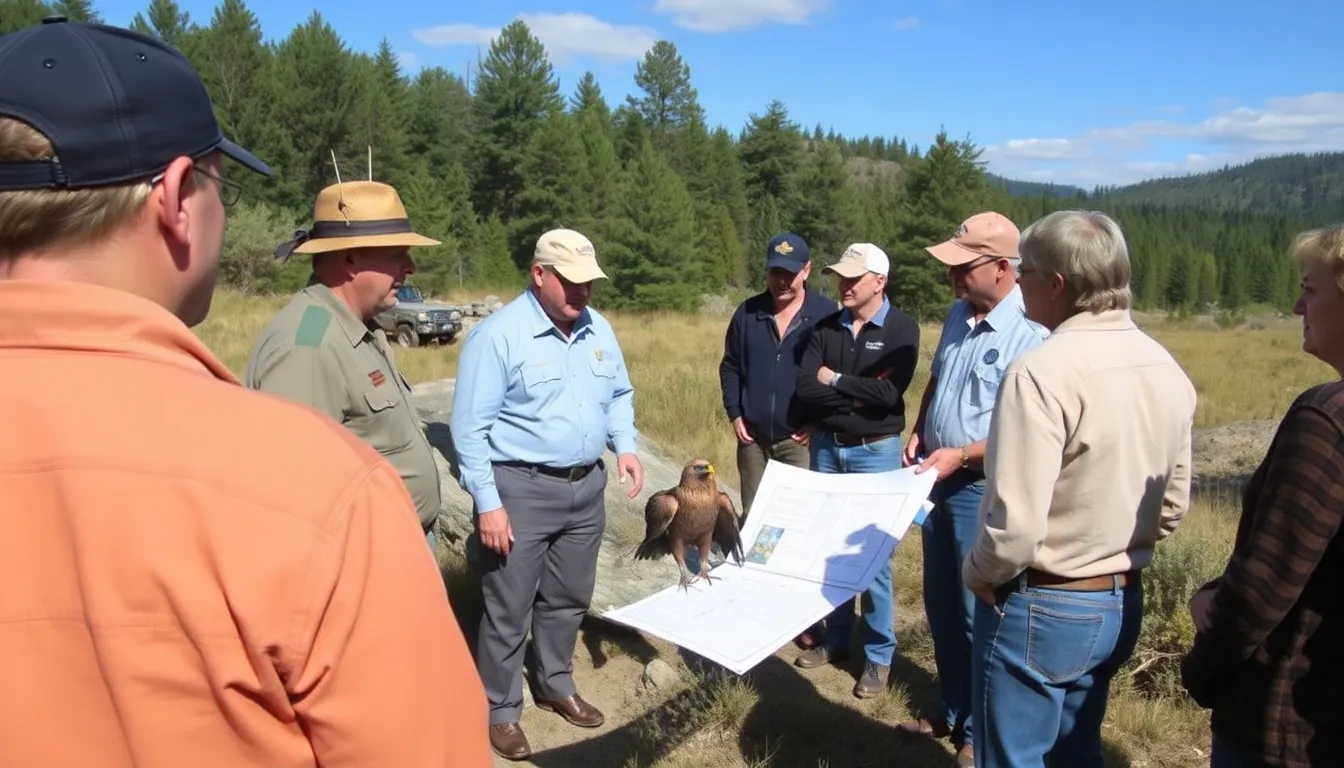
Frequently asked questions about golden eagle consultation
Insights and outlook on golden eagle release initiatives
The consultation process surrounding the release of golden eagles is pivotal for ensuring the success of these initiatives. Engaging with local communities, stakeholders, and conservation experts not only fosters support but also addresses potential concerns regarding ecological balance and local wildlife. The insights gathered from these discussions can guide the development of effective strategies that align with both conservation goals and community interests.
As the golden eagle release programs progress, monitoring their impact and adapting strategies based on feedback will be crucial. This iterative approach can enhance the long-term viability of both the eagle population and the ecosystems they inhabit, while also reinforcing community involvement and stewardship.
- Community engagement is essential; ongoing dialogue can mitigate conflicts and enhance support for conservation efforts.
- Adaptive management strategies should be implemented to respond to ecological changes and community feedback effectively.
- Monitoring and research will be critical in assessing the success of the release programs and informing future initiatives.
- Collaboration among conservationists, local governments, and stakeholders can lead to more sustainable practices and outcomes.
- Public education about the importance of golden eagles can foster a culture of conservation and increase community investment in wildlife protection.