
In January, the League of Legends Mid-Season Invitational attracted over 1.5 million concurrent viewers during its opening weekend, marking a 20% increase compared to the previous year. This surge in viewership has translated into substantial media rights deals, with sponsorship revenue reaching unprecedented levels. Companies are increasingly recognizing the value of aligning with these events to tap into the expanding esports market, as discussed in our article on esports evolution.
February saw the Dota 2 Major Championships take place in a hybrid format, combining both live audiences and online streaming. The event generated approximately $10 million in media value, driven by extensive coverage across various platforms and a diverse range of sponsors. This dual approach not only maximized audience reach but also demonstrated the adaptability of esports events in a post-pandemic world.
Additionally, smaller tournaments have gained traction during this period, contributing to the overall media landscape. Events like the Valorant Champions Tour and the Overwatch League have successfully built their own followings, attracting significant attention from both fans and advertisers. This diversification within the esports ecosystem underscores the growing importance of various game titles in shaping media value, similar to the trends observed in box office performance.
The Growth of Esports and Its Media Value
Over the past decade, esports has transformed from a niche hobby into a global phenomenon, attracting millions of viewers and generating substantial revenue. This growth can be attributed to several factors, including the rise of streaming platforms, increased internet accessibility, and the mainstream acceptance of gaming as a legitimate form of entertainment. As esports events gained traction, they began to draw the attention of major sponsors and media outlets, further escalating their media value.
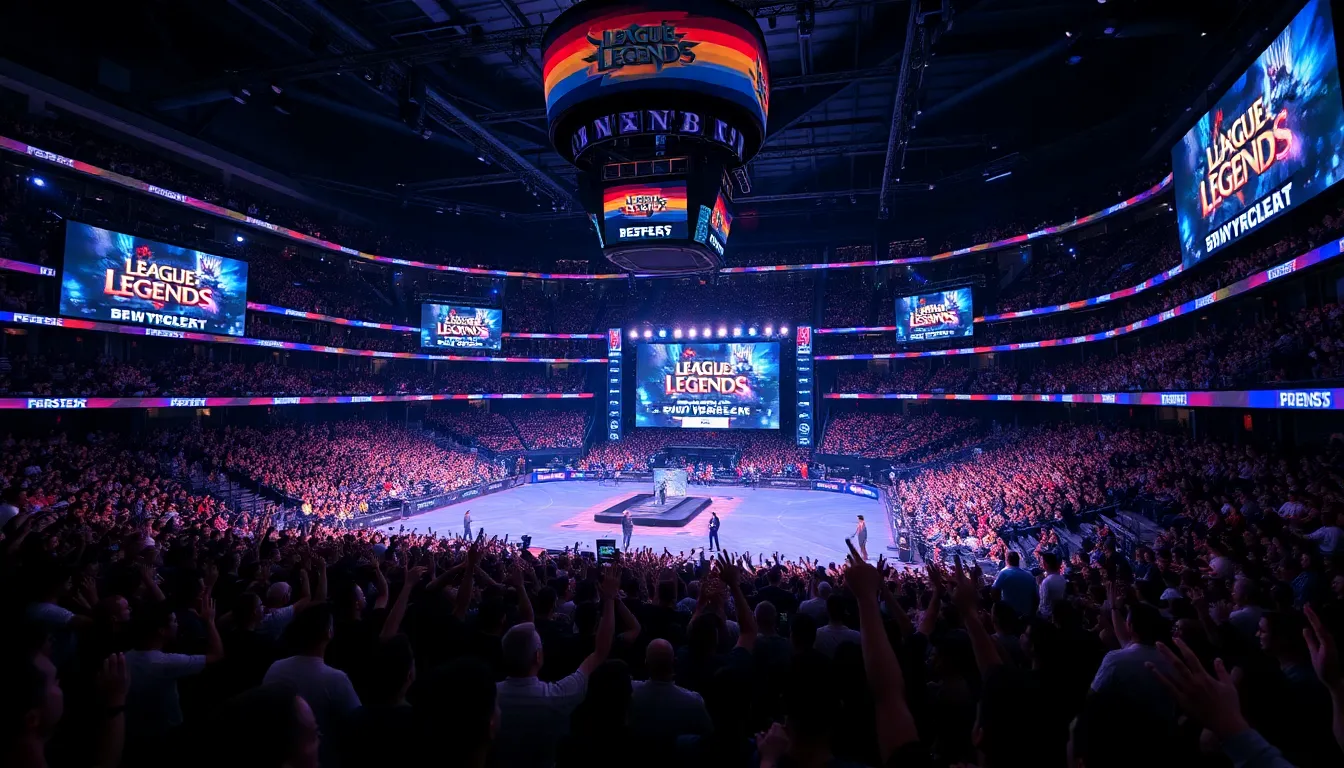
The early 2010s marked a significant turning point for esports, with landmark events such as the International Dota 2 Championship offering multi-million dollar prize pools. These high-stakes tournaments not only showcased the competitive nature of gaming but also highlighted the potential for lucrative media rights deals. As viewership soared, traditional sports networks began to take notice, leading to partnerships that would bring esports into living rooms worldwide, reflecting the broader shifts in entertainment mediums outlined in our report on new entertainment trends.
Key Milestones in Esports Development
One of the most pivotal moments in the evolution of esports occurred in 2016, when the League of Legends World Championship attracted over 43 million concurrent viewers, rivaling the Super Bowl in terms of audience size. This event solidified esports as a critical player in the sports industry and set the stage for future growth. In subsequent years, other franchises, such as Overwatch and Fortnite, followed suit, further diversifying the esports landscape and enhancing its media appeal.
Additionally, the COVID-19 pandemic in 2020 accelerated the shift towards digital entertainment, as traditional sports leagues were forced to pause their seasons. Esports filled the void, leading to record viewership numbers and increased media investments. By Q1 2026, the cumulative effect of these developments positioned esports as a formidable contender in the global sports market, with media value reaching unprecedented heights.
As we look toward the future, the continued integration of technology, such as virtual reality and augmented reality, promises to enhance the viewer experience, making esports events even more engaging. This evolution will likely drive further interest and investment, ensuring that the media value of esports remains a topic of significant relevance in the coming years.
Key Stakeholders and Their Influence on Media Value
In the rapidly evolving landscape of esports, several key stakeholders play pivotal roles in shaping the media value of top events. These include game developers, esports organizations, sponsors, broadcasters, and regulatory bodies. Each of these actors has distinct interests that can significantly impact the overall media ecosystem.
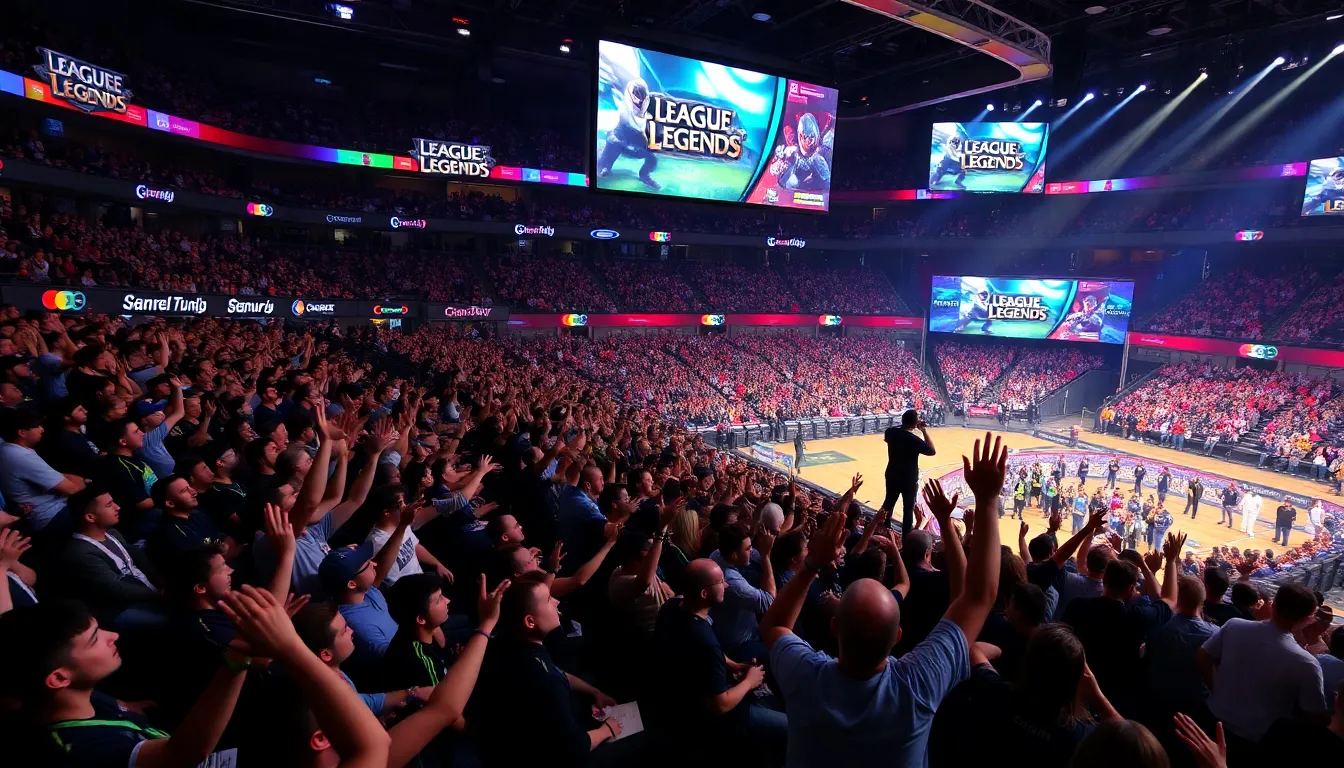
Game developers, such as Riot Games and Activision Blizzard, are primarily focused on maximizing player engagement and ensuring their titles remain competitive. Their interests often align with promoting events that showcase their games, thereby enhancing brand visibility and driving sales. However, conflicts can arise when developers impose restrictions on how events are organized or broadcasted, which may limit the potential revenue streams for esports organizations.
Esports organizations, which manage teams and events, seek to maximize their profitability through sponsorships and media rights deals. They are often at the forefront of negotiating broadcasting agreements, which can lead to tensions with both game developers and sponsors. For instance, if a broadcaster prioritizes certain games over others, it may create a perception of favoritism that could alienate fans and stakeholders associated with less-promoted titles.
- Sponsors: Brands looking to tap into the esports audience are interested in high visibility and engagement metrics. Their investments can drive up media value, but they may also impose demands that conflict with the creative direction of events.
- Broadcasters: Media companies are focused on delivering content that attracts viewers. Their decisions on which events to air can significantly influence the perceived value of those events, creating a competitive environment among organizers.
- Regulatory bodies: Government entities and sports commissions are increasingly involved in esports, focusing on issues such as player rights, gambling regulations, and fair play. Their involvement can introduce legal complexities that affect event organization and sponsorship agreements.
As these stakeholders navigate their interests, the balance between profitability and community engagement remains a critical issue. The ongoing evolution of media consumption habits, particularly among younger audiences, adds another layer of complexity. Stakeholders must adapt to these shifts to ensure that esports events continue to thrive in a competitive entertainment landscape.
The Impact of Media Value on Esports Ecosystem
The surge in media value associated with top esports events in Q1 2026 is poised to affect a diverse range of stakeholders, including gamers, sponsors, broadcasters, and gaming organizations. Regions with a strong esports presence, such as North America, Europe, and parts of Asia, will experience the most significant impacts as they continue to be at the forefront of this rapidly evolving industry.
In the short term, the increased media value can lead to a greater influx of investment from brands looking to capitalize on the growing viewership and engagement within the esports community. This influx can enhance the production quality of events, attract higher-profile talent, and expand the overall reach of esports. For businesses, this could mean new sponsorship opportunities and the potential for increased revenue streams.
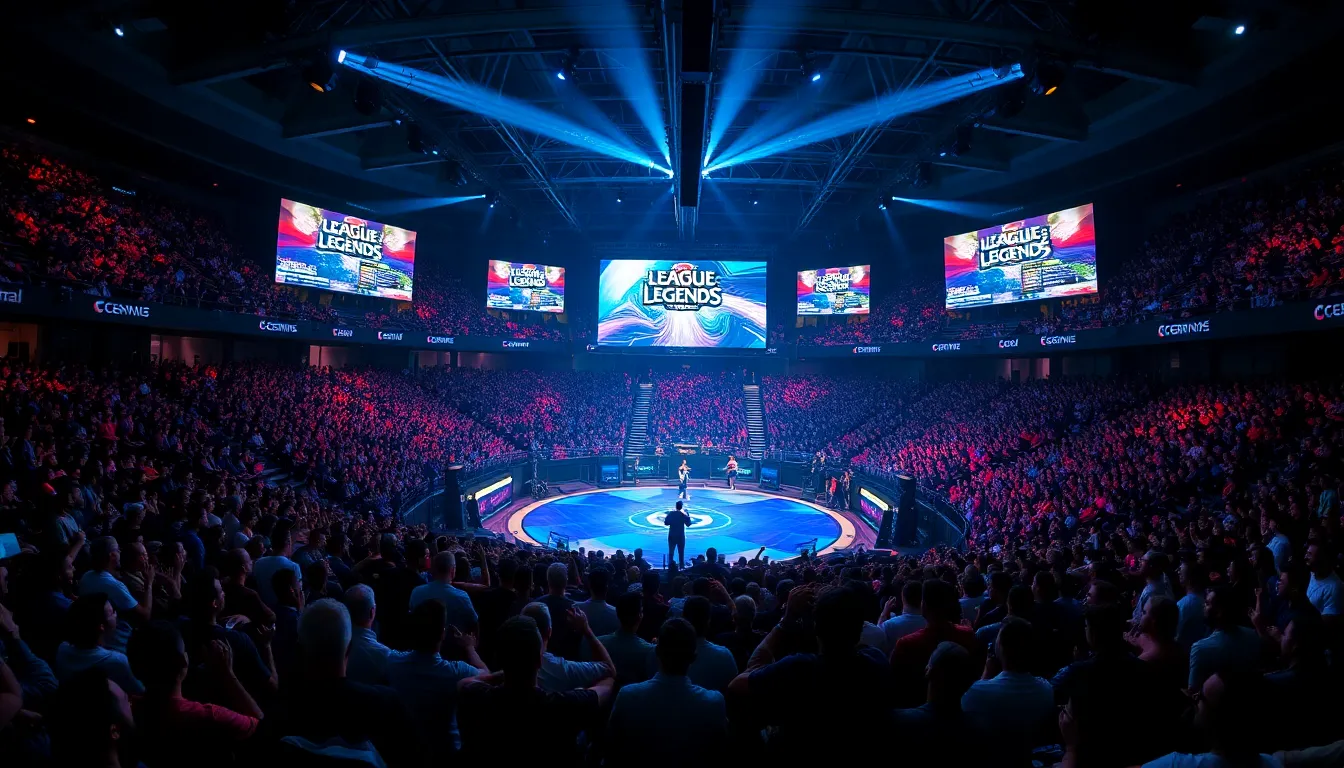
However, the rapid growth also presents risks. As more companies enter the esports space, there is a potential for market saturation, which could dilute brand value for existing sponsors and teams. Additionally, the pressure to continuously innovate and enhance viewer experiences could lead to unsustainable practices among event organizers, potentially harming the integrity of the competitions.
- Opportunities: Enhanced sponsorship deals and partnerships.
- Risks: Market saturation and potential burnout among audiences.
- Short-term Impact: Increased investment in esports infrastructure.
- Mid-term Impact: Shifts in policy regarding broadcasting rights and revenue sharing.
As the media value of esports events climbs, the implications for policy may also come into play. Regulatory bodies may need to adapt existing frameworks to accommodate the unique aspects of esports, including intellectual property rights and advertising regulations. This evolving landscape presents both challenges and opportunities for stakeholders to navigate in the coming years.
A: Media value in esports refers to the financial worth of broadcasting rights, sponsorships, and advertising associated with an event. It reflects how much brands are willing to invest in reaching audiences through these events. A: Top esports events are typically selected based on various metrics including viewership numbers, sponsorship deals, and overall engagement. These factors help determine their media value and significance in the industry. A: Major tournaments such as The International and League of Legends World Championship are expected to lead in media value due to their established fan bases and high-profile sponsorships. A: Higher media value attracts more investment, leading to better production quality and larger prize pools, which in turn draws more players and viewers, fueling the overall growth of the esports industry. A: Sponsors are crucial as they provide financial support that can enhance the event’s production and marketing. Their involvement often correlates with increased media value and visibility for the event.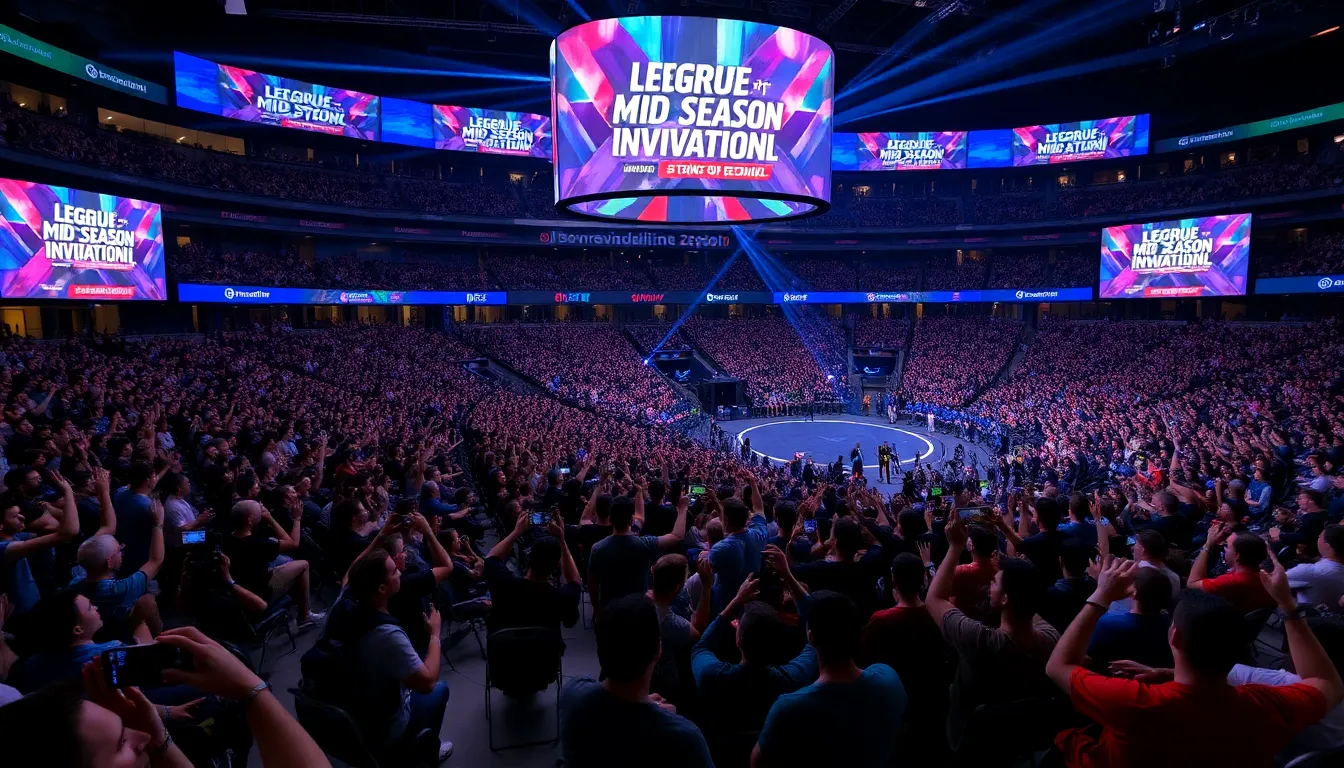
Frequently Asked Questions about Esports Media Value
Key Takeaways and Future Outlook for Esports Events
The landscape of esports continues to evolve, with Q1 2026 showcasing significant shifts in media value across top events. As brands and sponsors increasingly recognize the potential of esports, understanding these dynamics will be crucial for stakeholders aiming to navigate this burgeoning industry. The trends observed not only reflect current consumer engagement but also set the stage for future opportunities and challenges.
Looking ahead, the integration of emerging technologies and the expansion of viewership demographics are likely to further influence the media value associated with esports events. Stakeholders should remain vigilant and adaptable to capitalize on these developments.
- Increased Sponsorship Opportunities: Brands are likely to invest more heavily in esports, driven by growing audience engagement and the effectiveness of targeted advertising.
- Diverse Viewership Growth: As esports attracts a broader demographic, event organizers should tailor content and marketing strategies to appeal to diverse audiences.
- Technological Advancements: Innovations such as virtual reality and augmented reality could enhance viewer experiences, potentially increasing media value for events that leverage these technologies.
- Data-Driven Decision Making: Utilizing analytics to understand viewer preferences and behaviors will be essential for optimizing event strategies and maximizing ROI.
- Global Expansion: As esports continues to grow internationally, events should consider localization strategies to better engage regional markets.