
The US and Iran have a long history of strained relations, particularly since the withdrawal of the US from the Joint Comprehensive Plan of Action (JCPOA) in 2018. In 2023, both nations have shown a willingness to explore avenues for de-escalation, with the US signaling interest in reviving nuclear talks and Iran expressing a desire to ease economic sanctions. This shift in tone has created a window of opportunity for dialogue.
Pakistan’s involvement as a mediator is noteworthy, given its historical ties to both countries. The Pakistani government, led by Prime Minister Shehbaz Sharif, has positioned itself as a neutral facilitator, aiming to stabilize regional dynamics. The first round of talks is scheduled for early November 2023, with key diplomats from both sides expected to attend.
The outcome of these negotiations could have far-reaching implications for security in the region, including the potential for increased cooperation on issues such as counterterrorism and economic collaboration. As the discussions unfold, the international community is closely monitoring the developments, recognizing that a successful dialogue could pave the way for a more stable Middle East.
Historical context of US-Iran relations and Pakistan’s role
The relationship between the United States and Iran has been fraught with tension since the 1979 Iranian Revolution, which saw the overthrow of the US-backed Shah and the establishment of an Islamic Republic. This pivotal moment marked the beginning of a long-standing adversarial relationship characterized by mutual distrust, economic sanctions, and military confrontations. Over the decades, various incidents, such as the Iran Hostage Crisis and the US’s withdrawal from the Iran nuclear deal in 2018, have further complicated diplomatic efforts between the two nations.
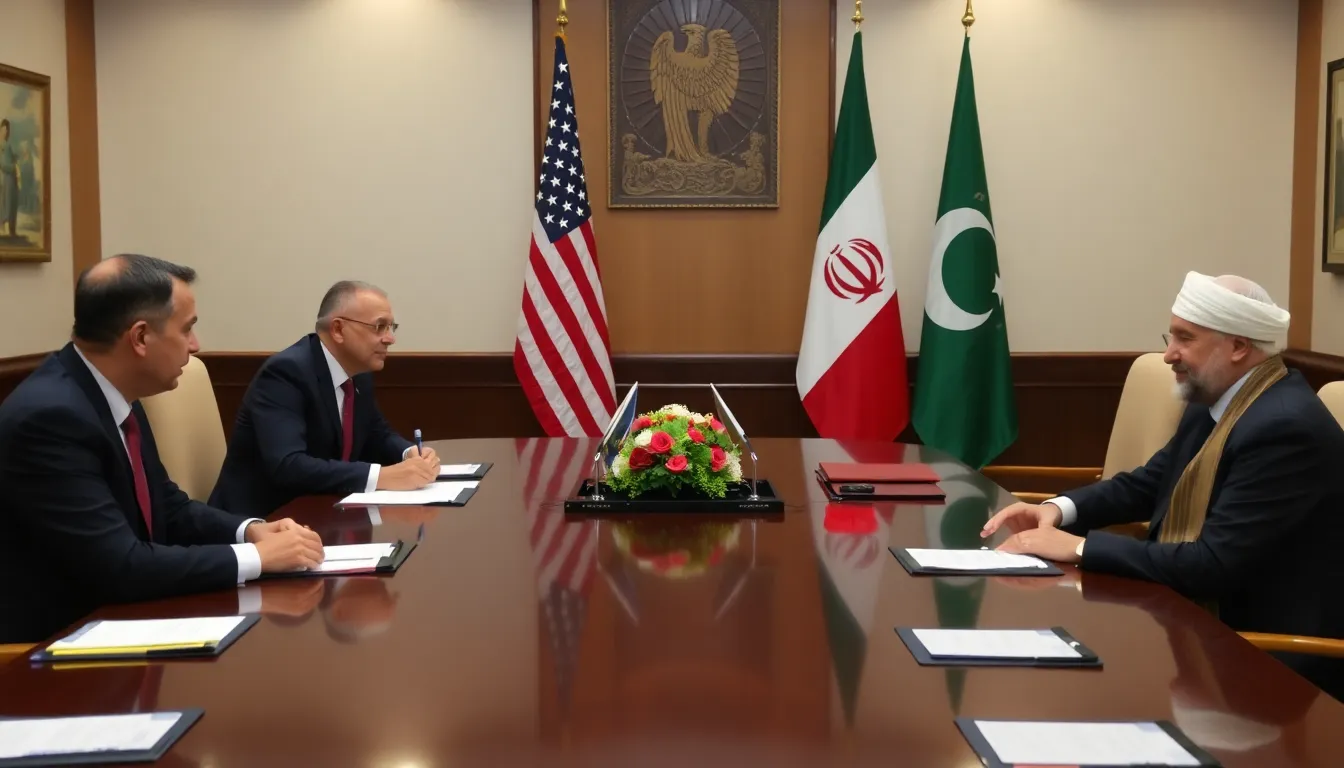
Pakistan, situated strategically between Iran and Afghanistan, has often found itself in a unique position as a mediator in regional conflicts. Historically, Pakistan has maintained a delicate balance in its foreign policy, fostering relationships with both the US and Iran. This geopolitical positioning has allowed Pakistan to act as a conduit for dialogue, especially when tensions escalate in the region. In recent years, Pakistan’s role has become increasingly significant as the US seeks to re-engage with Iran amid shifting dynamics in the Middle East.
The recent peace talks hosted by Pakistan are a culmination of various factors, including the changing landscape of international relations, the need for stability in Afghanistan, and the broader implications of Iran’s nuclear ambitions. The economic ramifications of prolonged conflict have also played a crucial role, as both the US and Iran grapple with the consequences of sanctions and their impacts on regional economies. Pakistan’s involvement in facilitating these talks underscores its commitment to regional stability and its strategic interests in fostering better relations with both powers.
Key milestones in US-Iran relations
Several key milestones have shaped the trajectory of US-Iran relations over the years. The 1980s saw the US support Iraq during the Iran-Iraq War, further deepening hostilities. The 1996 Iran-Libya Sanctions Act marked a significant turning point, as it imposed economic sanctions on Iran, which continued to escalate in the following decades. The 2015 Joint Comprehensive Plan of Action (JCPOA) was a rare moment of diplomacy, temporarily easing tensions and sanctions in exchange for Iran’s commitment to limit its nuclear program. However, the US withdrawal from the agreement in 2018 reignited hostilities, illustrating the fragility of diplomatic efforts between the two nations.
Key stakeholders and the main issues at play in the negotiations
The recent peace talks hosted by Pakistan between the United States and Iran have drawn significant attention from various stakeholders, each with their own interests and concerns. Understanding these actors is crucial to grasping the complexities of the negotiations and the broader geopolitical landscape.
At the forefront of these discussions are the governments of the United States and Iran. The U.S. seeks to curb Iran’s influence in the Middle East and address concerns regarding its nuclear program, while Iran aims to lift economic sanctions and assert its regional power. The involvement of Pakistan as a neutral mediator highlights its strategic position and interest in stabilizing regional security.
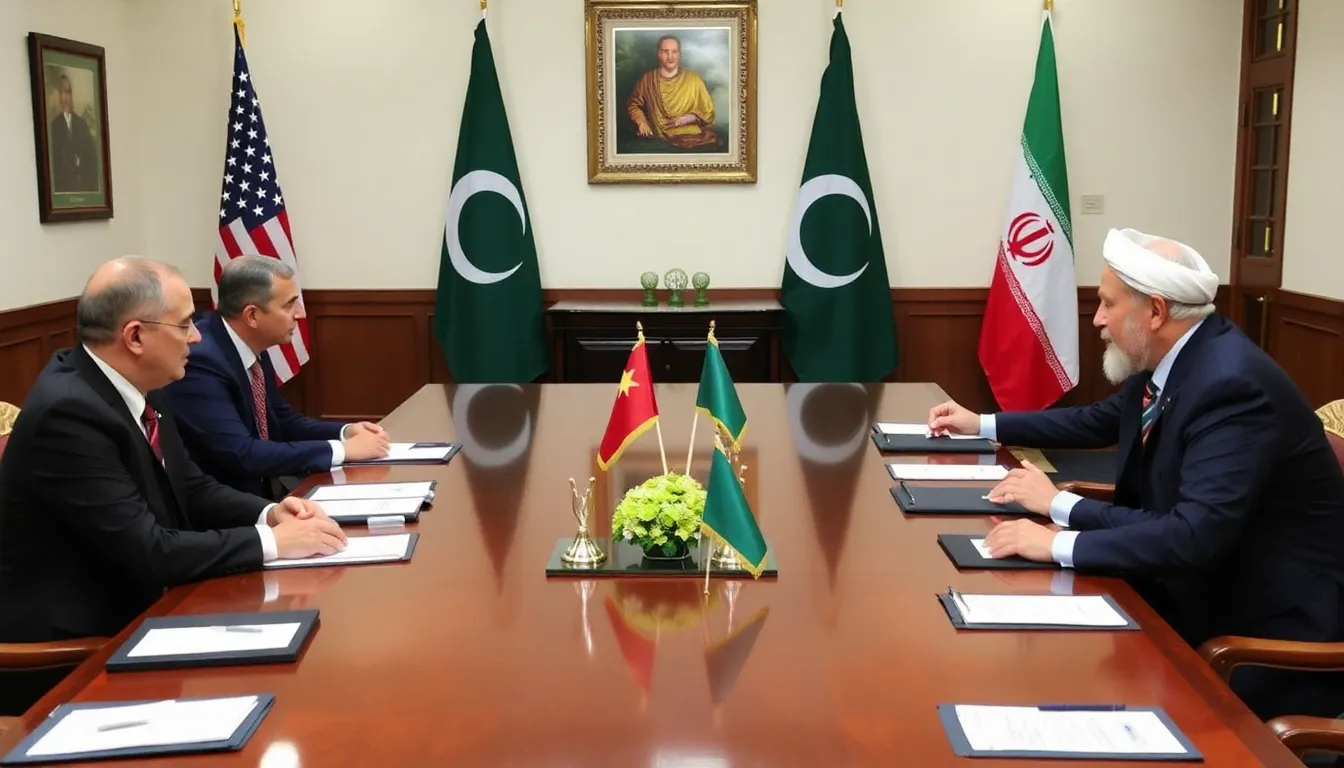
In addition to the primary nations, other key stakeholders include regional powers such as Saudi Arabia and Israel, both of whom view Iran’s potential nuclear capabilities and regional ambitions as direct threats. Their interests may influence the dynamics of the negotiations, creating additional layers of complexity. Furthermore, organizations like the United Nations and the European Union have an interest in promoting peace and stability in the region, potentially acting as facilitators or observers in the talks.
- U.S. Interests: Reducing Iranian influence and ensuring compliance with nuclear agreements.
- Iranian Interests: Lifting sanctions and gaining recognition of its regional role.
- Regional Powers: Saudi Arabia and Israel’s concerns over security and balance of power.
- Pakistan’s Role: Positioning itself as a mediator to enhance its diplomatic standing.
- International Organizations: Supporting efforts for a peaceful resolution to avoid broader conflict.
Legal and economic issues also play a significant role in these negotiations. The sanctions imposed on Iran have severely impacted its economy, leading to a pressing need for relief. Conversely, the U.S. must navigate domestic political pressures and international law regarding sanctions and military engagement. The potential for economic cooperation and trade agreements could also emerge as a topic of discussion, influencing the willingness of both sides to compromise.
Potential impacts on regional stability and international relations
The recent US-Iran peace talks hosted by Pakistan have significant implications for various groups, industries, and regions. The most immediate effects will be felt by the governments of Pakistan, Iran, and the United States, as well as their respective allies and neighboring countries. The geopolitical landscape in South Asia and the Middle East could shift, influencing diplomatic relations and trade agreements.
In the short term, local businesses in Pakistan may experience a surge in economic activity due to increased diplomatic engagement. Sectors such as hospitality, transportation, and security services are likely to benefit from the influx of diplomats and international media. However, there are risks associated with heightened tensions in the region, including potential backlash from extremist groups opposed to peace negotiations.
In the mid-term, if the talks yield positive outcomes, regional stability could improve, fostering a more conducive environment for trade and investment. Industries such as energy, agriculture, and technology may see new opportunities for collaboration between the US, Iran, and Pakistan. Conversely, failure to reach a consensus could exacerbate existing conflicts, leading to economic downturns and increased military spending.
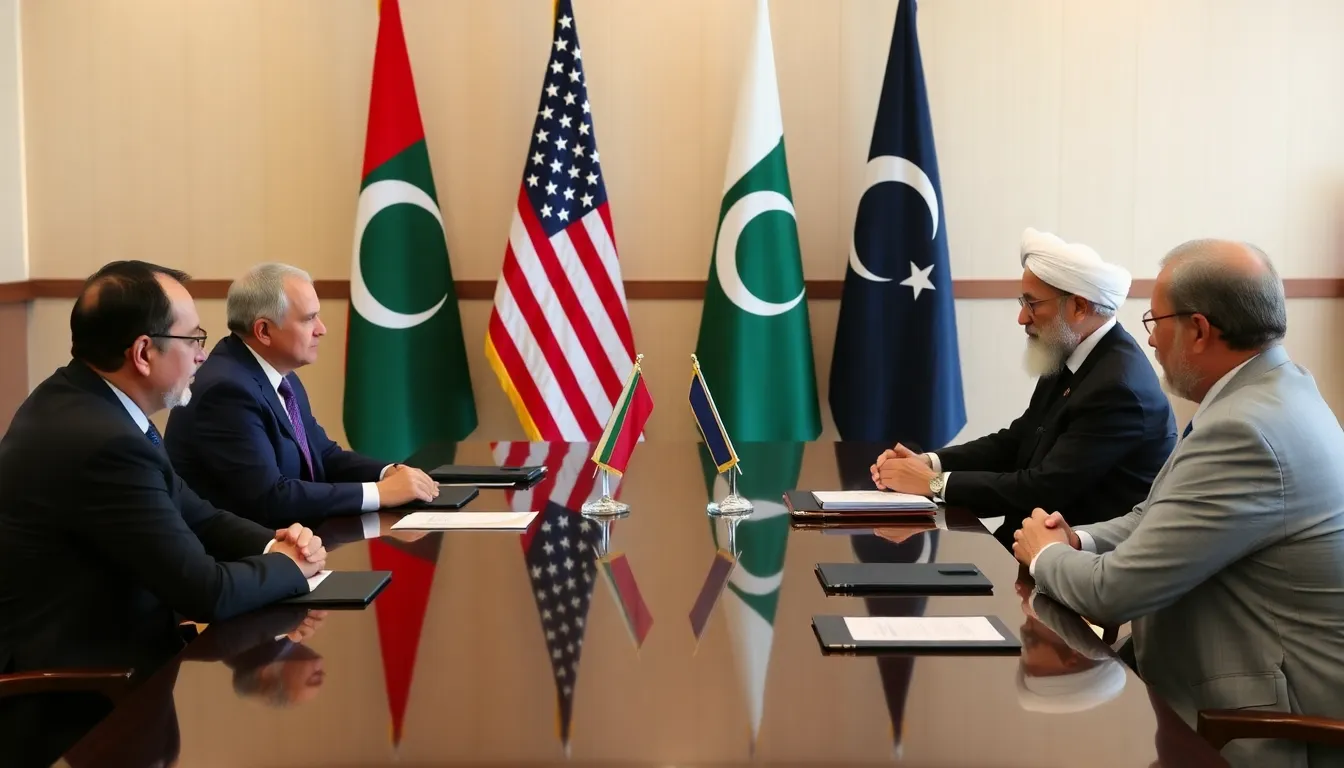
- Increased economic activity in hospitality and transportation sectors.
- Potential for new trade agreements benefiting various industries.
- Risks of regional instability if talks fail.
- Opportunities for collaboration in energy and technology sectors.
- Impact on local security and public safety measures.
Overall, the outcome of the peace talks will resonate beyond just the immediate stakeholders, affecting daily life, business operations, and policy decisions across the region. The balance between risks and opportunities will shape the future trajectory of US-Iran relations and Pakistan’s role as a mediator in international diplomacy.
A: The talks were prompted by ongoing tensions and the need for diplomatic solutions to avoid further conflict in the region. A: Pakistan’s strategic location and historical ties with both the US and Iran made it a suitable neutral ground for negotiations. A: Key topics include nuclear agreements, sanctions relief, and regional security concerns. A: Successful negotiations could lead to improved relations among Middle Eastern countries and reduce tensions in the region. A: Negotiators face significant challenges, including deep-seated mistrust and differing national interests.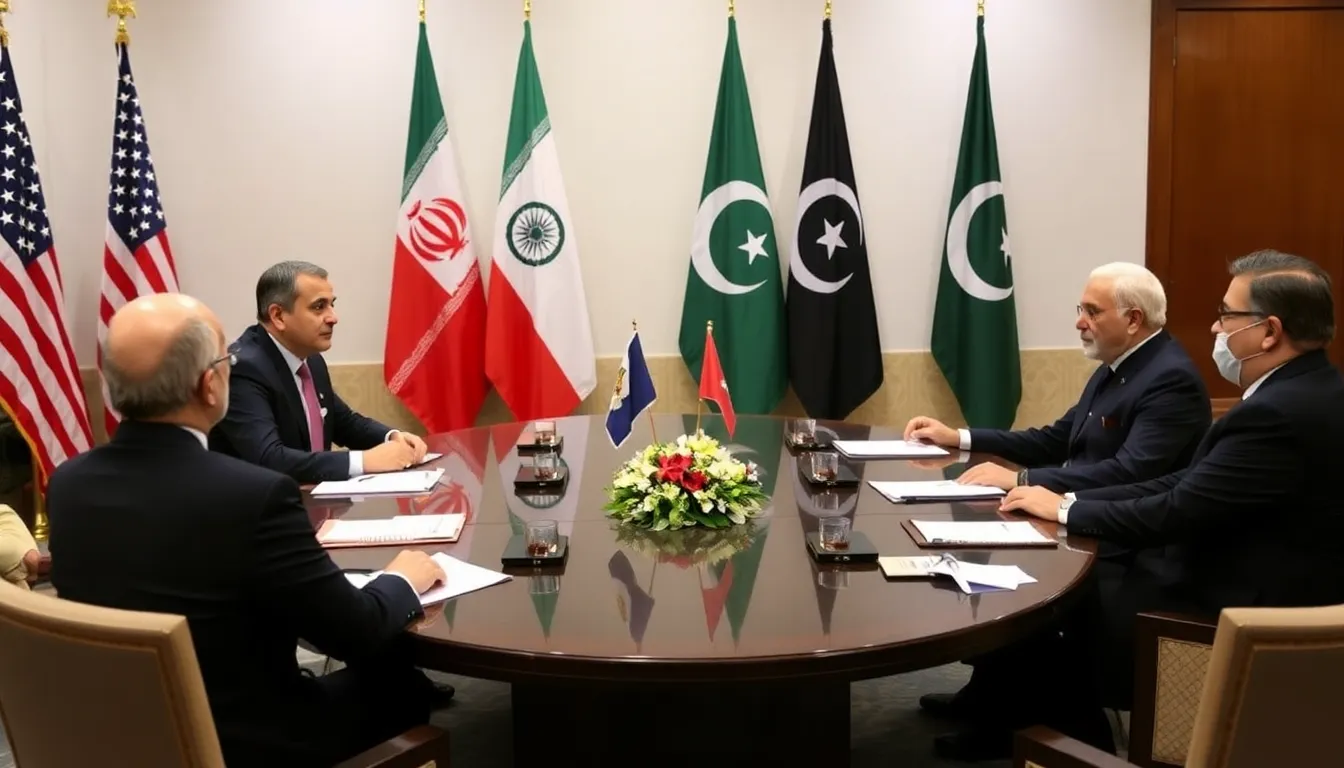
Frequently asked questions about the peace talks
Insights and future outlook on US-Iran relations
The recent diplomacy that culminated in Pakistan hosting peace talks between the US and Iran marks a significant shift in regional dynamics, highlighting the potential for dialogue in resolving long-standing tensions. As both nations navigate their complex relationship, the outcomes of these discussions could influence not only bilateral ties but also the broader geopolitical landscape of the Middle East.
Moving forward, it will be essential to monitor the evolving strategies of both the US and Iran as they seek to balance national interests with the pressures of international diplomacy. Continued engagement could pave the way for a more stable region, but it will require sustained commitment from both sides to address underlying issues and build trust.
- Watch for potential agreements on nuclear negotiations that could redefine US-Iran relations.
- Monitor how regional allies respond to the evolving diplomatic landscape and their influence on the peace process.
- Consider the implications of this dialogue for US foreign policy in the Middle East, particularly regarding sanctions and military presence.
- Observe Iran’s domestic political landscape, as internal factors may significantly impact its approach to negotiations.
- Stay attuned to the role of third-party nations like Pakistan, which may become key mediators in future discussions.