
Reports indicate that funding for community-based mental health programs was slashed by approximately 20%, leading to the closure of several key facilities. As a result, many individuals experiencing severe mental health crises have found themselves without adequate resources, exacerbating their conditions and increasing the risk of homelessness and incarceration. For insights on related challenges, exploring current trends in mental health can provide valuable information.
Since the cuts took effect, there has been a troubling rise in incidents involving individuals with untreated schizophrenia. Local law enforcement and emergency services have reported a spike in calls related to mental health emergencies, highlighting the urgent need for intervention and support that is no longer readily available.
The situation has drawn the attention of mental health advocates and policymakers, who argue that these reductions not only jeopardize the well-being of affected individuals but also place an additional burden on emergency services and the criminal justice system. As Idaho grapples with these challenges, the community is calling for a reevaluation of mental health funding and service provision to prevent further tragedies.
Understanding the Background of Mental Health Funding in Idaho
Idaho has a complex history regarding mental health services, particularly for individuals with serious mental illnesses such as schizophrenia. Over the decades, state policies have fluctuated, often reflecting broader national trends in mental health care. In the late 20th century, there was a significant shift towards deinstitutionalization, which aimed to move individuals out of large psychiatric hospitals and into community-based care. While this movement was rooted in the desire for more humane treatment, it often lacked the necessary funding and infrastructure to support those in need.

In the early 2000s, Idaho faced budget constraints that led to cuts in mental health funding. These reductions were part of a broader trend seen across the United States, where state budgets were increasingly strained by economic downturns and rising costs in other areas. As a result, many community mental health programs were either reduced or eliminated, leaving vulnerable populations without adequate support. This lack of funding has had dire consequences, particularly for individuals with severe mental health conditions who rely heavily on these services for stability and treatment.
The Impact of Policy Changes
In recent years, the consequences of these funding cuts have become increasingly evident. Reports have highlighted a disturbing rise in deaths among individuals with schizophrenia and other serious mental illnesses in Idaho, particularly after the state reduced its mental health services. Critics argue that the cuts have directly contributed to a public health crisis, as many individuals are left without access to essential treatments, medications, and support systems. Furthermore, the lack of resources has led to increased homelessness and incarceration rates among those with mental health issues, compounding the challenges faced by the state. Such situations underscore the importance of discussing the paths to success for vulnerable populations.
As Idaho grapples with these challenges, advocates for mental health reform are calling for a reevaluation of funding priorities. They argue that investing in mental health services not only saves lives but also reduces long-term costs associated with emergency care and criminal justice involvement. The ongoing dialogue surrounding mental health funding in Idaho reflects a critical need for systemic change, emphasizing the importance of adequate support for the state’s most vulnerable populations.
Key Stakeholders and Issues Surrounding the Service Cuts
The recent decision by Idaho to cut services for individuals with schizophrenia has drawn significant attention from various stakeholders, each with their own interests and concerns. These stakeholders include state government officials, mental health advocacy organizations, healthcare providers, and the affected individuals and their families. Understanding their perspectives is crucial to grasping the broader implications of these service cuts.
State government officials, including lawmakers and budget planners, are primarily focused on fiscal responsibility and resource allocation. Their interest lies in balancing the state budget while managing the growing costs associated with mental health services. However, this focus on budgetary constraints often leads to conflicts with the needs of vulnerable populations who rely on these essential services for stability and support.
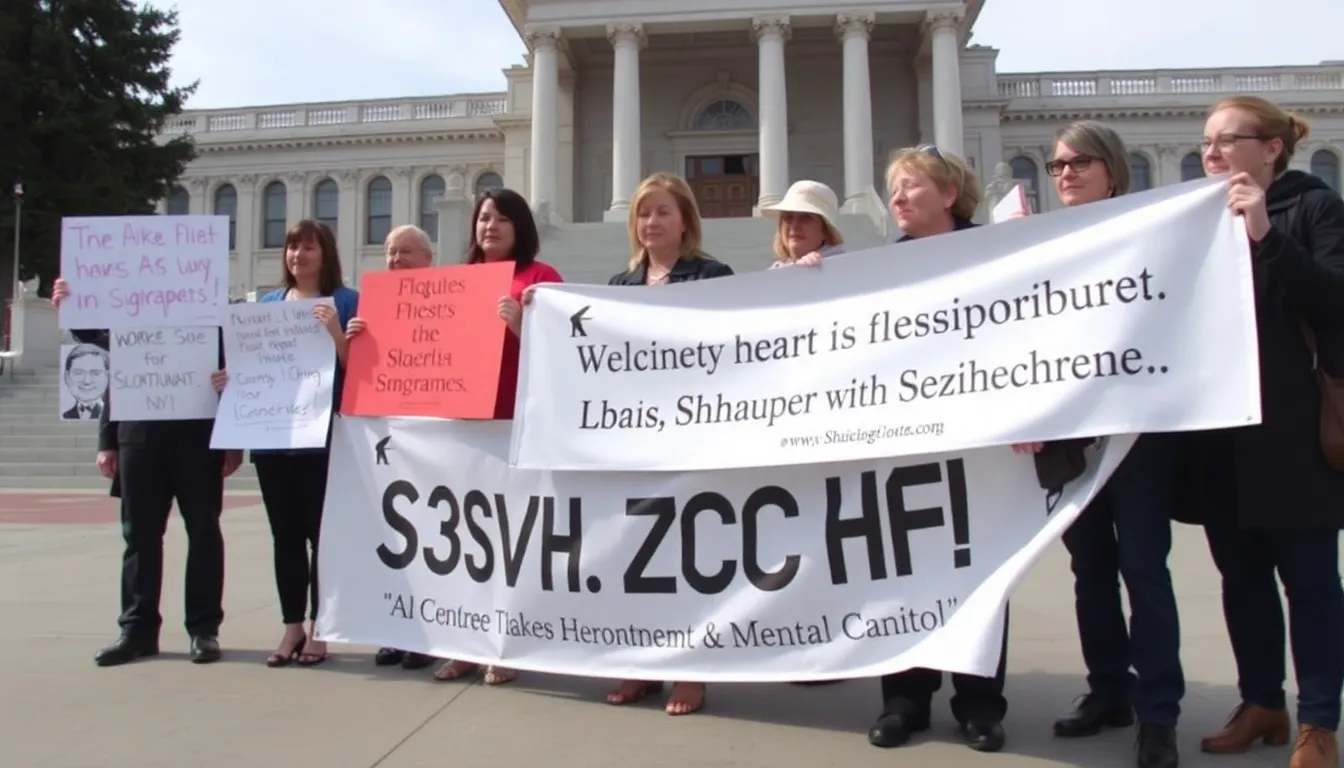
Healthcare providers and mental health professionals are also key players in this situation. They advocate for the continuation and enhancement of services that support individuals with schizophrenia. Their concerns include the potential for increased hospitalizations and emergency room visits if outpatient services are reduced, which could ultimately lead to higher healthcare costs for the state. This presents a significant trade-off between immediate budget savings and long-term health outcomes.
- Advocacy Groups: Organizations such as the National Alliance on Mental Illness (NAMI) are working to raise awareness about the impact of service cuts on individuals with schizophrenia.
- Families of Affected Individuals: Families are often left to navigate the complexities of care without adequate support, leading to increased stress and potential crises.
- Legal and Ethical Considerations: The cuts raise questions about the state’s responsibility to provide adequate mental health care and the potential legal ramifications of failing to do so.
In summary, the service cuts in Idaho highlight a complex interplay of interests and concerns among various stakeholders. The potential consequences of these cuts extend beyond immediate financial savings, affecting the health and well-being of individuals with schizophrenia and the broader community. As this situation unfolds, the ongoing dialogue among stakeholders will be critical in addressing these key issues, reinforcing the need to understand broader health trends that impact varied populations.
The Impact of Service Reductions on Vulnerable Populations
The decision to cut services for individuals with schizophrenia in Idaho has far-reaching effects on various groups, particularly the affected individuals and their families. These cuts impact not only those diagnosed with schizophrenia but also their caregivers, healthcare providers, and the broader community that relies on mental health services.
In the short term, individuals affected by these cuts may experience increased symptoms due to lack of access to necessary treatment and support. Families may face heightened stress and uncertainty as they navigate the challenges of caring for loved ones without adequate resources. The healthcare industry, particularly mental health professionals, may see a rise in emergency cases as individuals seek urgent care when preventive services are unavailable.
Mid-term impacts could include a rise in homelessness and incarceration rates among individuals with untreated mental health conditions. Communities may face increased healthcare costs as emergency services become the primary means of care for those affected. Policy shifts may also occur as advocacy groups push for a restoration of services, potentially leading to renewed discussions on mental health funding and policy reform.
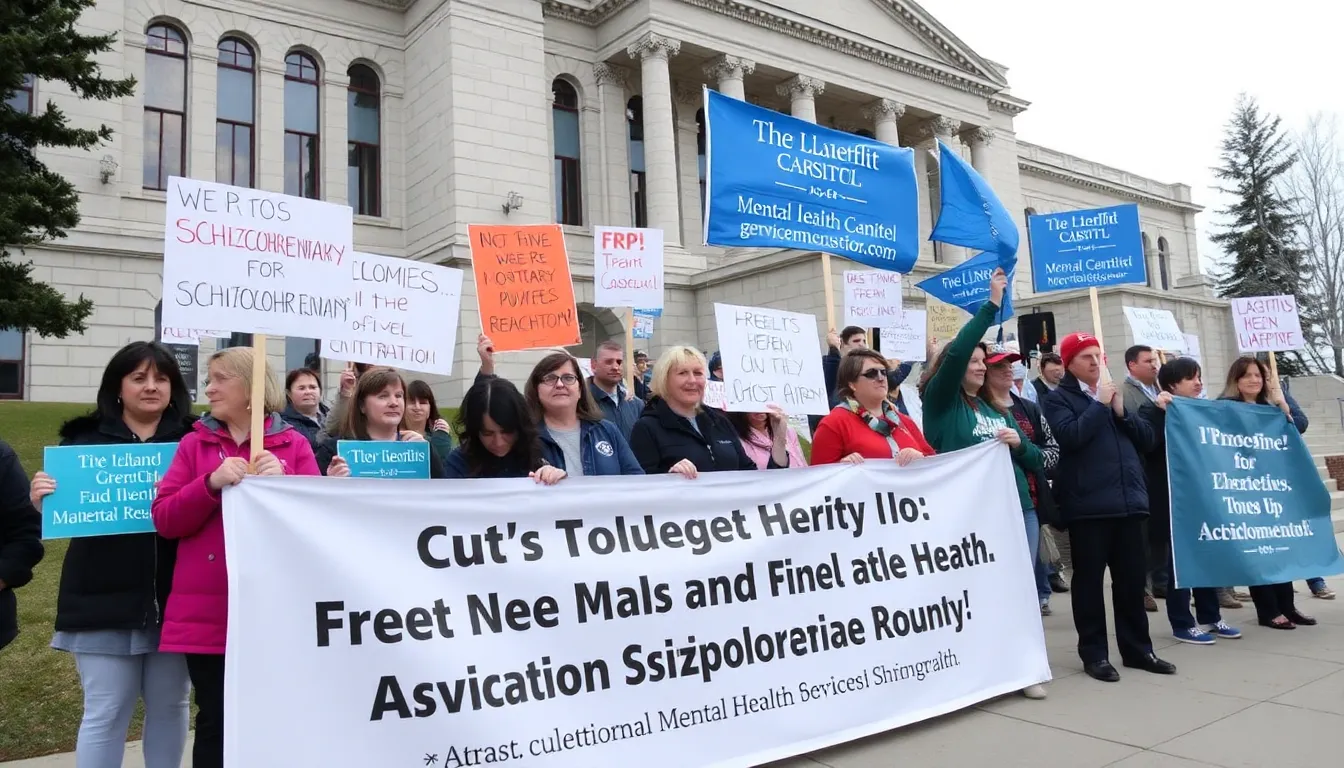
- Increased healthcare costs: Emergency services will likely see a surge in demand.
- Family stress: Caregivers may struggle without adequate support systems.
- Community challenges: Higher rates of homelessness and incarceration may arise.
- Advocacy opportunities: The situation may galvanize movements for mental health reform.
While the immediate effects are concerning, there is potential for advocacy and community mobilization to emerge from this crisis. As awareness grows regarding the importance of mental health services, there may be opportunities for policy changes that prioritize funding and support for vulnerable populations in Idaho and beyond.
A: Idaho cut various mental health services, including outpatient treatment and support for individuals with schizophrenia, impacting their access to necessary care. A: The cuts have led to increased instability for individuals with schizophrenia, resulting in worsening symptoms and, tragically, several deaths. A: The funding cuts were primarily due to budget constraints and a shift in priorities within the state’s mental health system. A: Yes, various advocacy groups are working to raise awareness and push for the restoration of mental health services in Idaho. A: Families can seek alternative resources, engage with advocacy groups, and push for policy changes to ensure better support for those affected.
Frequently Asked Questions About the Service Cuts
Looking Ahead: Key Takeaways and Future Considerations
The recent cuts to services for individuals with schizophrenia in Idaho have raised significant concerns regarding the impact on mental health outcomes and community safety. As we move forward, it is essential to consider the broader implications of these decisions on vulnerable populations and the systems designed to support them. The tragic outcomes observed following these cuts highlight the urgent need for a reevaluation of mental health funding and resource allocation.
Stakeholders, including policymakers, mental health advocates, and community organizations, must collaborate to develop sustainable strategies that prioritize the needs of individuals with mental health conditions. This situation underscores the importance of ensuring that adequate support systems are in place to prevent further tragedies and promote recovery.
- Advocacy for increased funding and resources for mental health services is crucial to prevent future crises.
- Monitoring the long-term effects of service cuts on individuals with schizophrenia will provide valuable data for future policy decisions.
- Community-based support systems should be strengthened to offer immediate assistance and reduce reliance on emergency services.
- Engagement with individuals affected by these policies can inform better practices and service delivery models.
- Cross-sector collaboration is essential to address the multifaceted needs of those with mental health disorders effectively.