
Recent studies have shown that many bird species, including sparrows and finches, thrive on a diet that consists of insects and natural seeds during the summer. Feeding birds during this time can result in an imbalance in their diet, making them less capable of foraging for food on their own.
Furthermore, the RSPB notes that feeding stations can attract larger populations of birds, which may lead to increased competition for food and the spread of diseases among species. This is particularly concerning as birds are already facing numerous threats, including habitat loss and climate change.
As the summer months approach, the RSPB urges bird enthusiasts to reconsider their feeding practices. Instead, they recommend creating a bird-friendly environment by planting native flora that provides natural food sources and shelter for garden birds.
Understanding the natural feeding habits of garden birds
For centuries, garden birds have been a cherished part of the British landscape, providing both aesthetic pleasure and ecological benefits. Historically, the practice of feeding birds gained popularity in the 19th century, coinciding with the rise of the Victorian gardening movement. This era saw an increased awareness of wildlife and nature, prompting many to create habitats that attracted various bird species. However, this well-meaning practice has evolved into a year-round feeding habit that may not align with the natural rhythms of these birds.
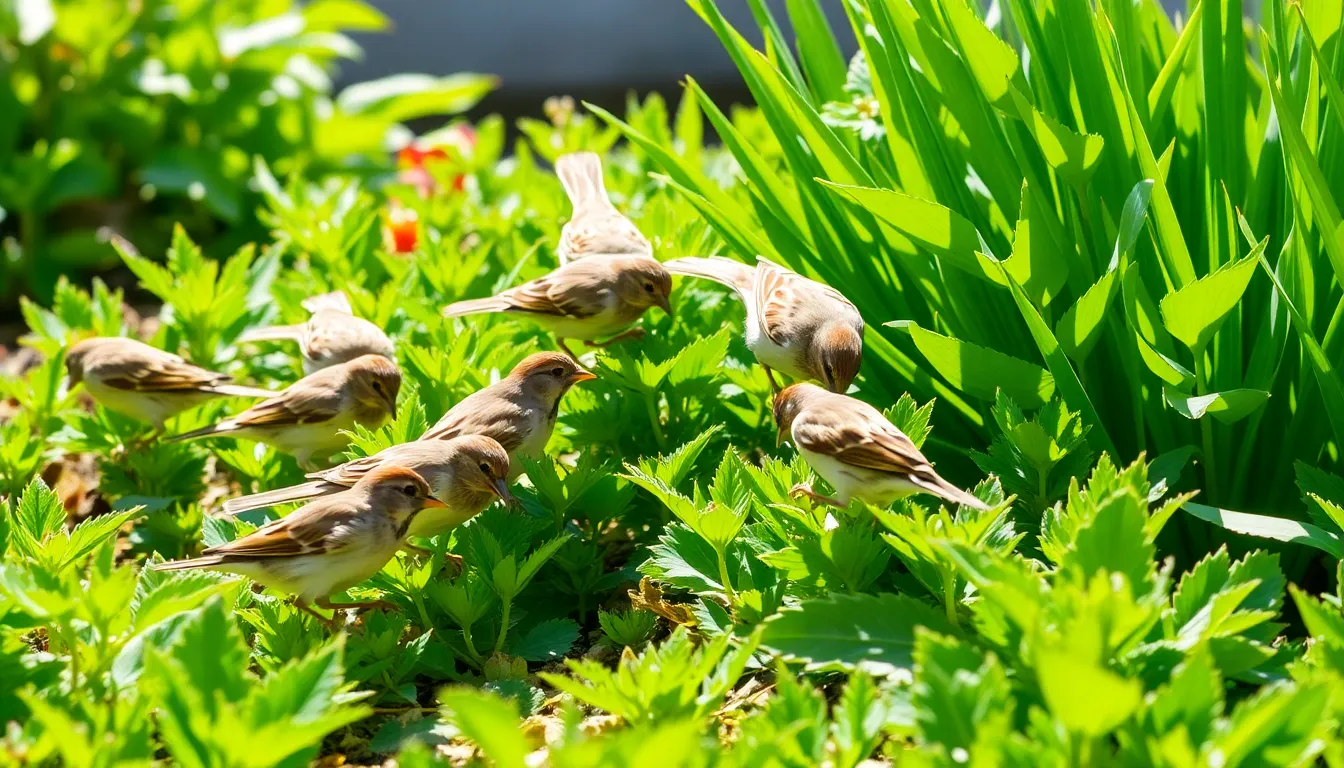
The Royal Society for the Protection of Birds (RSPB) has recently raised concerns about the implications of feeding garden birds during the warmer months. Traditionally, many people believed that providing food throughout the year was beneficial for birds, especially during breeding seasons when they require extra energy. However, research indicates that human intervention can disrupt the natural foraging behaviors of birds, leading to dependency on artificial feeding sources.
In the past, the focus on feeding birds has often overshadowed the importance of natural food sources, such as insects and seeds, which are abundant during warmer months. The RSPB emphasizes that feeding birds in the summer can interfere with their natural foraging habits, making them reliant on feeders instead of encouraging them to seek out their natural diet. This shift can have broader ecological impacts, including reduced biodiversity and altered food webs within garden ecosystems.
The ecological impact of artificial feeding
Moreover, the ecological implications of feeding birds artificially extend beyond individual species. The introduction of non-native bird feed can inadvertently attract pests and create imbalances in local ecosystems. Additionally, the accumulation of uneaten food can lead to hygiene issues, fostering the spread of disease among bird populations. Understanding these dynamics is crucial for gardeners who wish to support local wildlife effectively.
As society becomes more aware of the delicate balance between human activity and wildlife, the RSPB’s guidance serves as a reminder of the importance of respecting natural feeding habits. By promoting a more informed approach to gardening, individuals can contribute positively to the health of garden bird populations and the ecosystems they inhabit.
Key concerns regarding bird feeding practices
The debate surrounding bird feeding practices, particularly during warmer months, involves various stakeholders, including environmental organizations, birdwatchers, and the general public. The Royal Society for the Protection of Birds (RSPB) has taken a clear stance against feeding garden birds in warmer months, citing potential negative impacts on bird health and behavior.
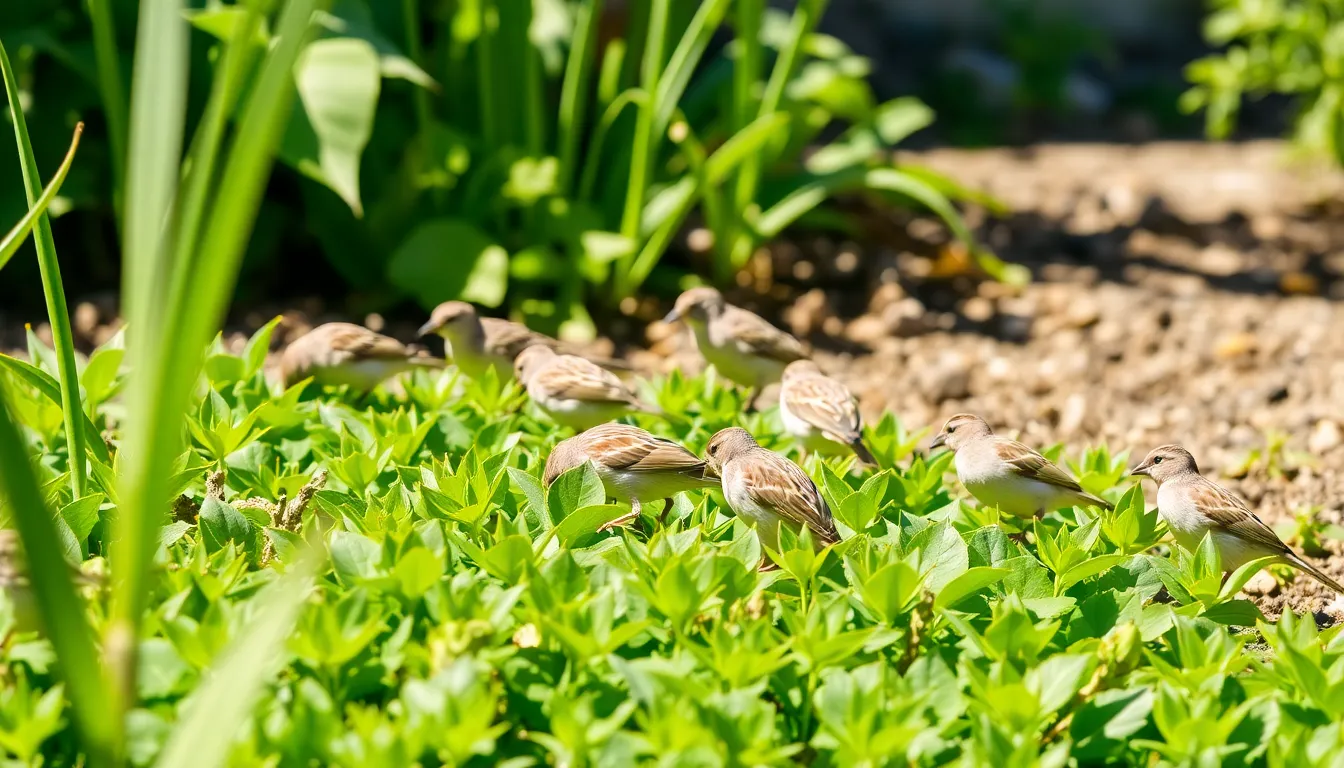
One of the primary interests of the RSPB is the preservation of bird populations and their natural behaviors. By discouraging feeding during warmer months, the RSPB aims to promote natural foraging behaviors that are crucial for birds’ survival and reproductive success. This approach may conflict with the interests of individuals who enjoy feeding birds and believe it supports their local wildlife.
Furthermore, there are economic considerations at play. The bird feeding industry, which includes the sale of birdseed and feeders, could face a decline in sales if fewer people choose to feed birds during the summer. This creates a trade-off between supporting local businesses and promoting ecological health. Additionally, some birdwatchers argue that feeding birds enhances their experience and connection to nature, which may be overlooked in broader ecological discussions.
- Health Risks: Feeding birds in warmer months can lead to the spread of diseases, as uneaten food can spoil and attract pests.
- Behavioral Changes: Birds may become reliant on artificial food sources, disrupting their natural foraging instincts.
- Economic Impact: A decline in bird feeding could affect local businesses that rely on sales of bird feeding products.
- Public Awareness: There is a need for increased education on the ecological impacts of feeding practices.
In summary, while the RSPB’s recommendations aim to protect bird populations, they also highlight the complexities of balancing human interests with ecological health. Understanding these dynamics is crucial for fostering informed discussions about wildlife conservation and responsible bird feeding practices.
Potential effects on bird populations and ecosystems
The recommendation from the Royal Society for the Protection of Birds (RSPB) to refrain from feeding garden birds during warmer months primarily impacts birdwatchers, wildlife enthusiasts, and local communities. These groups often engage in feeding birds as a way to support local wildlife and enhance their outdoor experiences. Additionally, businesses that sell bird feed and related products may see a decline in sales as public behavior shifts in response to this advice.
In the short term, the decision to stop feeding birds could lead to a decrease in the number of birds visiting gardens, which may disappoint local residents who enjoy observing these creatures. However, the RSPB argues that feeding during warmer months can disrupt natural foraging behaviors and dependency on human-provided food sources, potentially harming bird populations in the long run.
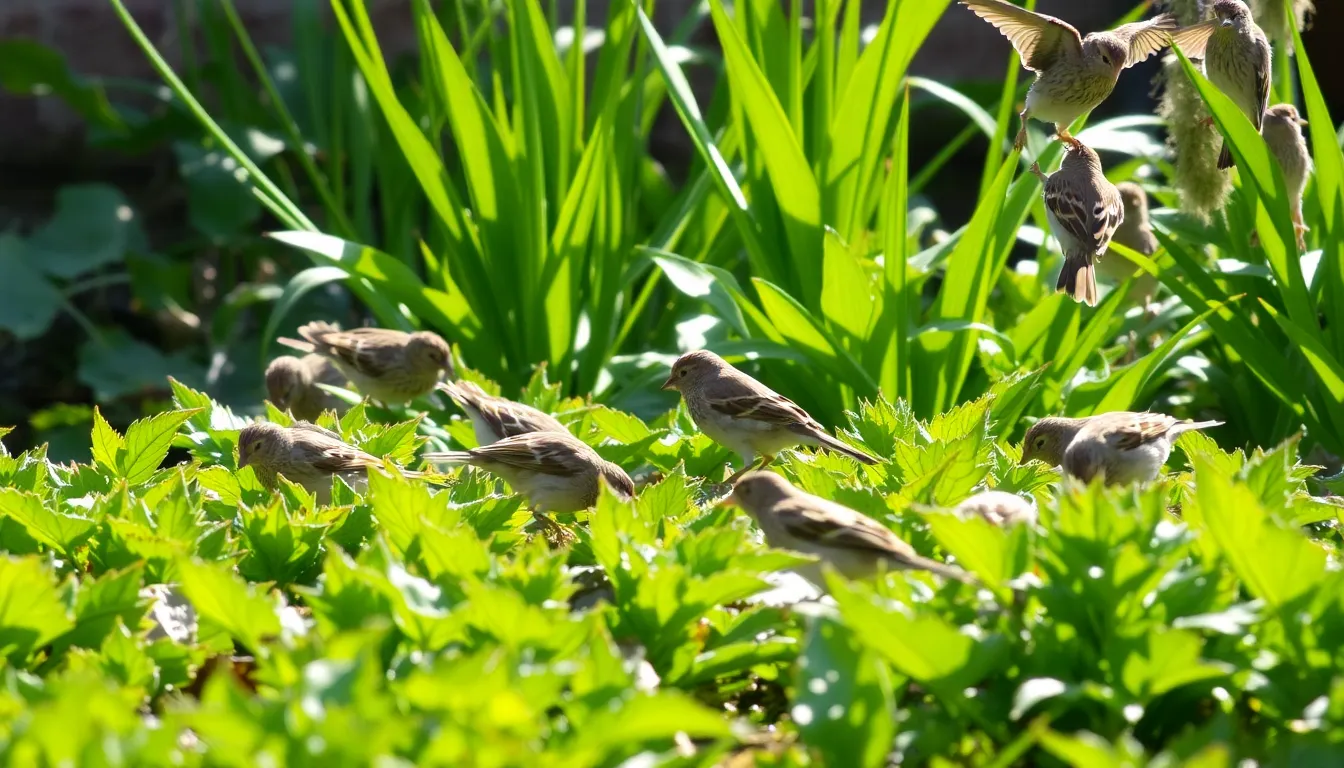
In the mid-term, the change in feeding habits may encourage a more natural balance in local ecosystems. Birds will be prompted to seek out natural food sources, which could lead to healthier populations and more resilient ecosystems. This shift may also create opportunities for local conservation initiatives aimed at preserving natural habitats and educating the public on the importance of native flora and fauna.
- Short-term risks: Reduced bird visitation may lead to decreased enjoyment for birdwatchers.
- Mid-term opportunities: Increased awareness of natural foraging behaviors can promote conservation efforts.
- Business impact: Sales of bird feeding products may decline, affecting local retailers.
Regions with a high density of garden spaces may feel the effects more acutely, as urban and suburban areas often rely on garden birds for biodiversity. Policy changes may arise as communities seek to balance human activities with wildlife needs, potentially leading to new guidelines on wildlife feeding practices.
A: Feeding birds during warmer months can disrupt their natural foraging behavior and lead to dependency on human-provided food. A: Instead of feeding, consider planting native plants that provide natural food sources and shelter for birds. A: In extreme weather conditions, such as unexpected cold snaps, providing food may be beneficial. A: You can help by providing clean water, creating nesting sites, and maintaining a bird-friendly garden. A: Signs include increased aggression among birds, fewer birds visiting your garden, and visible signs of distress.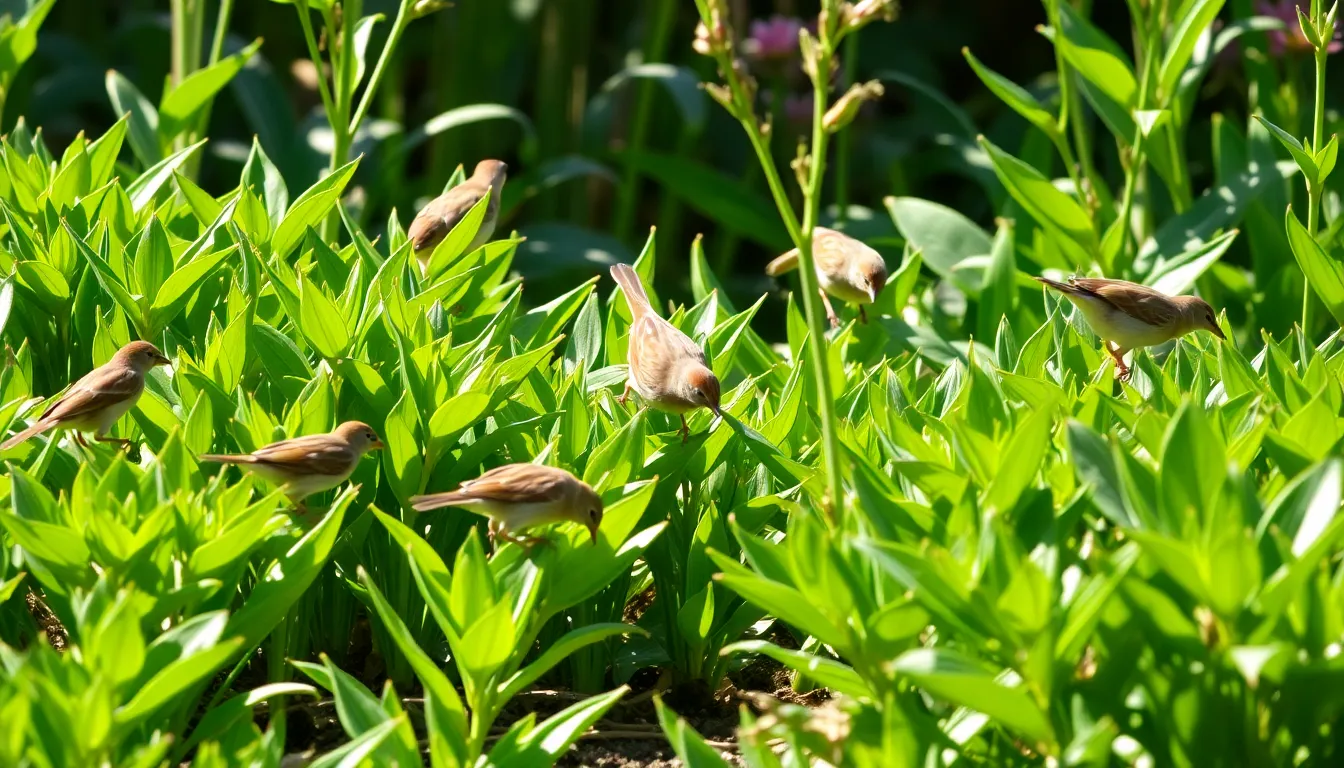
Frequently asked questions about bird feeding
Key takeaways and future considerations for bird care
As the RSPB highlights, the approach to feeding garden birds requires careful consideration, especially during the warmer months. Understanding the natural behaviors and needs of birds can lead to more effective support for their well-being. By adjusting our feeding habits, we can help foster a healthier ecosystem for these vital species.
Looking ahead, it is essential for bird enthusiasts to remain informed about the seasonal needs of wildlife. This knowledge will not only promote the health of garden birds but also enhance the overall biodiversity in our environments.
- Consider reducing or ceasing bird feeding in warmer months to encourage natural foraging behaviors.
- Monitor local bird populations and their feeding habits to better understand their needs throughout the seasons.
- Provide natural habitats and native plants to support birds’ dietary requirements during summer.
- Stay updated with RSPB guidelines and research to adapt bird care practices as needed.
- Engage with local wildlife groups to share insights and strategies for effective bird care.