
The remarks come at a time when NATO Secretary General Jens Stoltenberg held a meeting with defense ministers from member states, describing the discussions as “very frank.” Stoltenberg emphasized the importance of unity among member nations as they face various global security challenges, including tensions with Russia and the ongoing conflict in Ukraine. His comments highlight the need for a cohesive approach to defense spending and strategic planning.
Trump’s criticisms have reignited debates about the future of NATO and the United States’ role within the alliance. Some analysts argue that his rhetoric could undermine the collective defense principle that has been a cornerstone of NATO since its inception.
The implications of these tensions are significant, particularly as NATO seeks to address emerging threats in a rapidly changing geopolitical landscape. With Trump’s influence still resonating within the Republican Party, his views may shape the party’s stance on international alliances in the lead-up to the 2024 presidential election. As such, the dialogue surrounding NATO’s effectiveness and funding will remain a key issue in U.S. foreign policy debates.
Understanding the historical relationship between Trump and NATO
The North Atlantic Treaty Organization (NATO) was established in 1949 as a collective defense alliance aimed at countering the Soviet threat during the Cold War. Over the decades, NATO has evolved to address various global security challenges, but its core principle of mutual defense remains unchanged. The alliance has been a cornerstone of transatlantic relations, fostering political and military cooperation among its member states.
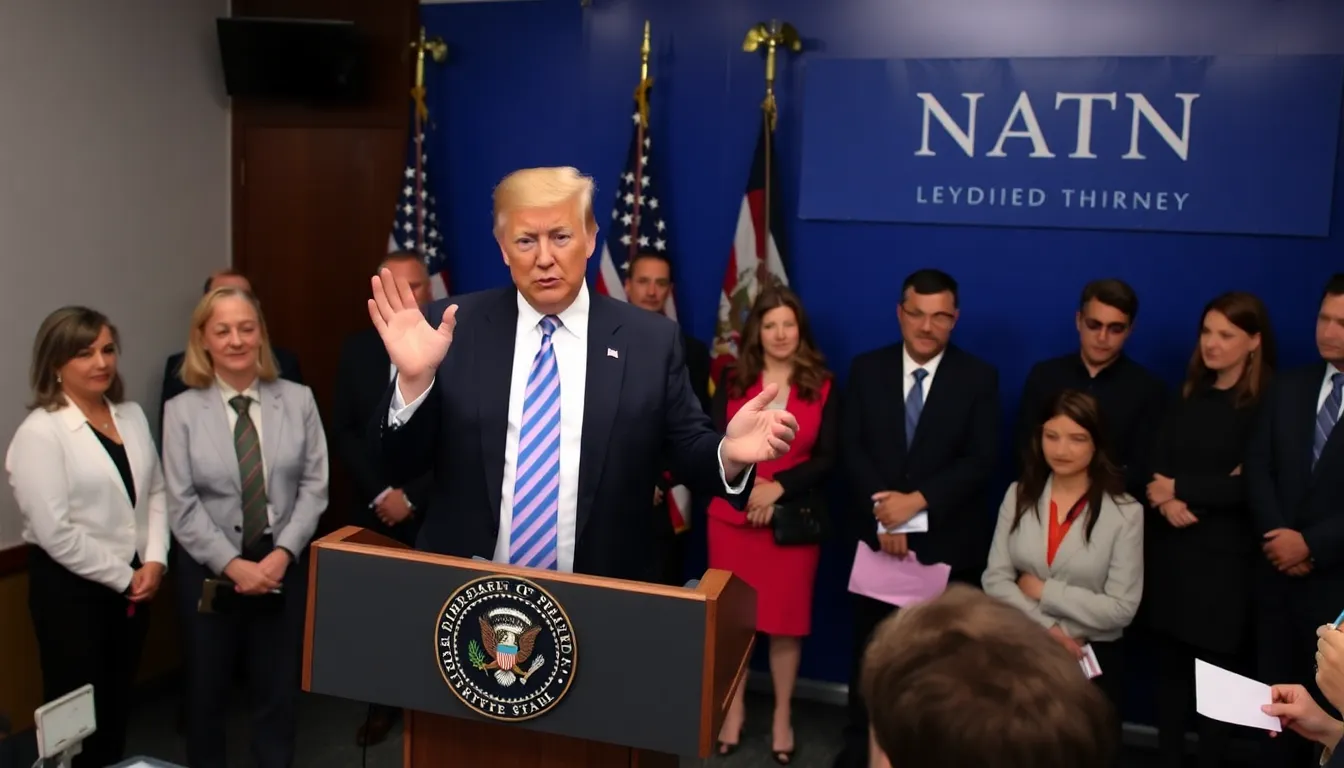
Donald Trump’s relationship with NATO has been notably contentious. During his 2016 presidential campaign, he criticized NATO members for not meeting their defense spending obligations, suggesting that the United States was shouldering an unfair burden. This rhetoric marked a significant departure from the traditional U.S. stance of supporting the alliance as a vital security framework for Europe and North America.
Throughout his presidency, Trump continued to challenge NATO’s relevance and questioned the commitment of member states to collective defense. His administration’s approach raised concerns among allies, as it signaled a potential shift in U.S. foreign policy and raised questions about the future of the alliance. Trump’s insistence on increased defense spending from European nations sparked tensions, leading to a more transactional view of international relations.
Key Milestones in Trump’s NATO Criticism
One of the pivotal moments in Trump’s NATO critique occurred during the 2018 NATO summit in Brussels, where he publicly admonished member states for their defense spending levels. His remarks were met with mixed reactions, with some allies expressing frustration while others echoed his concerns about burden-sharing.
As NATO continues to navigate complex geopolitical landscapes, Trump’s criticisms have left a lasting impact on the alliance’s dynamics. The ongoing discussions about defense spending and collective security reflect broader debates about the future of transatlantic relations and the role of NATO in addressing emerging threats.
Key stakeholders and issues surrounding NATO’s future
The ongoing dialogue within NATO has brought various stakeholders to the forefront, each with their own interests and concerns. At the center of this discussion is former U.S. President Donald Trump, whose criticism of NATO raises questions about the alliance’s cohesiveness and future direction. His stance reflects a broader skepticism towards multilateral agreements, which he argues may not serve U.S. interests effectively.
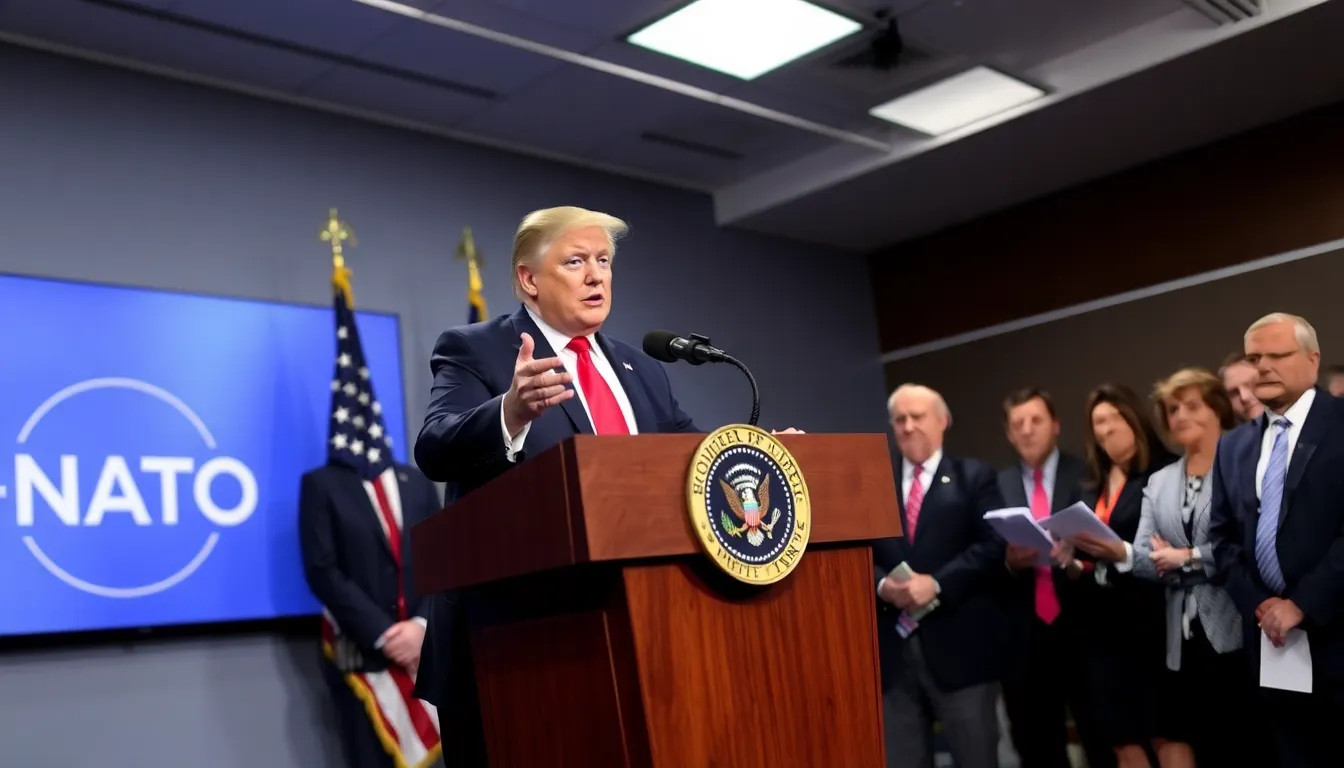
Another key actor is NATO’s Secretary-General, who recently described a meeting with member states as “very frank.” This characterization highlights the tensions within the alliance, particularly regarding defense spending and collective security obligations. The Secretary-General aims to foster unity among member nations while addressing the differing priorities and expectations of each country.
The interests of NATO member states also vary significantly. For instance, Eastern European countries, such as Poland and the Baltic states, prioritize a strong NATO presence to counter perceived threats from Russia. In contrast, Western European nations may focus more on diplomatic solutions and economic cooperation. This divergence creates a complex landscape where trade-offs must be navigated carefully.
- U.S. Interests: Emphasis on burden-sharing and questioning the value of NATO for American security.
- Eastern European Concerns: Desire for increased military support and deterrence against Russian aggression.
- Western European Perspectives: Preference for diplomatic engagement and addressing broader security challenges.
- NATO’s Cohesion: The need for a unified response to external threats while managing internal disagreements.
- Economic Implications: The potential impact of defense spending debates on member nations’ economies.
The legal framework governing NATO, including mutual defense clauses, also plays a critical role in shaping member states’ commitments. As discussions continue, the balance between national interests and collective security will be pivotal in determining NATO’s effectiveness and relevance in a rapidly changing geopolitical landscape.
Potential impacts on international relations and security
The recent criticism of NATO by former President Trump has implications for various groups, industries, and regions. Key stakeholders include NATO member countries, defense contractors, and international businesses that rely on stable geopolitical environments. The reactions from these groups will shape the future of transatlantic relations and security collaboration.
In the short term, Trump’s comments may lead to increased tensions among NATO allies, particularly in Europe. Countries that feel threatened by Russia may heighten their military readiness, resulting in a surge in defense spending. This could benefit defense contractors and military suppliers, creating new contracts and job opportunities in the sector.
In the mid-term, the potential for policy shifts could affect international trade agreements and diplomatic relations. Nations may reconsider their defense strategies, which could lead to a reallocation of resources away from civilian programs. This could impact industries such as technology and infrastructure, as funding is diverted to bolster military capabilities.
- Increased defense spending: Potential boost for defense contractors and military suppliers.
- Strained diplomatic relations: Possible disruptions in trade agreements and alliances.
- Heightened security measures: Increased military readiness among NATO countries.
While risks are present, opportunities may arise for businesses involved in defense technology and cybersecurity. As nations prioritize their security, companies that innovate in these fields could see significant growth. Additionally, firms that can navigate the shifting political landscape may find new markets and partnerships, fostering resilience in a changing global economy.
A: Trump criticized NATO for not meeting defense spending commitments and suggested that the alliance is outdated. His comments reflect ongoing tensions regarding member contributions. A: The NATO chief described the meeting with Trump as very frank, indicating that there were open discussions about the alliance’s challenges and future direction. A: Trump’s criticisms could lead to increased pressure on NATO members to boost defense spending, potentially reshaping the alliance’s structure and priorities. A: NATO has consistently emphasized the importance of collective defense and has worked to address member concerns about spending and contributions. A: Relations are complex, with ongoing debates about funding and strategic priorities, especially in light of differing views among U.S. political leaders.
Frequently asked questions about Trump’s NATO comments
Key takeaways and future outlook on NATO relations
The recent criticisms from former President Trump regarding NATO highlight a significant tension within the alliance, particularly as its leadership seeks to maintain unity in the face of evolving global threats. The frank discussions during the meeting suggest a recognition of the challenges faced by NATO, as well as the necessity for member states to reassess their commitments and contributions to collective defense.
As NATO navigates these complexities, the implications for transatlantic relations and defense strategies are profound. Stakeholders should remain vigilant to the potential shifts in policy and the impact these may have on international security dynamics.
- Monitor NATO’s response to Trump’s criticisms and any adjustments in its strategic priorities.
- Watch for changes in member states’ defense spending and military readiness as a result of internal pressures.
- Consider the potential for increased bilateral agreements among member states in response to perceived weaknesses in the alliance.
- Observe public sentiment in the U.S. regarding NATO, as it may influence future administrations’ foreign policy approaches.
- Evaluate how NATO’s cohesion is affected by external threats, particularly from adversarial nations seeking to exploit divisions.