
Recent studies indicate that approximately 25% of female athletes and around 10% of male athletes report experiencing some form of incontinence during physical activity, which is often influenced by factors such as pelvic health. This condition can be exacerbated by high-impact sports, where the physical demands may increase the likelihood of leakage. Events such as the Tokyo 2020 Olympics brought attention to these challenges, as athletes shared their personal struggles in hopes of raising awareness.
Sports organizations are beginning to recognize the importance of addressing this issue, with some implementing educational programs and resources for athletes. Initiatives aimed at promoting pelvic health and providing access to medical advice are being developed to support those affected, which aligns with the growing conversation around health advocacy. The conversation around incontinence in sports is gradually shifting, encouraging athletes to seek help without fear of judgment.
As the sports community continues to evolve, the need for greater understanding and support for athletes facing incontinence is crucial. By fostering an environment where athletes can discuss their experiences openly, the stigma can be reduced, allowing for better management of the condition. This shift not only benefits individual athletes but also enhances the overall integrity of competitive sports, emphasizing the importance of addressing health issues effectively.
Understanding the prevalence of incontinence in sports
Incontinence, a condition that affects millions globally, is often overlooked in the context of sports. Historically, discussions around athletic performance have predominantly focused on physical strength and endurance, leaving issues like incontinence shrouded in stigma and silence. This oversight has significant implications for athletes, particularly women, who may face unique challenges related to pelvic health.
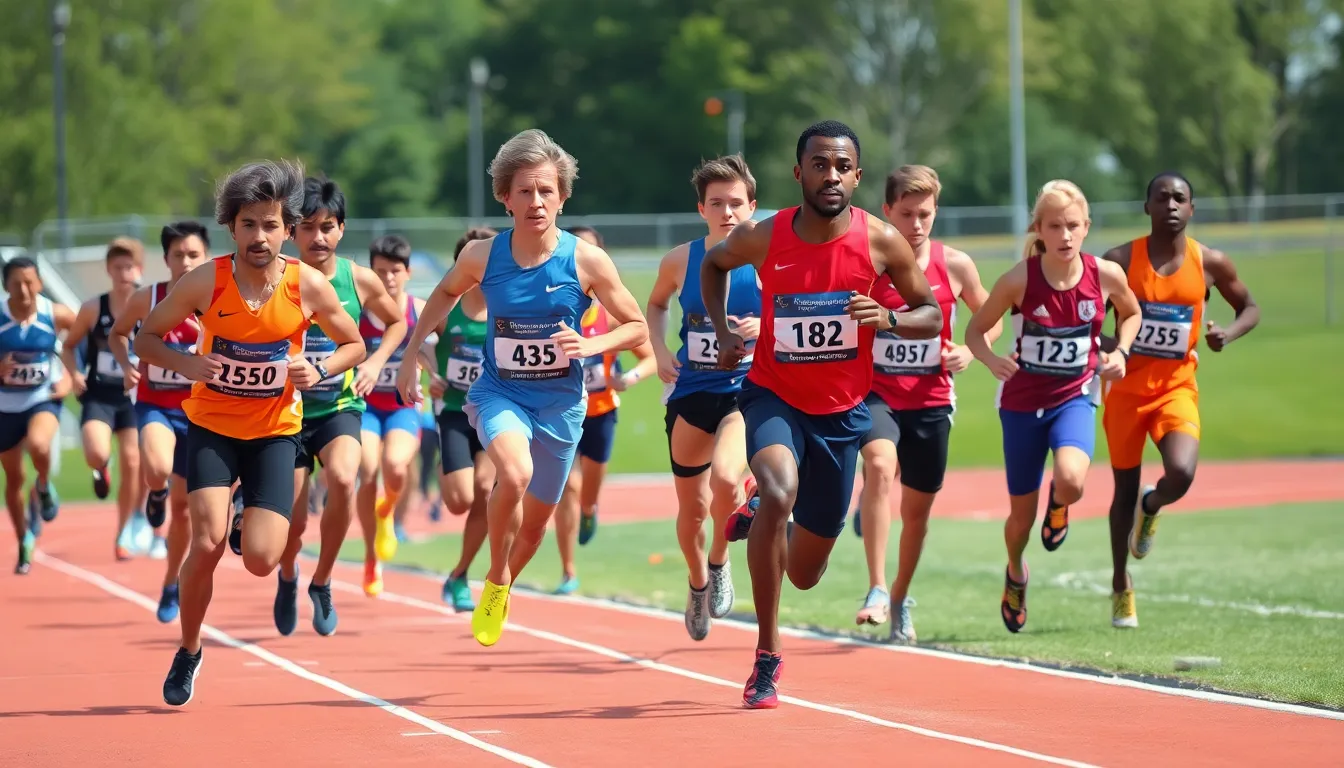
The roots of incontinence in sports can be traced back to societal attitudes towards women’s health. For decades, women’s sports were marginalized, and health concerns specific to female athletes were often dismissed or not adequately addressed. This lack of attention can be attributed to a broader cultural tendency to prioritize male experiences in athletics, which has led to insufficient research and support for female athletes dealing with incontinence.
The impact of physical activity on pelvic health
Engaging in high-impact sports can exacerbate incontinence issues, particularly for women who may have experienced childbirth or other pelvic floor stressors. Studies indicate that the prevalence of urinary incontinence can be as high as 50% among female athletes, especially in sports that involve jumping or heavy lifting. This alarming statistic reflects a growing need for awareness and resources to support athletes facing these challenges.
Recent milestones in the conversation around incontinence in sports include increased advocacy for pelvic health education and the development of targeted interventions. Organizations and healthcare professionals are beginning to recognize the importance of addressing incontinence not only as a medical issue but as a significant barrier to participation and performance in sports. This shift is crucial for fostering an inclusive environment that encourages all athletes to compete without fear of embarrassment or physical limitation.
As awareness grows, the narrative surrounding incontinence in sports is slowly changing. Athletes are beginning to speak out about their experiences, breaking the stigma and advocating for better support systems. This cultural shift is essential for ensuring that incontinence is recognized as a legitimate concern that warrants attention and action within the sporting community.
Key stakeholders and their perspectives on incontinence issues
Incontinence problems, particularly among athletes, have garnered attention from various stakeholders, each with their own interests and concerns. These include athletes themselves, healthcare providers, sports organizations, and advocacy groups. Understanding the perspectives of these actors is essential to navigating the complex landscape of incontinence in competitive environments.
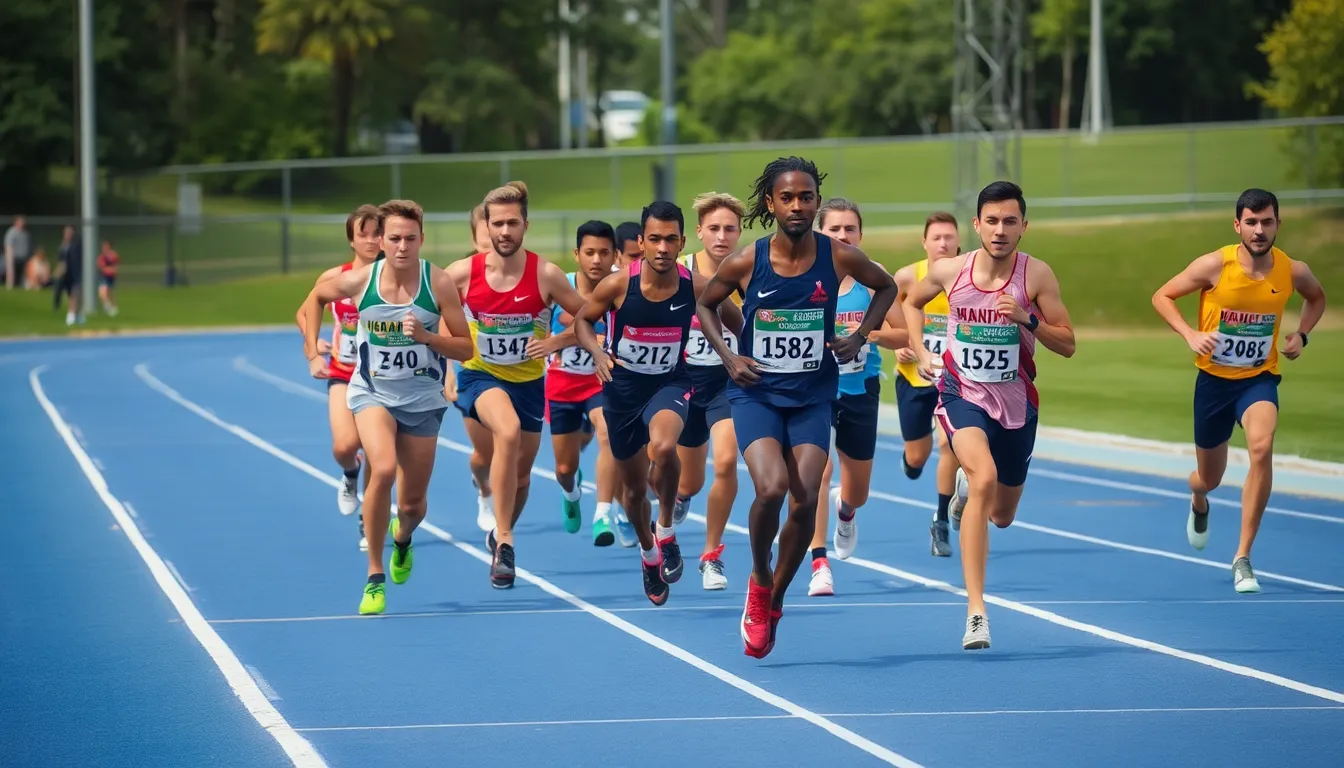
Athletes facing incontinence issues often struggle with the stigma associated with the condition, which can hinder their performance and mental well-being. Many athletes express a desire for more supportive environments that acknowledge their struggles and provide adequate resources. This includes access to specialized medical care and products that can help them manage their condition while competing.
Healthcare providers play a crucial role in addressing incontinence problems among athletes. Their interests lie in promoting awareness and developing effective treatment options. They advocate for research into the causes of incontinence, particularly in younger populations, and emphasize the importance of tailored interventions that consider the unique demands of competitive sports.
- Sports organizations are increasingly recognizing the need to create inclusive policies that address the challenges faced by athletes with incontinence. This may involve revising guidelines to ensure that all athletes can compete without fear of discrimination or embarrassment.
- Advocacy groups work to raise awareness about incontinence issues, pushing for greater visibility and understanding within the sports community. They aim to destigmatize the condition and promote dialogue among stakeholders to foster a more supportive environment.
- Legal considerations also come into play, particularly regarding athletes’ rights and protections against discrimination. Ensuring that athletes with incontinence are treated fairly in competitions is a key legal issue that stakeholders must navigate.
Overall, the interplay between these stakeholders highlights the need for a collaborative approach to address the multifaceted challenges of incontinence in sports. Balancing the interests of athletes, healthcare providers, sports organizations, and advocacy groups is essential for fostering an environment where all competitors can thrive, regardless of their health challenges.
The effects of incontinence on athletes’ performance and mental health
Incontinence issues can significantly affect various groups, particularly athletes who rely on physical performance and mental focus to compete at high levels. This condition is not only limited to professional sports but also impacts amateur athletes, coaches, and teams across different sports disciplines. Regions with limited access to healthcare resources may see a higher prevalence of these issues, exacerbating the challenges faced by athletes.
The short-term impacts on daily life for affected athletes include increased anxiety and stress during competitions, leading to decreased performance. The fear of leakage can deter athletes from participating in events, limiting their opportunities for competition and sponsorships. Additionally, the stigma surrounding incontinence can lead to social isolation, affecting mental health and overall well-being.
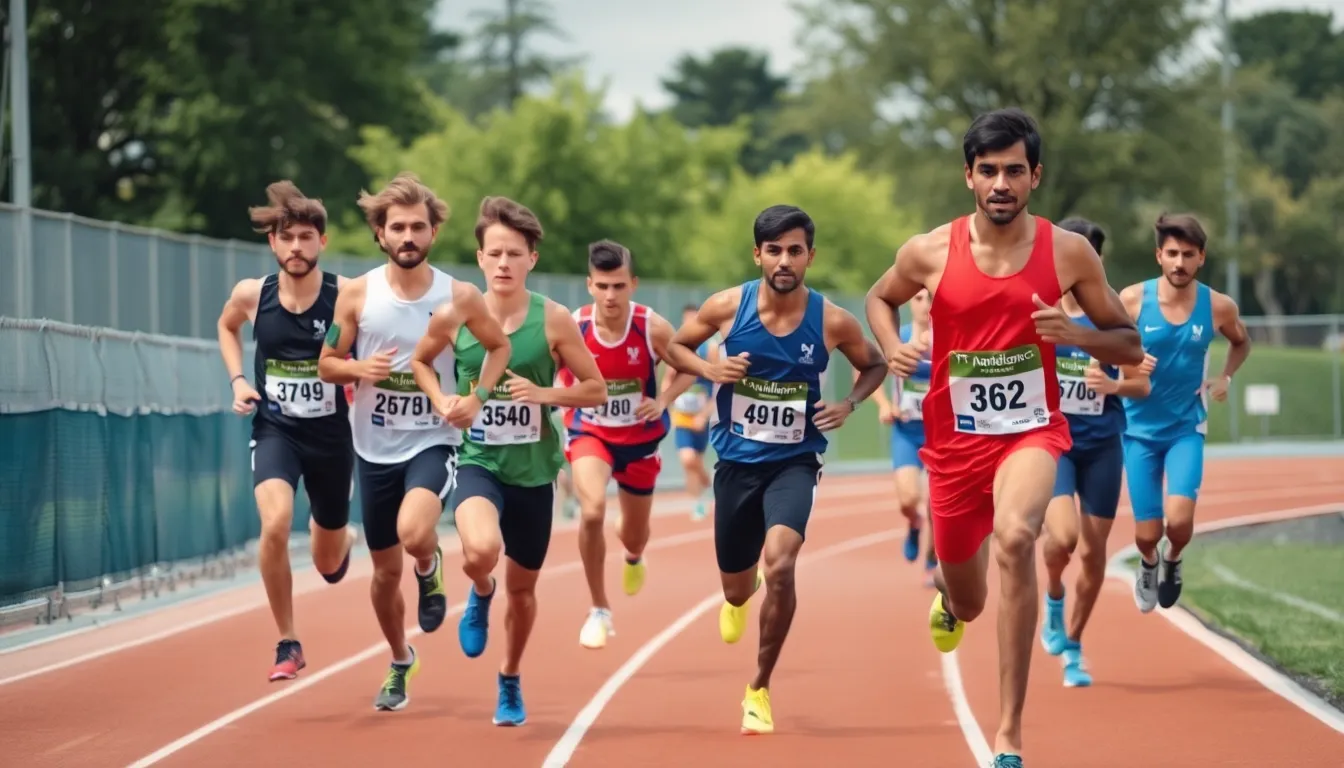
In the mid-term, businesses and organizations within the sports industry may need to adapt their policies to accommodate athletes facing incontinence challenges. This could include providing more accessible facilities, offering specialized support services, or even developing innovative products tailored to this demographic. The demand for such solutions may create opportunities for companies in the healthcare and sportswear industries.
- Increased awareness and advocacy for incontinence issues in sports.
- Potential growth in market for specialized products and services.
- Opportunities for partnerships between healthcare providers and sports organizations.
While the risks associated with incontinence can hinder athletes’ performance and mental health, addressing these challenges can lead to a more inclusive sporting environment. By recognizing the needs of affected individuals, the sports community can foster resilience and innovation, ultimately benefiting both athletes and the industry as a whole.
A: Incontinence in athletes can be caused by various factors, including high-impact activities, pelvic floor dysfunction, and underlying medical conditions. It is important for athletes to consult healthcare professionals for proper diagnosis and management. A: Incontinence is more common than many realize, affecting both men and women across various sports. Studies suggest that a significant percentage of athletes experience some form of urinary leakage during competition. A: Athletes can manage incontinence through pelvic floor exercises, lifestyle changes, and in some cases, medical interventions. Consulting with a specialist can provide tailored strategies for managing symptoms. A: Yes, there are various products designed to assist athletes with incontinence, including absorbent pads and specialized undergarments. These products can help athletes feel more confident during competitions. A: Sports organizations can support athletes by raising awareness, providing resources for education, and creating a more inclusive environment where athletes feel comfortable discussing their challenges.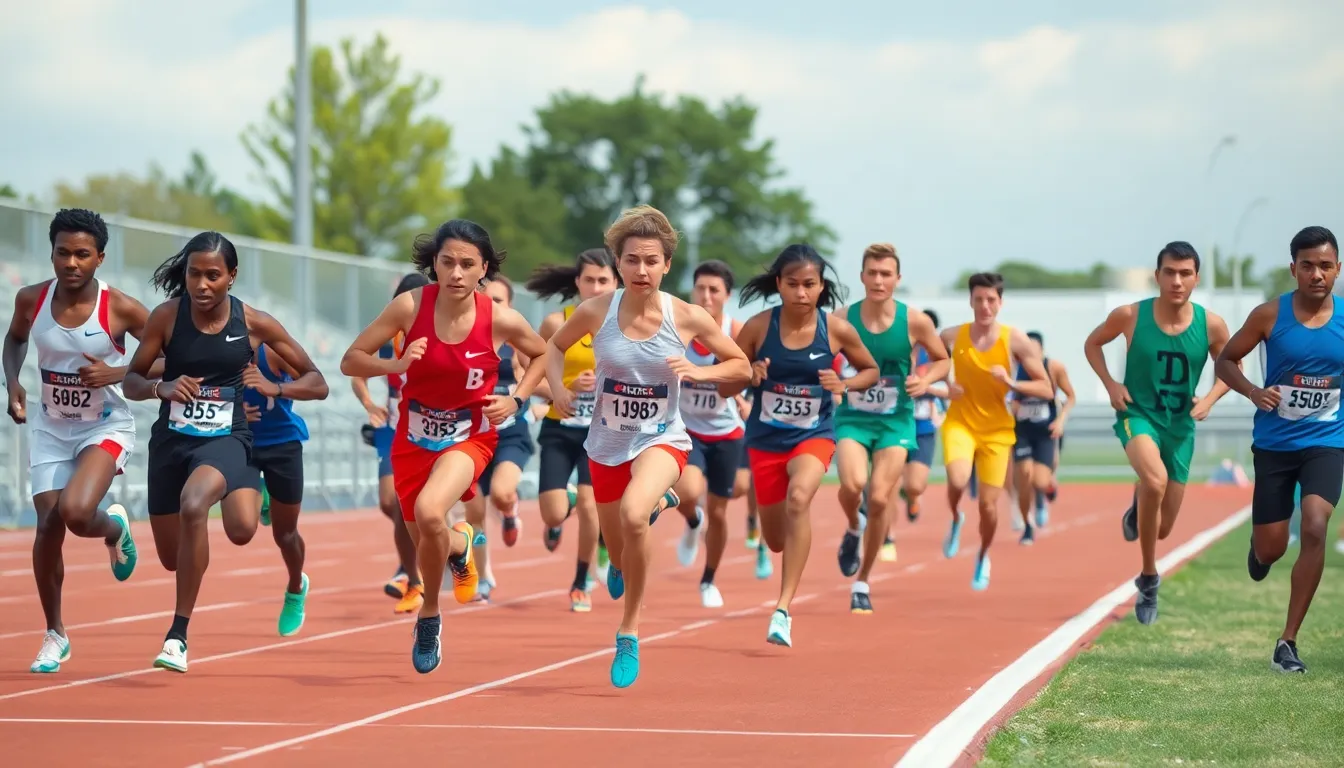
Frequently asked questions about incontinence in sports
Looking ahead: addressing incontinence in athletic communities
The challenges faced by athletes dealing with incontinence highlight a pressing need for greater awareness and support within the sporting community. As more individuals share their experiences, it becomes evident that this issue transcends age, gender, and level of competition. Addressing these concerns not only fosters inclusivity but also promotes overall well-being among athletes.
Moving forward, it is essential for sports organizations, coaches, and healthcare providers to collaborate in creating environments that prioritize the health and comfort of all participants. By implementing educational programs and providing accessible resources, the athletic community can ensure that no one has to choose between their passion for sport and their physical health.
- Increased Awareness: Encourage open discussions about incontinence to reduce stigma and promote understanding within athletic circles.
- Support Systems: Develop support networks for athletes experiencing incontinence, including access to medical professionals and mental health resources.
- Innovative Solutions: Invest in research and development of products and strategies that can help manage incontinence effectively during competition.
- Inclusive Policies: Advocate for policies within sports organizations that acknowledge and support athletes with incontinence, ensuring their participation is not hindered.