
The Strait of Hormuz, through which approximately 20% of the world’s oil passes, has been a focal point of geopolitical tensions, particularly involving Iran and its neighboring countries. As of mid-October 2023, the region has seen increased military activity and rhetoric, which has contributed to fears of supply chain disruptions. In light of these developments, oil markets are reacting swiftly, with prices climbing to levels not seen in several months, echoing concerns similar to those seen in the airline industry.
On October 15, 2023, the price of Brent crude oil reached $95 per barrel, reflecting market anxiety over the potential for conflict in the region. Analysts are closely monitoring the situation, as any prolonged closure of the Strait could have significant ramifications not only for oil prices but also for global economic stability. The interplay between regional security and oil supply remains a critical issue for both producers and consumers alike.
In addition to the immediate impacts on crude prices, the situation underscores the vulnerability of global energy infrastructure. Many countries rely heavily on oil imports from the Gulf region, making the stability of the Strait of Hormuz a vital concern for energy security. As stakeholders in the oil market assess the implications, the focus remains on diplomatic efforts to de-escalate tensions and ensure safe passage through this strategic maritime route.
Understanding the significance of the Strait of Hormuz in global oil trade
The Strait of Hormuz, a narrow waterway located between Oman and Iran, serves as a crucial passage for global oil shipments. Approximately 20% of the world’s oil supply transits through this strait, making it a key focal point in international energy security. The geopolitical importance of this region has been underscored by various historical events, including conflicts and diplomatic tensions that have shaped the current landscape of oil trade.

Historically, the Strait of Hormuz has been a flashpoint for conflict, particularly during the Iran-Iraq War in the 1980s, when both countries targeted oil tankers in the region. This led to international naval responses to ensure the safe passage of oil. More recently, tensions have escalated due to Iran’s nuclear ambitions and its perceived threats to disrupt shipping lanes, prompting concerns among oil-importing nations about the reliability of their energy supplies.
In the context of rising crude prices, the remarks from Abu Dhabi’s oil chief regarding the Strait not being open highlight the ongoing anxieties surrounding oil supply disruptions. With geopolitical tensions rising, particularly involving Iran and its neighbors, the potential for conflict in this vital corridor raises alarm bells for markets already sensitive to supply chain vulnerabilities.
Key Milestones in Strait of Hormuz Security
Several key milestones have marked the security landscape of the Strait of Hormuz. The 2008 increase in U.S. naval presence aimed at ensuring freedom of navigation was a direct response to Iran’s aggressive posturing. Additionally, sanctions imposed on Iran in the past decade have further complicated the situation, as they have led to increased military activity in the area by various nations seeking to protect their interests. These developments have created an environment of uncertainty that continues to influence crude oil prices and global markets.
Key stakeholders and issues surrounding the Strait of Hormuz closure
The Strait of Hormuz is a critical maritime passage for global oil shipments, making its accessibility a matter of significant interest for various stakeholders. The main actors involved include the governments of Iran, the United Arab Emirates (UAE), and major oil-importing nations such as the United States and China. Each of these entities has distinct interests that shape their responses to the ongoing situation.
Iran, which borders the Strait, seeks to maintain control over this vital shipping lane as a means of asserting its regional influence and protecting its economic interests, particularly amidst sanctions that limit its oil exports. Conversely, the UAE, represented by its oil chief, is focused on ensuring the safe passage of its crude oil exports, which are crucial for its economy. The rising crude prices reflect the tension and uncertainty surrounding the Strait, amplifying the stakes for both countries.

In addition to national interests, international oil companies and global markets are also key stakeholders. They are concerned about the stability of oil supply and pricing, which can be affected by geopolitical conflicts in the region. The potential for disrupted shipping routes raises significant economic implications, not only for oil-exporting nations but also for economies reliant on imported oil.
- Geopolitical Tensions: The ongoing tensions between Iran and the UAE could escalate, leading to potential military confrontations that threaten shipping security.
- Economic Impacts: Rising crude prices can lead to inflationary pressures worldwide, affecting consumers and industries dependent on oil.
- Legal Issues: The enforcement of maritime laws and international agreements regarding freedom of navigation may come under scrutiny, particularly if military actions are taken.
- Energy Transition: The situation may influence global energy policies, pushing nations to reconsider their reliance on oil and accelerate investment in alternative energy sources.
- Market Volatility: Fluctuations in oil prices can lead to instability in financial markets, affecting investments and economic forecasts.
As the situation develops, the interplay between these stakeholders will be crucial in shaping the future of the Strait of Hormuz and global oil markets. The conflicting interests and potential for escalation underscore the complexity of the challenges at hand.
Potential impacts on global oil markets and consumers
The closure of the Strait of Hormuz, as indicated by Abu Dhabi’s oil chief, significantly affects various groups and industries worldwide. This critical waterway is responsible for a substantial portion of the world’s oil supply, making its accessibility vital for energy markets. Key stakeholders include oil-exporting nations, energy companies, and consumers who rely on stable fuel prices.
In the short term, rising crude prices can lead to increased costs for consumers, impacting daily life as gasoline and heating oil prices surge. Industries heavily reliant on oil, such as transportation, manufacturing, and agriculture, may face higher operational costs, leading to potential price hikes for goods and services. This could result in inflationary pressures, affecting household budgets and overall economic stability.
Mid-term impacts may include shifts in energy policy as countries seek to diversify their energy sources and reduce dependence on oil from the region. Governments may invest more in renewable energy technologies or alternative fuel sources. Additionally, businesses may explore new supply chains and logistics strategies to mitigate risks associated with oil price volatility.

- Increased fuel prices affecting consumers and businesses.
- Potential inflationary pressures on the economy.
- Shifts in energy policy towards diversification and renewables.
- Opportunities for alternative energy investments.
While the situation poses significant risks, it also opens up potential opportunities for innovation in energy solutions. Companies focusing on renewable energy and energy efficiency technologies may find a favorable market environment as demand for alternatives grows. Moreover, nations may strengthen their geopolitical alliances by collaborating on energy security, leading to new partnerships and investments.
A: The Strait of Hormuz is a critical chokepoint for oil shipments, with approximately 20% of the world’s oil passing through it. Its closure can significantly disrupt global oil supply. A: The closure is often due to geopolitical tensions, military conflicts, or security concerns that threaten shipping routes in the region. A: Rising crude prices typically lead to higher gasoline and energy prices for consumers, impacting transportation costs and overall inflation. A: Countries may seek alternative shipping routes, increase oil reserves, or explore diplomatic solutions to ensure the safe passage of oil supplies. A: Oil-producing countries may experience fluctuations in revenue and economic stability, depending on their reliance on exports through the Strait.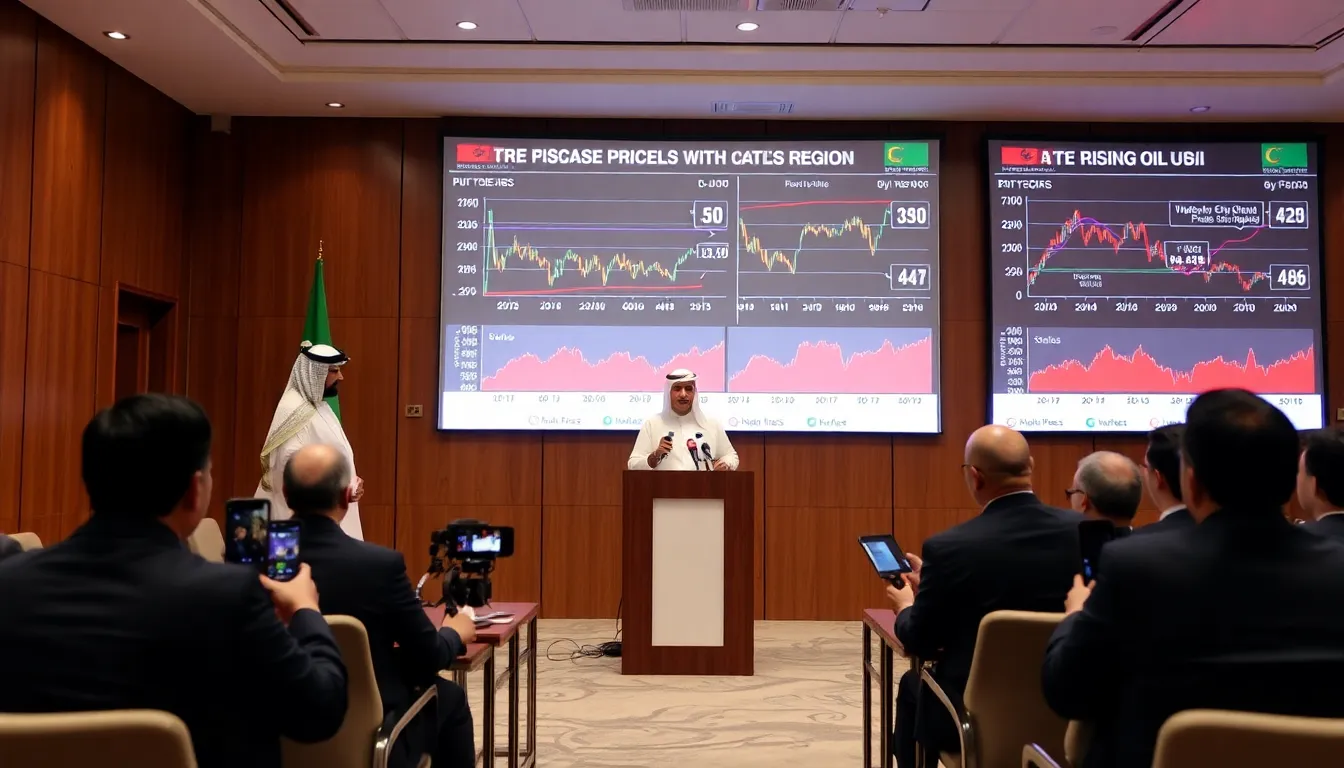
Frequently asked questions about the Strait of Hormuz situation
Summary of key points and future outlook on crude oil prices
The recent statements from Abu Dhabi’s oil chief regarding the closure of the Strait of Hormuz highlight a significant geopolitical concern that could further impact global crude oil prices. As tensions in the region escalate, the implications for oil supply and pricing are becoming increasingly pronounced. With the strait being a critical chokepoint for oil transportation, any disruption could lead to heightened volatility in the market.
Investors and stakeholders in the energy sector should closely monitor developments in the region, as the interplay between geopolitical stability and oil supply dynamics will be crucial in shaping future price trends. The potential for supply constraints, coupled with rising demand, suggests a complex landscape ahead for crude oil markets.
- Watch for further developments in the Strait of Hormuz, as any escalation could lead to significant disruptions in oil supply.
- Monitor global crude oil inventory levels, which may provide insights into how markets are responding to current geopolitical tensions.
- Keep an eye on OPEC’s production decisions, as they will play a pivotal role in balancing supply and demand amid rising prices.
- Consider the impact of alternative energy sources and policies aimed at reducing dependence on oil, which may influence long-term price stability.
- Stay informed about international diplomatic efforts aimed at de-escalating tensions in the region, as these could affect market sentiment and oil prices.