
Key players in the seafood industry, including major suppliers from Canada and the United States, have capitalized on this trend, establishing stronger trade ties with Chinese distributors. Notably, a trade agreement signed in late 2022 has facilitated smoother import processes, allowing for a more consistent supply of lobsters to meet the burgeoning appetite of Chinese consumers. For insights into the challenges businesses face in gaining visibility in the market, you can read about it here.
The growing lobster market in China is not just a culinary phenomenon; it reflects broader economic ambitions. As Beijing seeks to enhance its global economic influence, the seafood trade serves as a strategic avenue for fostering international relationships. The increased consumption of lobsters showcases China’s willingness to engage with global markets, positioning itself as a key player in the international seafood industry.
However, this rising demand also raises concerns regarding sustainability and overfishing. Environmental groups have warned that the rapid increase in lobster consumption could lead to depletion of lobster populations in certain regions. As China continues to expand its culinary horizons, balancing economic growth with environmental stewardship will be crucial for maintaining the long-term viability of this lucrative market.
The historical context of China’s seafood consumption
China has a long-standing tradition of seafood consumption, deeply rooted in its coastal geography and cultural practices. Historically, fishing has been a vital source of sustenance for many coastal communities, with seafood being integrated into the culinary repertoire of various regions. The evolution of China’s seafood industry reflects both its rich maritime heritage and the changing economic landscape over the decades.
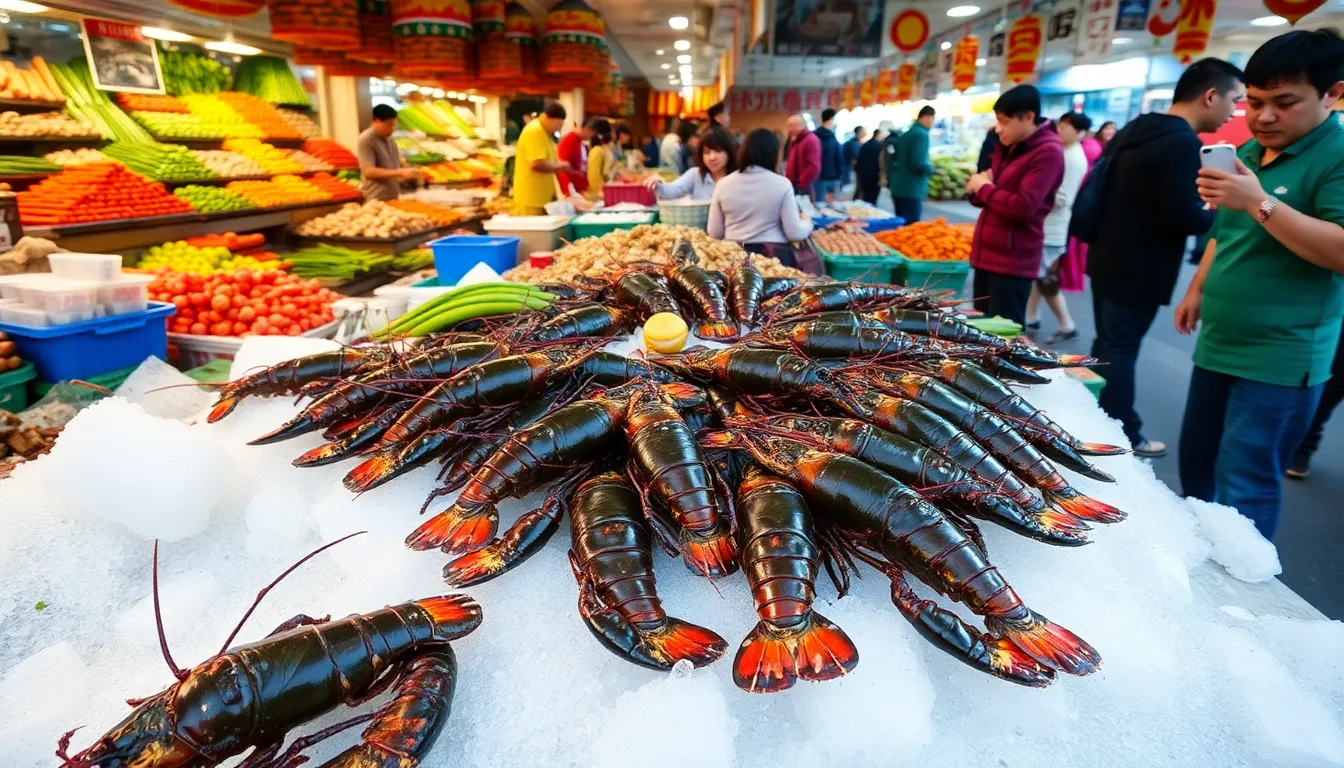
In the late 20th century, China’s economic reforms initiated by Deng Xiaoping marked a significant turning point for the country’s seafood industry. As China opened its markets, the demand for seafood surged, driven by urbanization and rising disposable incomes. This period saw the expansion of aquaculture, positioning China as the world’s largest producer and consumer of seafood. Lobster, in particular, gained popularity as a luxury item among the burgeoning middle class.
The rise of lobster as a luxury commodity
Lobster’s ascent in China can be traced back to the early 2000s when it began to symbolize wealth and status. As international trade flourished, imports of live lobsters, especially from North America, increased dramatically. The lobster became a staple in high-end restaurants and banquets, often associated with celebrations and significant life events. This trend was further fueled by social media, where images of lavish lobster dishes became a symbol of affluence.
However, the Chinese government’s approach to seafood consumption has not been without challenges. Environmental concerns, overfishing, and sustainability issues have prompted regulatory changes aimed at balancing economic growth with ecological preservation. These factors have influenced consumer behavior and market dynamics, leading to a more cautious approach to seafood sourcing in recent years. As these complexities unfold, understanding the interplay between economic strategies and environmental stewardship becomes essential, akin to the discussions surrounding Meryl Streep’s critiques in the realm of public perception, as seen here.
Today, as China continues to navigate its ambitions on the global stage, the interplay between luxury consumption, environmental responsibility, and economic strategy remains a critical aspect of its seafood industry. The fascination with lobster serves as a microcosm of broader societal trends, reflecting the complexities of modern China as it seeks to assert its influence while grappling with the implications of its consumption patterns.
Key stakeholders in the lobster trade and their interests
The lobster trade involves a complex web of stakeholders, each with distinct interests that can lead to both collaboration and conflict. Among the primary actors are the Chinese government, local fishermen, international exporters, environmental organizations, and consumers. Understanding their motivations is essential to grasping the broader implications of China’s increasing appetite for lobster.
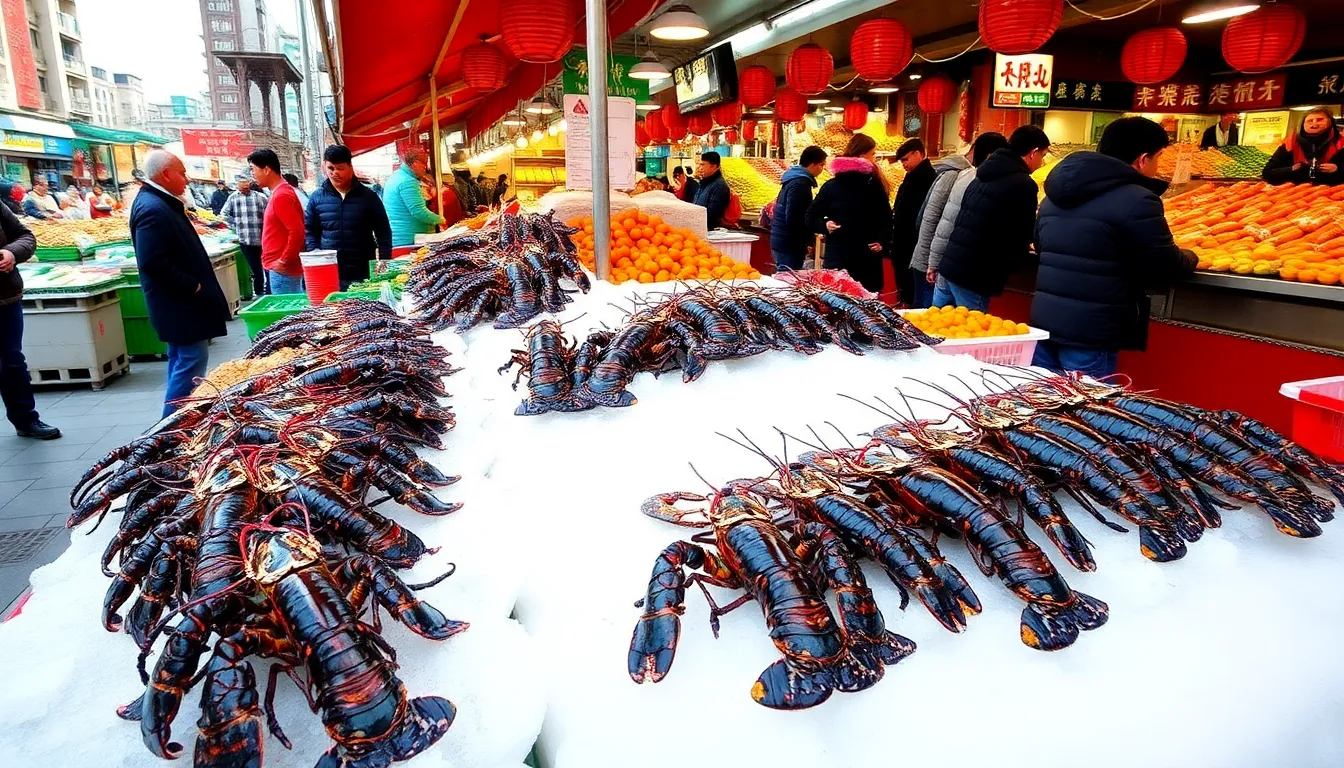
The Chinese government seeks to bolster its economy through the importation of luxury goods, including lobsters, which are viewed as symbols of wealth and status. By promoting the lobster trade, Beijing aims to enhance its global trade relationships and support local industries involved in seafood distribution. However, this ambition can lead to tensions with local fishermen who may face competition from imported products.
Local fishermen, particularly in regions known for lobster fishing, have a vested interest in maintaining sustainable practices and protecting their livelihoods. They often express concerns about overfishing and the impact of foreign competition on their income. The balance between economic growth and environmental sustainability becomes a crucial issue, as fishermen advocate for regulations that protect their interests. This situation mirrors broader economic moves, like the recent $64 billion takeover proposal in the music industry, which you can explore here.
- International exporters: They play a vital role in supplying lobsters to China, driven by profit motives and market demand.
- Environmental organizations: These groups focus on the ecological impact of lobster fishing and advocate for sustainable practices to prevent depletion of marine resources.
- Consumers: Chinese consumers are increasingly interested in high-quality seafood, influencing market trends and demand for lobsters.
Conflicts may arise as the interests of these stakeholders collide. For instance, while the Chinese government promotes lobster imports to stimulate the economy, local fishermen may resist policies that favor foreign suppliers. Additionally, environmental organizations may push for stricter regulations that could limit fishing quotas, further complicating the dynamics between economic growth and sustainability.
The economic and cultural impact of lobster imports on China
The surge in lobster imports to China has far-reaching implications for various groups and industries. Seafood distributors, restaurants, and consumers are at the forefront of this trend, as the demand for premium seafood experiences rises among the affluent middle class. This shift not only alters consumer preferences but also reshapes the culinary landscape across major cities.
In the short term, the influx of lobsters has led to increased competition among seafood vendors, driving prices up and making high-quality seafood more accessible to a broader audience. Restaurants that adapt their menus to include lobster dishes are likely to attract more customers, boosting their revenues. However, this rapid change also poses risks, such as potential supply chain disruptions and fluctuations in prices that could affect both consumers and businesses.
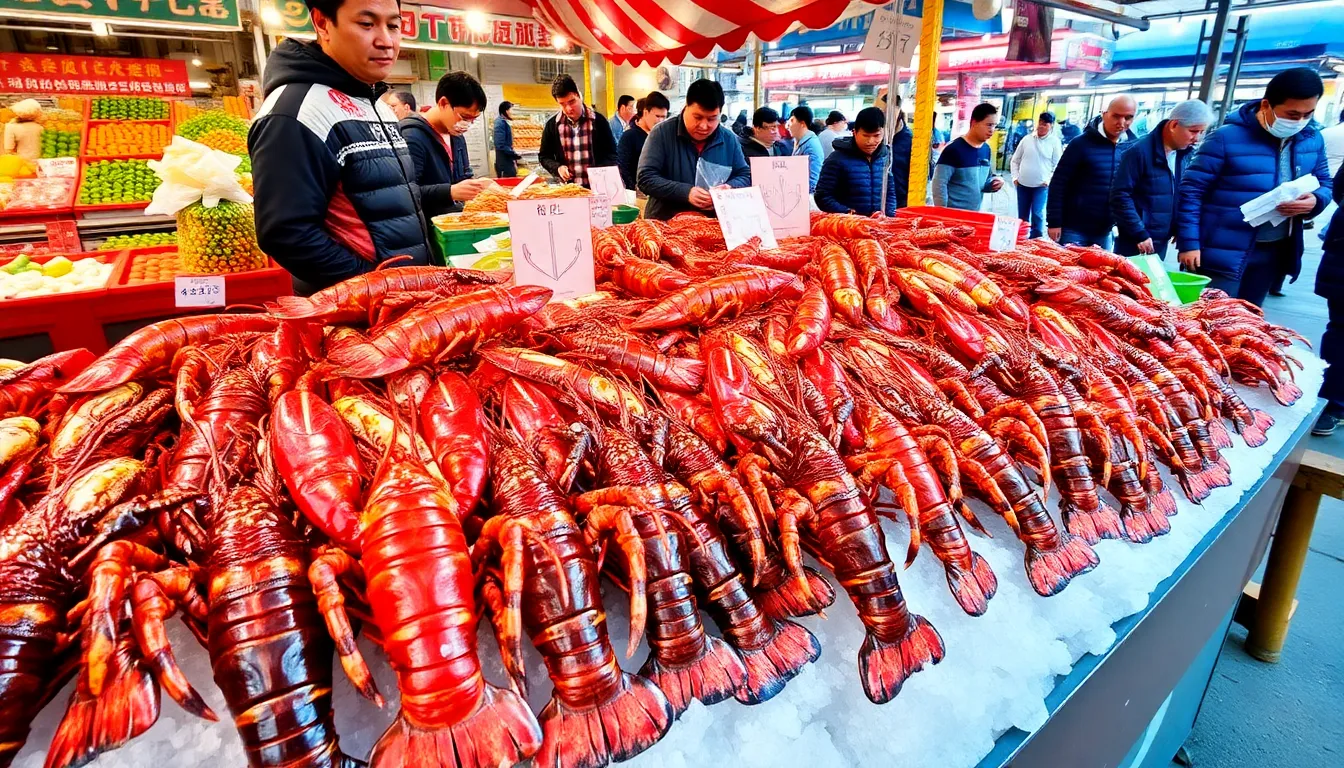
Mid-term impacts may include a shift in fishing practices and regulations as local fisheries adapt to the new market demands. Traditional seafood markets may face challenges as consumers gravitate towards imported lobsters, raising concerns about sustainability and the preservation of local fishing communities. Policymakers may need to address these issues by implementing new regulations to balance import practices with the health of local ecosystems.
- Consumer Impact: Increased access to diverse seafood options, enhancing dining experiences.
- Business Opportunities: Growth for seafood restaurants and distributors catering to new tastes.
- Market Risks: Price volatility and supply chain vulnerabilities could affect availability.
- Policy Changes: Potential new regulations to protect local fisheries and promote sustainable practices.
As China embraces this culinary trend, the cultural significance of lobster is also evolving, symbolizing luxury and status. This transformation reflects broader economic ambitions, as the nation seeks to position itself as a key player in the global seafood market. The interplay between tradition and modern consumerism will continue to shape the future of food in China, creating both challenges and opportunities for various stakeholders.
A: China’s lobster imports have surged due to rising consumer demand and a growing middle class that seeks luxury seafood experiences. A: AI technology is being utilized to optimize supply chains, predict market trends, and enhance customer engagement in the seafood sector. A: The primary sources of lobsters for China include countries like Canada and the United States, which export significant quantities to meet demand. A: The lobster trade can significantly boost local economies by creating jobs in fishing, processing, and distribution sectors. A: Lobsters are often viewed as a luxury item in China, symbolizing wealth and status, which contributes to their popularity in dining.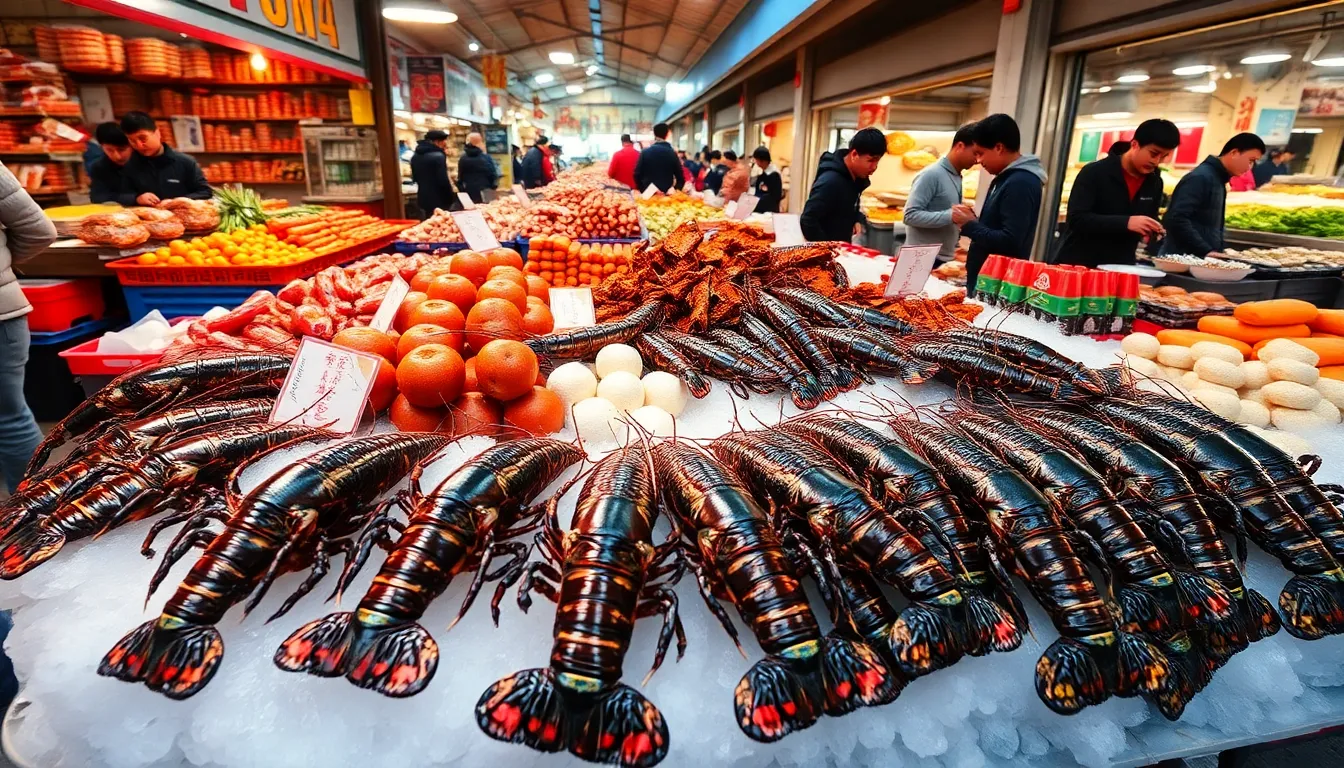
Frequently asked questions about China’s lobster market
Key insights and future outlook on China’s seafood ambitions
The recent fascination of China with lobsters highlights a significant shift in the country’s seafood consumption patterns and its broader ambitions in the global market. As Beijing continues to explore new avenues for economic growth and international influence, the seafood industry emerges as a crucial sector where strategic investments and innovations are likely to take place. The interplay between consumer preferences and geopolitical considerations will shape the future of China’s seafood landscape.
Monitoring the developments in this sector will be essential for understanding how China positions itself in the global food supply chain. The implications of this shift extend beyond mere culinary trends, reflecting deeper economic strategies and aspirations. Stakeholders in the seafood market should remain vigilant to the evolving dynamics that could influence trade, sustainability practices, and consumer engagement.
- Watch for increased investment in aquaculture technologies as China seeks to enhance its seafood production capabilities.
- Expect a growing emphasis on sustainability and traceability in seafood sourcing to align with global consumer demands.
- Keep an eye on trade relations as China seeks to secure seafood imports from various countries, impacting global supply chains.
- Be aware of potential shifts in consumer preferences that could drive innovation in seafood offerings and marketing strategies.
- Consider the role of AI and technology in shaping the future of seafood distribution and consumer engagement in China.