
The tournament began on October 1, 2023, and will feature teams from various universities across North America. Participants will compete in a series of matches leading up to the finals, which are scheduled for October 15, 2023. This event not only highlights the competitive nature of collegiate gaming but also emphasizes the increasing support from established organizations like Evil Geniuses.
As esports continues to gain traction, events like this tournament play a crucial role in fostering talent and providing aspiring professional players with the opportunity to gain experience in a competitive environment. The involvement of Newegg and Evil Geniuses underscores the importance of partnerships in promoting esports at the collegiate level.
This tournament is part of a broader trend in which major companies are investing in collegiate esports, recognizing the potential for growth and engagement among younger audiences. By hosting such events, Newegg is contributing to the development of a vibrant esports ecosystem that can support future generations of gamers.
The rise of esports in collegiate settings
In recent years, esports has transitioned from a niche entertainment sector to a mainstream phenomenon, particularly within collegiate environments. This shift is attributed to a combination of factors, including the increasing popularity of video games among younger demographics, the growth of streaming platforms, and the recognition of esports as a legitimate competitive activity. Colleges and universities have begun to embrace esports, establishing teams and hosting tournaments to engage students and foster school spirit.

The establishment of collegiate esports leagues has played a crucial role in this transformation. Organizations such as the National Association of Collegiate Esports (NACE) and the Collegiate StarLeague have created frameworks for competition, providing students with opportunities to showcase their skills and compete for scholarships. These leagues not only promote gaming as a sport but also emphasize teamwork, strategy, and dedication, mirroring traditional athletic programs.
Key milestones in collegiate esports
Several key milestones have marked the rise of collegiate esports. In 2014, the University of California, Irvine became the first university to open an esports arena, setting a precedent for other institutions. By 2016, colleges across the United States began offering scholarships specifically for esports athletes, further legitimizing competitive gaming within academia. The inclusion of esports as a demonstration sport in the 2022 Asian Games also highlighted its growing acceptance on a global scale.
As esports continues to gain traction, partnerships between educational institutions and professional gaming organizations have become increasingly common. The recent collegiate VALORANT tournament hosted by Newegg in collaboration with Evil Geniuses exemplifies this trend, showcasing the potential for synergy between professional teams and the next generation of gamers. This event not only provides a platform for aspiring players but also reflects the evolving landscape of competitive gaming as it intertwines with higher education.
Key stakeholders and their interests in the tournament
The recent collegiate VALORANT tournament hosted by Newegg in collaboration with Evil Geniuses has brought together various stakeholders, each with distinct interests and motivations. These stakeholders include the tournament organizers, participating teams, sponsors, and the gaming community at large. Understanding their roles and concerns is essential for grasping the broader implications of the event.
Newegg, as the tournament host, aims to enhance its brand visibility and strengthen its position in the competitive gaming market. By organizing such events, Newegg not only promotes its products but also engages with a younger audience that is increasingly drawn to esports. Their interest lies in creating a successful tournament that attracts viewership and participation, ultimately translating into increased sales.
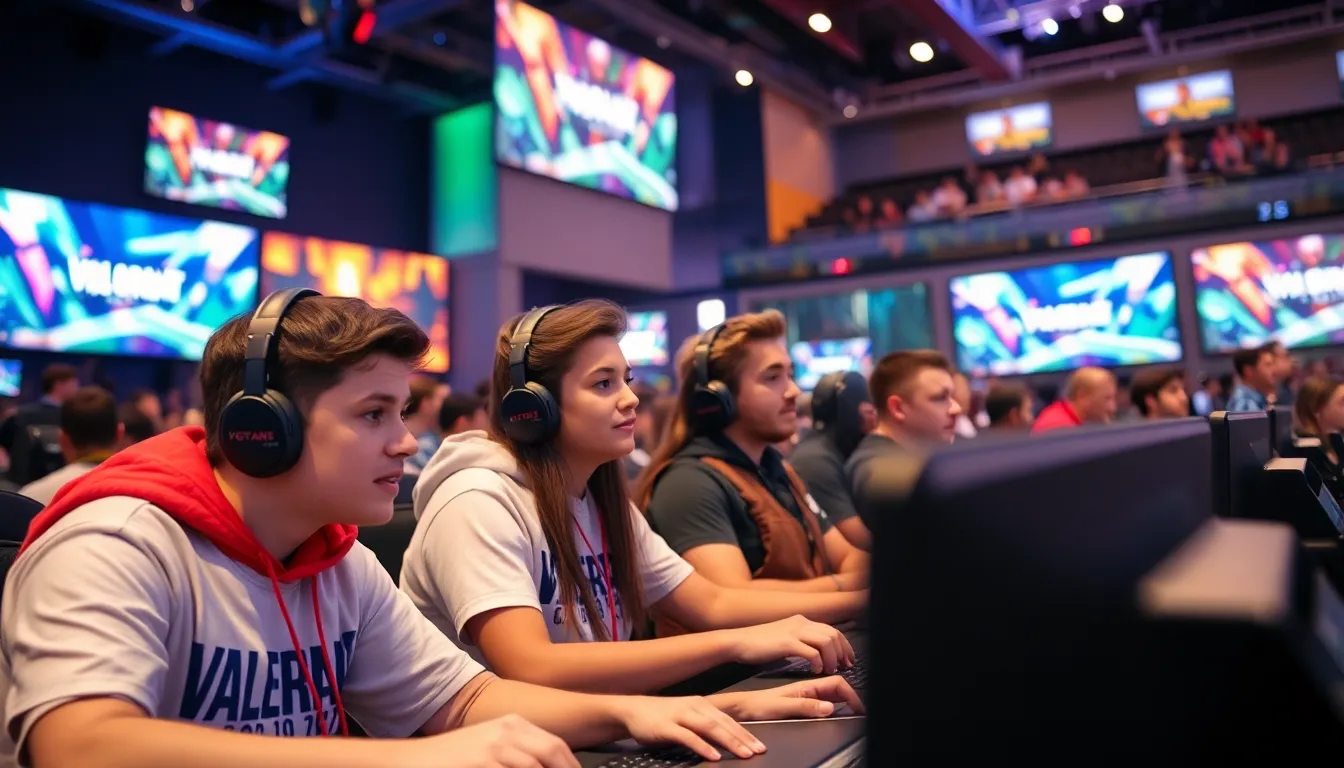
Evil Geniuses, a prominent esports organization, is interested in identifying and nurturing new talent through this collegiate tournament. Their involvement reflects a commitment to fostering the next generation of professional gamers, while also positioning themselves as leaders in the esports ecosystem. They seek to build a pipeline of skilled players who could potentially join their ranks, enhancing their competitive edge.
Participating teams and players are driven by the desire for recognition and potential career opportunities. For many collegiate players, this tournament serves as a platform to showcase their skills to scouts and sponsors. However, they also face the pressure of competition, and the stakes are high as performance can significantly impact their future in esports.
- Conflicts of interest: There may be tensions between sponsors and organizers regarding branding and promotional strategies.
- Economic implications: The tournament can impact local economies, especially if held in physical venues that attract fans and participants.
- Legal considerations: Compliance with regulations concerning esports and collegiate athletics may arise, particularly regarding player eligibility and sponsorships.
- Community engagement: The tournament’s success hinges on its ability to foster a positive relationship with the gaming community, which can influence future events.
How the tournament will affect students and the gaming community
The collegiate VALORANT tournament hosted by Newegg in collaboration with Evil Geniuses is set to impact various groups, particularly students and the gaming community. As universities participate, students from different regions will have the opportunity to showcase their skills on a national stage, fostering a sense of community among aspiring gamers.
In the short term, the tournament will likely enhance student engagement in esports, encouraging more universities to invest in gaming programs and facilities. This could lead to increased participation in esports-related activities, creating a vibrant campus culture around competitive gaming. Additionally, local businesses in regions hosting these events may see a boost in revenue, as students and fans gather to support their teams.
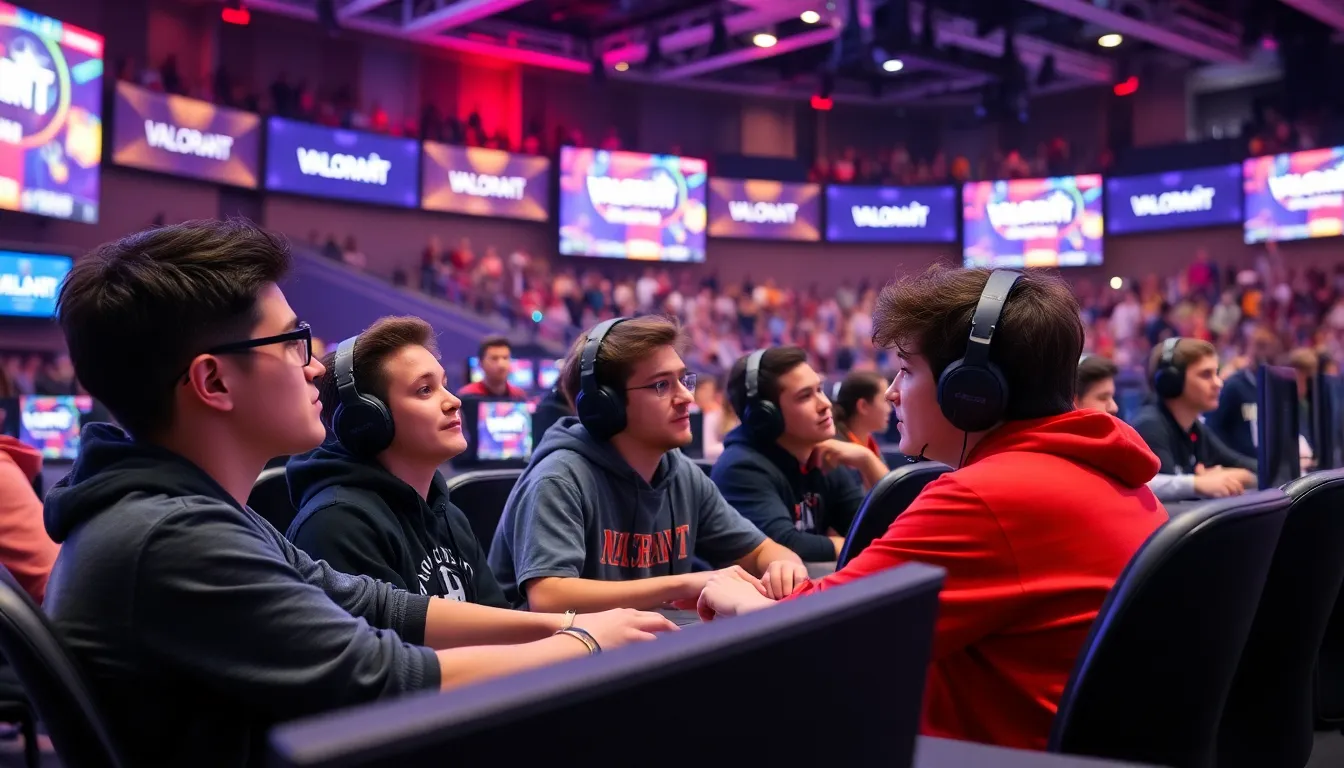
In the mid-term, the tournament could influence the gaming industry by attracting sponsors and partnerships, which may lead to more funding for collegiate esports programs. This financial support can help develop talent pipelines for professional gaming, as students gain exposure and experience that could lead to future career opportunities in the esports sector.
- Increased student engagement: More universities may prioritize esports programs.
- Boost to local economies: Increased business for local vendors and venues.
- Talent development: Opportunities for students to transition into professional gaming careers.
However, there are also risks associated with this growing trend. The pressure to perform in competitive environments may lead to stress and burnout among students. Furthermore, the focus on gaming could detract from academic priorities if not balanced properly. It is crucial for universities to provide support systems to help students manage their commitments effectively.
A: Students can register through the official Newegg tournament website, where they will find all necessary details and eligibility requirements. A: The tournament will offer various prizes, including gaming equipment, scholarships, and opportunities for internships with Evil Geniuses. A: The tournament is scheduled to take place over several weeks, starting from the beginning of next month. A: No, the tournament is free to enter for all eligible collegiate players. A: Yes, all matches will be live-streamed on popular gaming platforms, allowing fans to watch their favorite teams compete.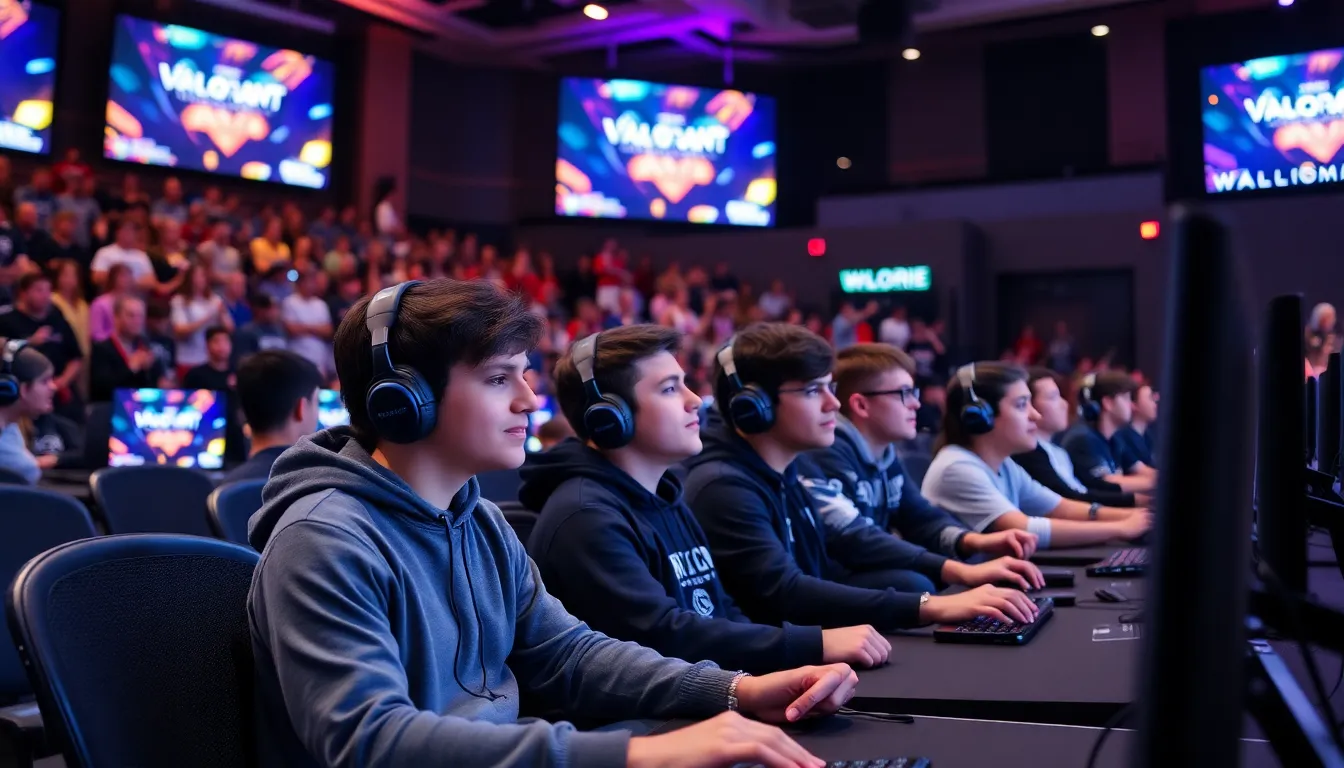
Frequently asked questions about the tournament
Future outlook for collegiate esports tournaments
The recent collegiate VALORANT tournament hosted by Newegg in collaboration with Evil Geniuses marks a significant milestone in the growth of esports within educational institutions. As universities increasingly recognize the potential of esports to engage students and foster community, the structure and support for such events are likely to evolve. This tournament not only showcased emerging talent but also provided a platform for schools to enhance their esports programs and attract sponsorships.
Looking ahead, the integration of esports into collegiate environments will likely expand, driven by the demand for competitive gaming and the opportunities it presents for skill development and career pathways. Institutions may begin to formalize their esports initiatives, leading to more structured competitions and partnerships with established esports organizations.
- Increased investment in collegiate esports programs may lead to a rise in scholarships and funding opportunities for aspiring gamers.
- Collaborations between educational institutions and professional esports teams can enhance training and mentorship for student players.
- The growth of collegiate esports tournaments could attract more viewers and sponsors, further legitimizing the industry.
- As esports continues to gain popularity, schools may integrate gaming into their curricula, promoting both competitive and recreational gaming.
- Future tournaments may see innovative formats and technologies that enhance viewer engagement and player experience.