
This change in perspective is significant as it reflects the balancing act between environmental concerns and economic pressures. Swinney’s previous opposition to new drilling projects has softened, suggesting a potential reconsideration of policies that could stimulate local economies and secure energy resources amid rising costs, as discussed in related discussions on oil prices.
The Scottish Government’s approach to oil extraction has historically been influenced by climate commitments. However, the soaring prices have prompted a reevaluation of how these commitments align with the immediate economic needs of the region, particularly in light of the cost of living crisis affecting many households.
As discussions continue, key industry stakeholders are closely monitoring the situation. The potential for renewed investment in North Sea drilling could have wide-ranging effects on both the local economy and Scotland’s energy strategy, making this a pivotal moment in the ongoing debate over fossil fuel reliance.
Understanding the background of North Sea drilling debates
The North Sea has long been a focal point of energy production in the United Kingdom, particularly since the discovery of significant oil reserves in the late 1960s. This region has contributed substantially to the UK’s economy, providing jobs and generating tax revenues. However, the environmental implications of drilling and the push for renewable energy have created a complex backdrop for discussions surrounding oil extraction in the area.

Historically, the UK government has oscillated between promoting fossil fuel extraction to bolster economic growth and addressing environmental concerns. The 2010s saw a heightened focus on climate change, leading to commitments to reduce carbon emissions and transition to greener energy sources. This shift was marked by the UK’s 2019 pledge to achieve net-zero emissions by 2050, which placed North Sea drilling at the center of a contentious debate.
In recent months, rising global oil prices have reignited discussions around North Sea drilling. As inflation and energy costs surged, there has been increasing pressure on policymakers to reconsider their stance on domestic oil production. The economic argument for drilling has gained traction, suggesting that tapping into local resources could enhance energy security and mitigate reliance on foreign oil imports, a topic also explored in recent analyses of market fluctuations.
Political Shifts in Energy Policy
The political landscape surrounding North Sea drilling has also evolved, with various parties expressing differing views on the issue. Recent statements from key figures, including those in the Scottish Government, indicate a softening stance on drilling as economic pressures mount. This shift reflects a broader trend where economic imperatives may outweigh environmental concerns, leading to a reevaluation of previously held positions on fossil fuel extraction.
Key stakeholders and issues surrounding North Sea oil exploration
The recent shift in stance by Scottish Finance Secretary Kate Forbes regarding North Sea drilling reflects a complex interplay of economic, environmental, and political factors. As oil prices continue to soar, the interests of various stakeholders become increasingly pronounced, highlighting the urgent need for a balanced approach to energy policy.
Key stakeholders in this debate include the Scottish Government, oil companies, environmental groups, and local communities. The Scottish Government, led by the Scottish National Party (SNP), has historically been cautious about fossil fuel extraction due to climate change concerns. However, with rising oil prices, there is growing pressure to reconsider this position in order to bolster the economy and secure energy resources.

Oil companies view the current situation as an opportunity to expand their operations and increase profitability. They argue that tapping into North Sea reserves can provide a significant boost to the economy and create jobs. However, this perspective often clashes with environmental groups, who emphasize the need to transition to renewable energy sources and reduce carbon emissions.
- Economic interests: The potential for economic growth through job creation and increased tax revenues from oil exploration.
- Environmental concerns: The impact of drilling on marine ecosystems and the contribution to climate change.
- Political implications: The need for the Scottish Government to balance economic growth with its commitment to environmental sustainability.
- Legal frameworks: Existing regulations governing oil exploration and the potential for changes in policy to facilitate new drilling projects.
- Community impact: The views of local communities who may be affected by drilling activities, including concerns about health and environmental risks.
As the debate continues, the challenge lies in navigating these competing interests while ensuring that any decisions made reflect a comprehensive understanding of the long-term implications for Scotland’s energy future and environmental commitments.
How the shift in policy could affect the energy market and local communities
The recent softening of stance by the Scottish government on North Sea drilling, prompted by soaring oil prices, has significant implications for various stakeholders. This policy shift primarily affects local communities, the oil and gas industry, and environmental advocacy groups, which mirrors the complexities surrounding energy discussions in the context of global political challenges.
In the short term, communities in regions close to drilling sites may see an influx of jobs and economic activity as companies ramp up operations to capitalize on higher oil prices. This could lead to increased local spending, benefiting businesses in hospitality, retail, and services. However, this economic boost comes with risks, such as potential environmental degradation and concerns over public health, which could lead to community pushback.
In the mid-term, the policy change may encourage further investment in the oil and gas sector, potentially stabilizing energy prices and securing energy supplies. This could shift the focus of local economies towards fossil fuel dependency, which might limit diversification efforts towards renewable energy sources. Additionally, the reallocation of resources towards drilling could impact funding for alternative energy projects, stalling progress in sustainability initiatives.

- Job Creation: Increased employment opportunities in the oil and gas sector.
- Economic Growth: Boost in local economies due to increased spending.
- Environmental Risks: Potential for ecological damage and community health concerns.
- Investment Shifts: Possible diversion of funds from renewable energy projects.
Ultimately, while the policy shift presents opportunities for economic growth and job creation, it also raises significant questions about environmental sustainability and the long-term viability of relying on fossil fuels. Stakeholders will need to navigate these complexities carefully to balance immediate benefits with future risks.
A: Swinney’s shift is largely influenced by the significant rise in oil prices, which has led to renewed discussions about energy policies and economic benefits. A: Environmentalists worry that increased drilling could lead to oil spills, habitat destruction, and contribute to climate change, raising significant concerns among local communities. A: A more favorable stance on drilling could boost local economies through job creation and increased investment in the energy sector, but it also raises concerns about sustainability. A: Other political parties have expressed mixed reactions, with some supporting increased drilling for economic reasons while others advocate for a transition to renewable energy sources. A: It is likely that any new drilling initiatives will come with stricter regulations to address environmental concerns, although specifics have yet to be outlined.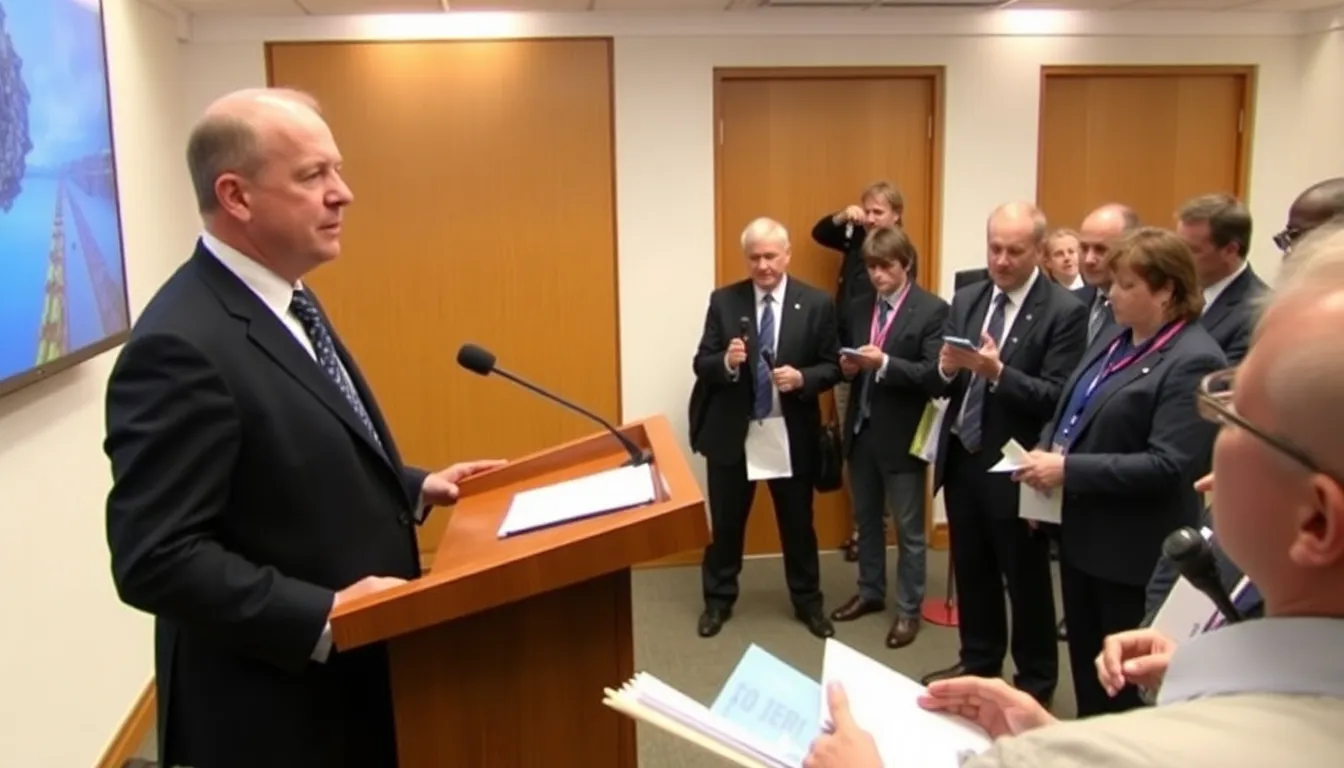
Frequently asked questions about North Sea drilling and policy changes
Key takeaways and future outlook on North Sea drilling policies
The recent shift in stance by Swinney regarding North Sea drilling reflects a growing recognition of the economic pressures and energy demands facing the region. With oil prices reaching new heights, the government may prioritize energy security and economic growth over previous environmental concerns. This pivot could signal a broader trend in policy-making where immediate economic needs take precedence over long-term sustainability goals.
As the situation evolves, stakeholders should closely monitor how these policy changes impact both the energy sector and environmental initiatives. The balance between economic benefit and ecological responsibility will be crucial in shaping the future of North Sea drilling and the UK’s energy landscape.
- Watch for potential new regulations or incentives aimed at increasing North Sea drilling activities.
- Monitor the response from environmental groups and how they may influence public opinion and policy adjustments.
- Keep an eye on oil price fluctuations, as they will likely drive further policy shifts and investment decisions.
- Consider the implications for energy security in the UK and how this may affect international relations, particularly with energy-importing nations.
- Evaluate the long-term environmental impact of increased drilling and how it aligns with the UK’s climate commitments.