
Featuring a star-studded voice cast, including Chris Pratt and Anya Taylor-Joy, the movie appeals to both children and nostalgic adults alike. Its engaging storyline and vibrant animation have contributed to its swift ascent to the top of the box office charts, surpassing local films and other international releases.
This success is particularly noteworthy given the recent challenges faced by the film industry in China, including strict regulations and changing consumer preferences.
The film’s performance not only highlights the demand for family-friendly entertainment but also signals a potential shift in the market dynamics of China’s box office. With more foreign films gaining traction, industry analysts are keenly observing how this trend might influence future releases and local productions.
Understanding the significance of animated films in China
With a young population increasingly exposed to global media, animated films resonate strongly with both children and adults, leading to a vibrant box office landscape, as seen with recent hits.
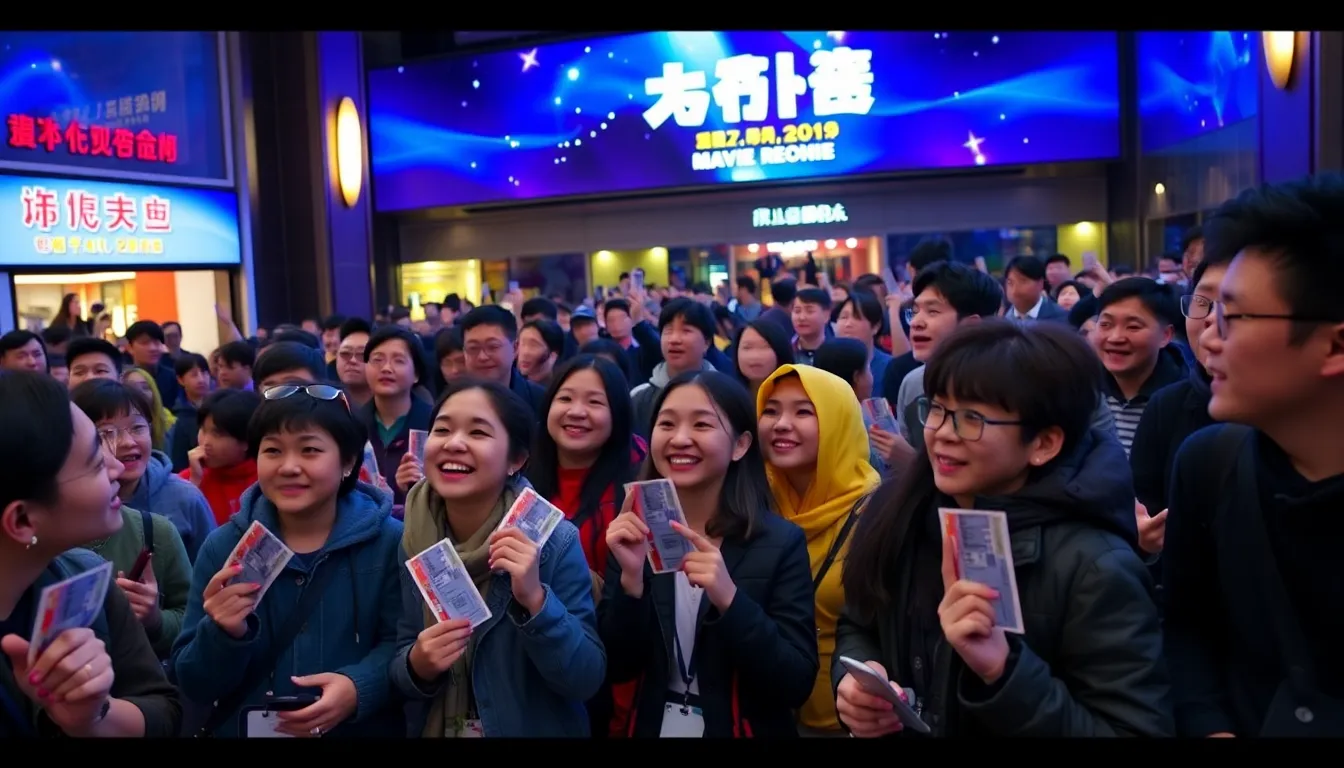
Titles like “Kung Fu Panda” and “Frozen” set the stage for animated features to become box office hits, paving the way for more international collaborations and adaptations, similar to the evolution of storytelling in cinema.
The impact of international collaborations
International collaborations have played a crucial role in the evolution of animated cinema in China. Joint ventures between Chinese studios and Western animation companies have not only elevated production quality but also introduced diverse storytelling techniques. This fusion has resulted in films that appeal to both local and international audiences, exemplified by the success of movies like “The Monkey King” and “Big Fish & Begonia.”
Moreover, the Chinese government’s support for the animation industry has led to increased investment in local productions. Initiatives aimed at promoting homegrown content have resulted in a surge of animated films that reflect Chinese culture and values, further enriching the cinematic landscape. As a result, animated films have become a significant part of the cultural dialogue in China, bridging generational gaps and fostering a sense of national pride.
As the box office success of “The Super Mario Galaxy Movie” illustrates, animated films continue to dominate the Chinese market. This trend is not merely a passing phase but rather a reflection of the evolving tastes of audiences who seek both entertainment and cultural connection. Understanding this backdrop is essential to grasping the significance of animated films in shaping China’s contemporary cinematic narrative.
Key stakeholders and the competitive landscape
The launch of ‘The Super Mario Galaxy Movie’ in China has drawn the attention of various stakeholders, each with distinct interests and objectives. Key players in this scenario include film production companies, local distributors, government regulators, and audiences. Understanding their motivations is essential to grasp the implications of this cinematic event.
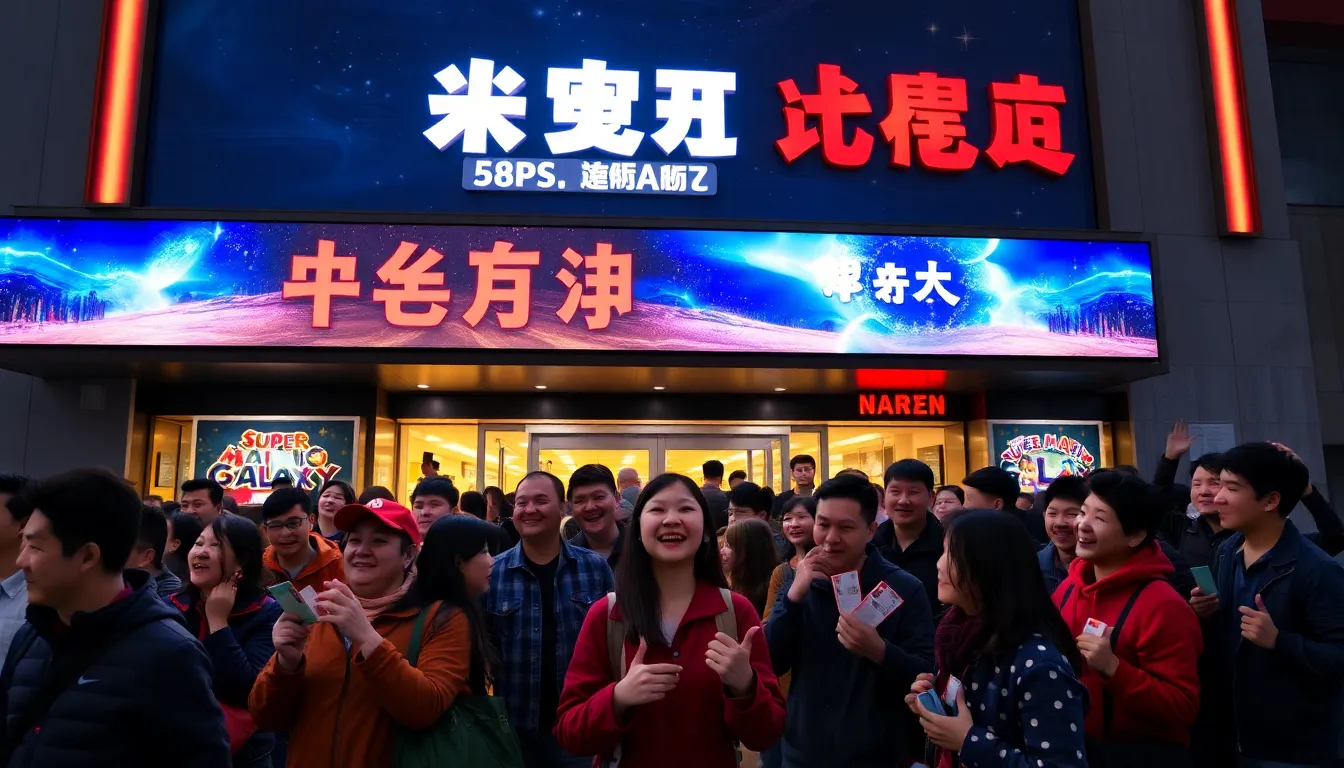
Film production companies, such as Nintendo and the collaborating studios, are primarily interested in maximizing box office revenue and expanding their brand presence in China. The success of this film could pave the way for future adaptations and merchandise, making the Chinese market a pivotal focus for their global strategy.
Local distributors play a crucial role in this landscape, as they navigate the complexities of China’s film regulations and audience preferences. Their interests lie in securing favorable release windows and promotional support from the government, which can significantly influence a film’s performance. Additionally, they may face competition from other international films vying for audience attention during peak viewing periods.
Government regulators are also key stakeholders, tasked with overseeing the film industry in China. They are concerned with cultural representation and compliance with local laws, which can affect the types of films allowed for screening. Their decisions can create trade-offs between promoting foreign films and supporting domestic productions, leading to potential conflicts in the industry.
- Balancing international film releases with local cultural policies.
- Competition among distributors for prime release slots.
- Potential backlash from audiences regarding foreign influences in cinema.
- Economic implications of box office revenues on local economies.
- Impact of intellectual property rights on future collaborations.
Implications for the film industry and audiences
The release of ‘The Super Mario Galaxy Movie’ at the top of the China box office signifies a pivotal moment for various stakeholders in the film industry. This includes filmmakers, distributors, and cinema operators, all of whom stand to gain or lose significantly based on the film’s performance. The success of this animated feature may encourage studios to invest more in similar content, particularly in the realm of video game adaptations.

In the short term, audiences are likely to experience a surge in the availability of family-friendly films, as studios respond to the demand generated by ‘The Super Mario Galaxy Movie.’ This could lead to increased foot traffic in cinemas, benefiting not only the film industry but also related sectors such as food and beverage services within theaters. However, there is a risk that smaller, independent films may struggle to find an audience amidst the blockbuster frenzy.
In the mid-term, the success of this film could influence policy decisions within the Chinese film market. Authorities may consider easing restrictions on foreign films, recognizing the potential for increased revenue and cultural exchange. Conversely, there could be a backlash against foreign content if it is perceived to overshadow local productions, leading to tighter regulations that could stifle competition.
- Opportunities: Increased investment in animated films and video game adaptations.
- Risks: Potential overshadowing of independent films and local productions.
- Market Impact: Possible changes in film distribution policies and audience preferences.
Overall, the impact of ‘The Super Mario Galaxy Movie’ extends beyond box office numbers, influencing various aspects of daily life, business strategies, and industry policies in the film sector.
A: The Super Mario Galaxy Movie follows the adventures of Mario and his friends as they navigate through various galaxies to save Princess Peach. It combines action, humor, and family-friendly themes. A: The movie launched to the top spot, outperforming other recent releases in the China Box Office, indicating strong audience interest and demand. A: Given the success of The Super Mario Galaxy Movie, it is expected that more animated films will be produced and released in China, appealing to both local and international audiences. A: The main characters include Mario, Luigi, Princess Peach, and Bowser, each bringing their unique traits to the story and engaging the audience.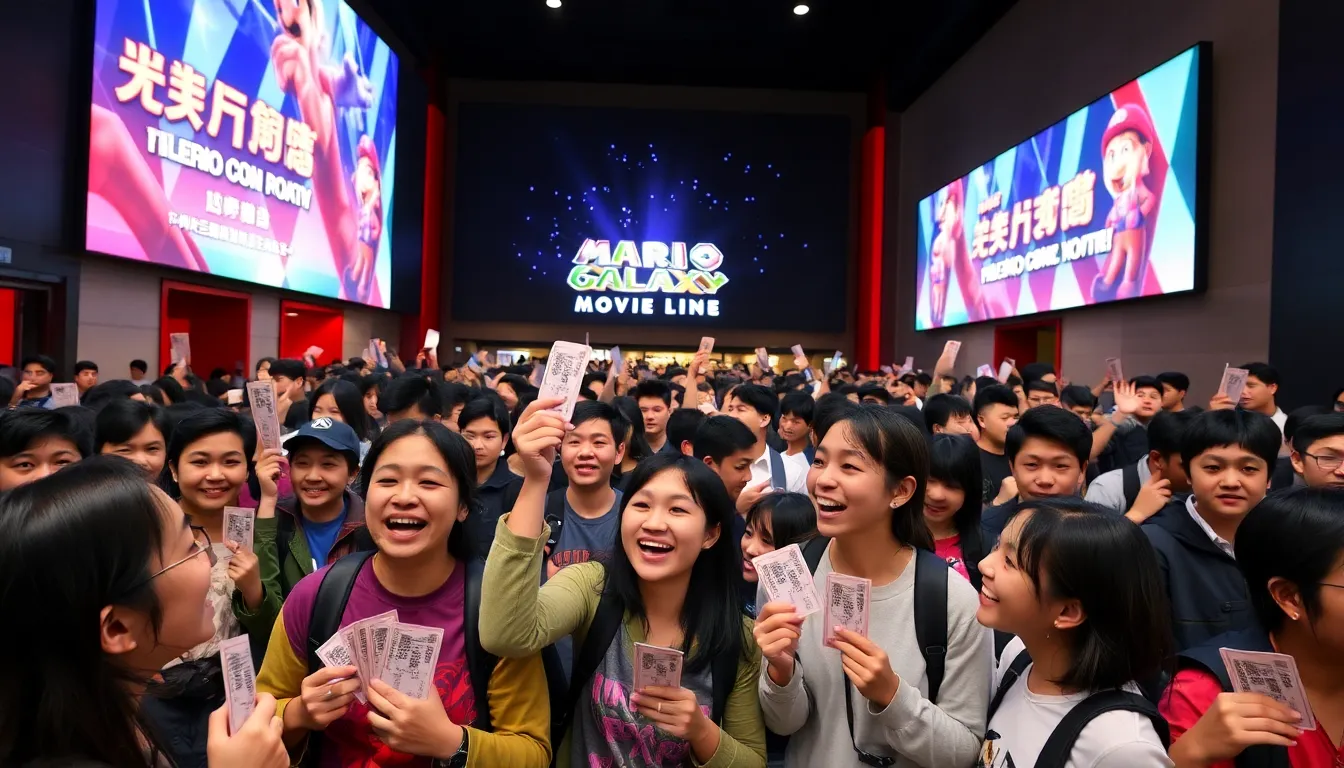
Frequently Asked Questions about the movie’s release
Future outlook for animated films in China
The success of ‘The Super Mario Galaxy Movie’ at the Chinese box office signals a promising trend for animated films in the region. As audiences increasingly embrace diverse genres, the ability of such films to resonate with local viewers will be crucial. This launch not only highlights the popularity of established franchises but also emphasizes the growing appetite for high-quality animation in China.
In the coming months, the performance of animated films will be closely monitored, particularly as competition intensifies among major studios. The ability to adapt storytelling and marketing strategies to align with Chinese cultural nuances will play a significant role in future successes.
- Monitor the box office performance of upcoming animated releases to gauge audience preferences.
- Watch for potential collaborations between international studios and Chinese filmmakers to enhance local appeal.
- Evaluate the impact of social media and online platforms on the promotion and reception of animated films.
- Consider the influence of local festivals and events in shaping the animated film landscape.
- Assess how changing consumer behaviors may affect the types of animated content produced in the future.