
The shift comes in the wake of increasing scrutiny and regulatory pressures from the Chinese government on tech companies operating on the mainland. As a result, many firms are seeking to diversify their operational bases, with Hong Kong offering a more favorable business climate. Reports indicate that several firms are planning to set up new offices or increase their workforce in the city by the end of 2023, a trend that’s highlighted in related articles.
Additionally, the Hong Kong government has been actively promoting the city as a tech innovation hub, launching initiatives to attract startups and established firms alike. In September 2023, the government announced a new funding program aimed at supporting tech companies, which is expected to further incentivize firms to relocate or expand in the region.
This influx of tech companies is not only reshaping Hong Kong’s economic landscape but also has implications for the broader tech ecosystem in Asia. As these firms establish themselves, they are likely to create new job opportunities and foster collaboration within the local tech community, potentially positioning Hong Kong as a key player in the global technology sector.
Understanding the historical and economic context of Hong Kong’s tech landscape
Hong Kong has long been recognized as a global financial hub, but its role as a burgeoning technology center has gained significant momentum in recent years. The city’s unique geopolitical position, characterized by its proximity to mainland China and its historical ties to Western economies, has created an environment ripe for tech innovation and investment. Following the 1997 handover from British to Chinese sovereignty, Hong Kong maintained a high degree of autonomy under the “one country, two systems” framework, which has allowed it to foster a distinct economic and regulatory landscape that is further explored in other discussions.
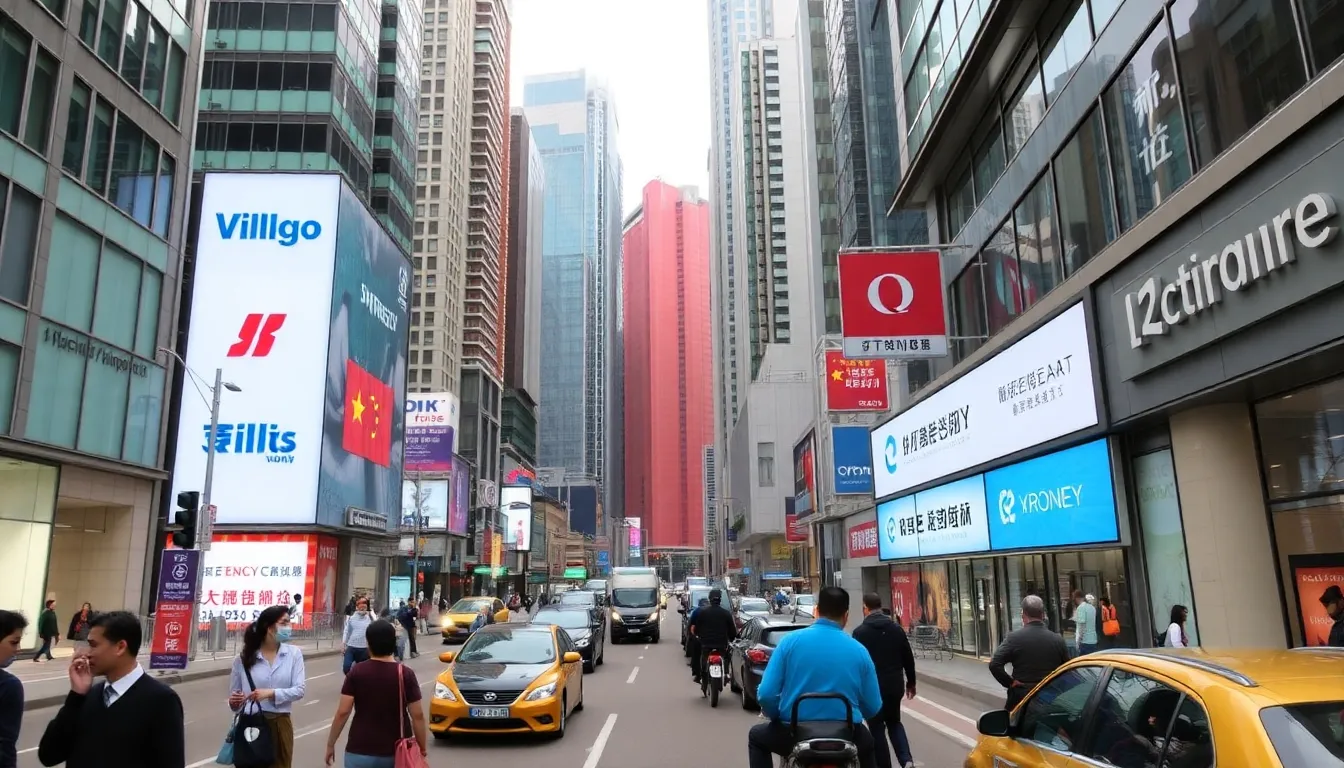
In the past decade, the Chinese government’s increasing focus on technological self-sufficiency and innovation has driven many tech companies to seek opportunities in Hong Kong. The introduction of policies aimed at attracting foreign investment, coupled with the city’s well-established infrastructure, has made it an appealing destination for startups and established firms alike. Furthermore, the ongoing trade tensions between the United States and China have prompted many companies to diversify their operations, with Hong Kong serving as a strategic base for accessing both Western and Asian markets.
The impact of the National Security Law
The implementation of the National Security Law in 2020 has also played a pivotal role in shaping the tech landscape in Hong Kong. While the law was met with international criticism, it has led to a shift in how tech companies operate in the region. Many firms are now looking to Hong Kong as a stable environment where they can navigate the complexities of operating under Chinese regulations while still benefiting from the city’s international business connections. This has resulted in a surge of tech companies establishing or expanding their presence in Hong Kong, further solidifying its status as a key player in the global tech ecosystem.
As the competition among Chinese tech firms intensifies, the race to establish a foothold in Hong Kong is not solely about access to capital and markets; it also reflects a broader strategy to leverage the city’s unique advantages in talent acquisition, research and development, and global partnerships. The combination of historical context, economic incentives, and recent political developments has created a dynamic environment where Chinese tech companies are eager to innovate and grow.
Key stakeholders and the main issues driving this trend
As Chinese tech companies increasingly establish their presence in Hong Kong, several key stakeholders emerge, each with distinct interests and concerns. These stakeholders include the Chinese government, local Hong Kong authorities, tech companies, investors, and international regulatory bodies.
The Chinese government seeks to bolster its technological prowess and maintain control over the tech sector. By encouraging companies to set up in Hong Kong, it aims to create a more favorable environment for innovation while circumventing some of the regulatory challenges faced on the mainland. This strategy aligns with China’s broader goal of becoming a global leader in technology.
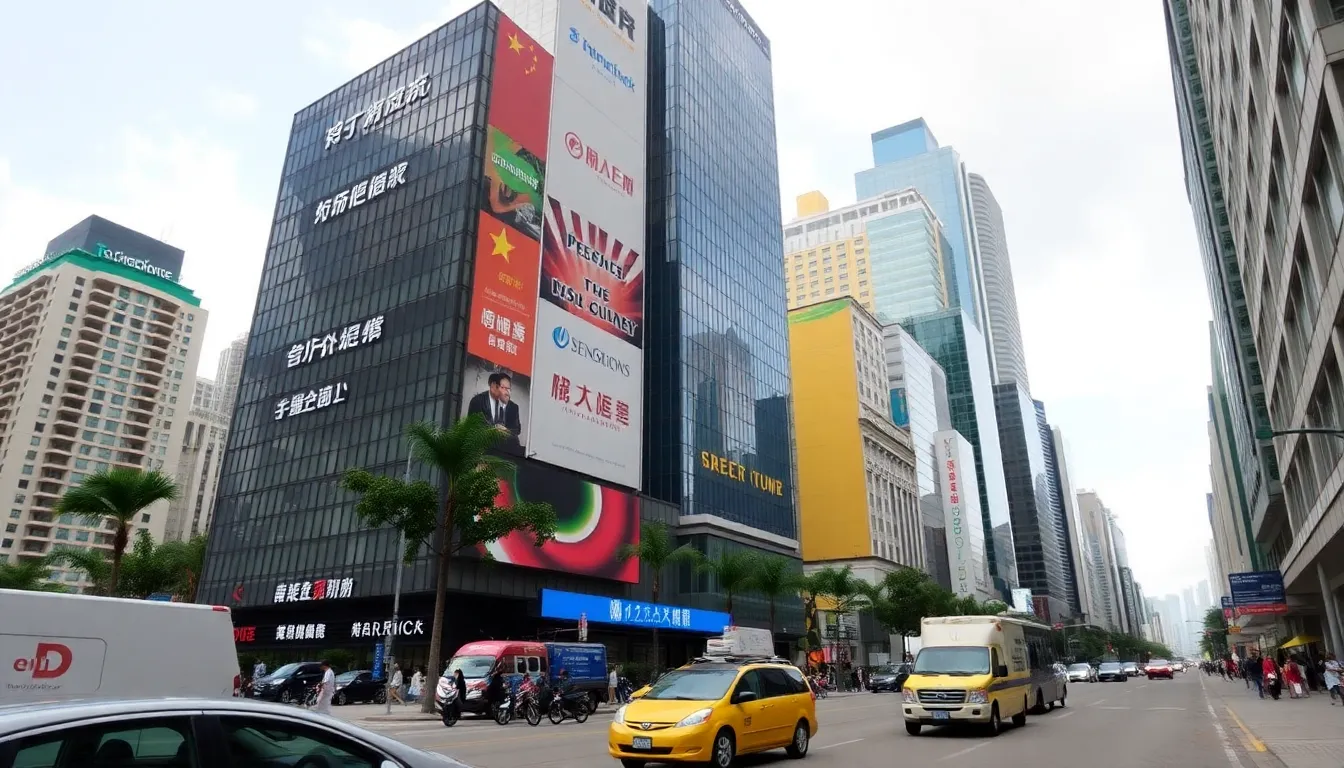
Hong Kong’s local authorities are also significant players in this landscape. They are keen to attract foreign investment and stimulate the economy, particularly following the social unrest and economic downturn in recent years. However, they must balance this with the need to uphold local laws and regulations, which may conflict with the interests of tech companies seeking greater operational flexibility.
Tech companies themselves are motivated by the desire for a more open and international market. By establishing operations in Hong Kong, they can access global markets and talent while benefiting from a relatively more liberal regulatory environment compared to mainland China. However, this move is not without risks, as companies must navigate the complex political landscape and potential backlash from both local and international communities, much like the dynamics seen in various sectors.
- Regulatory Environment: Companies face varying regulations that may impact their operations and business strategies.
- Geopolitical Tensions: Ongoing tensions between China and other countries could affect international collaboration and investment.
- Market Access: Hong Kong serves as a gateway for companies looking to expand into Southeast Asia and beyond.
- Public Perception: The establishment of tech firms in Hong Kong may influence local sentiment regarding economic and political autonomy.
- Talent Acquisition: Access to a diverse and skilled workforce is a critical factor for tech companies setting up in the region.
The potential impact on Hong Kong’s economy and tech ecosystem
The influx of Chinese tech companies establishing operations in Hong Kong is poised to significantly affect various groups and industries. Primarily, local businesses, tech startups, and the workforce in the region stand to experience both challenges and opportunities as the tech landscape evolves. This shift could enhance Hong Kong’s status as a tech hub, attracting talent and investment.
In the short term, the arrival of these companies is likely to stimulate job creation, with positions ranging from engineering to marketing. This surge in employment could lead to increased consumer spending, positively impacting local businesses, including retail and service sectors. However, the rapid expansion may also intensify competition for skilled workers, potentially driving up salaries and costs for smaller firms.
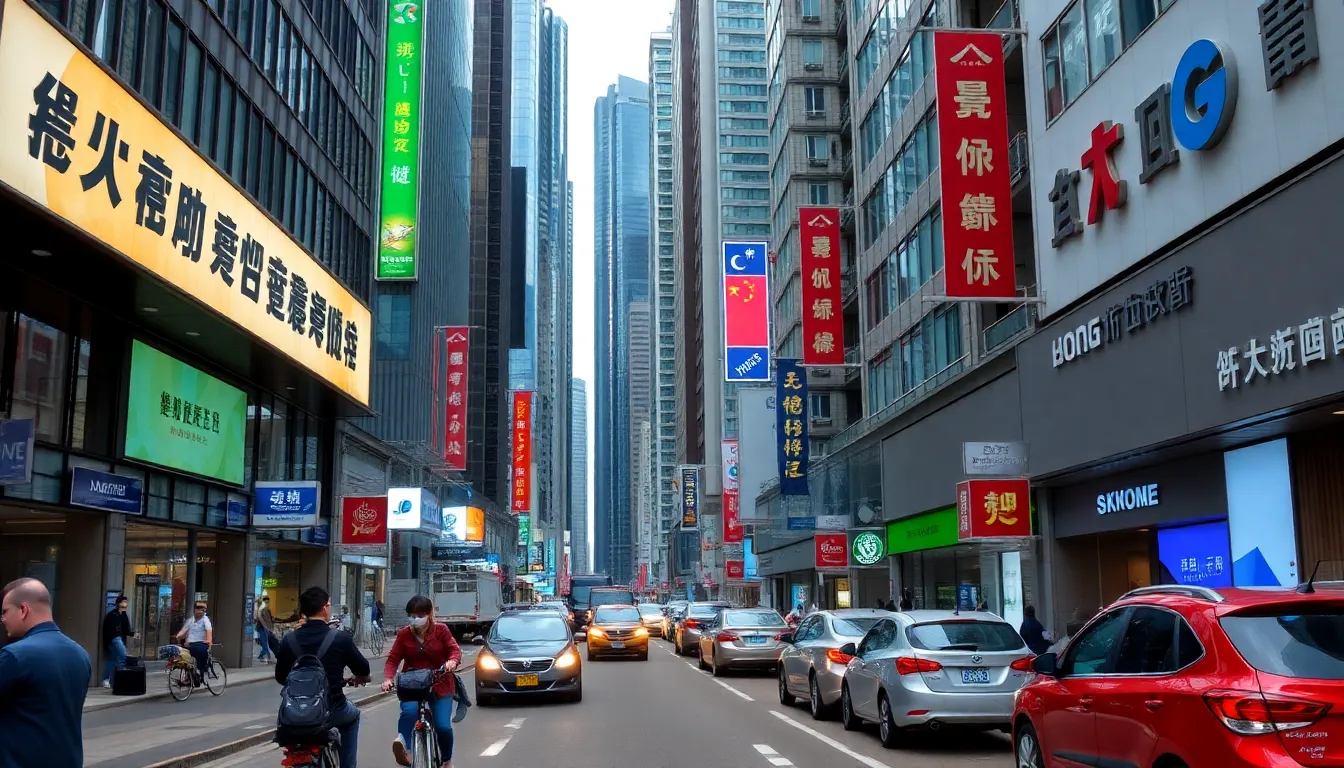
In the mid-term, the regulatory environment in Hong Kong may undergo changes as the government looks to accommodate the growing tech sector. This could lead to new policies aimed at fostering innovation, but it may also raise concerns about data privacy and security, particularly given the nature of some Chinese tech firms. Stakeholders will need to navigate these complexities as they adapt to the evolving landscape.
- Opportunities: Increased investment in local startups and infrastructure.
- Risks: Potential for market saturation and increased operational costs.
- Impact on Workforce: Higher demand for tech talent, leading to wage inflation.
- Regulatory Scrutiny: Possible changes in data privacy laws and compliance requirements.
Ultimately, the race to establish a presence in Hong Kong by Chinese tech firms could reshape the economic and social fabric of the region, presenting both significant opportunities for growth and inherent risks that must be managed carefully.
A: Hong Kong offers a favorable business environment, regulatory advantages, and proximity to mainland China, making it an attractive destination for tech firms. A: Companies benefit from a robust financial system, access to international markets, and a skilled workforce, which can enhance their operational efficiency. A: The influx of Chinese tech companies can lead to increased competition, but it may also create opportunities for local businesses to collaborate and innovate. A: Yes, companies may face challenges such as navigating local regulations and adapting to the cultural differences in the business environment. A: Government policies that support innovation and technology development are crucial in attracting Chinese tech companies to establish their presence in Hong Kong.
Frequently asked questions about Chinese tech companies in Hong Kong
Future outlook for Chinese tech companies in Hong Kong
The recent surge of Chinese tech companies establishing a presence in Hong Kong reflects a strategic pivot towards a more favorable regulatory environment and access to international markets. This trend is likely to reshape the competitive landscape, as these companies leverage Hong Kong’s unique position as a global financial hub and its proximity to mainland China.
As the tech ecosystem in Hong Kong continues to evolve, several key factors will influence the trajectory of these companies. The interplay between local policies, international relations, and market demands will be crucial in determining the success of this migration.
- Monitor changes in regulatory frameworks that may either enhance or hinder the growth of tech firms in Hong Kong.
- Watch for increased collaboration between Hong Kong and mainland Chinese tech sectors, potentially leading to innovative partnerships.
- Observe how the geopolitical climate affects investment flows and market confidence in Hong Kong as a tech hub.
- Consider the implications of talent acquisition and retention strategies as companies compete for skilled professionals in the region.
- Evaluate the long-term sustainability of this trend in light of global economic shifts and technological advancements.