
Blake Lively initially brought forth her allegations in early 2023, claiming that Baldoni engaged in inappropriate behavior during a film project they collaborated on. The claims drew considerable media attention, highlighting the ongoing conversation surrounding harassment and misconduct in Hollywood. For more details on the legal proceedings, you can read about how a judge dismissed most claims in Blake Lively’s harassment lawsuit against Baldoni.
Justin Baldoni, known for his role in the television series “Jane the Virgin,” has publicly denied the allegations, asserting that they are unfounded. His legal team has argued that the claims lack sufficient merit to proceed in court. As the trial date approaches, both parties are preparing for what could become a pivotal moment in their careers, as well as a reflection of broader societal issues regarding harassment.
The outcome of this case may have far-reaching consequences, not only for Lively and Baldoni but also for the industry as a whole. With public interest high, the trial is expected to draw attention to the complexities of harassment claims and the legal frameworks surrounding them. As the situation unfolds, it remains to be seen how it will impact future discussions on accountability and justice in Hollywood.
Understanding the background of the harassment allegations
The allegations of harassment against Justin Baldoni by Blake Lively have emerged within a broader context of heightened awareness and sensitivity surrounding issues of sexual misconduct in the entertainment industry. In recent years, the #MeToo movement has significantly shifted public perception and legal frameworks regarding harassment, encouraging victims to come forward and seek justice. This cultural shift has made significant headlines, including Blake Lively’s stand against digital violence, which exemplifies the ongoing fight for accountability.

Historically, the entertainment industry has been plagued by power imbalances, where individuals in positions of authority have often exploited their status to engage in inappropriate behavior. The fallout from high-profile cases, such as those involving Harvey Weinstein and Kevin Spacey, has not only led to legal consequences for the accused but has also inspired a wave of similar claims from individuals across various sectors. These events have set a precedent that fosters an environment where victims feel empowered to speak out against their harassers.
The legal landscape for harassment claims
The legal framework surrounding harassment claims has evolved significantly over the past few decades. In many jurisdictions, laws have been strengthened to provide better protection for victims and to hold perpetrators accountable. The introduction of stricter regulations and clearer definitions of harassment has made it easier for individuals to file claims. However, the burden of proof remains a significant hurdle, often requiring victims to provide substantial evidence to support their allegations.
As the case between Lively and Baldoni moves towards trial, it reflects not only the personal stakes for those involved but also the broader implications for the industry. The outcome may influence how similar cases are handled in the future and could serve as a litmus test for the effectiveness of current laws in protecting victims of harassment. The public’s reaction and media coverage will likely play a crucial role in shaping the narrative surrounding this case and its impact on future allegations.
Key stakeholders and issues surrounding the case
The ongoing legal battle between Blake Lively and Justin Baldoni has garnered significant attention, highlighting various stakeholders and the complex issues at play. At the forefront are the two parties involved: Blake Lively, a prominent actress, and Justin Baldoni, an actor and director. Their interests are not only personal but also professional, as the outcome of this case could impact their careers and public images.
Another key stakeholder is the entertainment industry, which often finds itself navigating the delicate balance between personal conduct and professional obligations. The case raises questions about workplace harassment, accountability, and the broader implications for how such claims are handled within the industry. Organizations advocating for victims of harassment are also closely monitoring the proceedings, as the outcome could influence future policies and support systems.
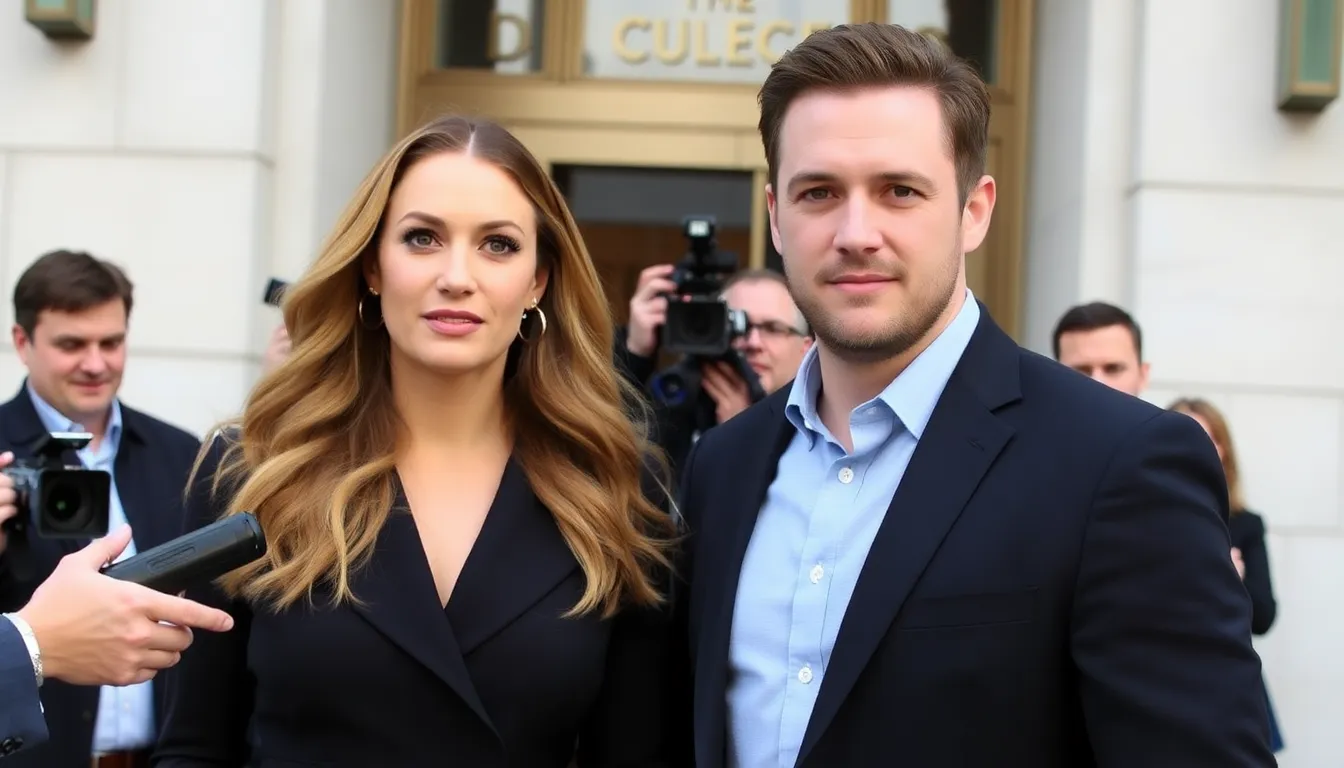
Legal issues surrounding the case include the burden of proof required for harassment claims, the definitions of harassment within the legal framework, and the potential for appeals depending on the trial’s outcome. Economically, the case could have ramifications for both parties, particularly if it leads to reputational damage or financial settlements. The stakes are high, and the resolution of this case could set precedents for similar cases in the future.
- Public Perception: The case could affect how fans and the public view both Lively and Baldoni, impacting their careers.
- Legal Precedents: The trial may establish important legal precedents regarding harassment claims in the entertainment industry.
- Industry Response: The outcome may prompt changes in how studios and production companies handle allegations of misconduct.
- Support for Victims: Advocacy groups may use the case to push for stronger protections for individuals facing harassment.
Potential impacts on the entertainment industry and public perception
The recent dismissal of Blake Lively’s harassment claims against Justin Baldoni as the case heads to trial has significant implications for various stakeholders within the entertainment industry. This situation not only affects the parties involved but also has a ripple effect on actors, producers, and the broader public’s perception of harassment claims in Hollywood. The coverage surrounding these issues, including cases like Leonard Cohen’s manager cleared of financial wrongdoing, highlights the importance of accountability in the industry.
In the short term, the case may lead to increased scrutiny of how harassment claims are handled within the industry. This could result in a heightened awareness among actors and crew members regarding their rights and the processes in place to address grievances. However, it also poses risks, as some may feel discouraged from coming forward with their own claims due to the potential backlash or negative publicity associated with high-profile cases.
In the mid-term, the outcome of the trial could influence industry policies related to workplace harassment. Production companies may feel pressured to revise their protocols and training programs to ensure a safer working environment. This could lead to a shift in how the industry approaches issues of consent, power dynamics, and accountability.
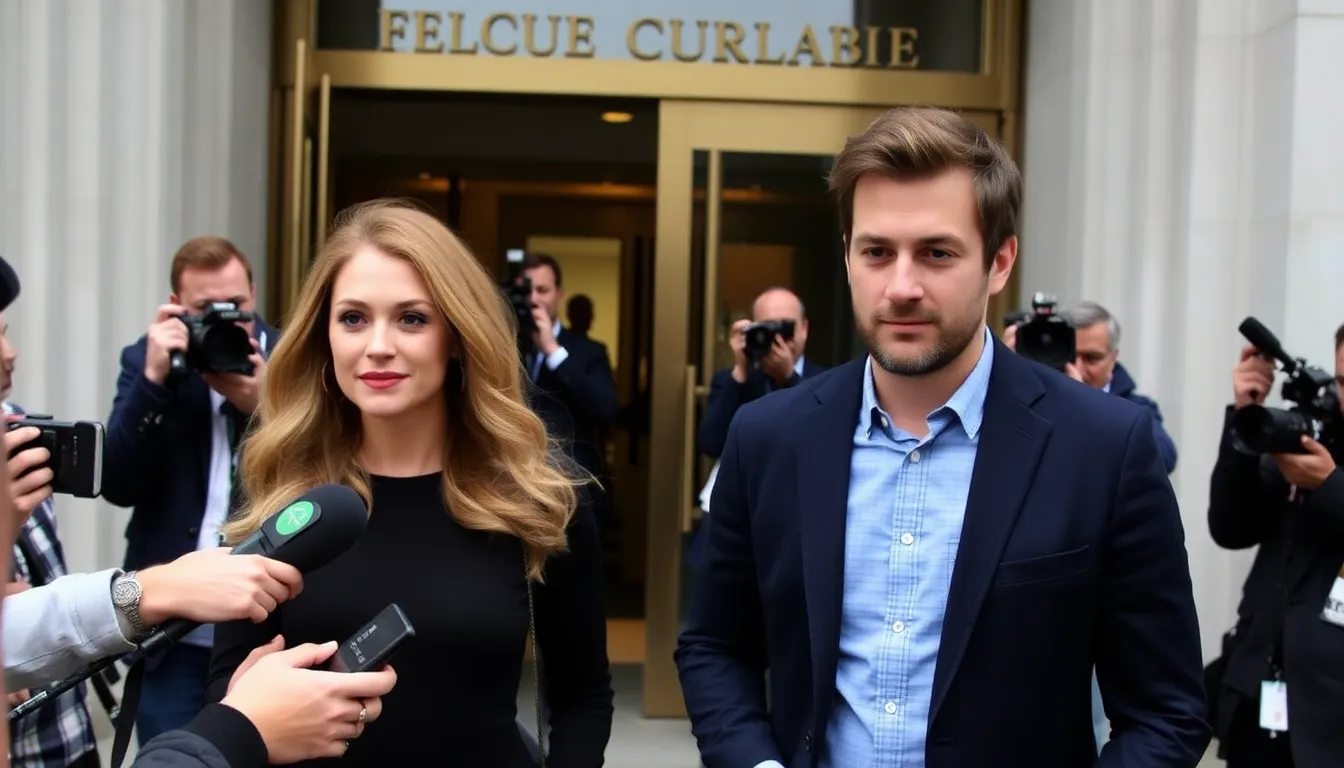
- Risks: Potential chilling effect on victims coming forward.
- Opportunities: Chance for industry-wide reforms and better support systems.
- Public perception: Increased polarization regarding the credibility of harassment claims.
Ultimately, the case could serve as a catalyst for broader discussions about gender dynamics and workplace culture in entertainment. As audiences become more aware of these issues, there may be a push for more transparency and accountability from industry leaders, which could reshape the landscape of Hollywood for years to come.
A: Blake Lively’s claims stemmed from alleged inappropriate behavior during their professional interactions. The specifics of the allegations have been a topic of public interest. A: The court found insufficient evidence to support Lively’s claims, leading to the dismissal. This decision allows the case to proceed to trial for further examination. A: The case will move forward, where both parties will present their arguments and evidence in court. A trial date will be set for this process. A: Public reaction has been mixed, with some expressing support for Lively and others questioning the validity of the claims. The case has sparked discussions about harassment in the industry. A: Depending on the trial’s outcome, both parties could face reputational impacts. A ruling against Baldoni could lead to significant professional repercussions, while Lively’s credibility may also be scrutinized.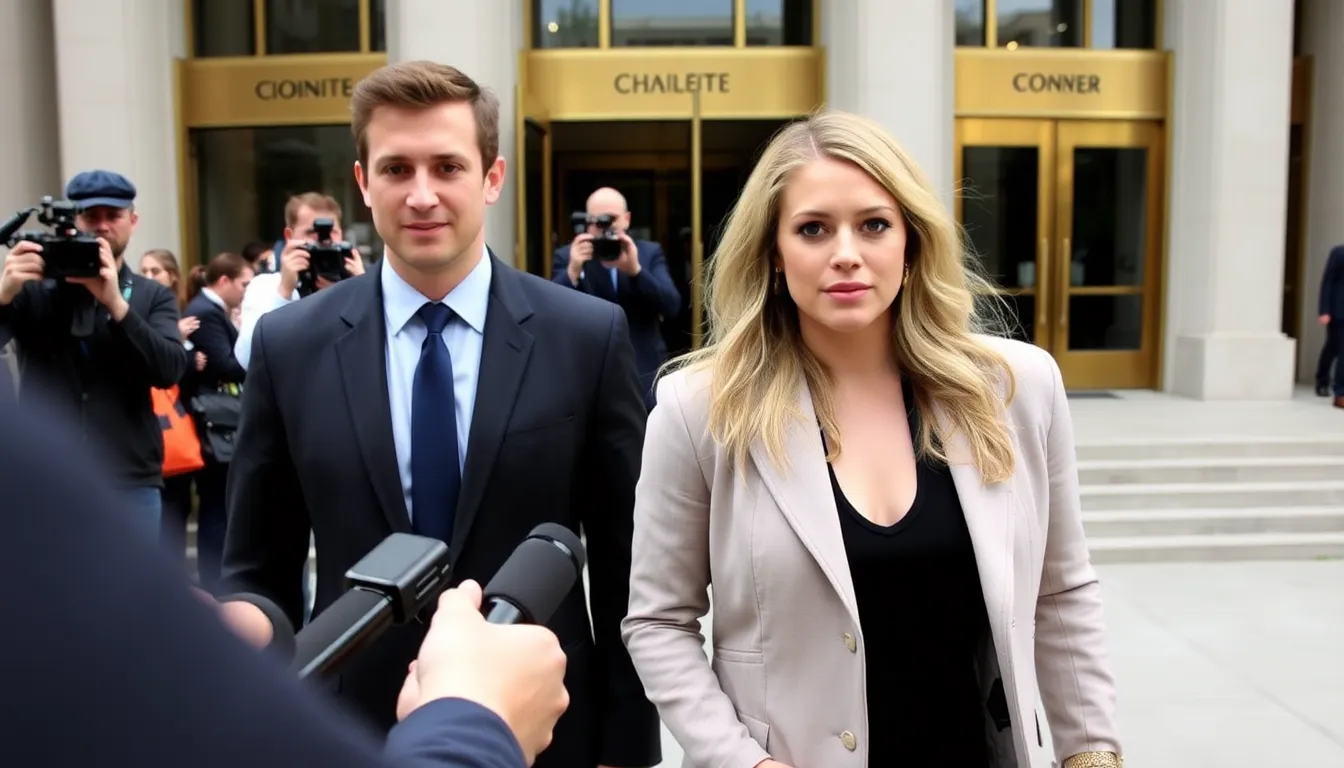
Frequently asked questions about the case
Insights on the future of the case and its implications
The dismissal of Blake Lively’s harassment claims against Justin Baldoni as the case heads to trial marks a significant moment in the ongoing conversation about celebrity accountability and the legal ramifications of such allegations. As the trial progresses, attention will likely focus on the broader implications for similar cases in the entertainment industry, particularly regarding how allegations are treated in the court of public opinion versus the legal system.
Moreover, the outcome of this case could set a precedent for future claims, influencing both victims’ willingness to come forward and the responses by those accused. Stakeholders in the industry, including legal experts and advocacy groups, will be closely monitoring developments to gauge how they might affect policies and practices surrounding harassment claims.
- The trial’s outcome may influence how future harassment claims are perceived and handled in the entertainment industry.
- Increased scrutiny on the legal processes surrounding celebrity harassment cases could lead to changes in advocacy and support systems for victims.
- The case may encourage more open discussions about the challenges faced by individuals coming forward with allegations against powerful figures.
- Media coverage and public reaction will play a crucial role in shaping the narrative and potential repercussions for both parties involved.