
Key figures in the scandal include the Minister of Culture, who was seen in the footage, and various opposition leaders who have seized the opportunity to criticize the government’s priorities. For a deeper understanding of political reactions, you can explore how the scandal mirrors past events in South Korea.
Public reaction has been intense, with social media platforms buzzing with memes and commentary that highlight the absurdity of the situation. Many citizens are questioning how such a seemingly minor incident could escalate into a national issue, reflecting broader concerns about governance and transparency in South Korea.
The implications of this scandal extend beyond just the individuals involved; it has the potential to influence upcoming elections and shift public opinion regarding the current administration. As the government navigates the fallout, the incident serves as a reminder of the heightened scrutiny faced by public officials in a rapidly evolving political landscape.
Historical context of political scandals in South Korea
South Korea has a long and tumultuous history of political scandals that have shaped its democratic landscape. The recent jockey scandal is a reminder of how quickly public sentiment can shift.
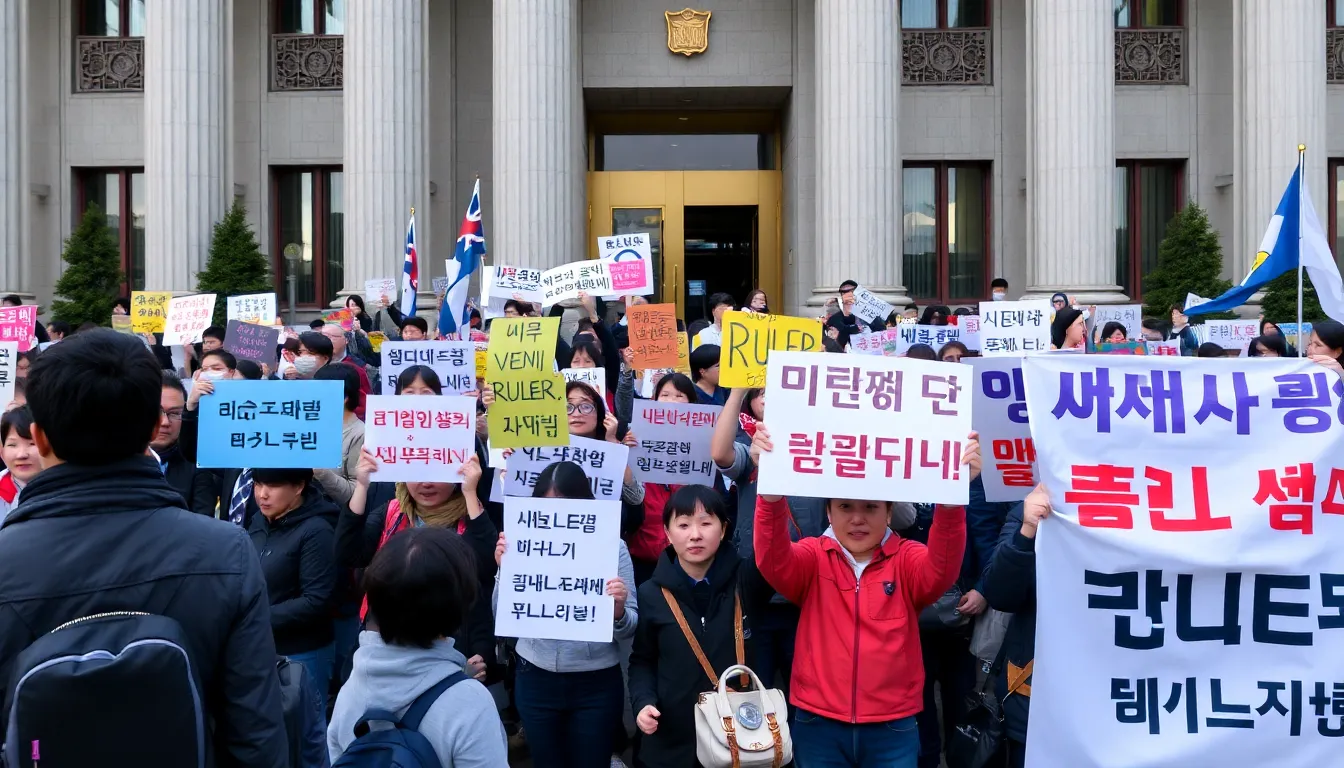
One of the most notable scandals in recent history is the 2016 impeachment of President Park Geun-hye, which stemmed from allegations of collusion with a confidante who was accused of manipulating state affairs for personal gain. This scandal not only led to Park’s removal from office but also ignited massive protests across the nation, highlighting the public’s intolerance for corruption and their demand for accountability. The aftermath of this scandal saw a renewed focus on transparency and governance in South Korea, setting a precedent for how political misconduct is addressed.
The role of social media in shaping public reaction
In the age of digital communication, social media has become a powerful tool for mobilizing public sentiment and organizing protests. The Park Geun-hye scandal exemplified this shift, as citizens utilized platforms like Twitter and Facebook to share information, organize rallies, and express their dissatisfaction with the government. This trend has continued into more recent events, where social media plays a crucial role in amplifying voices and facilitating rapid responses to emerging scandals.
As South Korea grapples with the current ‘Ruler scandal’, it is essential to consider this historical backdrop. The explosive reaction from the public can be seen as a continuation of a societal expectation for ethical governance, reflecting lessons learned from the Park Geun-hye scandal.
Key stakeholders and the main issues at play
The Ruler scandal in South Korea has drawn attention from various stakeholders, each with distinct interests and perspectives. Key actors include the South Korean government, the ruling political party, opposition parties, civil society organizations, and the general public. Understanding their motivations and concerns is crucial to grasping the broader implications of the scandal.
At the forefront is the South Korean government, which aims to maintain public trust and political stability. The ruling party is particularly invested in managing the fallout from the scandal, as any perceived misstep could jeopardize their political capital ahead of upcoming elections. Conversely, opposition parties see this as an opportunity to capitalize on the ruling party’s vulnerabilities, potentially rallying public support by framing the scandal as indicative of broader issues within the government.
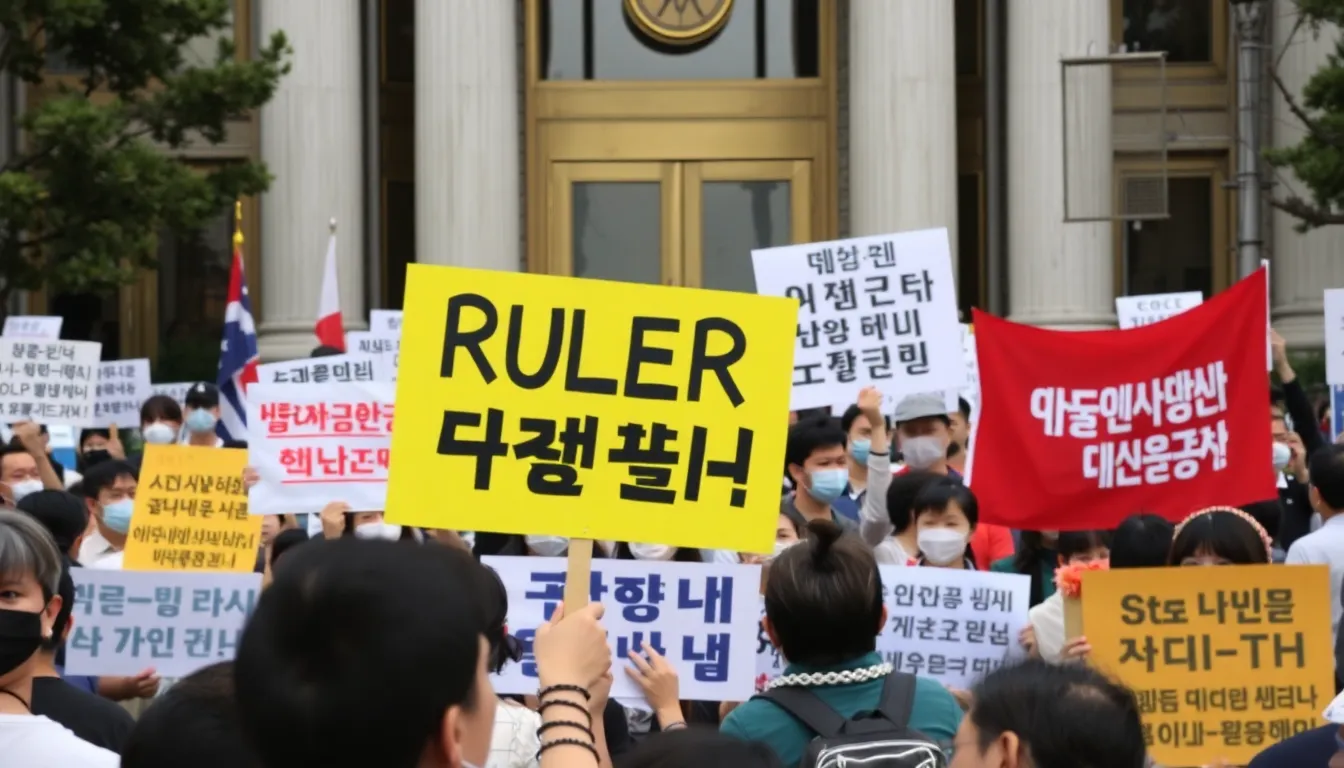
Civil society organizations are also significant stakeholders, advocating for accountability and transparency. Their interest lies in ensuring that the government addresses the concerns raised by the scandal, which they argue reflects deeper systemic problems. These organizations often mobilize public opinion, organizing protests or campaigns to demand action, thereby influencing the political landscape.
Key issues at play include the legal ramifications of the scandal, which could lead to investigations and potential charges against involved parties. Economic implications are also noteworthy, as public dissatisfaction may affect investor confidence and economic stability. The balancing act between addressing public concerns and maintaining political power creates a complex environment for all stakeholders.
- Government’s need to uphold public trust and political stability.
- Opposition parties seeking to exploit the scandal for political gain.
- Civil society’s push for accountability and transparency.
- Potential legal consequences for those implicated in the scandal.
- Economic impacts stemming from public sentiment and investor confidence.
Who is affected by the Ruler scandal and how
The Ruler scandal has far-reaching implications, impacting various groups across South Korea. Primarily, political figures, government officials, and the general public are at the forefront of this controversy. The political landscape is particularly affected, with potential shifts in public opinion and trust towards elected officials.
Industries related to governance, public relations, and media are also feeling the effects. As the scandal unfolds, businesses that rely on government contracts may face uncertainty, leading to a ripple effect across sectors that depend on stable political environments. Additionally, the tourism and hospitality sectors may experience fluctuations in visitor numbers as international perceptions of South Korea are influenced by the scandal.
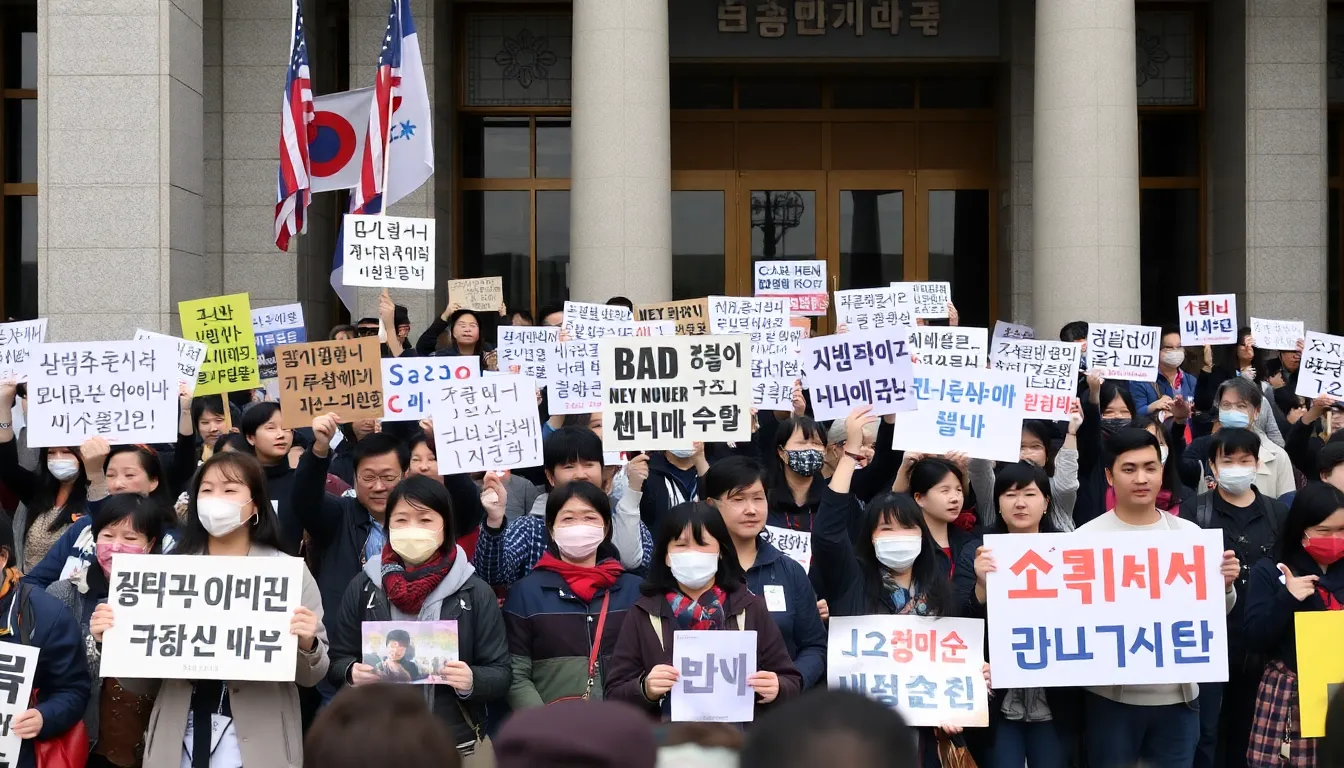
In the short term, daily life may see increased scrutiny of government actions and policies, leading to heightened civic engagement and protests. The immediate response from the public could force policymakers to reconsider certain regulations or practices, creating a more transparent environment. However, this could also lead to a climate of fear among officials, potentially stifling innovation and decision-making.
- Short-term impacts: Increased protests and civic engagement, scrutiny on government practices.
- Mid-term impacts: Potential policy shifts and changes in public trust towards officials.
- Risks: Instability in industries reliant on government contracts, negative international perceptions.
- Opportunities: Push for reforms and transparency, potential growth in civic organizations and movements.
As the scandal continues to develop, the long-term implications for South Korean society and its political landscape remain to be seen. However, the current climate presents both challenges and opportunities for change that could reshape the future of governance in the country.
A: The Ruler scandal was triggered by a seemingly minor incident involving a public figure, which quickly escalated due to public outrage and media coverage. A: South Korea has a history of strong public reactions to political scandals, often fueled by a culture of accountability and the desire for transparency. A: The potential consequences include political fallout for those involved, changes in public policy, and a shift in public trust towards institutions. A: This scandal shares similarities with past events, where minor issues have led to major political upheaval, highlighting the sensitivity of the public to perceived misconduct.
Frequently asked questions about the Ruler scandal
Key takeaways and future outlook on the scandal
The recent scandal surrounding the ruler incident in South Korea has ignited a wave of public sentiment, revealing deeper societal tensions and expectations from leadership. While the incident may seem trivial at first glance, it has sparked significant discourse around accountability, transparency, and the role of public figures in setting standards for behavior. The explosive reaction underscores a cultural shift towards demanding higher ethical standards from those in power.
As the fallout continues, it is essential to monitor how this incident influences public trust in government institutions and the potential for increased civic engagement. The implications could extend beyond this singular event, shaping future political landscapes and public discourse in South Korea.
- Watch for potential policy changes aimed at increasing transparency and accountability in government.
- Observe shifts in public sentiment that could affect upcoming elections and political candidates.
- Consider the role of social media in amplifying public reactions and shaping narratives around similar incidents.
- Pay attention to how this scandal may influence other sectors, such as corporate governance and ethical standards in business.
- Monitor the response from educational institutions regarding civic responsibility and ethical leadership training.