
Internationally, countries such as China and India are making significant strides in lunar exploration. China’s Chang’e 6 mission, scheduled for late 2023, aims to bring back samples from the Moon’s south pole, while India’s Chandrayaan-3 successfully landed on the lunar surface in August 2023. These missions highlight a growing global interest in lunar resources and scientific research, as discussed in related posts like China Aiming for the Moon and NASA Looking Over Its Shoulder.
The strategic importance of the Moon is underscored by the increasing focus on its potential resources, such as water ice, which can support human life and fuel future space missions. The establishment of the Artemis Accords, a framework for international cooperation in lunar exploration, reflects the collaborative efforts among nations to explore the Moon responsibly and sustainably.
Moreover, the advancements in technology and the involvement of private companies like SpaceX and Blue Origin are reshaping the landscape of lunar exploration. These companies are not only providing launch services but also developing lunar landers and habitats, further accelerating the pace of exploration and commercialization of lunar resources.
Historical context of moon missions and their achievements
The exploration of the moon has been a significant milestone in human history, representing not only technological advancement but also the spirit of discovery. The United States’ Apollo program, which culminated in the first successful manned moon landing in 1969, marked a pivotal moment during the Cold War. The space race was not merely about scientific exploration; it was a demonstration of technological superiority and national pride, particularly between the United States and the Soviet Union.
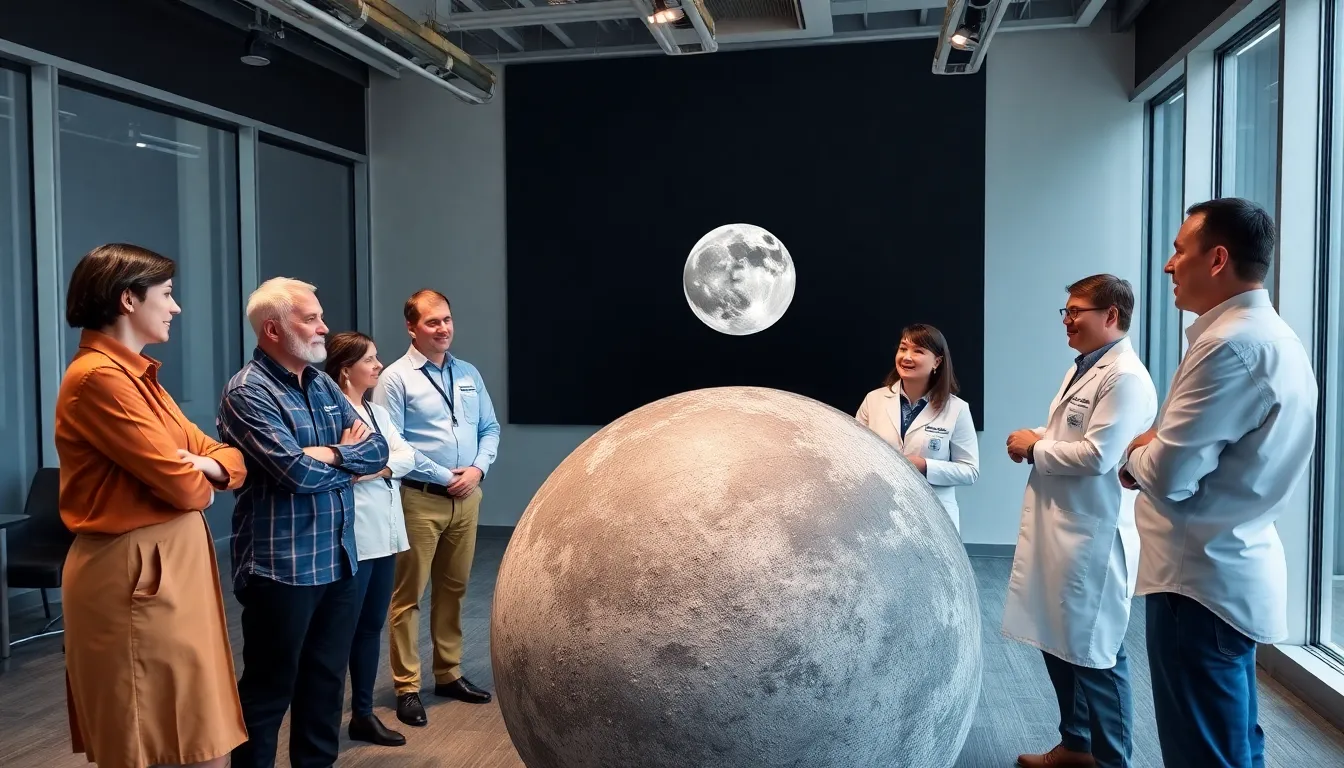
The Apollo 11 mission, where astronauts Neil Armstrong and Buzz Aldrin became the first humans to walk on the lunar surface, was a monumental achievement that inspired generations. This event was watched by millions worldwide, showcasing human ingenuity and the potential for international cooperation in space exploration. For more on the significance of this mission, see Artemis II Launch Marks a New Era in Space Exploration.
Political and Economic Implications
The political landscape during the era of moon missions was heavily influenced by the desire for geopolitical dominance. The U.S. government invested billions in NASA, recognizing that space exploration could bolster national security and technological leadership. The economic implications were profound, as the space race spurred advancements in various sectors, including telecommunications, materials science, and computer technology, leading to innovations that have shaped modern life.
As the decades passed, interest in lunar exploration waned, with funding and public enthusiasm declining. However, recent developments, including renewed interest from both governmental and private sectors, have reignited discussions about the moon’s significance. Understanding the historical context of past missions is crucial in evaluating the future of lunar exploration, reflected in articles such as Artemis II astronauts prepare for historic journey to the far side of the moon.
Today, as nations and private companies prepare for a new era of lunar exploration, the question remains: does going to the moon still matter? Understanding the historical context of past missions is crucial in evaluating the future of lunar exploration and its implications for humanity.
Key stakeholders and their perspectives on lunar exploration
Lunar exploration continues to capture the attention of various stakeholders, each with distinct interests and motivations. Key actors include national governments, space agencies, private companies, and scientific communities. Their involvement in lunar missions highlights a complex interplay of political, economic, and technological factors.
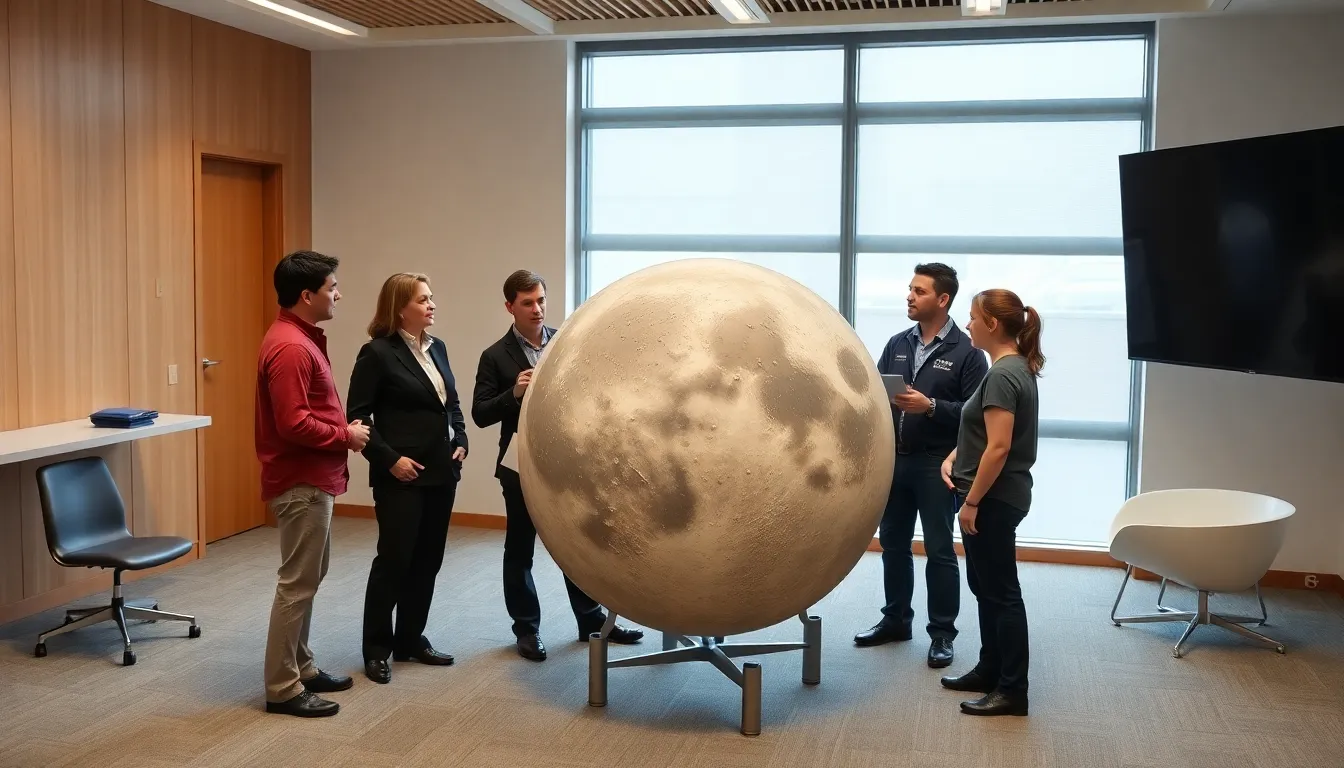
Governments, particularly those of the United States, China, and Russia, see lunar exploration as a means to assert geopolitical power and technological prowess. For instance, NASA’s Artemis program aims to return humans to the Moon by 2024, emphasizing not only scientific discovery but also international collaboration and commercial partnerships. In contrast, China’s lunar ambitions, exemplified by its Chang’e program, focus on establishing a sustainable presence on the Moon, which may lead to tensions over territorial claims and resource rights.
Private companies like SpaceX, Blue Origin, and others are also pivotal in this landscape. Their interests often revolve around commercial opportunities such as lunar tourism, resource extraction, and satellite deployment. The emergence of these private entities introduces competition and innovation, but also raises concerns about regulation, safety, and environmental impact.
Key issues surrounding lunar exploration include:
- Resource Utilization: The potential for mining lunar resources like Helium-3 and water ice could lead to economic benefits but also disputes over ownership and environmental stewardship.
- International Treaties: The Outer Space Treaty of 1967 establishes that celestial bodies cannot be claimed by any nation, yet the increasing interest in lunar exploration may challenge its effectiveness.
- Technological Risks: The complexities of lunar missions pose significant risks, including the safety of astronauts and the reliability of new technologies.
- Public Interest and Funding: As public interest fluctuates, securing funding for lunar missions becomes a challenge, necessitating a balance between scientific goals and budgetary constraints.
In summary, the dynamics of lunar exploration involve a diverse array of stakeholders whose conflicting interests and collaborative efforts shape the future of humanity’s presence on the Moon. Understanding these perspectives is crucial for navigating the challenges and opportunities that lie ahead in this new era of space exploration.
Impacts of moon missions on science and society
The pursuit of lunar exploration continues to resonate across various sectors, affecting scientists, engineers, policymakers, and the general public alike. As nations and private companies invest in moon missions, the implications extend beyond mere scientific discovery, influencing economic growth, education, and international relations.
In the short term, industries related to aerospace, technology, and education are poised to experience significant impacts. Companies involved in manufacturing spacecraft, developing satellite technology, and creating software for navigation and communication are likely to see increased demand for their products and services. Educational institutions may also benefit, as interest in STEM (Science, Technology, Engineering, and Mathematics) fields rises among students inspired by lunar missions.
Mid-term impacts could include shifts in policy regarding space exploration and international collaboration. As countries strive to establish a presence on the moon, there may be new treaties and agreements aimed at regulating lunar activities, which could reshape global partnerships. Additionally, advancements in technology derived from moon missions can lead to innovations in other sectors, such as renewable energy and materials science.
- Economic Growth: Increased investment in space-related industries can stimulate job creation and technological advancements.
- Education and Inspiration: Lunar missions may inspire a new generation of scientists and engineers, leading to a more skilled workforce.
- International Collaboration: Space exploration can foster diplomatic relations and joint ventures among nations.
- Technological Innovation: Research and development for moon missions can result in breakthroughs applicable to other fields.
However, there are risks associated with these endeavors. The significant financial investment required for lunar missions may divert funds from pressing terrestrial issues, such as climate change and public health. Additionally, the potential for geopolitical tensions over lunar resources could lead to conflicts, undermining the collaborative spirit that space exploration ideally promotes.
A: Lunar missions continue to push the boundaries of science and technology, offering insights into our solar system and potential resources for future space exploration. A: Current missions aim to establish a sustainable human presence on the moon, conduct scientific research, and prepare for future missions to Mars. A: Research from lunar missions can lead to advancements in technology, inspire education in STEM fields, and foster international collaboration. A: Challenges include funding, technological hurdles, and ensuring the safety of astronauts during long-duration space travel. A: Yes, private companies are increasingly participating in lunar exploration, providing innovative solutions and reducing costs associated with space missions.
Frequently asked questions about lunar exploration
Future outlook on lunar missions and their significance
The ongoing discussions about lunar missions highlight their multifaceted importance, extending beyond mere exploration. As nations and private entities invest in returning to the Moon, the implications for technology, international collaboration, and scientific advancement become increasingly evident. The Moon serves not only as a destination but also as a stepping stone for future deep-space exploration, including potential missions to Mars and beyond.
Moreover, the resurgence of interest in lunar exploration underscores the necessity of addressing global challenges, such as climate change and resource management. The Moon’s resources, such as water ice, could play a critical role in sustaining human presence in space and could even provide insights into Earth’s own environmental issues. As we look to the future, the significance of lunar missions will likely continue to evolve, shaping our understanding of both the cosmos and our own planet.
- Technological innovation: Expect advancements in robotics, AI, and sustainable technologies that will emerge from lunar missions.
- International collaboration: Watch for increased partnerships among countries and private companies, fostering a spirit of cooperation in space exploration.
- Resource utilization: The potential for mining lunar resources may lead to new economic models and opportunities for sustainable practices on Earth.
- Scientific research: Anticipate breakthroughs in our understanding of the Moon’s geology and its implications for Earth’s history.
- Public engagement: Increased public interest in space exploration may drive educational initiatives and inspire future generations of scientists and engineers.