
Hodgson, who previously managed the England national team and has a wealth of experience in club football, is known for his ability to connect with players of all ages. His decision to focus on the youth within Bristol City reflects a strategic approach to building a solid foundation for the future, emphasizing the importance of developing homegrown talent, much like Max Ojomoh reflects on his experiences in the game.
The timing of Hodgson’s involvement is particularly significant as Bristol City seeks to improve its performance in the Championship. With the season approaching its midway point, the club is eager to capitalize on Hodgson’s expertise to navigate the competitive landscape and avoid relegation threats.
Fans and analysts alike are watching closely to see how Hodgson’s mentorship will impact the younger squad members and the overall dynamics of the team. His presence not only brings experience but also a sense of stability, which could prove vital as Bristol City aims for a turnaround in their fortunes.
Understanding Roy Hodgson’s career and past with Bristol City
Roy Hodgson’s return to the managerial scene at Bristol City marks a significant chapter in a long and storied career that spans several decades. Known for his tactical acumen and ability to adapt to different footballing cultures, Hodgson’s journey has seen him manage clubs and national teams across Europe and beyond. His tenure at Bristol City, although brief, left an indelible mark on the club and its supporters, similar to the impact of Frank’s downfall in connecting with players.
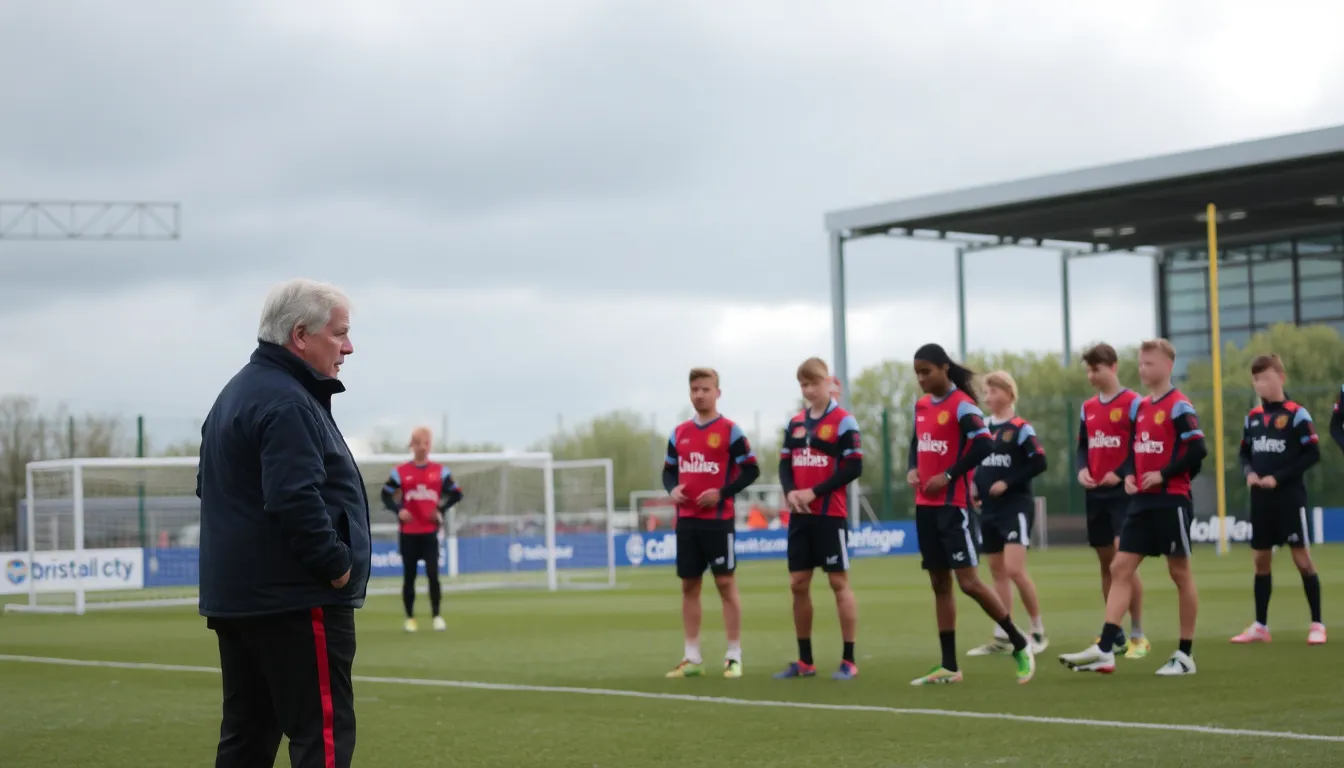
The historical context of Hodgson’s career is rooted in his early days as a coach in the 1970s, where he honed his skills in Sweden and Switzerland. This international experience shaped his approach to management, emphasizing teamwork and discipline. His return to England and subsequent roles, including a notable stint at Fulham, showcased his ability to elevate clubs to new heights, making him a respected figure in English football.
Hodgson’s connection to Bristol City can be traced back to his time in the lower leagues, where he fostered young talent and instilled a strong work ethic. His philosophy of nurturing players resonates with the current trend in football, where clubs are increasingly investing in youth development, much like Sutton’s predictions about the future of football dynamics.
The Evolution of Football Management
The landscape of football management has evolved significantly since Hodgson first entered the profession. The rise of analytics, sports science, and a greater emphasis on player welfare have transformed how managers operate. Hodgson’s ability to adapt to these changes while remaining true to his core principles has been a hallmark of his career. His recent decision to engage with younger players at Bristol City reflects this evolution, as he seeks to bridge the gap between experience and youthful exuberance.
As Hodgson navigates this new chapter, his legacy as a manager who values both experience and youth will undoubtedly influence the trajectory of Bristol City. His return to the club is not just about tactics and strategy; it is about fostering a culture that embraces growth, resilience, and a shared vision for the future.
The implications of Hodgson’s approach to engaging with young fans
Roy Hodgson’s recent decision to connect with younger fans during his return to Bristol City highlights several key stakeholders in the football community. These include the club’s management, young supporters, their parents, and the broader football association. Each of these groups has distinct interests that can influence the dynamics of fan engagement.

For the club’s management, fostering a strong relationship with young fans is crucial for building a loyal supporter base. Engaging with youth can lead to increased attendance at matches, which directly impacts the club’s revenue. Additionally, young fans are often seen as the future of the club, making their engagement vital for long-term sustainability.
Young supporters themselves are eager for recognition and connection with their heroes. Hodgson’s willingness to interact with them not only boosts their morale but also encourages a sense of belonging within the football community. This interaction can foster a new generation of dedicated fans, which is essential for the club’s future.
However, there are potential conflicts and trade-offs to consider. For instance, while engaging with young fans is beneficial, there may be pressure on Hodgson to balance this with the expectations of older supporters who may have different interests. Moreover, the club must navigate the legal and ethical considerations surrounding the engagement of minors, ensuring that any interactions are appropriate and respectful.
- Increased revenue through higher match attendance.
- Potential backlash from older fans who feel overlooked.
- Legal considerations regarding the engagement of minors.
- Long-term loyalty from young supporters.
- Impact on team performance due to distractions or expectations.
Overall, Hodgson’s approach to engaging with young fans presents a multifaceted scenario that requires careful consideration of the interests and concerns of all stakeholders involved. It reflects a broader trend in sports where clubs are increasingly recognizing the importance of youth engagement in building a vibrant and sustainable fan culture.
How Hodgson’s actions may influence youth engagement in football
Roy Hodgson’s decision to engage with younger players during his return to Bristol City could have significant implications for various groups, particularly youth footballers, clubs, and local communities. As a respected figure in the sport, Hodgson’s actions may inspire a new generation of players, encouraging them to pursue their passion for football.

In the short term, Hodgson’s presence can boost morale among local youth teams, fostering a sense of pride and aspiration. Young players may feel more motivated to train and improve, knowing that they have the support of a seasoned professional. This could lead to increased participation in local football programs, which is essential for the growth of the sport.
From a business perspective, local clubs may experience a rise in attendance and engagement due to Hodgson’s influence. Increased visibility can attract sponsorships and funding, allowing clubs to invest in better facilities and coaching staff. This creates a positive cycle where improved resources lead to better training and development opportunities for young players.
However, there are also risks associated with this heightened attention. If the expectations set by Hodgson’s involvement are not met, it could lead to disillusionment among young players and their families. Additionally, there is the potential for increased competition among clubs for talent, which may strain resources and create tension within local football communities.
- Increased youth participation: More young players may join local teams.
- Boost to local clubs: Higher attendance and potential sponsorship opportunities.
- Community engagement: Strengthened ties between clubs and local populations.
- Heightened expectations: Risk of disillusionment if outcomes do not meet aspirations.
In the mid-term, the impact of Hodgson’s engagement could lead to a more vibrant football culture in the region. If clubs successfully harness this momentum, they may establish stronger youth academies and programs that prioritize skill development and inclusivity. This can create a more robust pipeline of talent for professional teams, benefiting the sport on a larger scale.
A: Hodgson’s return marks a reunion with a club where he previously had success, and his approach to connecting with younger fans highlights a shift in how managers can engage with the community. A: Staying down with the kids refers to Hodgson’s efforts to relate to younger fans, making the sport more accessible and enjoyable for them. A: By actively engaging with young fans, Hodgson could inspire a new generation of football enthusiasts, potentially increasing attendance and participation in local football activities. A: Hodgson may encounter skepticism from traditional fans or face challenges in balancing professional responsibilities with community engagement. A: The media has largely viewed Hodgson’s return positively, highlighting his experience and the potential benefits of his community-focused approach.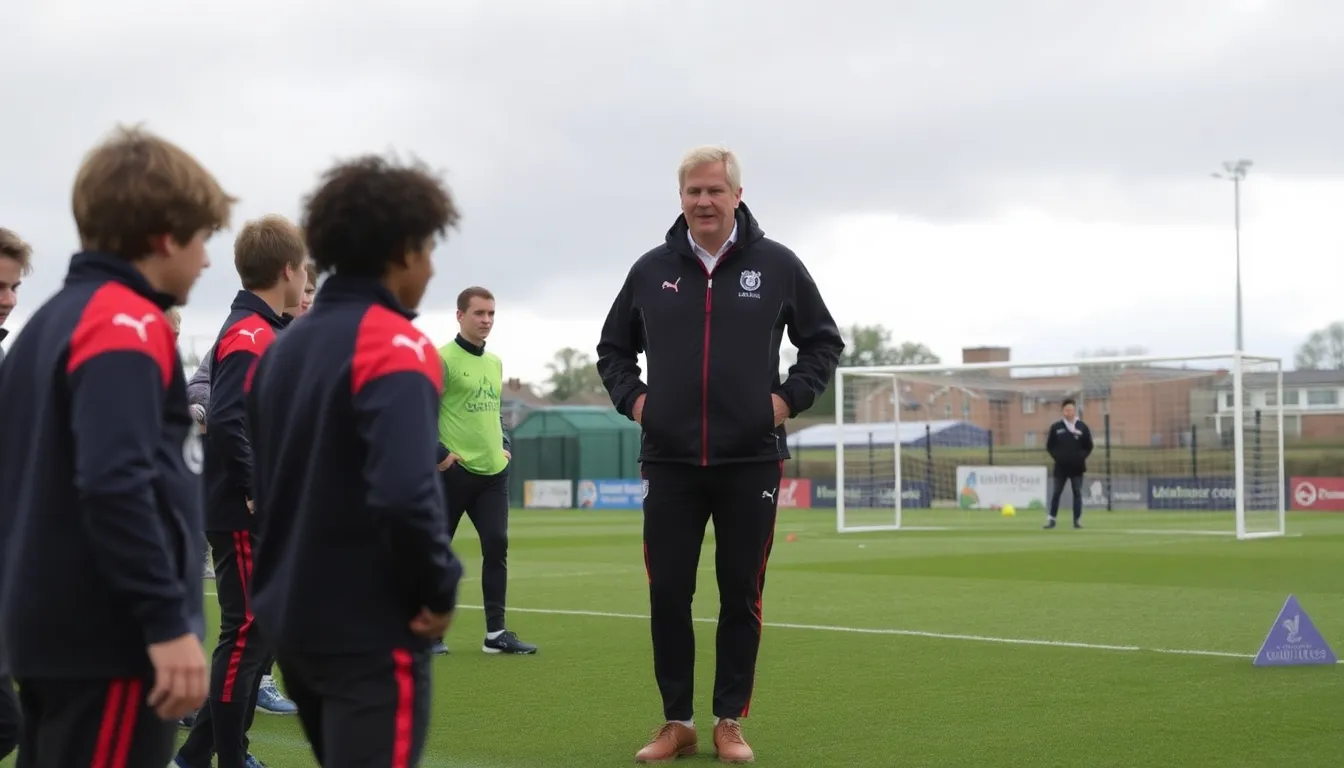
Frequently Asked Questions about Roy Hodgson’s return
Key takeaways and future implications of Hodgson’s strategy
Roy Hodgson’s return to Bristol City marks a significant moment in his managerial journey, particularly with his approach to engaging younger players. By staying “down with the kids,” Hodgson not only demonstrates his adaptability but also emphasizes the importance of nurturing talent within the club. This strategy could reshape the dynamics of the team, fostering a more cohesive environment where experienced players mentor the youth.
As Hodgson continues to implement this approach, it will be crucial to monitor how it affects team performance and player development. The blend of seasoned insight and youthful energy may prove to be a winning combination as Bristol City navigates the challenges ahead.
- Watch for the integration of younger players into the first team, which could lead to a more dynamic playing style.
- Expect an increase in mentorship opportunities, enhancing the growth of both young talents and veteran players.
- Observe how Hodgson’s approach influences team morale and cohesion, potentially leading to improved performance on the pitch.
- Consider the long-term implications for Bristol City’s youth academy, as success could attract more talent to the club.
- Keep an eye on the tactical adjustments Hodgson makes, as his strategies may evolve to better utilize the strengths of a younger squad.