
Researchers from various institutions, including the National Oceanic and Atmospheric Administration (NOAA), have reported that the combination of extreme heat, prolonged drought, and strong winds contributed to the rapid spread of the fires. To understand more about the impact of heat on such events, you may want to check out Understanding the Effects of Hot Weather on the Body.
In addition to the immediate financial impact, the wildfires have raised concerns about long-term environmental damage and public health risks. Smoke from the fires has affected air quality across the country, leading to health advisories and increased hospitalizations for respiratory issues. This situation underscores the urgent need for comprehensive policies aimed at mitigating future wildfire risks.
As the federal and state governments assess the damage and allocate resources for recovery, discussions are intensifying around the implementation of more sustainable land management practices. Experts warn that without significant changes, the frequency and intensity of wildfires are likely to escalate in the coming years, further straining local economies and emergency services.
Understanding the factors contributing to wildfire severity
Wildfires have been a recurring issue across the globe, but the severity and cost of these disasters have escalated dramatically in recent years. The year 2025 marked a significant turning point, as researchers reported that it was the costliest year for wildfires on record. This alarming trend can be traced back to a combination of climatic, ecological, and socio-economic factors that have converged to create a perfect storm for wildfire outbreaks, particularly in relation to understanding the extreme rise in temperature records.
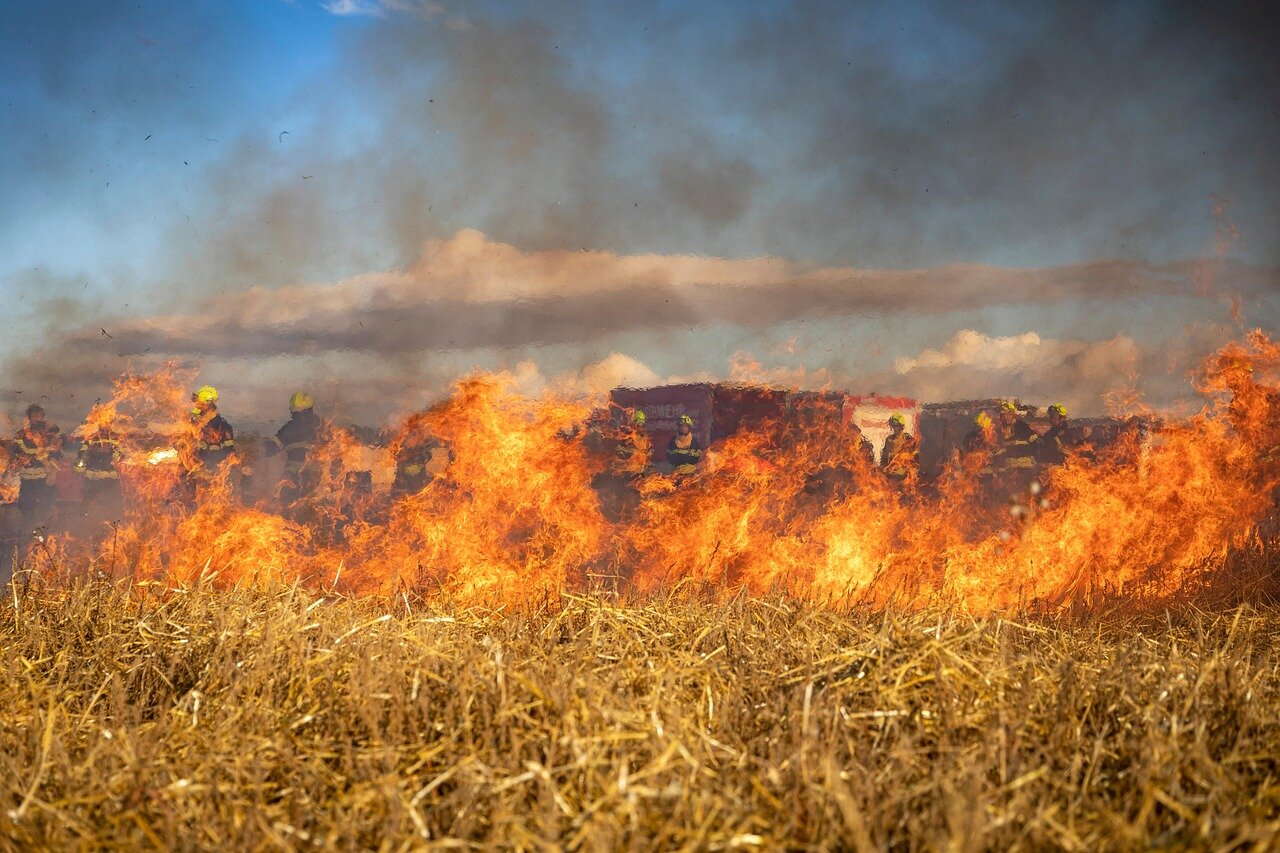
Historically, wildfires have been a natural part of many ecosystems, playing a crucial role in maintaining ecological balance. However, as climate change accelerates, the conditions that fuel these fires have intensified. Rising temperatures, prolonged droughts, and shifting precipitation patterns have created an environment ripe for wildfires. According to climate scientists, the past few decades have seen an increase in extreme weather events, which have exacerbated the frequency and intensity of wildfires.
Politically, the management of land and resources has also contributed to the escalating wildfire crisis. Policies that prioritize land development over conservation have led to the encroachment of human settlements into fire-prone areas. Moreover, inadequate funding for forest management and fire prevention strategies has left many regions vulnerable. As communities expand into wildland areas, the risk of catastrophic fires increases, creating a cycle of destruction that is difficult to break.
The Economic Impact of Wildfires
The economic ramifications of wildfires are profound and far-reaching. In 2025, the total costs associated with wildfires, including property damage, firefighting efforts, and recovery expenses, reached unprecedented levels. The insurance industry faced significant claims, which in turn affected premiums for homeowners in high-risk areas. Additionally, the loss of natural resources and tourism revenue further strained local economies, highlighting the urgent need for comprehensive wildfire management strategies.
Socially, the impact of wildfires extends beyond immediate economic concerns. Communities affected by wildfires often face displacement, loss of homes, and emotional trauma. The psychological effects of such disasters can linger for years, affecting mental health and community cohesion. As the frequency of wildfires continues to rise, understanding the underlying factors and addressing them becomes increasingly critical for the safety and well-being of affected populations.
Key stakeholders involved in wildfire management and response
The 2025 wildfires, deemed the costliest in history, have brought multiple stakeholders into the spotlight, each with distinct interests and responsibilities. Among the primary actors are government agencies, non-profit organizations, local communities, and private sector stakeholders. The interplay between these groups shapes the effectiveness of wildfire management and response efforts, which highlights the importance of policies discussed in the context of toxic identity politics.
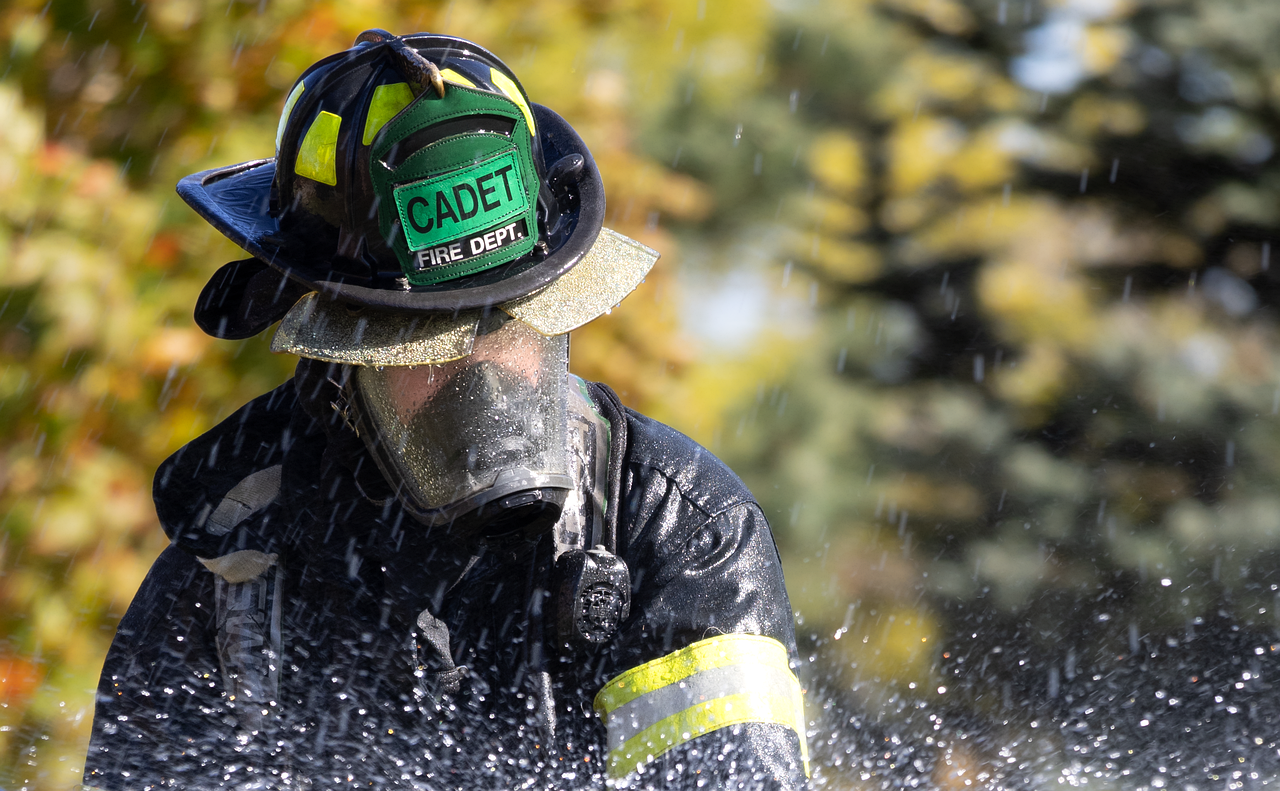
Government agencies at both the federal and state levels are crucial players, tasked with formulating policies and allocating resources for wildfire prevention and response. Their interests often revolve around public safety, environmental protection, and budget constraints. For instance, the U.S. Forest Service and state fire departments are focused on enhancing firefighting capabilities, while also navigating the complexities of land management and ecological conservation.
Non-profit organizations, such as the National Wildlife Federation and local environmental groups, advocate for sustainable practices and increased funding for wildfire preparedness. Their interests typically align with promoting ecological health and community resilience. However, there can be conflicts between these organizations and government entities regarding land use policies and the prioritization of resources, particularly in areas prone to wildfires.
- Local communities often face the direct consequences of wildfires, leading to a push for better emergency response systems and community education programs.
- The private sector, including insurance companies and real estate developers, has a vested interest in understanding wildfire risks to protect their investments and manage liabilities.
- Conflicts may arise between economic development and environmental conservation, particularly in regions where land is being developed for housing or commercial use.
Legal issues also play a significant role in wildfire management. Liability concerns can arise when wildfires are linked to negligence or inadequate fire prevention measures, leading to litigation against responsible parties. Furthermore, regulatory frameworks governing land use and forest management can create trade-offs between economic interests and environmental sustainability, complicating the decision-making process for stakeholders involved.
The widespread effects of the wildfires on communities and economies
The 2025 wildfires have left a profound impact on various groups, industries, and regions, particularly those in the western United States. Local communities, especially in rural and suburban areas, have faced devastating losses to homes, infrastructure, and natural resources. The emotional toll on families and individuals affected by displacement and loss cannot be overstated, as many are still grappling with the aftermath of the destruction.
Industries such as agriculture, tourism, and real estate have been significantly impacted. Farmers have seen their crops and livestock endangered, leading to food supply disruptions and increased prices. The tourism sector, reliant on the natural beauty of landscapes, has experienced a decline as visitors avoid fire-affected areas. Furthermore, the real estate market is facing uncertainty, with property values in high-risk zones decreasing.
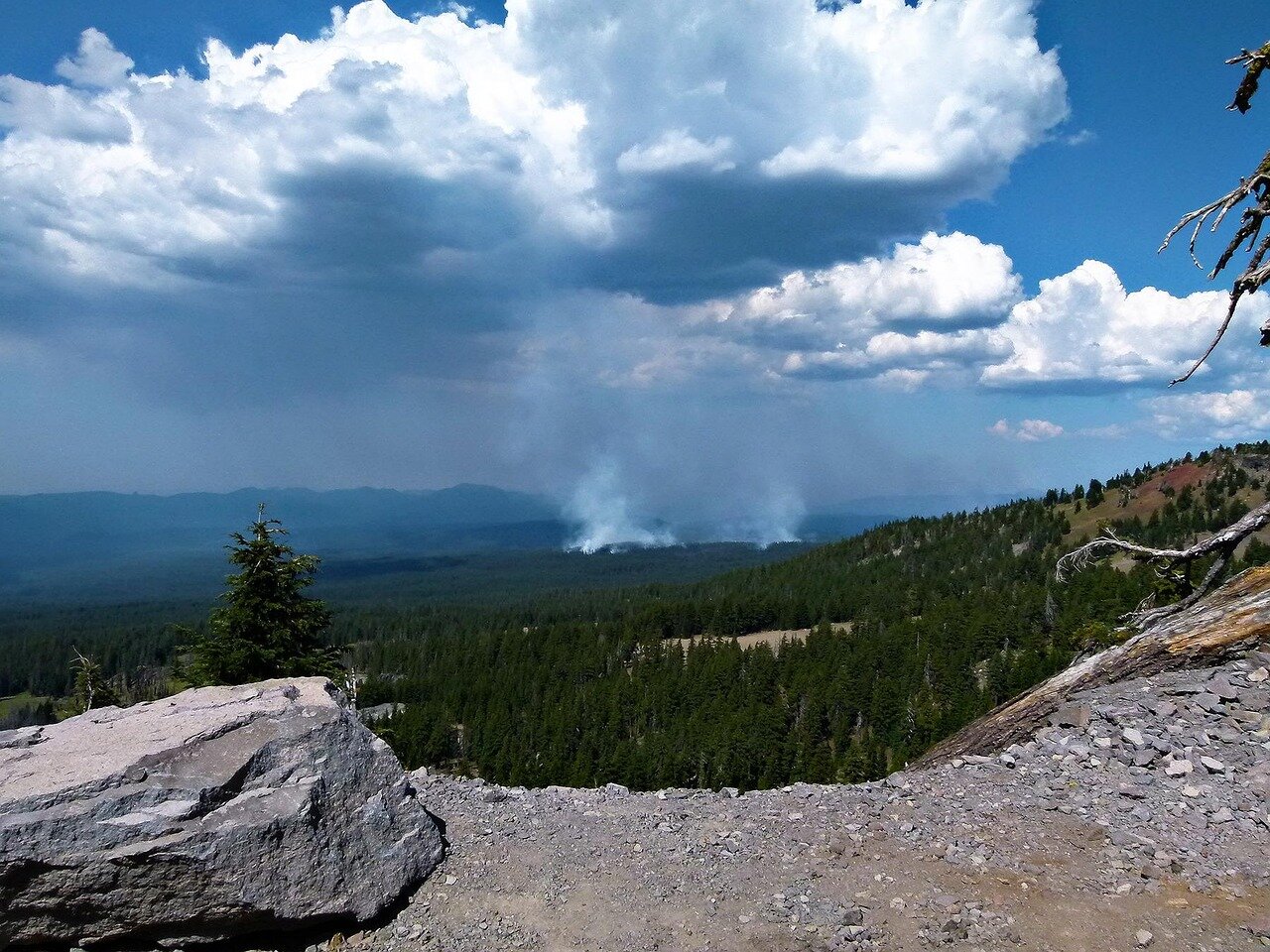
Short-term impacts include immediate disruptions to daily life, such as evacuations, loss of utilities, and emergency services stretched thin. In the mid-term, businesses may struggle to recover, leading to potential job losses and economic downturns in affected regions. Local governments are also likely to face increased pressure to allocate resources for recovery efforts, which may shift funding away from other essential services.
- Increased insurance premiums and difficulty obtaining coverage in high-risk areas.
- Heightened demand for fire-resistant building materials and technologies.
- Potential growth in sectors focused on disaster recovery and environmental restoration.
While the risks are significant, there are also opportunities for innovation and investment in fire prevention and resilience strategies. Companies specializing in sustainable practices may find new markets, and communities might advocate for stronger policies aimed at climate adaptation and emergency preparedness. This duality of risk and opportunity will shape the future landscape of affected areas in the coming years.
A: The wildfires in 2025 were primarily caused by a combination of extreme weather conditions, prolonged drought, and human activities that increased fire risks. A: Researchers estimate the total costs of the 2025 wildfires to be in the billions, making it the costliest wildfire season on record. A: Authorities are implementing stricter land management practices, enhancing community preparedness, and investing in advanced firefighting technologies to mitigate future risks. A: Key stakeholders include government agencies, local communities, environmental organizations, and private sector companies involved in firefighting and land management. A: Local economies faced significant challenges due to property damage, loss of business revenue, and increased costs for emergency services and recovery efforts.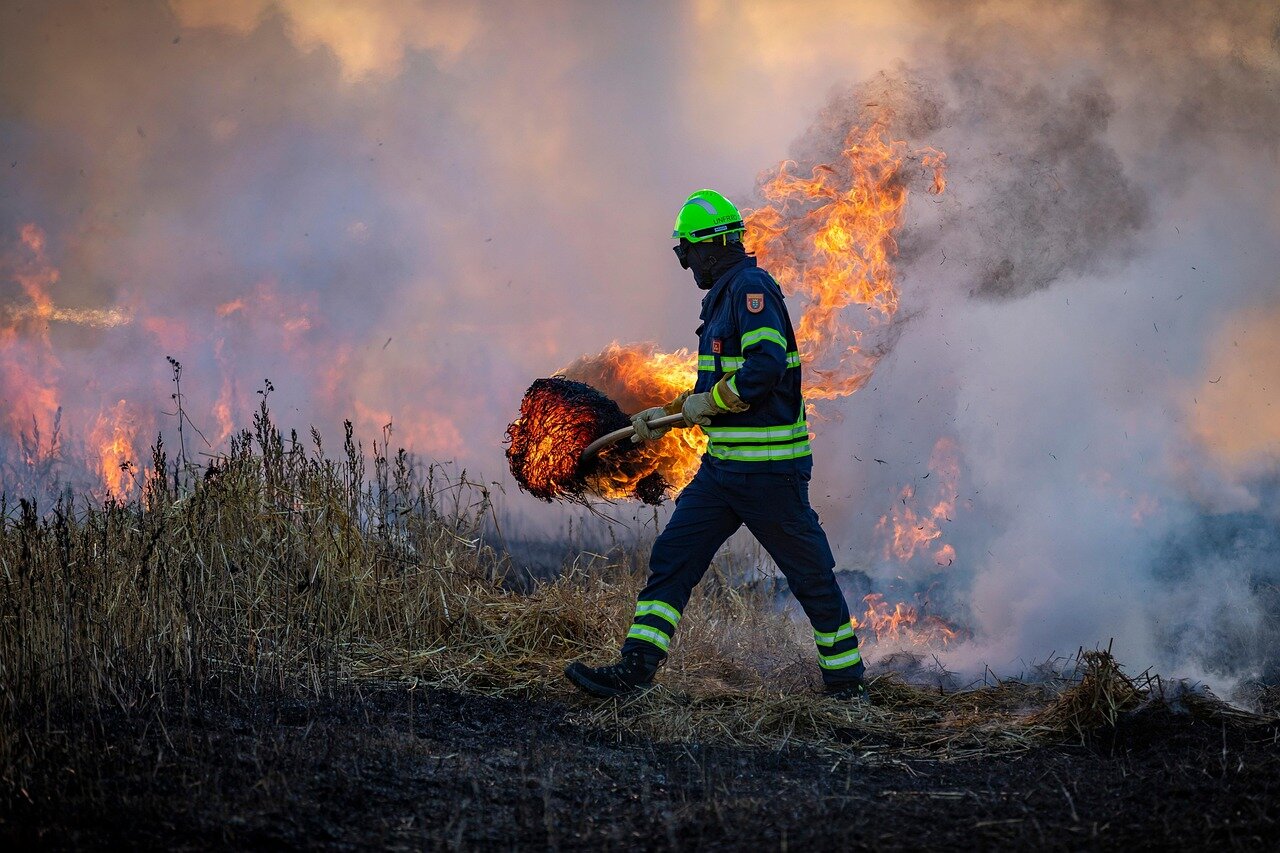
Frequently asked questions about the wildfires
Key takeaways and future outlook on wildfire management
The 2025 wildfires have underscored the urgent need for enhanced strategies in wildfire management, highlighting the financial, environmental, and social toll of such disasters. As climate change continues to escalate, the frequency and intensity of wildfires are expected to rise, necessitating a proactive approach to mitigation and response.
Stakeholders must prioritize investments in infrastructure, community preparedness, and ecological restoration to better manage the risks associated with wildfires. The lessons learned from the 2025 events can inform future policies and practices aimed at reducing the devastating impacts of wildfires on communities and ecosystems.
- Invest in advanced fire detection technologies to enhance early warning systems.
- Implement community-based fire management programs to increase local resilience.
- Focus on sustainable land-use practices to reduce fuel loads in high-risk areas.
- Encourage collaboration between government agencies, researchers, and local communities for comprehensive wildfire strategies.
- Monitor climate trends closely to adapt wildfire management practices in real-time.