
This exhibition is notable not only for its content but also for its timing, coinciding with a growing global appreciation for video games as a medium. For more insights into the impact of gaming, check out our article on Bilibili Gaming Surpasses Gen.G and G2 in Global Power Rankings, which highlights the significance of the gaming industry.
Among the featured titles are iconic games such as “Tetris,” “Minecraft,” and “The Legend of Zelda,” each selected for their unique contributions to the medium. The exhibition also includes contributions from prominent game designers and artists, providing insights into the creative processes behind these influential works. This blend of interactivity and artistry aims to engage a diverse audience, from avid gamers to those unfamiliar with the medium.
The V&A’s exhibition is part of a broader trend in museums worldwide, where institutions are increasingly recognizing the significance of digital art forms. By embracing video games, the V&A not only enhances its own collection but also invites discussions about the future of art in the digital age. This initiative is expected to inspire future exhibitions and collaborations that further blur the lines between traditional art and digital innovation.
Understanding the historical context of video games as art
The evolution of video games from mere entertainment to a recognized form of art has been a complex journey, marked by technological advancements and cultural shifts. In the early days of gaming, from the 1970s to the 1980s, video games were primarily seen as a novelty, with simplistic graphics and gameplay. Titles like “Pong” and “Space Invaders” captivated audiences but were often dismissed as trivial compared to traditional art forms.
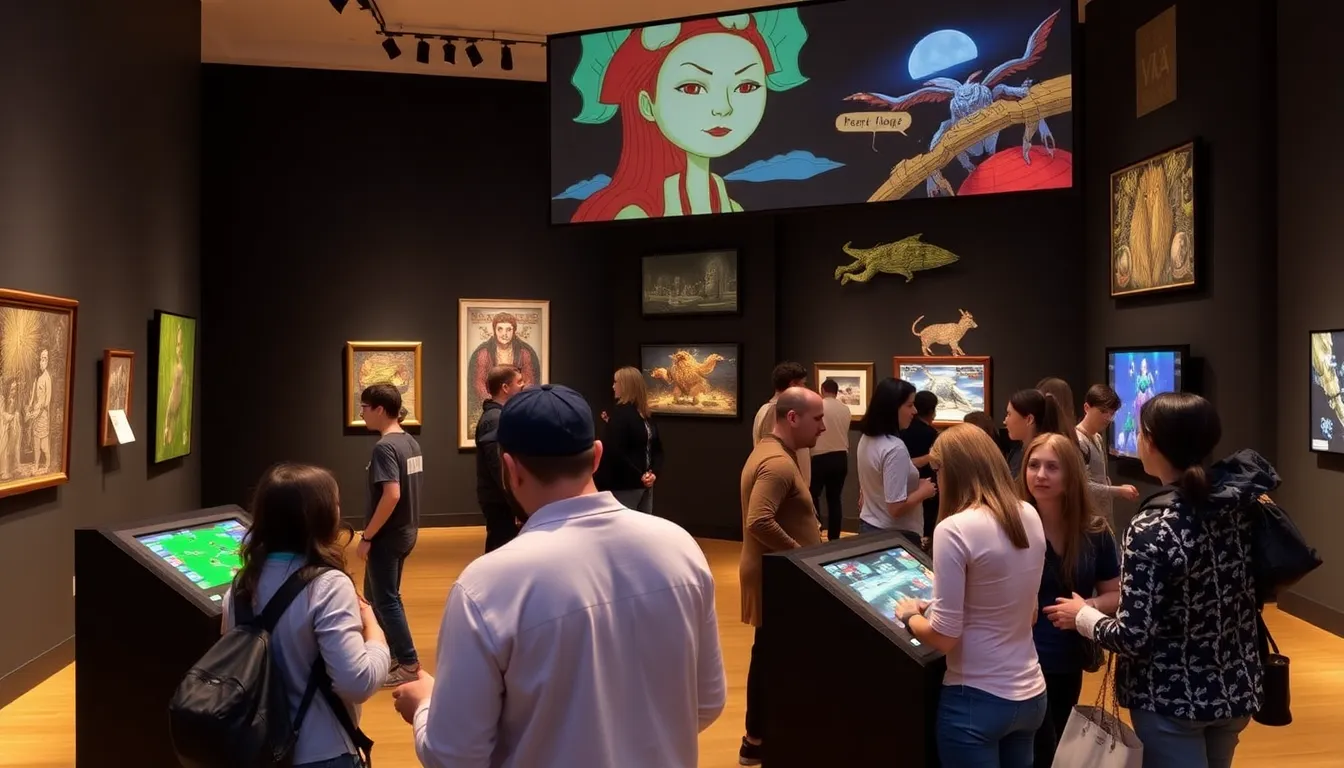
As technology progressed, so did the capabilities of video games. The introduction of 16-bit graphics in the late 1980s and early 1990s allowed for more intricate designs and storytelling, exemplified by iconic titles such as “The Legend of Zelda” and “Final Fantasy.” This period marked the beginning of a cultural recognition of video games as a medium capable of artistic expression, engaging players in narratives that rivaled those found in literature and film.
The Rise of Indie Games
The emergence of indie games in the 2000s further solidified the status of video games as an art form. Independent developers began to explore innovative gameplay mechanics and artistic styles, often tackling complex themes and emotions. Games like “Journey” and “Braid” showcased how video games could evoke deep emotional responses, challenging the perception that gaming was solely about competition and entertainment.
In recent years, institutions like the Victoria and Albert Museum (V&A) have recognized this shift, curating exhibitions that celebrate video games as a legitimate art form. As this topic evolves, it’s crucial to consider the discussion happening in the entertainment sector; for example, Pearlena Igbokwe and Oliver Schusser to Speak at Variety’s Entertainment Marketing Summit sheds light on similar intersections.
As video games continue to evolve, the dialogue surrounding their place in the art world is likely to grow. The intersection of technology, culture, and creativity will keep shaping the landscape, making it essential to understand the historical context that has led to today’s appreciation of video games as a significant artistic medium.
Key stakeholders in the art and gaming industries
The intersection of video games and art invites a diverse array of stakeholders, each with distinct interests and motivations. At the forefront are game developers and artists, who aim to innovate and express creativity through interactive mediums. Institutions like the Victoria and Albert Museum (V&A) play a critical role in legitimizing video games as a form of art, thereby influencing public perception and cultural discourse.
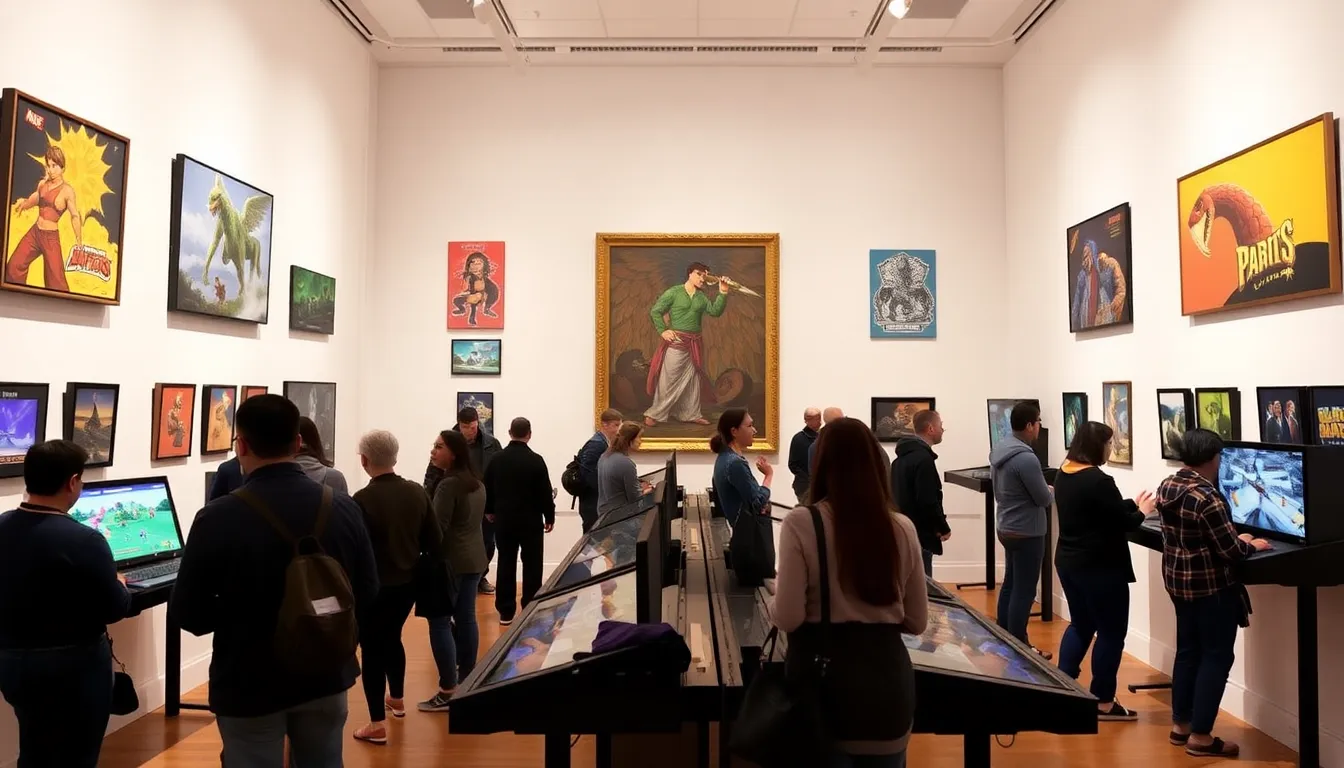
Additionally, players and gaming communities represent a significant stakeholder group. Their engagement not only drives the market but also shapes the narrative around games as a cultural phenomenon. Moreover, academic institutions and researchers are increasingly involved, exploring the implications of video games in art education and cultural studies.
Legal and economic issues also emerge as key points of contention among stakeholders. Intellectual property rights are a major concern, particularly regarding the ownership of digital art and the protection of creative works. As games often incorporate various artistic elements, the question of copyright becomes complex.
- Intellectual Property: Disputes over rights to game assets and artistic content can lead to legal challenges.
- Market Dynamics: The economic viability of games as art influences funding and investment in creative projects.
- Cultural Recognition: The V&A’s exhibitions can elevate the status of video games, impacting how they are perceived in both art and gaming communities.
- Community Engagement: The relationship between players and creators can lead to collaborative projects, but also to tensions regarding creative control.
Understanding these stakeholders and the issues at play provides a clearer picture of the evolving relationship between video games and the art world. For further context on cultural shifts, we discuss the dynamics of real estate and art institutions in our piece about Bard College’s Rise as a Major Real Estate Player 20 Miles Away.
How the exhibition influences public perception of video games
The exhibition “Pixels and Paintings: Video Games Return to the V&A” significantly impacts various groups, including gamers, artists, educators, and cultural institutions. By showcasing video games as a legitimate form of artistic expression, the exhibition challenges traditional views and encourages a broader acceptance of gaming within the art community.
In the short term, the exhibition is likely to enhance the visibility of the gaming industry, leading to increased interest from potential investors and sponsors. This could result in a surge of funding for indie developers and new gaming projects, fostering innovation and creativity. Additionally, educational institutions might incorporate gaming into their curricula, recognizing its value as a medium for storytelling and interactive design.
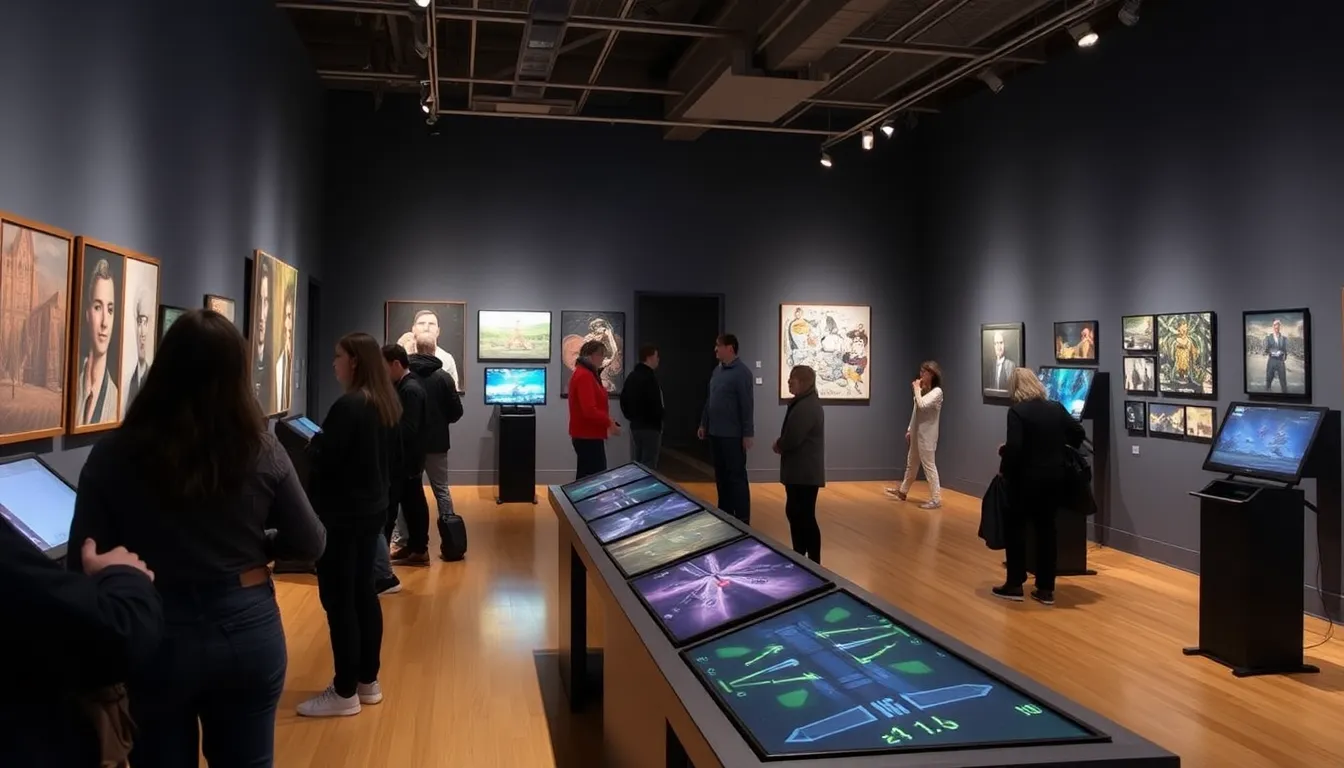
However, there are risks associated with this shift in perception. Some traditional artists and critics may view the rise of video games as a threat to conventional art forms, potentially leading to backlash or resistance within the art community. Furthermore, there is a concern that commercial interests may overshadow the artistic integrity of games, leading to a focus on profit rather than creativity.
- Opportunities: Increased funding for game development and education.
- Risks: Potential backlash from traditional artists.
- Impact on policy: Possible changes in cultural funding priorities.
In the mid-term, the exhibition could reshape cultural policies, prompting governments and institutions to recognize video games as a vital component of cultural heritage. This recognition may lead to new initiatives aimed at preserving and promoting video games as art, ultimately enriching the cultural landscape and providing new avenues for public engagement.
A: The exhibition primarily focuses on the artistic elements of video games and their cultural impact, showcasing various artworks and installations. A: The exhibition is set to run for several months, allowing ample time for visitors to experience the artworks and engage with the themes presented. A: Yes, the exhibition includes interactive installations where visitors can engage with video games and explore their artistic aspects firsthand. A: The exhibition is designed to be family-friendly, with content that appeals to both younger audiences and adults interested in art and gaming.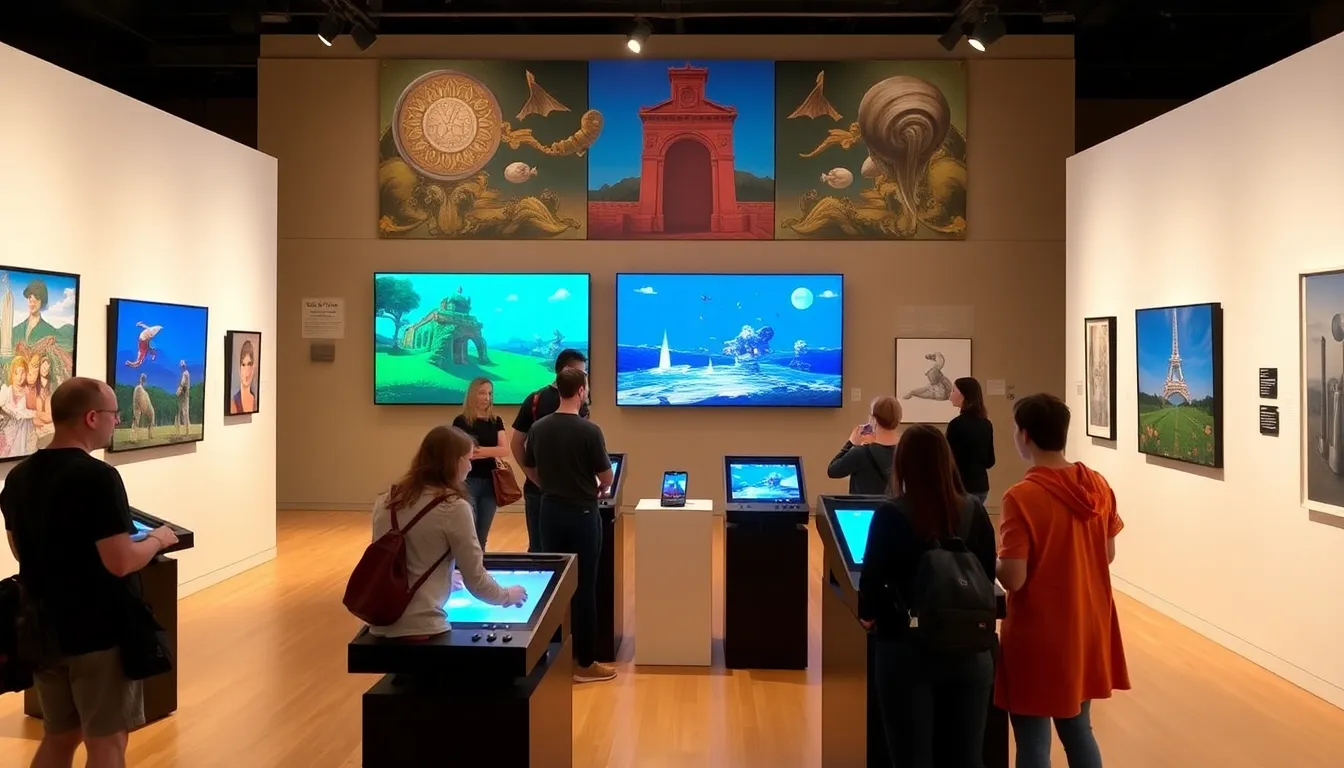
Frequently asked questions about the exhibition
Future implications of art and gaming collaborations
The intersection of video games and traditional art forms, as showcased by the V&A’s exhibit, highlights a significant cultural shift in how we perceive and engage with both mediums. This collaboration not only enriches the narrative of video games as a legitimate art form but also opens new avenues for artists and developers to explore innovative storytelling and immersive experiences.
As the boundaries between digital and physical art continue to blur, stakeholders in both industries should consider the implications for audience engagement, educational opportunities, and the evolution of artistic expression. The V&A’s initiative serves as a model for future partnerships that can redefine how art is consumed and appreciated in the digital age.
- Increased collaboration: Expect more partnerships between art institutions and game developers, leading to innovative exhibitions that challenge traditional notions of art.
- Expanded audience reach: The fusion of gaming and art can attract diverse demographics, engaging younger audiences who may not typically visit art museums.
- New educational frameworks: Institutions may develop educational programs that incorporate gaming into art education, fostering creativity and technological skills.
- Enhanced storytelling: Artists and game designers will likely explore new narrative techniques, utilizing interactive elements to deepen emotional connections with audiences.