
The court’s decision, delivered on October 15, 2023, emphasized the importance of academic freedom and the preservation of historical documents. Stanford argued that the diaries are vital for research and education, contributing to a deeper understanding of China’s political landscape, as highlighted in debates surrounding cultural heritage. The ruling has been met with mixed reactions, reflecting the complexities of international legal disputes over cultural heritage.
This case highlights broader tensions between the United States and China regarding access to historical materials. Scholars and historians have expressed concern that such legal battles could set a precedent affecting the availability of other significant historical documents held by institutions outside of China, like those discussed in recent controversies. The outcome of this case may influence future discussions about the ownership and repatriation of cultural artifacts.
As the legal battle concludes, Stanford plans to digitize the diaries and make them accessible to researchers worldwide. This initiative aims to foster greater academic collaboration and understanding of China’s historical narrative. The preservation of these diaries not only safeguards a crucial part of history but also reinforces the role of academic institutions in promoting knowledge and cultural exchange.
Understanding the historical significance of the diaries
The diaries of Mao Zedong’s secretary, Li Rui, provide a unique glimpse into the inner workings of the Chinese Communist Party during a transformative period in China’s history. These diaries, which document the political climate, key decisions, and personal reflections of Mao’s closest aide, are invaluable to historians and scholars seeking to understand the complexities of Chinese governance and ideology during the 20th century.
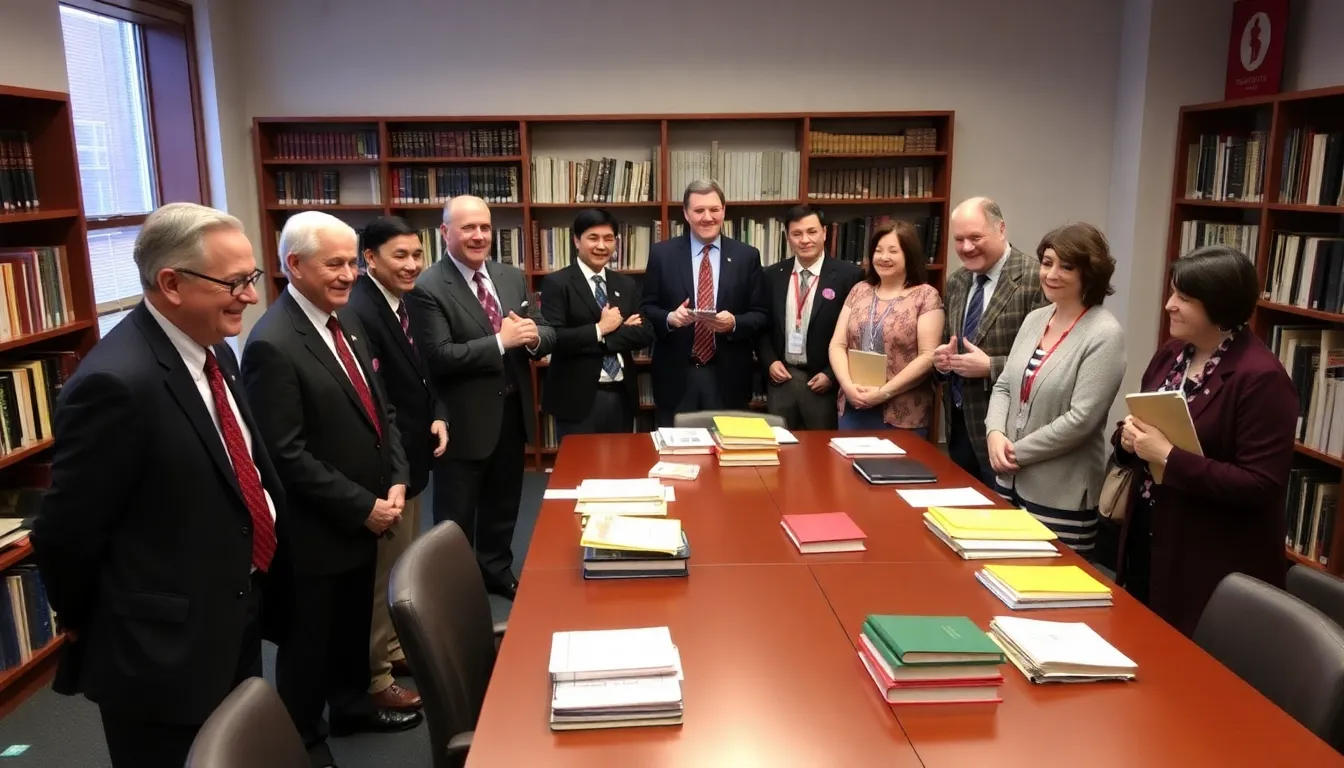
The battle over the ownership and accessibility of these diaries reflects broader tensions between academic freedom and governmental control over historical narratives. In 2018, Stanford University acquired these diaries, igniting a legal and ethical debate regarding the preservation of sensitive historical documents and the implications of their public availability. The university’s commitment to maintaining these records underscores its role as a custodian of knowledge and a hub for scholarly research.
Historically, the Chinese Communist Party has been known for its stringent control over information, particularly regarding its leaders and their legacies. The Cultural Revolution and subsequent events have created a complex landscape where narratives are often contested. This context makes the preservation of Li Rui’s diaries even more significant, as they offer a counter-narrative to the officially sanctioned stories of Mao’s era.
The implications of academic ownership
The legal decision favoring Stanford University highlights the ongoing debate about the ownership of historical documents and their implications for academic research. This case serves as a precedent for future disputes over similar materials, raising questions about the balance between protecting cultural heritage and ensuring that scholars have access to critical primary sources.
Key stakeholders and their interests in the diaries
The recent decision by Stanford University to retain the diaries of Mao Zedong’s secretary, Li Rui, has drawn attention from various stakeholders, each with distinct interests. These stakeholders include academic institutions, historians, the Chinese government, and civil society organizations, similar to discussions surrounding the complex interplay of historical preservation, national pride, and the implications of access to sensitive historical documents.
Academic institutions and historians have a vested interest in the diaries for their potential to provide insights into Chinese political history, particularly during the Cultural Revolution. Access to these documents may enhance scholarly research and contribute to a more nuanced understanding of Mao’s leadership and the socio-political climate of the time. The preservation of such primary sources is vital for academic integrity and historical accuracy.
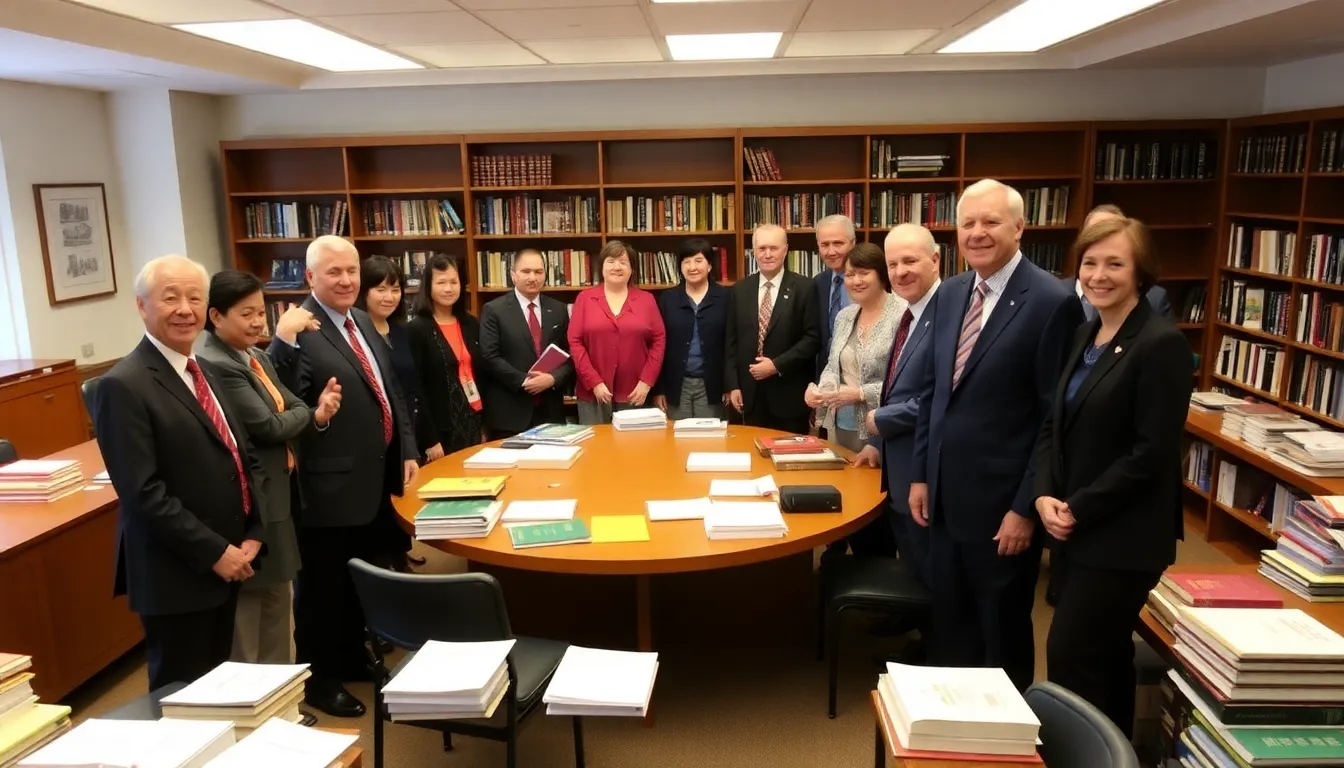
On the other hand, the Chinese government views these diaries through a lens of national sovereignty and historical narrative. The government has often sought to control the portrayal of its historical figures and events, particularly those related to Mao Zedong. The release of sensitive materials could challenge the official narrative and provoke public discourse that the government may prefer to avoid. Thus, the Chinese authorities are likely to oppose any unrestricted access to the diaries.
Additionally, civil society organizations and human rights advocates may see the diaries as a means to promote transparency and accountability regarding China’s past. They argue that access to historical documents is crucial for understanding human rights violations and fostering dialogue about the legacy of authoritarian regimes. This perspective underscores a broader conflict between the desire for historical truth and the interests of state control over historical narratives.
- Academic Institutions: Seek access for research and historical understanding.
- Chinese Government: Aims to maintain control over historical narratives.
- Civil Society Organizations: Advocate for transparency and accountability.
- Historians: Desire to utilize primary sources for a comprehensive analysis.
- International Community: Observes the implications for freedom of information and historical discourse.
Implications for historians and researchers
The recent decision by Stanford University to retain access to the diaries of Mao Zedong’s secretary has significant implications for various groups, particularly historians, political scientists, and researchers focused on Chinese history and politics. This access allows for a deeper understanding of Mao’s leadership and the intricacies of the Chinese Communist Party during a transformative era.
In the short term, scholars and students in academia will benefit from the availability of primary sources that were previously at risk of being lost or restricted. This can lead to a surge in research output, new publications, and a revitalized interest in Sino-American studies. Furthermore, institutions that focus on Asian studies may see an increase in enrollment as students seek to explore these newly accessible materials.

In the mid-term, the implications extend beyond academia. Businesses and policymakers interested in China’s historical context may find new insights that influence trade relations and diplomatic strategies. Understanding the historical nuances of China’s political landscape can help in formulating policies that are more attuned to the realities of contemporary Chinese governance.
- Historians and researchers: Enhanced access to primary sources will facilitate new studies and publications.
- Business leaders: Improved understanding of historical contexts may influence investment strategies and market entry decisions.
- Policymakers: Insights gained from the diaries could inform diplomatic relations and policy development concerning China.
However, there are also risks associated with this newfound access. The potential for misinterpretation of the diaries could lead to skewed narratives or oversimplified conclusions regarding Mao’s policies and their impacts. Additionally, political sensitivities surrounding historical narratives in China may provoke backlash, impacting collaborations between Western and Chinese institutions.
Ultimately, the preservation of these diaries not only enriches academic discourse but also opens up opportunities for cross-cultural dialogue and understanding, as long as the complexities of the historical context are navigated carefully.
A: The diaries provide valuable insights into the political climate of China during Mao’s leadership, offering historians a firsthand account of events and decisions. A: The dispute centered around ownership and access to the diaries, with various parties claiming rights to the documents. A: Retaining the diaries allows researchers to access primary sources that are crucial for understanding modern Chinese history. A: While the diaries are secured at Stanford, access may be limited to certain researchers or require special permissions. A: Stanford plans to digitize the diaries and make them available for research, ensuring broader access to this historical material.
Frequently asked questions about the diaries
Key takeaways and future implications
The recent decision allowing Stanford University to retain the diaries of Mao Zedong’s secretary marks a significant moment in the intersection of academia and historical documentation. This outcome not only underscores the importance of preserving primary sources for scholarly research but also highlights the ongoing debate over access to sensitive historical materials. As scholars and institutions navigate the complexities of such documents, the implications for both historical interpretation and international relations could be profound.
Moving forward, the accessibility of these diaries could lead to new insights into Mao’s policies and the inner workings of the Chinese Communist Party. Researchers and historians will need to consider the ethical dimensions of utilizing such materials, especially in the context of China’s current political climate and its sensitivity to historical narratives.
- The diaries may provide a deeper understanding of Mao’s leadership style and decision-making processes.
- Increased scholarly interest in Chinese history could emerge, prompting new research initiatives and collaborations.
- Access to these documents may influence contemporary discussions around governance and political ideology in China.
- Ethical considerations regarding the use of sensitive historical documents will continue to be a critical area of discussion among academics.
- This case may set a precedent for future disputes over the ownership and accessibility of historical archives globally.